




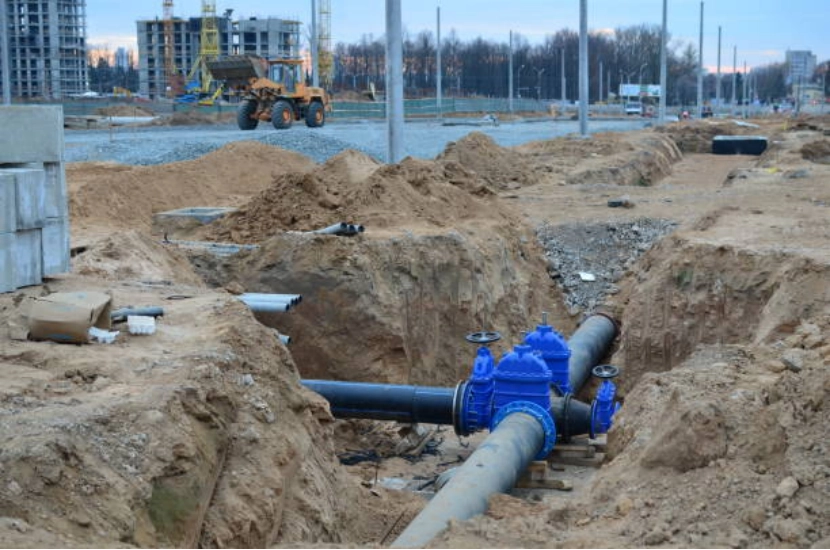
اختيار المناسب موصل الأنابيب يقرر ما إذا كان الإعداد الصناعي الخاص بك يعمل دون عوائق أو يواجه تسريبات مكلفة وتوقفات. الموصلات العليا تثبيت المفصل بقوة. كما أنها تحمل الضغط بشكل جيد ، وتكافح الصدأ ، وتتعامل مع الضغوط الخارجية. تحتاج الصناعات التي تتعامل مع المياه أو النفط أو الغاز أو المواد الكيميائية إلى فهم الجوانب التقنية والعملية لهذه الأجزاء. ويدعم هذا الفهم الموثوقية الدائمة.
وظيفة موصلات الأنابيب في الأنظمة الصناعية
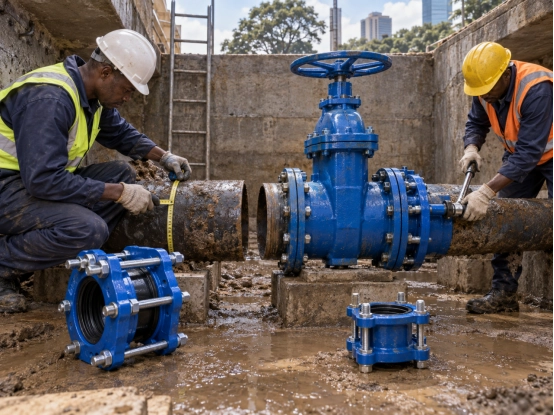
وصلات الأنابيب تربط أقسام الأنابيب ميكانيكيا. إنهم يعدون انضمامات بدون تسرب تحت أحمال مختلفة. هذه الروابط تبقي ضغط النظام ثابتة وتدفق سلس. بالإضافة إلى ذلك ، إنها تتوقف عن الهروب من السوائل. عند نقل النفط أو المواد الكيميائية ، قد يؤدي تسرب صغير إلى مخاطر السلامة أو الضرر بالبيئة. لذلك ، اختر نوع الموصل والمواد الصحيحة. يؤثر على مدى أداء الأشياء وكم تبقى آمنة.
أنواع شائعة من موصلات الأنابيب المستخدمة في الصناعة
تستخدم الإعدادات الصناعية أنواع مختلفة من الموصلات لتتناسب مع احتياجات التصميم الدقيقة:
- الشفاهتقدم انضمامات مسمار صلبة مثالية لبقع الضغط العالي.
- أدوات التوصيلو النقابات دعك تضع معا أو تفكك بسرعة دون أدوات فاخرة.
- محولاتتحولات المساعدة بين أحجام الأنابيب المختلفة أو المواد.
موصلات مرنة تمتص الاهتزازات أو نمو الحرارة keyly. فهي تحمي الأنابيب الصلبة من فترات التآكل. تعتبر مشابك الإصلاح مجموعة حيوية أخرى - إنها تعطي تصحيحات سريعة لخطوط الأنابيب المصابة دون وقف العمل.
العوامل الرئيسية التي يجب مراعاتها عند اختيار موصلات الأنابيب
تشتري موصل أنابيب أو محول شفة PVC. المهندسين يتحققون من بعض التفاصيل التقنية أولاً. هذا يتطابق مع إعداد خط الأنابيب الحالي.
توافق المواد مع نظام الأنابيب
المواد المقترنة تتوقف الصدأ الكهربائي وتحافظ على بناء القوة. خذ هذه الحالات:
- موصلات PVCتطابق الأنابيب البلاستيكية في خطوط المياه الضغط السهل.
- موصلات فولاذية أو حديديةتناسب أنابيب النفط والغاز الضغط الصعب.
- تجهيزات النحاستظهر في كثير من الأحيان في وظائف HVAC لتدفق الحرارة.
مقاومة الصدأ تعتبر الكثير للأنابيب التي تحمل المواد الكيميائية أو المياه المالحة. معالجة الحرارة مهمة أيضا - الفولاذ يستغرق حرارة أكثر من خيارات البلاستيك.
متطلبات تقييم الحجم والضغط
الموصل’ حجم s يحتاج لمطابقة الأنابيب’ عرض S بالضبط. هذا يقلل من مخاطر التسرب. تحقق من الشركة المصنعة’ مواصفات على مستويات الضغط دائما. الذهاب فوقهم مخاطر انقطاع النظام الكبير. العديد من الشركات المصنعة تعطي أحجام قياسية عن طريق قواعد ISO أو ASTM. هذا يسهل التقاط.
| نوع الموصل | نطاق الضغط النموذجي (PN) | المواد المشتركة |
| شفة الحديد اللطيف | PN10-PN25 | الحديد الدكتايل |
| فلانج فولاذ الكربون | PN2.5-PN400 | Q235 / A105 |
| محول PVC | PN6-PN16 | البلاستيك PVC |
الظروف البيئية والتشغيلية
الأنابيب في الهواء الطلق تحتاج إلى مواد تقاوم الأشعة فوق البنفسجية. هذا يوقف الانهيار. المصانع الكيميائية تدعو إلى القوة ضد الدخان الحمضي أو القاعدي. الإعدادات القريبة من آلات هزة تستفيد من المفاصل المنحنية. هذه تمتص الحركة بدلا من تمرير التوتر إلى الأجزاء الصلبة.
استكشاف أنواع مختلفة من موصلات الأنابيب الصناعية
الاستخدامات الصناعية تختلف كثيرا - فكر في شبكات مياه المدينة إلى منصات النفط البحري - لذلك اختر الموصلات التي تتطابق مع الوظيفة ’ احتياجات S.
محولات شفة PVC للأنظمة الخفيفة الوزن
الناس يحبون محولات شفة PVC في أنظمة انتشار المياه الخفيفة. هناك، مكافحة الصدأ تفوز القوة الخام. يمكنك تناسبهم ببساطة ، بدون عمل لحام أو مسمار. هذا يناسب الإعداد السريع في الموقع. قبضتهم ضد المواد الكيميائية تناسب خطوط تصريف المختبرات أو أنابيب العملية المنخفضة الدفع بشكل جيد.
المقابلات والمحولات المعدنية للتطبيقات الثقيلة
تتعامل المقابلات المعدنية من الفولاذ المقاوم للصدأ أو الفولاذ الكربوني مع قمم الدفع والحرارة العالية في المصافي أو محطات الطاقة. المفاصل الضيقة هو تصنيع خبير لمختلف أنواع الأنابيب الصناعيةاتصال وإصلاح المنتجات لأكثر من 15 سنة. هذه الخلفية تسمح للشركة تصنيع ربطات معدنية قوية. وتستخدم هذه في جميع أنحاء العالم في مناطق النفط والغاز والتدفئة والصرف الصحي. عادة ما يكون للأجزاء آليات قفل تقلل من الصيانة وتعزز العمر.
موصلات مرنة للتحكم في الاهتزاز
الموصلات المرنة تحمي الأنابيب ضد التوتر من المضخات أو معدات الدوار. الأنابيب المرنة من الفولاذ المقاوم للصدأ هي امتصاص سلالة الأنابيب في خط الماء والبخار والزيت. يستخدم الناس هذه العناصر في كثير من الأحيان في إعدادات HVAC وتناسب القوارب. الاهتزاز يغرق هناك يطول عمر الجزء ويقطع الصوت يمر من خلال الإطارات المعدنية.
دور مشابك إصلاح الأنابيب في عمليات الصيانة
تثبت مشابك الإصلاح أنها حيوية في أوقات الصيانة المفاجئة. أنت تريد أن تقطع التوقف قصيرة ثم.
متى تستخدم مشبك إصلاح الأنابيب
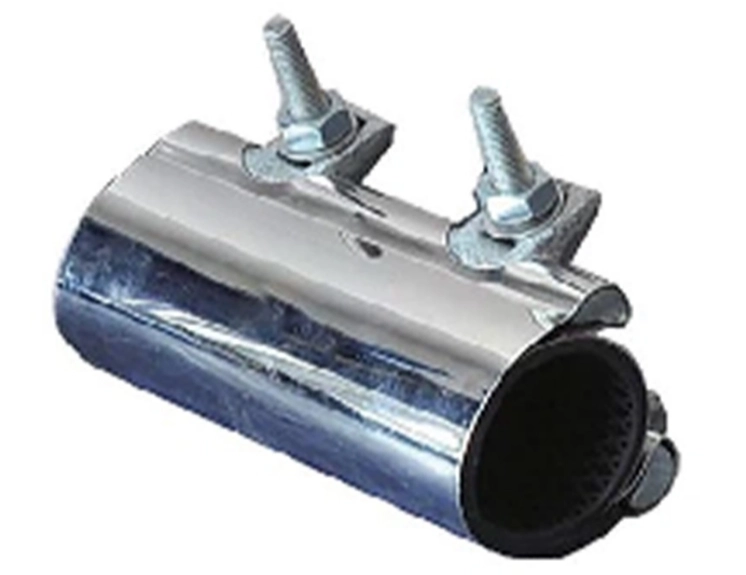
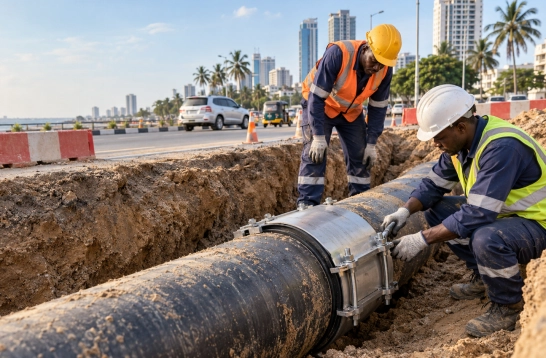
يختم مشبك إصلاح الأنابيب على الفور للتسريبات من الانقسامات أو ثقوب الصدأ. يمكنك وضعه مع النظام لا يزال تحت الضغط - تخطي التوقف الكلي. وهذا يقلل من الوقت في مناطق الأزمات. دائرة كاملة مصغرة إصلاح المشبك يوفر إصلاح سريع لأي كسر الأنابيب والتسرب تحت الضغط. إنه يعمل لإصلاحات قصيرة أو تعزيزات دائمة، بناء على ما تحتاجه.
اختيار النوع المناسب من المشبك الإصلاح
تشابك مشابك إصلاح الفولاذ المقاوم للصدأ بقوة في تناول السوائل مثل مياه البحر أو المواد الكيميائية. أولئك مع المطاط الداخلية تعزيز الختم على البقع الخشنة، مثل أنابيب الحديد الزهر القديمة. اختر بناء على عرض الأنابيب والسائل المحمول. تلك تشكل اختيار المواد الختم واحتياجات المشبك.
نصائح عملية لاختيار موصلات الأنابيب الموثوقة من الشركات المصنعة مثل Conflex
تعاون مع الموردين المركزين. إنهم يتأكدون من أن المنتجات تناسب مشروعك ’ قواعد بناء.
تقييم جودة المنتج والامتثال للمعايير
تحقق ما إذا كانت الموصلات تلبي القواعد العالمية مثل ISO 9001 أو ASTM F1476. تضمن الأجزاء المعتمدة العمل المستمر في الإعدادات المتحققة - وهو مفتاح عند تشغيل وظائف البناء الكبيرة مثل شبكات المياه في المدن.
العمل مع الموردين المتخصصين للحلول المخصصة
الشركات المصنعة مثل Conflex تقدم بنايات مخصصة للتناسب الغريب. محولات الشفاه المخصصة تربط البناء القديم إلى إضافات جديدة دون إعادة تشغيل الأنابيب بأكملها. يمكنك تعديل إصلاحات الموصل المرنة من فحص معدل الاهتزاز الذي يتم في خطوات التصميم.
أهمية دعم ما بعد البيع والمساعدة التقنية
الموردين الصلبين يفعلون أكثر من بيع القطع. إنها تساعد في نصائح تناسب ، وإصلاحات المشاكل ، ومخزون جزء إضافي. تنتج المفاصل المتنازعة موصلات مختلفة لخطوط الأنابيب ، ولها R & amp المهنية ؛ فريق د ، ولديه سمعة طويلة الأمد في مجال خطوط الأنابيب الدولية. المساعدة السريعة بعد البيع تبقي العمليات مستقرة على المدى الطويل في المجالات التي تحتاج إلى تدفقات غير متوقفة.
ضمان الأداء على المدى الطويل من خلال التثبيت الصحيح والصيانة
أفضل تصميم موصل يفشل في وقت مبكر إذا قمت بتناسبه بشكل خاطئ أو تخطي جولات الصيانة.
أفضل الممارسات أثناء التثبيت
التمسك بالمواصفات الملتوية لتشديد الشفاه - الكثير من الختامات الملتوية ، القليل جدا من تسرب الشرارات. اختر المواد الختم اليمين مثل شريط PTFE أو حلقات المطاط بناء على تطابق السوائل.
نصائح التفتيش والصيانة الروتينية
فحص ثابت للصدأ المبكر أو علامات التآكل قبل الفشل الكبير. تبادل أجزاء ضرب في وقت واحد، وليس فقط تصحيح مرارا وتكرارا. مبادلات مقدمة قطع المفاجأة توقف أن فوضى خطط العمل.
الأسئلة الشائعة
س: ما هو الغرض الرئيسي من موصل الأنابيب؟
ينضم موصل الأنابيب إلى قسمين من الأنابيب بأمان مع الحفاظ على أداء خالي من التسرب تحت اختلافات الضغط.
س: هل يمكن استخدام المشابك الإصلاحية بشكل دائم؟
نعم ، تم تصميم العديد من مشابك إصلاح الفولاذ المقاوم للصدأ الحديثة للتركيب الدائم بعد التحقق من التركيب الصحيح.
س: ما الذي يسبب معظم فشل اتصالات خطوط الأنابيب؟
عزم الدوران التثبيت غير الصحيح ، أو المواد غير المتوافقة ، أو تجاوز الضغوط الاسمية عادة ما تؤدي إلى فشل المفاصل مع مرور الوقت.
س: لماذا ينصح الموصلات المرنة بالقرب من المضخات؟
تمتص طاقة الاهتزاز التي تنتجها المعدات الدوارة ، مما يمنع كسور الإجهاد على طول أقسام خطوط الأنابيب الصلبة مع تقليل مستويات الضوضاء بفعالية.


 Arabic
  English
  Chinese
  French
  German
  Indonesian
  Italian
  Kazakh
  Kyrgyz
  Portuguese
  Russian
  Spanish
  Swahili
  Uzbek
Uzbek