




Pipe damage isn’t always obvious, but even tiny leaks can cause major issues—like wasting water, rotting buildings, and even halting systems totally. إصلاح المشابك give a handy method to fix various pipe problems quickly, without having to slice or swap whole parts. If it’s a thin crack in a copper water line or a split in a cast iron sewer pipe, knowing what sorts of harm these clamps can manage is vital for bringing things back to normal in a safe and effective way.
Common Causes and Indicators of Pipe Damage
Frequent Stress Factors Leading to Pipe Damage
Pipes face ongoing physical and outdoor stress. Thermal expansion happens when temperature changes make pipes stretch and shrink. This often creates small breaks as time goes on. In the same way, ground shifts—especially in places with lots of earthquakes or loose dirt—can twist or break lines under the soil.
Water hammer effects come from quick pressure boosts when valves close fast. They put strong stress inside. If the setup is getting old or was set up poorly from the start, it turns more open to these pushes. Harsh chemicals and high pressure setups just hurry up the wearing down of materials, mainly in metal pipes like steel or copper.
Visual and Functional Clues of Damaged Pipes
Finding pipe damage soon can prevent plenty of trouble. Color shifts or rust on visible pipes signal corrosion plainly. Water marks on ceilings or walls could show hidden leaks, and mold buildup is usually a bad sign that proves it. Lower water pressure might mean a big leak or clog farther down. At times, you could hear hissing or dripping noises behind walls—that’s a direct hint of ongoing leaking.
Overview of Pipe Repair Clamps
Key Components of a Pipe Repair Clamp
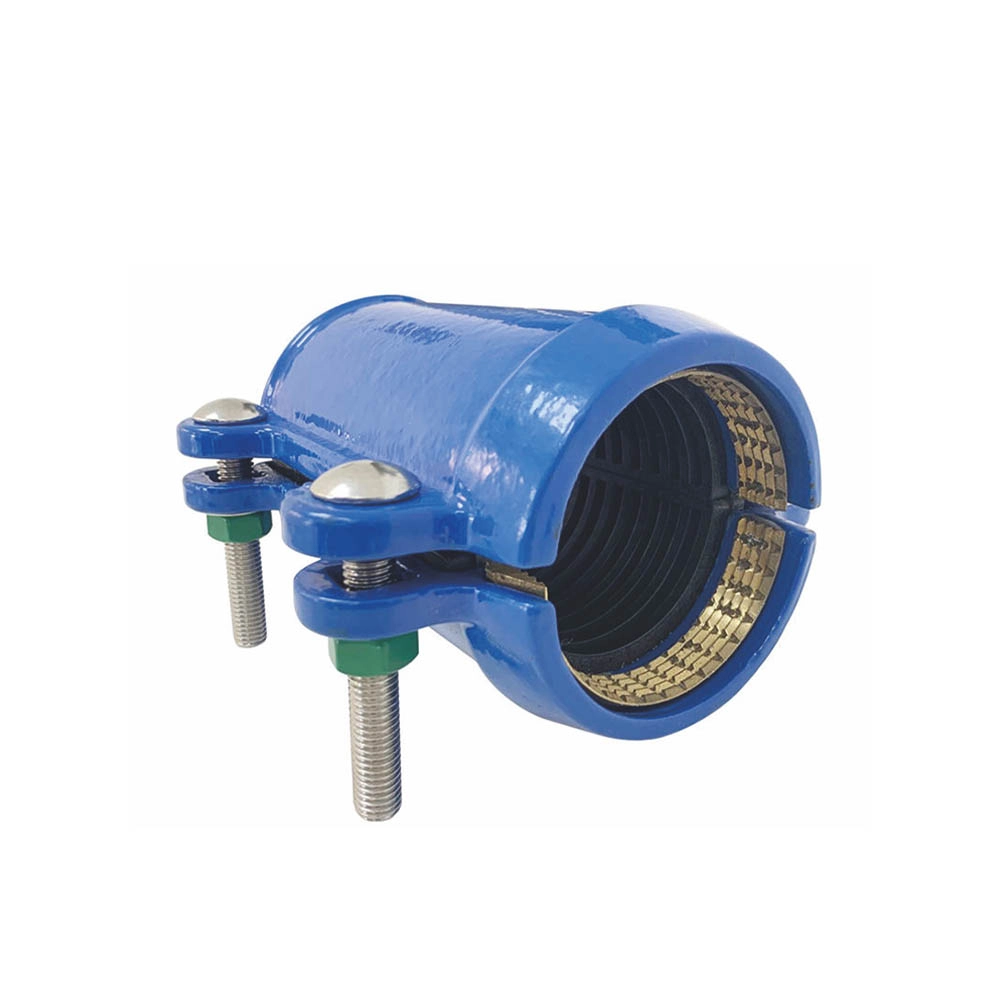
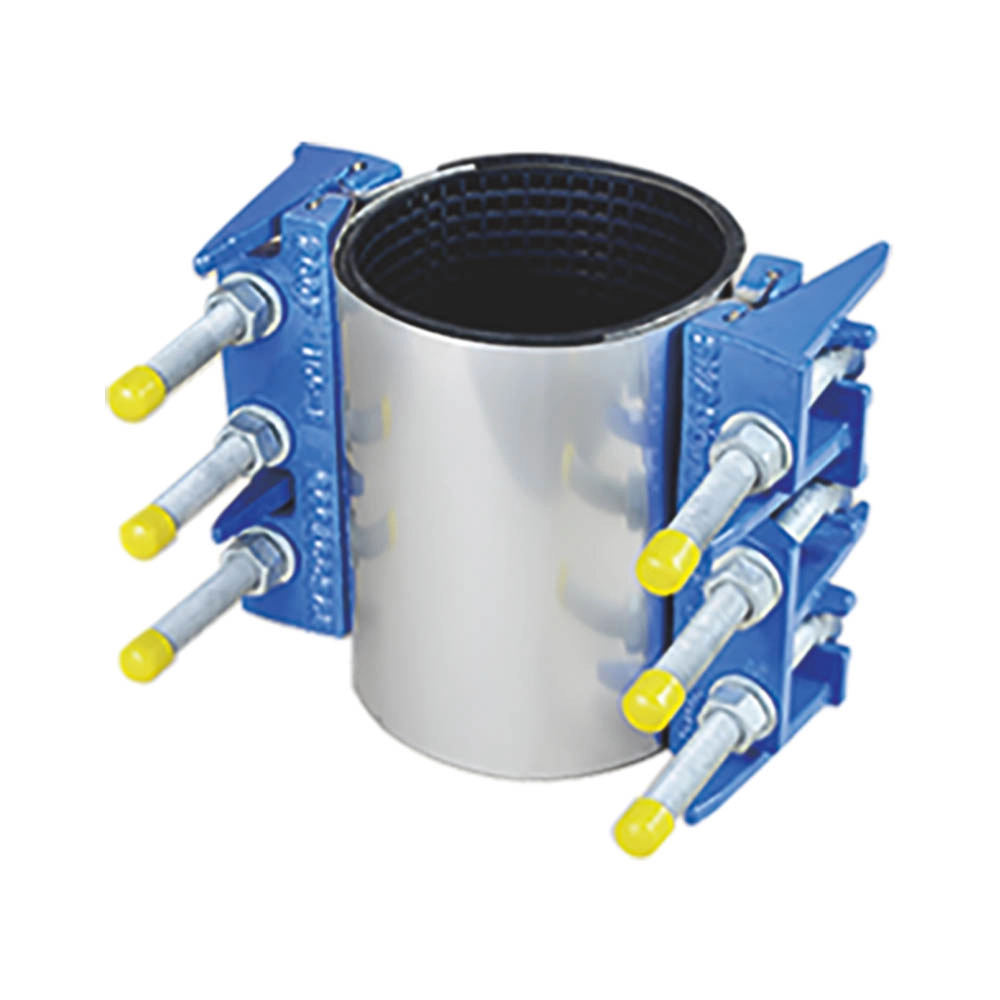
A standard مشبك إصلاح الأنابيب consists of three primary parts:
- A stainless steel band that wraps around the pipe and provides mechanical strength.
- A rubber gasket underneath that seals the damaged area to prevent leakage.
- Tensioning mechanisms such as bolts or lugs that allow you to tighten the clamp securely over pipes of various diameters.
These parts team up to make a quick seal over hurt sections without cutting into the line.
How Repair Clamps Address Pipe Failures
Repair clamps work by putting pressure from outside to halt leaks—no welding, cutting, or soldering needed. Their bendy design helps them fit to bumpy surfaces. So they stay useful even if the pipe wall isn’t totally flat. They’re extra handy in urgent spots where you need fast control before setting up a lasting repair.
Types of Pipe Damage Repair Clamps Can Address
Hairline Cracks in Pressurized Systems
In systems hit by heat cycles or machine shakes, small breaks can form. A clamp steadies these cracks. And it stops them from growing under changing pressures.
Pinholes and Minor Leaks in Metal Pipes
Pinholes from pitting corrosion appear often in copper and steel pipes. A clamp of the right size can close these holes. It keeps the line’s strength intact—no need for a complete swap.
تآكل Induced Surface Deterioration
Local rust spots on steel or cast iron pipes thin the walls over time. A clamp cuts off the bad area from dampness. This slows more rusting and wearing.
Failures at Pipe Joints and Couplings
At times leaks start where two parts join—at joints or couplings. A clamp gives support from outside. It seals up twisted or worn links without pulling the whole setup apart.
Emergency Containment of Burst Sections
When a pipe splits without warning—mostly in work settings where stopping costs a lot—a sturdy repair clamp can offer short term hold until you plan a full fix.
Compatible Pipe Materials for Clamp Repairs
Steel Piping Systems in Industrial Applications
Steel, both galvanized and carbon variants, is widely used in industrial settings. Repair clamps are compatible with these systems under moderate pressure conditions and are often part of standard maintenance protocols.
PVC Pipes in Residential Plumbing Networks
PVC’s flexibility requires clamps equipped with gaskets that can accommodate some degree of plastic deformation. Proper selection is key here.
Copper Pipes in Domestic Water Supply Lines
Copper is prone to pinhole leaks due to electrochemical reactions. Clamps are particularly effective here because they eliminate the need to resolder joints or replace entire segments.
Cast Iron Pipes in Drainage and Wastewater Systems
Cast iron pipe repair often involves large diameter clamps that match the rigid nature of this material. These are essential in municipal sewer lines where excavation would be expensive and time consuming.
Step-by-Step Safety Guide for Clamp Installation
Shut Off the Water Supply Before Starting Repairs
First things first—cut off the flow. This stops water from messing up your job. And it makes sure the gasket sits right.
Inspect the Damaged Area Thoroughly Before Proceeding
Check if the damage is within the clamp’s ability to handle. If it’s too large or too close to a joint, you may need another solution.
Clean the Surface Area Around the Leak Site
Use a wire brush or cloth to remove any rust, dirt, or scale. This boosts how well the gasket sticks. And it helps with sealing that lasts.
Select a Clamp That Matches Pipe Size and Material
Look at diameter, wall thickness, and pressure specs before choosing your clamp. A mismatch here will lead to failure sooner than later.
Align and Position the Clamp Over the Damaged Section
Center the gasket directly over the leak with even spacing on all sides. Misalignment can cause leaks under pressure.
Tighten All Bolts Evenly to Ensure Uniform Pressure
Don’t just crank one bolt all the way—tighten each a little at a time in rotation to apply balanced force across the seal.
Restore Water Flow Gradually While Observing for Leaks
Once everything’s tightened down, slowly reopen valves while keeping an eye on the repaired section for drips or seepage.
Monitor Repaired Area Over Time for Signs of Failure
Add this spot to your regular inspection checklist. Even good clamps can loosen over time due to vibration or thermal cycling.
Safety Considerations During Clamp Installation
Use Protective Equipment While Handling Tools and Materials
Gloves, safety goggles, and long sleeves are basic must haves when dealing with sharp metal bands or high pressure lines.
Be Aware of Electrical Hazards Near Wet Work Areas
If there’s wiring nearby, power it down before beginning work—wet environments and electricity don’t mix.
Apply Correct Tool Techniques to Prevent Injury
Use tools rated for torque accuracy. Avoid overtightening clamps on plastic piping—it might crush rather than seal.
Practical Benefits of Using Repair Clamps
Repair clamps offer real world advantages:
- They cut labor time a lot compared to swapping full pipes.
- Installation is quick, so there’s less stop time for key systems.
- They let the system keep running while you wait for a lasting fix.
censlex, as a dedicated manufacturer of industrial grade repair clamps and pipe couplings, provides solutions specifically designed for these high efficiency interventions across water, oil, and gas systems.
Limitations Associated With Repair Clamp Usage
Not every problem can be solved with a clamp:
- If structural integrity is severely compromised—think massive ruptures or crumbling pipe walls—a full replacement is unavoidable.
- In critical infrastructure like hospitals or power plants, clamps may serve only as temporary fixes pending professional evaluation.
Frequently Asked Questions About Repair Clamps
How Long Do Repair Clamps Typically Last?
Lifespan varies based on material quality, installation conditions, and operating environment. Regular inspection helps extend their effective service time.
Can Repair Clamps Be Reused After Removal?
Most clamps are designed for single use applications due to gasket compression limits. Always check manufacturer guidelines before reuse.
Are Repair Clamps Approved for Potable Water Systems?
Only clamps made with certified food grade materials should be used on drinking water lines. Conflex offers certified options suitable for potable installations.
When used right, pipe repair clamps are flexible tools that give quick, safe control for lots of pipe damage types across different materials and setups. For industry folks looking for trusty products that mix toughness with simple use, Conflex keeps helping repair crews with well made repair clamps and couplings made for tough jobs.
 Arabic
  English
  Chinese
  French
  German
  Indonesian
  Italian
  Kazakh
  Kyrgyz
  Portuguese
  Russian
  Spanish
  Swahili
  Uzbek
Uzbek