




"أهم 5 تحديات في إصلاح الأنابيب وكيفية حلها" - Conflex
أفضل 5 تحديات في إصلاح الأنابيب وكيفية حلها
أفضل 5 تحديات في إصلاح الأنابيب وكيفية حلها
«أهم 5 تحديات في إصلاح الأنابيب وكيفية حلها» - Conflex
أحدث الأفكار في صناعة تركيب الأنابيب - Conflex - صفحة 24
« DI تفكيك المفصل » — Conflex
أحدث الأفكار في صناعة تركيب الأنابيب - Conflex - Ukurasa 24
أحدث الأفكار في صناعة تركيب الأنابيب - Conflex - Página 24
أحدث الأفكار في صناعة تركيب الأنابيب - Conflex - Страница 24
أ اقتران عالمي أحدث الأفكار في صناعة تركيب الأنابيب - كونفليكس - صفحة 24
أحدث الأفكار في صناعة تركيب الأنابيب - Conflex - Seite 24
أحدث الأفكار في صناعة تركيب الأنابيب - Conflex - الصفحة 24
أ شفة محول أحدث الأفكار في صناعة تركيب الأنابيب - كونفليكس - 24 صحيفة
أحدث الأفكار في صناعة تركيب الأنابيب - كونفليكس - لامان 24
أحدث الأفكار في صناعة تركيب الأنابيب - Conflex - 第 24 页
أحدث الأفكار في صناعة تركيب الأنابيب - كونفليكس - 24 بارك
zhuxinadmin صاحب الصفحة الرئيسية - كونفليكس - ukurasa 24
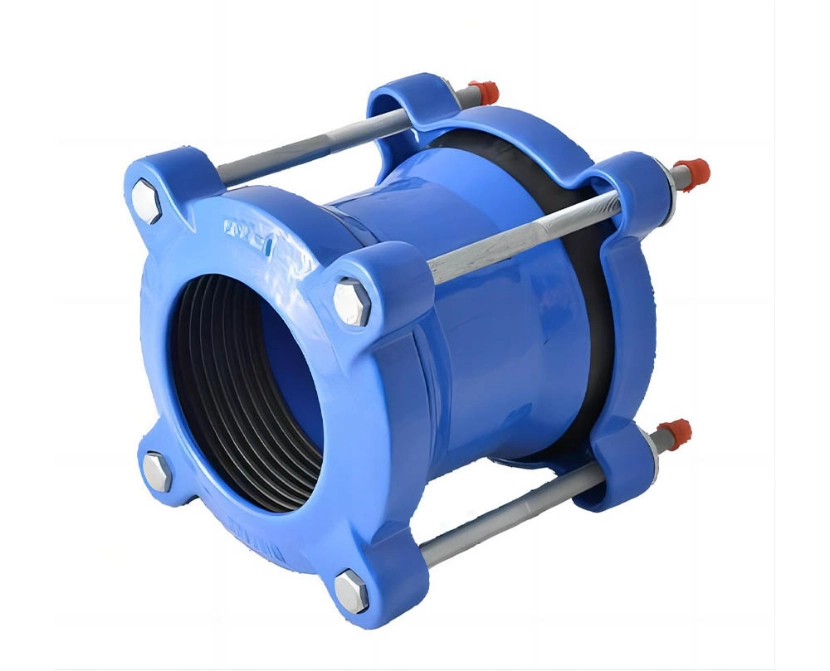
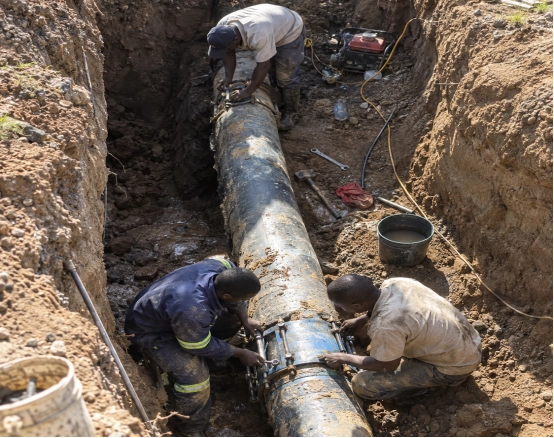
تثبيت الأنابيب الصناعية نادرا ما يسير بسلاسة. تسرب الضغط العالي، والأجزاء الصدئة، والبقع الضيقة لإعداد خلق عقبات صعبة للمهندسين. هذه المشاكل يمكن أن توقف العمليات أو تعرض السلامة للخطر. يمكنك التعامل معهم بشكل أفضل عن طريق فهم الإعداد’ تعقيدات وتجميع أدوات إصلاح صلبة مثل مشابك إصلاح الأنابيب عالية الضغط ومشابك سرج الأنابيب […]
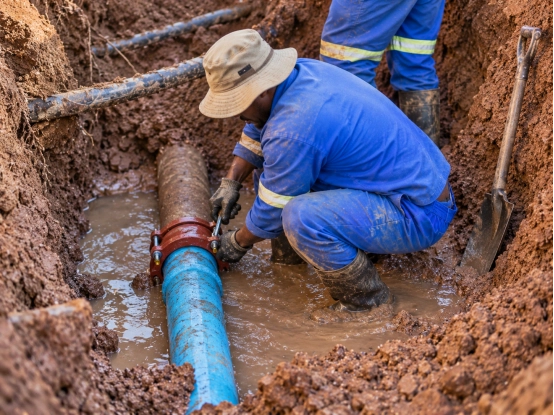
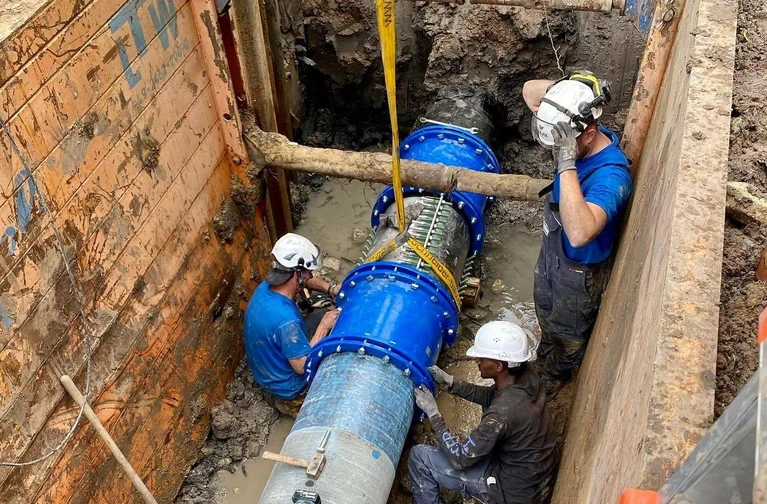
غالباً ما يكون هذا هو الحل الأنظف في الموقع. عدد أقل من الأجزاء الخاصة. أعمال لحام أقل. وقت أقل لبناء ترتيب الشفة في خندق رطب.
يكمن التحدي في المقاسات. فعبارة "DN200 إلى DN200" لا تضمن تساوي الأقطار الخارجية. لذا، تحقق من القطر الخارجي الفعلي، والضغط، وتوافق الحشية، والقوى المحورية. مع مادة البولي إيثيلين عالي الكثافة (HDPE)، يجب الانتباه إلى مقاومة السحب.
https://www.connectionflexible.com/?p=4535
عادة ما يكون محول الشفة أكثر عملية عندما تكون نقطة التوصيل جزءًا من نظام ذي شفة.
تخيل وحدة تغذية جديدة من البولي إيثيلين عالي الكثافة تدخل في حجرة صمام موجودة. تحتوي الحجرة على صمام فراشة ذي حافة وقطعة بكرة فولاذية. يوفر محول الحافة للخط الجديد وصلة مثبتة بمسامير تتناسب مع الترتيب الحالي وتبقى متاحة للصيانة.
وينطبق المنطق نفسه على المضخات ومقاييس التدفق والمصافي، حيث قد يلزم إزالة المعدات لاحقاً.
قاعدة مفيدة في هذا المجال بسيطة. إذا كان كلا الطرفين عبارة عن نهايات أنابيب عادية، ففكر في استخدام وصلة. أما إذا كان أحد الطرفين مزودًا بشفة، فعادةً ما يكون استخدام محول الشفة أكثر منطقية.
وصلة التوصيل مقابل محول الشفة: أيهما يجب أن تختار؟
الفرق لا يتعلق كثيراً بأي منتج "أقوى" بل يتعلق أكثر بكيفية عمل المفصل.
| عامل | اقتران | شفة محول |
| نوع الاتصال | https://www.connectionflexible.com/ar//top-5-challenges-in-pipe-repair-and-how-to-solve-them/ | طرف عادي إلى شفة |
| الاستخدام النموذجي | وصلة أنبوب إلى أنبوب | دور مشابك السرج في التطبيقات الصناعية - Conflex |
| تثبيت | موجز ومباشر | نتائج البحث عن مطابقة مع 2026 - Conflex - 6 барак |
| نتائج البحث عن مطابقة مع 2026 - Conflex - Страница 6 | نتائج البحث - مطابقة 2026 - فليكس - الصفحة 6 | يعتمد ذلك على تصميم المحول |
| مدخل الصيانة | معتدل | نتائج البحث عن مطابقة 2026 - فليكس - باجينا 6 |
| نتائج البحث عن مطابقة مع 2026 - فليكس الصفحة - 6 | خندق الإصلاح، تمديد الشبكة | غرفة الصمامات، محطة الضخ |
يُفضّل استخدام وصلة التوصيل عادةً للانتقال السريع بين أنبوبين ذوي نهايات عادية. أما محول الشفة فيُستخدم عندما يكون الوصول إلى المعدات، أو الفك باستخدام البراغي، أو وجود شفة موجودة مسبقاً، عوامل مؤثرة في تصميم النظام.
لا ينبغي اختيار أي منهما بناءً على القطر الاسمي فقط. لا يزال هذا الخطأ يحدث في مواقع العمل أكثر مما ينبغي.
خمسة أمور يجب التحقق منها قبل توصيل البولي إيثيلين عالي الكثافة بالفولاذ
التركيب ليس سوى جزء واحد من الوصلة. بعض التفاصيل هي التي تحدد ما إذا كانت ستبقى جافة بعد إغلاق الخندق.
1. القطر الخارجي
قم بقياس القطر الخارجي الحقيقي لكلا الأنبوبين. لا تفترض أن المقاس بالبوصة أو بالرقم الاسمي يعطي معلومات كافية.
الصفحة الحالية يظهر لك كل شيء مع يمكن أن أطلب منك من فضلك ؟ مطابقة النتائج ذات الصلة
هل يمكن أن أسألك سؤال من فضلك ؟ نتائج البحث عن مطابقة - Conflex
تأكد من ضغط التشغيل والاختبار، ثم اختر تصنيف الوصلة وفقًا لذلك. يُعد ضغط التذبذب مهمًا أيضًا. فقد يؤدي بدء تشغيل المضخة، والإغلاق السريع للصمامات، وتغيرات الارتفاع إلى رفع الضغط فوق قيمة التشغيل المستقرة.
عفوًا، هذا التضمين لا يمكن إيجاده.
يبدو أنه لم يتم العثور على شيء في هذا الموقع. لما لا تجرّب زيارة
مباشرة؟
الصفحة الحالية تعرض جميع النتائج ذات الصلة مطابقة 1
نتائج البحث - مطابقة 1 - Conflex
الصفحة الحالية يعرض جميع نتائج المباراة المرتبطة 1ekxs4wuq
نتائج البحث عن مطابقة مع 1EKXS4WUQ - Conflex
الصفحة الحالية يعرض جميع نتائج مطابقة 1 * 1
نتائج البحث عن مطابقة مع 1 * 1 - Conflex
الصفحة الحالية يعرض جميع نتائج المباريات ذات الصلة - 1 أو 5 * 5 = 25
مباراة - 1 أو 5 * 5 = 25
الصفحة الحالية يعرض جميع نتائج المباريات ذات الصلة - 1 أو 5 * 5 = 26
مباراة - 1 أو 5 * 5 = 26
الصفحة الحالية يعرض جميع نتائج مطابقة - 1 أو 5 * 5 = 25
نتائج البحث عن مباراة - 1 أو 5 * 5 = 25
هذه الصفحة تظهر جميع نتائج مطابقة - 1 أو 5 * 5 = 26
نتائج البحث عن مباراة - 1 أو 5 * 5 = 26
الصفحة الحالية يعرض جميع نتائج مطابقة 1 * إذا ( now ( ) = sysdate ( ) , شريحة ( 15 ) ، 0 ) censlex مباراة 1 * إذا ( now ( ) = sysdate ( ) sliep ( 15 ) ، 0 )
أسئلة متكررة
الصفحة الحالية يظهر كل شيء مع 10 " ; XOR(1*if(now()=sysdate(),sleep(15),0))XOR' z-related مطابقة النتائج
مطابقة نتائج البحث مع 10 ' xor ( 1 * إذا ( now ( ) = sysdate ( ) sliep ( 15 ) ، 0 ) ) xor ' z
الصفحة الحالية يعرض جميع نتائج مطابقة 10 " XOR ( 1 * إذا ( now ( ) = sysdate ( ) , شريحة ( 15 ) ، 0 ) )
نتائج البحث عن مطابقة مع 10 " XOR ( 1 * إذا ( now ( ) = sysdate ( ) , sliep ( 15 ) ، 0 ) )
الصفحة الحالية يظهر كل شيء مع ( اختيار ( 0 ) من ( اختيار ( 15 ) ) / * * * * * * * * * * * * * * و35039 ؛ ( حدد ( 0 ) من ( اختيار ( شريحة ( 15 ) ) ت & " ( اختيار ( 0 ) من ( اختيار ( شريحة ( 15 ) ) ) * / نتائج مطابقة ذات الصلة
与 (اختيار(0)من(اختيار(النوم(15)))v)/*’ (اختيار(0)من(اختيار(النوم(15)))v) ' "(select(0)from(select(sleep(15)))v) "*/ 匹配搜索结果 - الصراع
الصفحة الحالية يظهر كل شيء مع 1-1 ; waitfor delay ' 0 : 15 و 039 ؛ -- مطابقة النتائج ذات الصلة
و 1-1 ؛ waitfor delay ' 0 : 0 : 15 ' - نتائج البحث - Conflex
الصفحة الحالية يظهر كل شيء مع 1-1 ) ؛ waitfor delay ' 0 : 15 و 039 ؛ -- مطابقة النتائج ذات الصلة
و 1-1 ) ؛ waitfor delay ' 0 : 0 : 15 ' - نتائج البحث - Conflex
 Arabic
  English
  Chinese
  French
  German
  Indonesian
  Italian
  Kazakh
  Kyrgyz
  Portuguese
  Russian
  Spanish
  Swahili
  Uzbek
Uzbek