





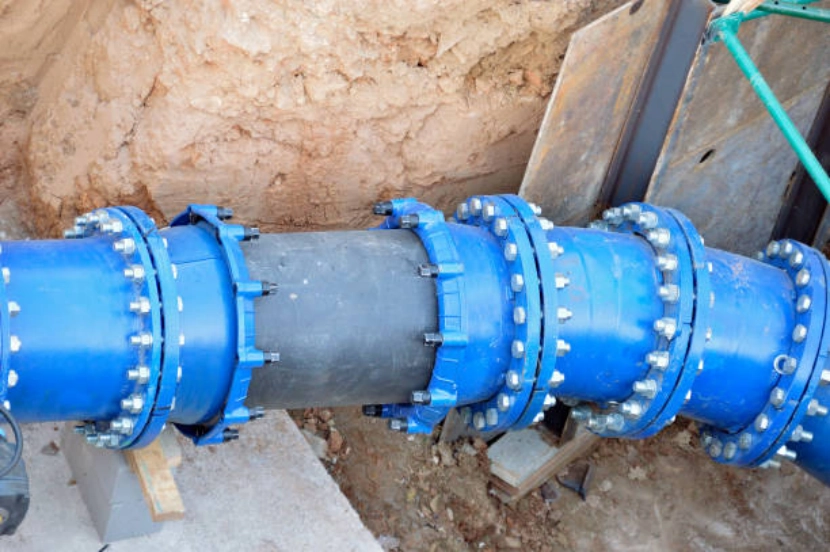
La stabilité d'un réseau de distribution d'eau dépend de son point le plus faible.
Auteur : xsktkontum
https://www.connectionflexible.com/fr/nouvelles/5-facteurs-lies-aux-fuites-de-tuyaux/#comment-45
Work crews frequently dig up the same road section twice a year. The previous repair simply could not survive the earth’s movement. Older rigid repair methods usually fail soon after installation because the ground keeps shifting. A rigid sleeve or welded joint acts like a lever when the earth moves. It pushes all the mechanical stress onto one single spot until the pipe finally snaps.
Pourquoi les assemblages rigides cèdent sous contrainte mécanique
Les systèmes rigides sont conçus pour un environnement statique qui n'existe plus dans les infrastructures modernes. Lorsqu'on parle de contraintes mécaniques, on fait référence à une combinaison de pression verticale et de déplacement latéral qui représente un véritable fléau pour l'intégrité des pipelines.
Mécanismes du désalignement angulaire et axial
Les charges externes dues au trafic intense et aux mouvements de terrain déforment les canalisations. Il ne s'agit pas toujours d'une rupture brutale ; parfois, c'est un lent affaissement, une section de canalisation s'enfonçant de cinq centimètres par rapport à la précédente. Les raccords rigides n'ont pas la capacité d'amortissement nécessaire pour absorber les vibrations ou la dilatation thermique. Imaginez les vibrations d'un poids lourd passant sur une canalisation enterrée peu profonde. Dans un système rigide, cette énergie ne peut se dissiper. Le désalignement crée des points de tension qui entraînent des fissures circonférentielles et des ruptures catastrophiques. Le corps de la canalisation peut être suffisamment résistant, mais le joint devient le point faible qui cède sous la pression.
Auteur : 3pattiluckyapk
Pour résoudre ces problèmes, il faut cesser de lutter contre les mouvements de la Terre et commencer à s'y adapter. La flexibilité est la seule façon d'assurer la pérennité des infrastructures en terrain instable.
Par: y666télécharger
Utilisant une large gamme couplage universel Par : hm88comvn ConflitCompositions en fer tordu Guide final des types, des utilisations et des conseils d'installation
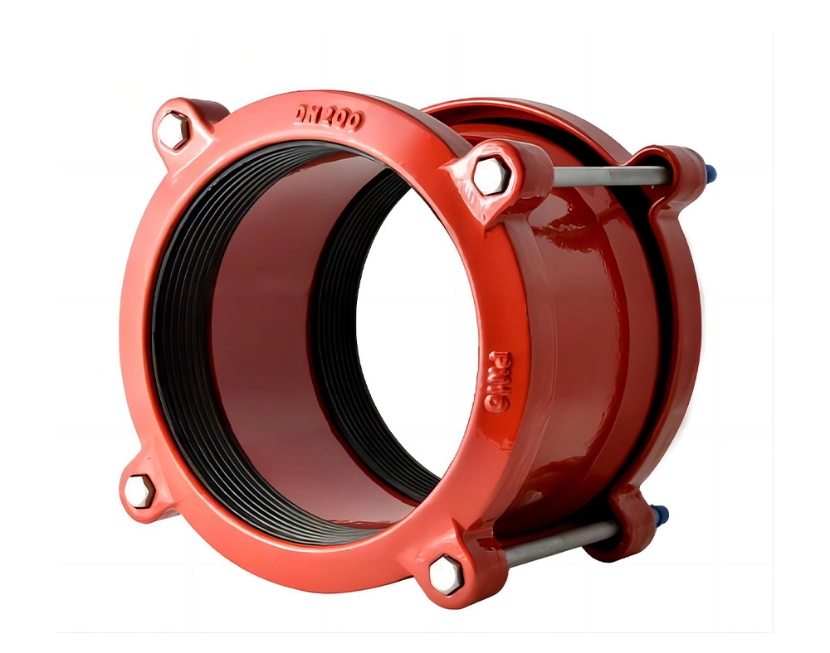
Assurer la stabilité grâce à des systèmes d'accouplement restreints
De: hello88discount Tee universel à bride de selle vs manche à tap | Différences clés - Conflex Il assure l'adhérence mécanique nécessaire. Ceci est particulièrement crucial aux impasses et aux coudes où la poussée hydraulique tend à écarter les tuyaux. Le mécanisme de retenue intégré bloque le tuyau en place tout en préservant la flexibilité du joint. Il utilise des pinces qui s'ancrent dans la paroi du tuyau. Cette double action empêche la séparation du joint dans les sols instables ou aux changements de direction, offrant ainsi le meilleur des deux mondes : mobilité et sécurité.
Optimisation de l'installation pour une longue durée Auteur : 99win3
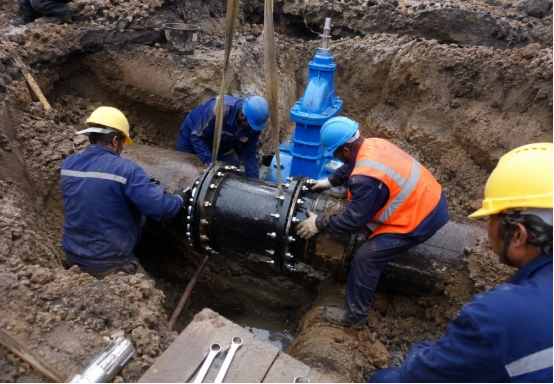
Même le meilleur matériel peut être défaillant si l'installation est bâclée. Nous avons vu des raccords coûteux céder simplement parce que le tuyau avait été oublié de le nettoyer. Une préparation adéquate des surfaces aux extrémités du tuyau garantit un bon positionnement du joint contre le corps du raccord. Il est impératif d'éliminer la rouille, le tartre et les impuretés. Un serrage méthodique des boulons, conformément aux couples de serrage préconisés par le fabricant, évite une pression inégale sur les joints toriques. Un serrage excessif d'un côté écrase le joint ; un serrage insuffisant provoque une fuite. De plus, le choix du matériau élastomère approprié en fonction du fluide transporté (eau, huile ou gaz) prolonge la durée de vie du raccord. Utiliser un joint conçu pour l'eau sur une conduite contenant des traces d'hydrocarbures est la garantie d'une étanchéité compromise.
Sustaining Network Performance Through Adaptive Hardware
Construire un réseau résilient implique de choisir des composants capables de résister aux conditions de sol les plus défavorables. Le passage de solutions de connexion rigides à des solutions flexibles réduit considérablement la fréquence des interventions d'urgence. Il permet au gestionnaire de réseau de passer d'une gestion réactive, axée sur la lutte contre les incendies, à une gestion proactive. La construction en fonte ductile de haute qualité et les revêtements époxy protègent contre la corrosion des sols présents dans les régions côtières, où l'air salin et les eaux souterraines saumâtres rongent l'acier non protégé. accouplements flexibles par : 666d
FAQ (questions fréquentes)
Q : Quelle est la différence entre un accouplement universel et un accouplement dédié ?
Commentateur: goexchangemasterids
« Les solutions de raccordement des pipelines pour les installations de dessalement : considérations clés » — Conflex
En général, oui, mais le type de dispositif de fixation (les pinces) doit être compatible avec la dureté du tuyau. Par exemple, les pinces pour PEHD sont conçues différemment de celles pour la fonte afin d'éviter d'endommager la paroi du tuyau tout en assurant une bonne prise.
Q: How much angular deflection can a flexible coupling typically handle?
La plupart des accouplements universels de haute qualité peuvent supporter une déviation angulaire totale de 3 à 6 degrés, ce qui est généralement suffisant pour gérer les problèmes de tassement de sol standard.
par : bingoplusbrazil
Non, la plupart nécessitent uniquement une clé dynamométrique standard pour garantir que les boulons sont serrés aux niveaux spécifiés par le fabricant.


 French
  English
  Arabic
  Chinese
  German
  Indonesian
  Italian
  Kazakh
  Kyrgyz
  Portuguese
  Russian
  Spanish
  Swahili
  Uzbek
Uzbek