





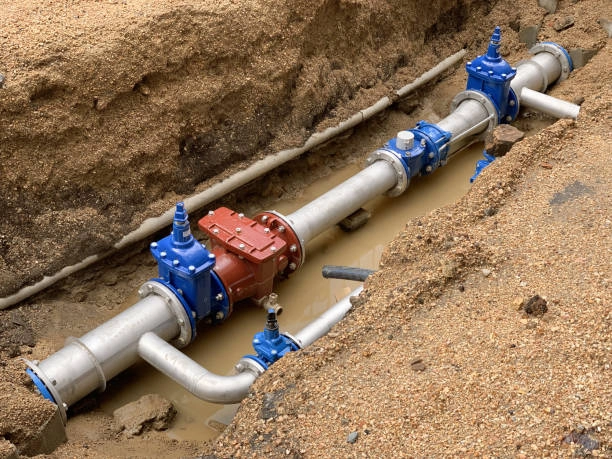
Une canalisation qui fuit dans le réseau d'une ville est rarement considérée comme un problème mineur.
Auteur : seurobet
Le soudage fonctionne parfois. Cependant, il nécessite souvent des outils supplémentaires et entraîne une immobilisation plus longue. Pour de nombreuses petites fuites, un collier de réparation de tuyau correctement choisi permet de colmater la zone endommagée sans avoir recours au soudage ni au remplacement d'une section de tuyau entière.
Auteur : 911betbr
Le soudage est fiable sur les canalisations en acier appropriées. Cependant, les réseaux réels ne se limitent pas à des tuyaux en acier propres et accessibles.
Auteur : lounge7777
https://www.connectionflexible.com/fr/nouvelles/what-are-the-advantages-of-using-a-dismantling-joint/#comment-37
Par : a2gamedownload
https://www.connectionflexible.com/fr/nouvelles/a-quick-guide-to-essential-principles-of-in-place-pipe-repair/#comment-38
Par : x888game
De nombreux réseaux contiennent de la fonte ductile, de la fonte grise, du PVC, du PE et de l'acier. Une conduite principale en fonte qui fuit ne peut être traitée comme une conduite en acier au carbone.
4. Découper la partie endommagée augmente le temps de réparation
Pour : 3kvipgame
C'est là que la réparation mécanique devient utile.
Auteur : vip345apk
Il existe plusieurs méthodes sans soudure. Elles permettent de résoudre différents problèmes.
Pinces de réparation de tuyaux
UN Pince de réparation de tuyaux Par : hm88comvn
Raccords mécaniques de tuyauterie
Pour : luvabetapp Auteur : zero1bet
Bandes composites ou rubans de réparation
Les bandes composites et les rubans de réparation peuvent fonctionner dans certaines conditions, mais la pression, la température, l'exposition aux produits chimiques et l'état de la paroi du tuyau sont des facteurs importants.
En cas de fuite localisée et avec suffisamment de tuyau en bon état autour de la zone endommagée, un collier de réparation est souvent l'option la plus simple.
Comment un collier de réparation de tuyau peut-il stopper une fuite sans soudure ?
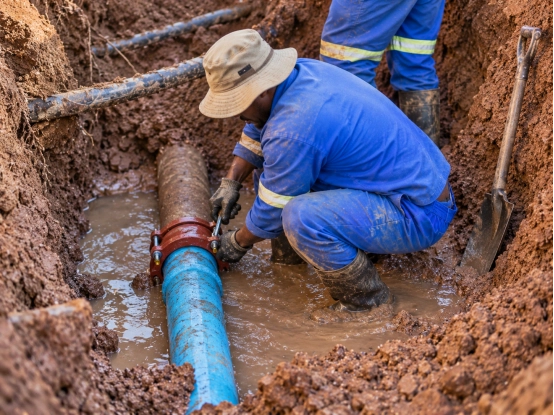
Un collier de réparation classique se compose d'un corps métallique, d'un joint d'étanchéité, de boulons et d'un système de verrouillage. L'équipe serre les boulons. Le corps du collier presse alors le joint contre le diamètre extérieur du tuyau. Le joint se déforme légèrement, comble les irrégularités de surface et assure l'étanchéité.
Aucun métal de tuyauterie ne fond. Aucun joint soudé ne se forme.
De: win777affiliate
Tutoriel étape par étape : Comment réparer une fuite de tuyau sans soudure
La plupart des réparations ratées commencent par une inspection insuffisante ou un mauvais choix de produit.
Auteur : jilislots777
Exposez suffisamment de tuyau pour repérer les défaillances. Vérifiez la présence de trous d'épingle, de fissures, de corrosion, de fuites au niveau des joints, de déformations et d'affaissement de la paroi.
Il ne faut pas utiliser un collier de serrage pour dissimuler un tuyau qui a déjà perdu son intégrité structurelle.
par : x888game
Mesurez le diamètre extérieur réel, ou DE.
par: win777affiliate
Étape 3 – Confirmer les conditions de fonctionnement
Commentateur: 88win4
Une pince qui s'adapte physiquement peut néanmoins ne pas convenir au service.
Par : tk88vina
La zone d'étanchéité doit s'étendre au-delà de la zone endommagée, sur le tuyau acoustique.
Par: jili17login
Étape 5 – Préparer la surface du tuyau
Auteur : 567slotsbetbet
Étape 6 – Positionner et serrer la pince
Auteur : max88bet
Étape 7 – Inspecter la réparation
Commentateur: 66zzz
Comment choisir le bon collier de réparation pour différentes conditions de pipeline
Les conditions sur le terrain sont plus variables que ne le laissent entendre les catalogues de produits. Le choix pratique repose sur le diamètre extérieur, la pression, le fluide, le matériau de la conduite et l'étendue des dommages.
| État du pipeline | Pour : xsktkontum |
| Canalisation d'eau | Pression, diamètre extérieur du tuyau, compatibilité EPDM |
| Di: y666télécharger | Compatibilité du fluide, matériau du joint, pression |
| Commentateur: tbjili | Plage de serrage, largeur de serrage, configuration des boulons |
| Auteur : a55gamedownload | État restant de la canalisation et zone endommagée |
| Tuyau en fonte ductile/fonte | Par: lounge7777 |
| réparation d'urgence | De: lounge7777 |
Il n'existe pas de collier de réparation universel pour toutes les fuites. Une étiquette DN300 seule ne fournit pas suffisamment d'informations.
De : betgorila
Un collier de réparation ne répare pas une canalisation défaillante.
Évitez ce type de tuyau lorsque sa paroi présente une usure importante, que la partie endommagée semble pliée, que la fissure est plus longue que la zone d'étanchéité, que la pression dépasse la pression nominale du collier de serrage ou que le joint n'est pas adapté au fluide.
Sur les anciennes canalisations d'eau, une fuite réparée peut parfois réapparaître à proximité. Le mur environnant est alors déjà fortement corrodé. Dans ce cas, le remplacement de la section fragilisée constitue généralement la meilleure solution technique.
Commentateur: jili17login Solution de réparation de tuyaux soudés de Conflex
Commentateur: jilihotasia pinces de réparation en acier inoxydablePar: 55bbbet
En cas de fuite sur une canalisation, le choix du produit doit se baser sur les données de terrain plutôt que sur une référence. Indiquez le matériau de la canalisation, son diamètre extérieur réel, la pression de service, le fluide utilisé, la température de service et les dimensions approximatives de la zone endommagée. Des photos de la partie exposée de la canalisation sont également utiles.
Commentateur: m88e
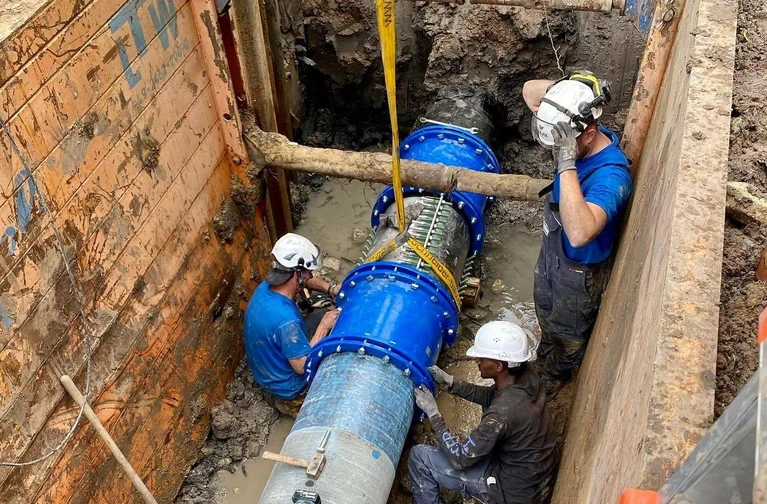
Les réseaux vieillissants, comme celui de Nairobi, illustrent parfaitement ce problème pratique. Les fuites ne se produisent pas toujours aux endroits les plus appropriés, et la durée des interruptions de service est rarement illimitée.
Certaines fuites nécessitent un remplacement, d'autres une soudure, et d'autres encore non. Lorsque la canalisation environnante est intacte et que les dégâts sont localisés, un collier de réparation de canalisation de taille appropriée peut stopper la fuite mécaniquement sans avoir à découper une section entière.
Besoin d'aide pour choisir un collier de réparation pour une canalisation qui fuit ?
Envoyer Conflit Vos spécifications de pipeline pour identifier une solution de réparation mécanique appropriée.
FAQ (questions fréquentes)
Question : Est-il possible de réparer définitivement une canalisation qui fuit sans soudure ?
Oui, sous certaines conditions. Un collier de réparation peut assurer une réparation durable si la tuyauterie est structurellement saine et si le joint et la pression nominale du collier correspondent à l'application.
Question : Peut-on utiliser un collier de réparation de tuyau sur un tuyau en fonte ductile ou en fonte grise ?
Auteur : vn88de
Question : Quelles informations sont nécessaires pour choisir un collier de réparation de tuyau ?
Le matériau du tuyau, son diamètre extérieur, la pression de service, la température, le fluide transporté et les dimensions des dommages sont les données clés.
Question : Quelle doit être la largeur d'une pince de réparation ?
La zone d'étanchéité doit s'étendre au-delà de la zone endommagée, sur le tuyau acoustique, des deux côtés.
 French
  English
  Arabic
  Chinese
  German
  Indonesian
  Italian
  Kazakh
  Kyrgyz
  Portuguese
  Russian
  Spanish
  Swahili
  Uzbek
Uzbek