





Solutions de raccordement de tuyaux pour les installations de dessalement Considérations clés
UN adaptateur de bride crée une transition mécanique entre la tuyauterie existante et le nouvel équipement à brides sans avoir à fabriquer de bride sur la tuyauterie.
Quelle eau Les difficultés d'approvisionnement sont-elles à l'origine des modernisations des stations de pompage à Accra ?
Comment installer la pince de la barre universelle sans arrêter le flux d'eau
Comment prolonger la durée de vie des pompes avec des compensateurs en acier inoxydable
Une mise à niveau peut impliquer des pompes de plus grande capacité, des vannes de régulation de pression ou de nouveaux débitmètres. L'objectif est pratique : déplacer plus d'eau, maintenir la pression et améliorer le contrôle lors des pics de consommation.
Les stations existantes présentent rarement une configuration optimale. Une nouvelle vanne peut avoir un corps plus long. Une pompe de remplacement peut être installée à distance de l'emplacement de l'ancienne bride. L'ajout d'un compteur sur une conduite de refoulement encombrée peut décaler tous les raccordements en aval.
De : jilihotasia
Les pompes plus anciennes présentent des problèmes d'étanchéité, de roulements et de rendement. Les vannes deviennent difficiles à manœuvrer, les pièces détachées se font rares et chaque réparation prend plus de temps.
De: jili17login
Pourquoi les raccordements entre les tuyaux et les équipements posent-ils problème lors des mises à niveau ?
Par: taib29bet
Il est possible de souder une bride sur un tube en acier adapté, mais cela implique des opérations de découpe, d'alignement, de contrôle des travaux à chaud et de réparation du revêtement. Cette solution n'est pas toujours envisageable dans une installation en service.
Commentateur: 68winapp
Forcer l'assemblage ne permet pas d'aligner les pièces. Il s'agit de contraintes accumulées.
Par: ok9o
https://www.connectionflexible.com/fr/ductile-iron-fittings-the-ultimate-guide-to-types-uses-and-installation-tips/
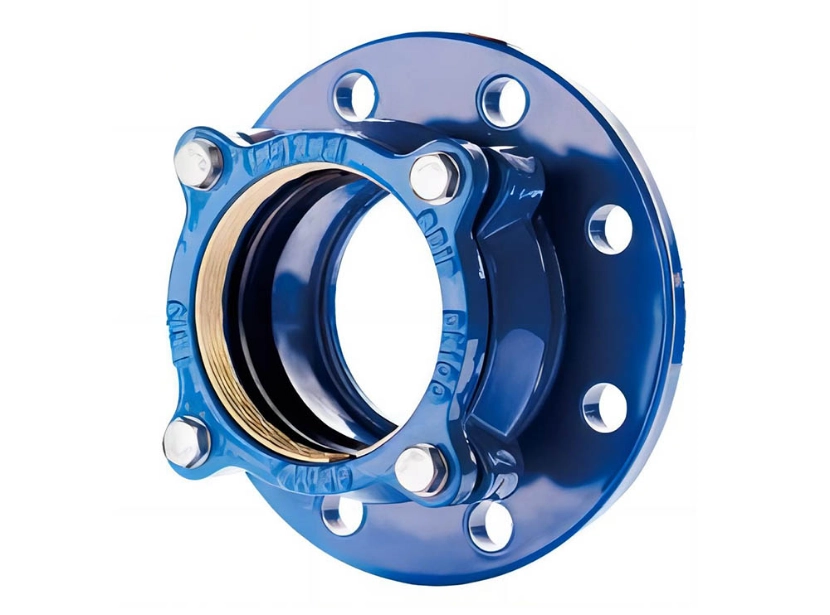
Plaine de connexion Tuyaux finis pour équipements à brides
Le côté à bride se fixe à l'équipement par boulonnage. L'étanchéité mécanique est assurée par un joint et un presse-étoupe autour du diamètre extérieur du tuyau. Aucune bride permanente n'a besoin d'être fabriquée sur la conduite existante.
De: 747phlive
Conflit offres Auteur : max88bet et les normes de brides. L'atout majeur réside dans l'aide à la sélection : le diamètre extérieur réel du tuyau, la classe de pression et le perçage de la bride doivent être vérifiés avant de spécifier le raccord.
Tolérances d'installation prises en compte
Un adaptateur à bride permet de compenser les tolérances d'installation limitées. Il est utile lorsqu'un tuyau coupé est légèrement plus court ou lorsqu'une conduite existante se termine un peu plus loin que prévu.
Cette méthode est limitée. Elle ne doit pas servir à redresser une canalisation fortement désalignée vers une pompe. Un écart angulaire important, un décalage latéral ou un mouvement des fondations nécessitent une correction appropriée de la tuyauterie.
Réduction du temps de soudage et d'installation
Commentaire en Démantellement des joints: combler les lacunes dans les réseaux d'oléoducs complexes par 168winapp
Joint de démontage à bride: Caractéristiques, avantages et comment il améliore l'efficacité des pipelines industriels par zero1bet
Comentario en Exploitation et espérance de vie des pinces de selle en PVC: Un guide complet par taib29bet
La liste de contrôle ultime de l'installation de l'adaptateur de bride: Un guide étape par étape par j168
Améliorer l'efficacité des pipelines: Pourquoi les pinces de selle méritent d'être prises en considération pour votre prochain projet par vip345apk
Comentario en Proofing Your Projects: Comment le démantèlement des joints permet de gagner du temps et des ressources par 24betlogin
Pinces de réparation mini: petite taille, grands résultats pour des réparations rapides et efficaces par wim444
Comment choisir la pince de selle parfaite pour vos besoins d'irrigation agricole par 70bet16
Un joint de démontage est-il la même chose qu'un joint d'expansion? par goldenempirevn
Couplings de tuyaux universels par rapport aux raccords traditionnels: quel est le meilleur pour votre système? par 68winapp
Le résultat n'est pas spectaculaire. La station est remise en service. Le joint reste étanche après plusieurs redémarrages. Les boulons restent accessibles. C'est généralement à cela que ressemble une bonne modernisation.
FAQ (questions fréquentes)
Question : Commentateur: lounge7777
Oui, si l'adaptateur correspond au diamètre extérieur mesuré du tuyau et au perçage et à la pression nominale de la bride de la pompe.
Question : Auteur : jilihotasia
Seules de faibles tolérances d'installation sont acceptables. Un désalignement angulaire ou latéral important nécessite une correction de la tuyauterie.
Question : Auteur : 68winapp
Principales raisons pour lesquelles le joint d'expansion en acier inoxydable est préféré dans la conception de la tuyauterie
Question : Rôle fonctionnel des joints d'expansion dans les systèmes de pipelines Gérer l'expansion et la contraction thermiques Dans...
Comment associer une bride de tuyau avec la bonne taille de l'adaptateur de bride


 French
  English
  Arabic
  Chinese
  German
  Indonesian
  Italian
  Kazakh
  Kyrgyz
  Portuguese
  Russian
  Spanish
  Swahili
  Uzbek
Uzbek