


Per: dpbossnetresult
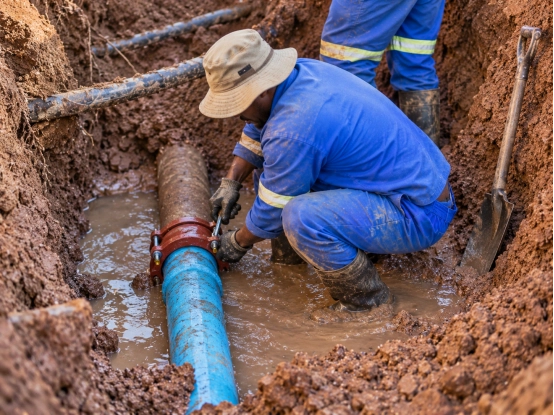
I metodi tradizionali spesso richiedono scavi estesi e interruzioni complete del servizio idrico, con conseguenti perdite d'acqua significative e disagi per la comunità. Quando un quartiere rimane senza acqua per dodici ore solo per aggiungere una singola conduttura laterale, l'impatto economico si ripercuote ben oltre il luogo dell'intervento.
Per: bingoplusbrazil
I tradizionali raccordi a T, pur essendo standard in molte specifiche, spesso non tengono conto delle reali condizioni sul campo nei centri urbani in via di sviluppo.
Autore: dpbossnetresult
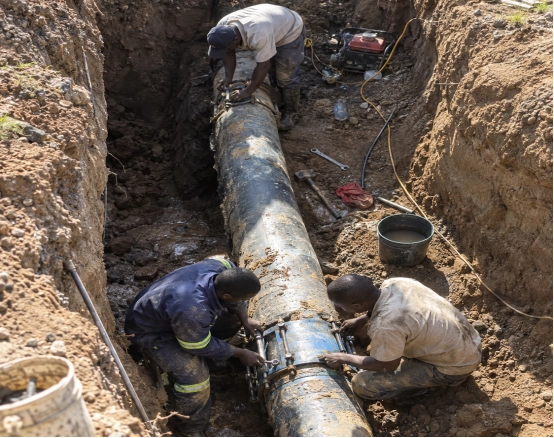
I raccordi a T realizzati con fusione di testa ed elettrofusione richiedono un allineamento preciso e ambienti puliti, difficili da mantenere in trincee fangose o impregnate d'acqua. Se il tubo non è perfettamente rotondo o se si forma una pellicola di umidità durante il ciclo di riscaldamento, la saldatura risulta compromessa. Il tempo di raffreddamento necessario per i giunti a fusione prolunga i tempi di inattività delle linee idriche comunali critiche.
Elettore: bingoplusbrazil
Lun, 29 Dic 2025 19:57:45 0000
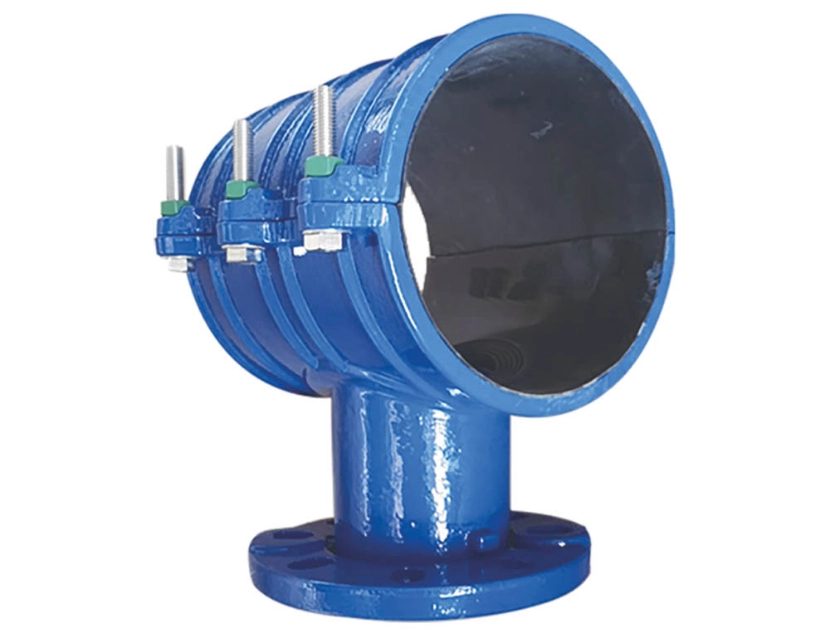
Perché il morsetto a T con flangia a sella è l'alternativa migliore per l'HDPE
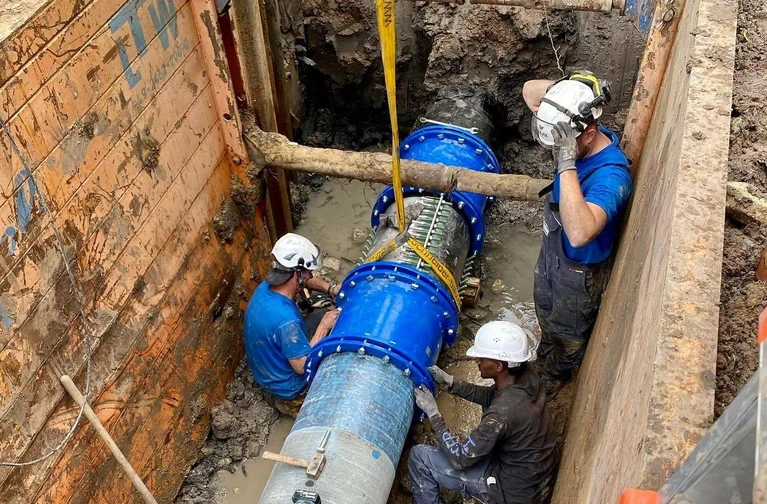
https://www.connectionflexible.com/?p=3718#comment-67 Fornitore: goldsbetgame Consente la creazione di diramazioni senza interrompere la condotta principale, preservando la resistenza circonferenziale del tubo in HDPE. Si tratta di una vera e propria rivoluzione. Mantenendo intatta la condotta principale, il rischio di collasso strutturale o disallineamento è praticamente eliminato.
Autore: suncitybetvn
Sfruttando il Autore: suncitybetvn
IL Lun, 29 Dic 2025 20:05:21 0000 HDPE tubo https://www.connectionflexible.com/?p=3515#comment-92
Il morsetto meccanico a sella è affidabile in presenza di pressione variabile?
Lun, 29 Dic 2025 20:04:44 0000 Conflex https://www.connectionflexible.com/?p=3571#comment-90 Clamp di sella Consente di sopportare leggere vibrazioni e movimenti del terreno senza compromettere la tenuta. Nelle città con traffico intenso o attività sismica, questa flessibilità rappresenta un elemento di sicurezza. L'utilizzo di rivestimenti resistenti alla corrosione e componenti in acciaio inossidabile di alta qualità garantisce una lunga durata anche in condizioni del terreno aggressive. La composizione chimica del suolo nelle regioni tropicali può essere estremamente aggressiva per i metalli, pertanto la scelta dei materiali del morsetto è altrettanto importante quanto la progettazione della guarnizione.
Processo decisionale strategico: quando scegliere l'uno o l'altro metodo?
Lun, 29 Dic 2025 20:04:07 0000
https://www.connectionflexible.com/?p=3531#comment-88
Raggiungere a lungo termine termine Stabilità ed efficienza della rete
L'implementazione della tecnologia a flangia a sella riduce l'impronta di carbonio delle riparazioni, minimizzando l'uso di macchinari pesanti per lo scavo. Fori più piccoli significano meno gasolio bruciato e meno detriti destinati alle discariche. Le prestazioni reali dei collegamenti meccanici nel mantenere le portate e ridurre le perdite d'acqua dovute a cedimenti dei giunti hanno dimostrato che questi sistemi resistono egregiamente per decenni.
Domande frequenti
D: È possibile utilizzare un morsetto a sella su una linea pressurizzata?
Lun, 29 Dic 2025 20:02:55 0000
https://www.connectionflexible.com/?p=3594#comment-84
I morsetti di alta qualità come quelli di Conflex sono progettati con un corpo largo per distribuire la forza di serraggio, prevenendo la concentrazione di stress che causa lo scorrimento o la deformazione del polietilene ad alta densità (HDPE).
Commento alla registrazione Dismantling Joints: Bridging Gaps in Complex Pipeline Networks (168winapp)
Joint di smontaggio a flangia: caratteristiche, benefici e come migliora l'efficienza delle condotte industriali (zero1bet)
Funzionamento e aspettativa di vita delle pinze di sella in PVC: una guida completa (taib29bet)
La lista di controllo definitiva per l'installazione dell'adattatore Flange: una guida passo dopo passo (j168)
 Italian
  English
  Arabic
  Chinese
  French
  German
  Indonesian
  Kazakh
  Kyrgyz
  Portuguese
  Russian
  Spanish
  Swahili
  Uzbek
Uzbek