



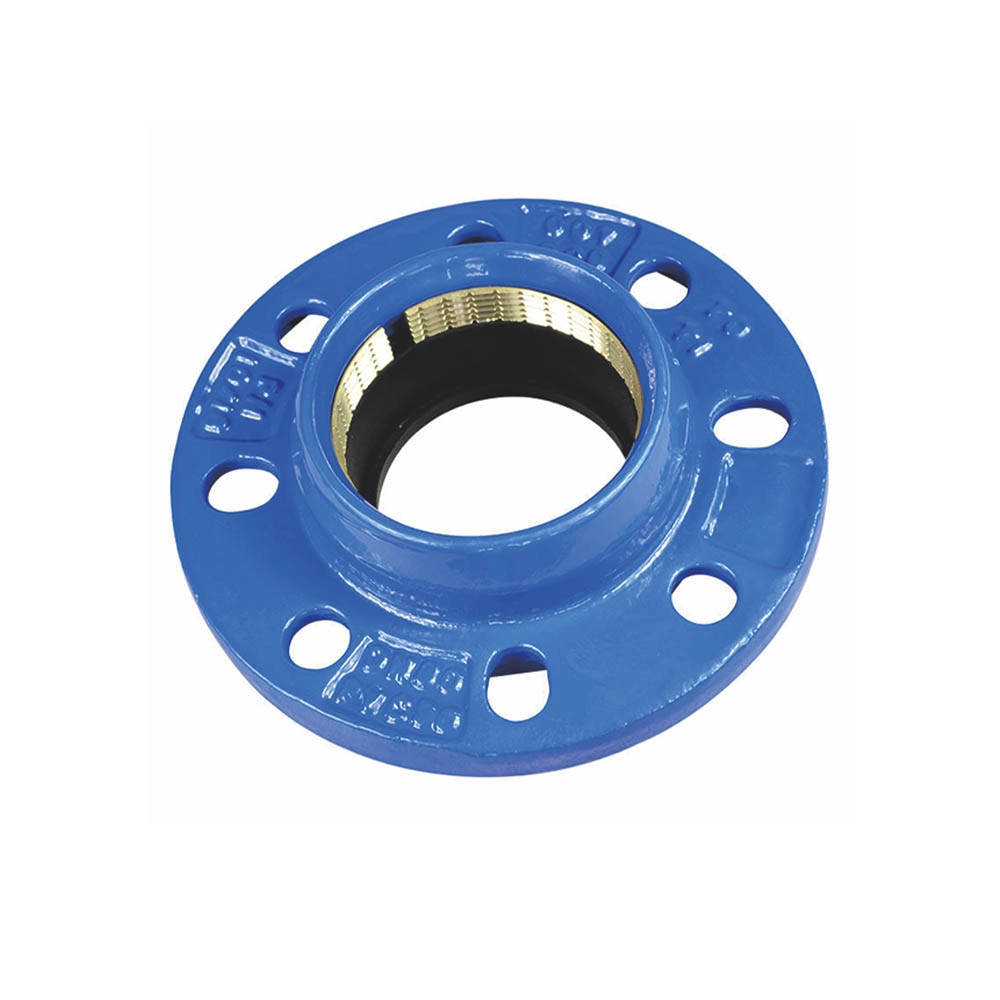
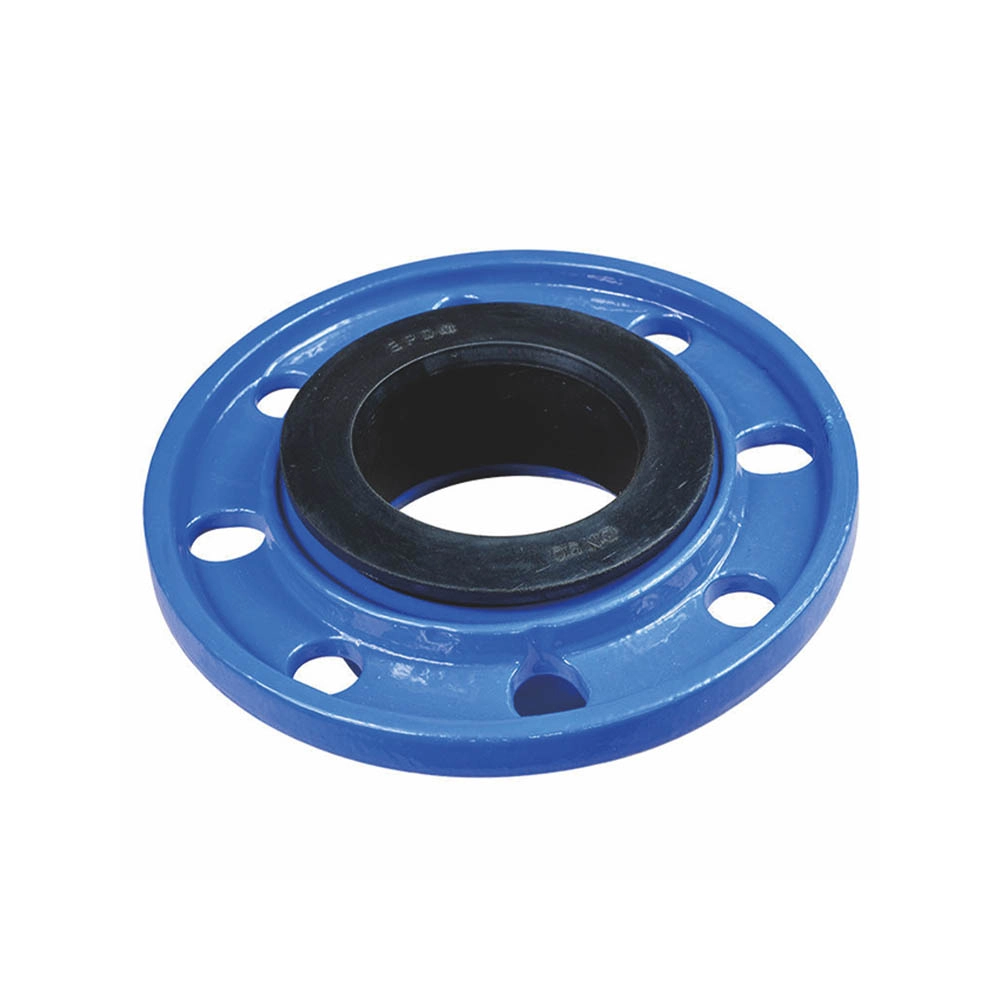
Quando una linea d'acqua si rompe improvvisamente o un giunto di condotta fognaria si rompe durante il lavoro, non’ t vogliono trascorrere il tempo a caccia di strumenti o aspettare che la colla si imposti. Gli adattatori rapidi forniscono una soluzione rapida e pratica per queste situazioni. Sono fatti per ottenere il servizio in pochi minuti, non ore. Che si tratti di raccordi per tubi in PE o PVC, queste parti offrono un'opzione affidabile per riparazioni a breve termine o di durata in casi urgenti.
Adattatori rapidi per tubi PE/PVC nelle riparazioni di emergenza
Cosa sono progettati per fare gli adattatori rapidi
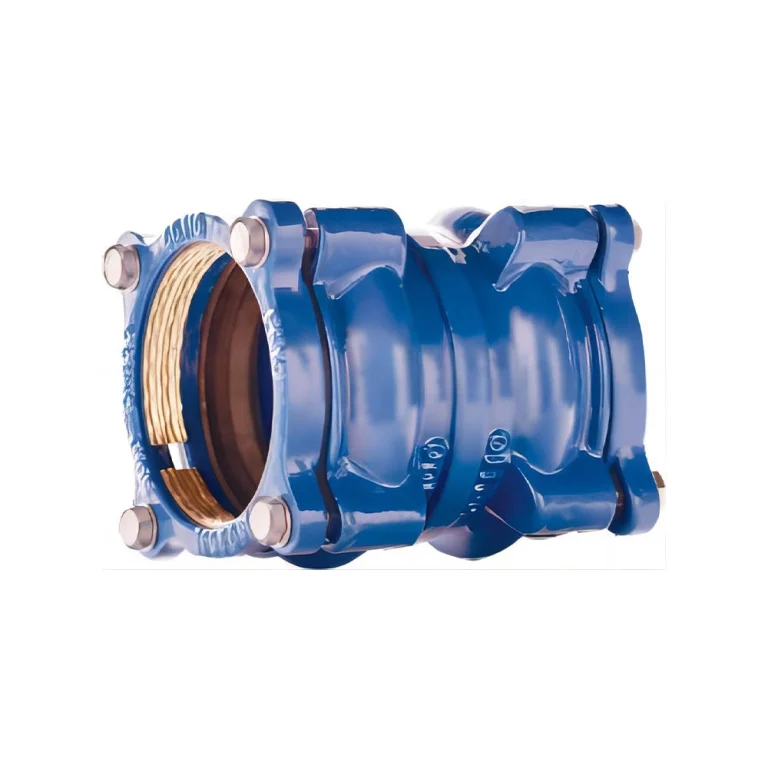
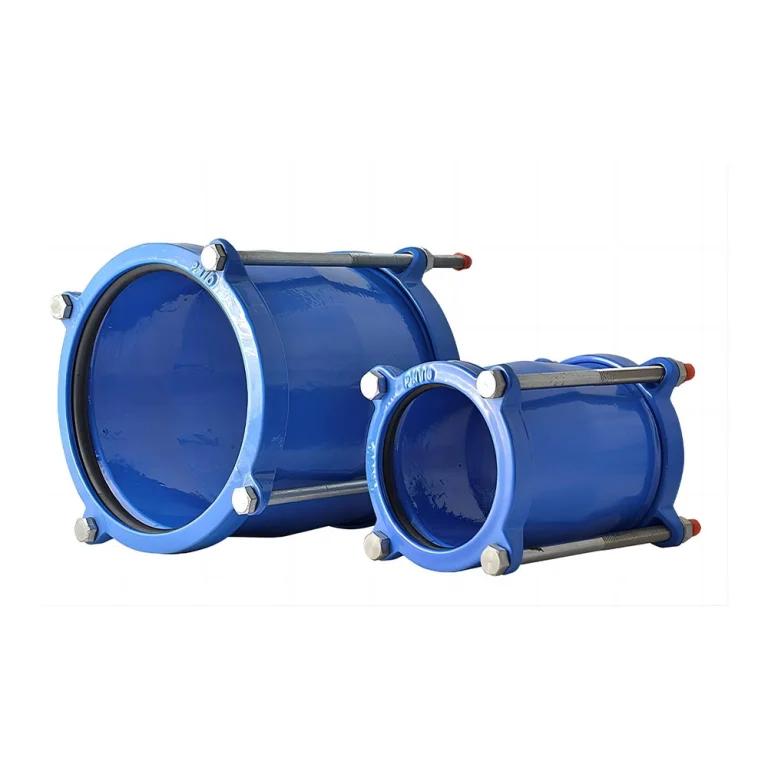
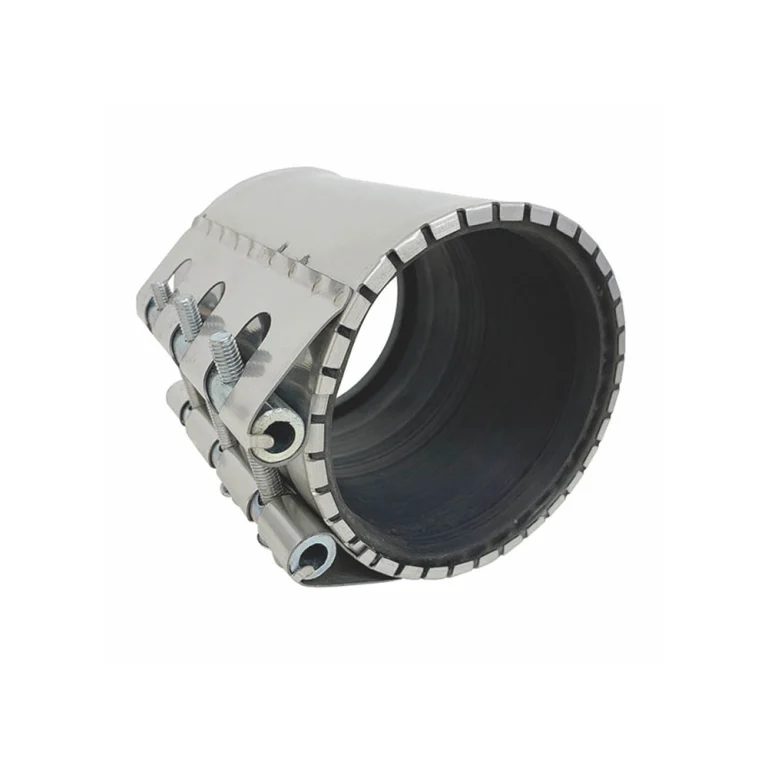
Adattatori rapidi sono costruiti per un uso rapido quando il tempo conta molto. Il loro compito chiave è quello di collegare parti rotte di tubi, spesso in polietilene (PE) o cloruro di polivinile (PVC). E lo fanno senza la necessità di saldatura con solventi, fusione a caldo o strumenti speciali.
Funzionano come:
- Soluzioni di riparazione temporanea o semipermanente per tubazioni danneggiate.
- Connettori rapidi che possono essere installati senza adesivi o tempi di indurimento.
- Sigillanti resistenti alla pressione per sistemi pressurizzati e alimentati da gravità.
Un adattatore ben scelto rende una tenuta tenuta contro l'acqua. Si ottiene il sistema funziona di nuovo velocemente, sia che’ s una perdita idraulica domestica o una linea di irrigazione rotta.
Tipi di adattatori rapidi disponibili
Gli adattatori veloci sono disponibili in diversi tipi. Ognuno si adatta a determinati problemi di tubo:
Adattatori di stile di compressione: Buono per impostazioni a bassa pressione. Questi utilizzano anelli meccanici per tenere saldamente la parete del tubo.
adattatori push fit: Realizzato per una facile installazione in case e piccole imprese. Basta spingere il tubo dentro, non ci sono strumenti necessari.
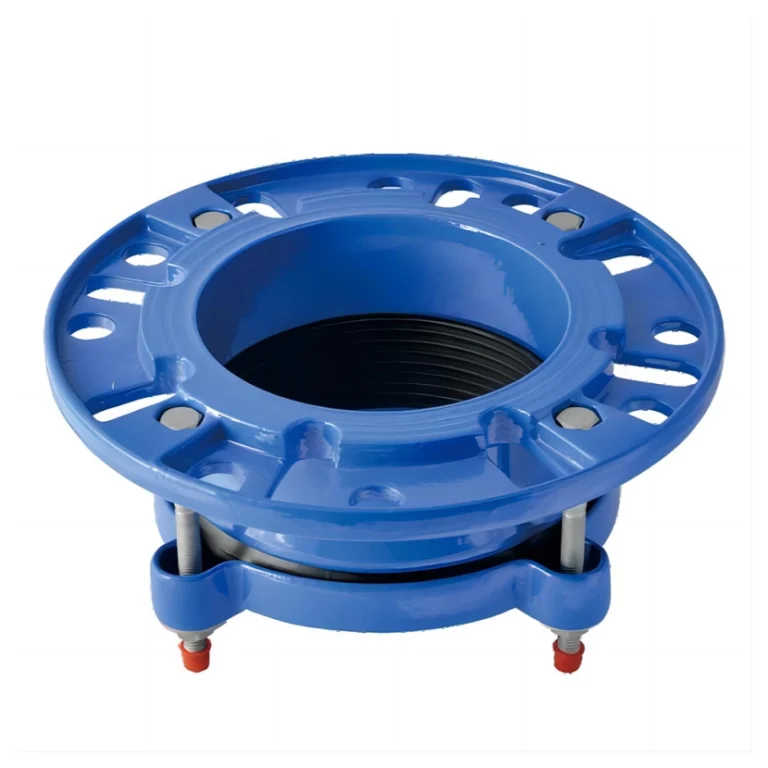
Adattatori meccaniciQuesti includono guarnizioni forti e parti di flangia. Offrono una tenuta solida anche con carichi cambianti o piccoli disallineamenti.
Marche come Conflex concentrarsi sul tipo di giunto meccanico e di compressione adattatori. Forniscono articoli che funzionano con materiali PE e PVC.
Riconoscendo gli scenari di emergenza che richiedono adattatori rapidi
Spruzzi improvvisi o perdite di tubi nei sistemi PE/PVC
Quando una linea d'acqua pressurizzata si divide all'interno di un muro o una fogna sotterranea inizia a perdere, spegnere l'intero sistema potrebbe non avere senso. Gli adattatori rapidi consentono di tagliare e riconnettere immediatamente le sezioni di tubo. Le loro piccole dimensioni sono davvero utili in spazi stretti o sotto pavimenti in calcestruzzo.
Requisiti di bypass temporanei durante la manutenzione del sistema
Nelle aree di costruzione o durante gli aggiornamenti chiave delle strutture, è necessario mantenere l'acqua o le acque reflue in movimento. Gli adattatori veloci spesso aiutano a creare percorsi di bypass a breve termine fino a quando non vengono effettuate correzioni durature.
guasti nei giunti o accoppiamenti dei tubi
Gli spostamenti nel terreno, la configurazione cattiva o i vecchi raccordi possono far strappare le giunzioni. In tali casi, gli adattatori rapidi gestiscono piccoli disallineamenti e tenute usurate. Ritorneranno forza velocemente. E possono rimanere finché non avvengono riparazioni complete.
Criteri per la scelta dell'adattatore rapido adatto
Dimensioni del tubo corrispondente e specifiche del materiale
I tubi in PE e PVC variano non solo per materiale ma anche per diametro esterno e spessore della parete. Scegliere un adattatore che si adatta a queste differenze è importante.
- Conferma sempre la compatibilità SDR (Standard Dimension Ratio).
- Evitare di utilizzare adattatori su dimensioni non standard senza verifica del produttore.
Conflex offre tabelle di dimensionamento che aiutano a garantire il corretto montaggio nella maggior parte delle dimensioni standard dei tubi commerciali.
Valutazione dei requisiti di pressione e temperatura
Ogni adattatore ha una pressione nominale impostata. Assicurati che soddisfi o superi le esigenze del sistema:
| Tipo di sistema | Pressione tipica | Tipo di adattatore raccomandato |
| idraulica residenziale | < 100 psi | Push fit o compressione |
| Irrigazione agricola | 60-120 psi | giunto meccanico con guarnizioni |
| Linee di gravità fognarie | Basso/non pressurizzato | Qualsiasi con sigillature resistenti ai prodotti chimici |
Pensa anche ai cambiamenti di temperatura se il sistema trasporta acqua calda o affronta condizioni meteorologiche estreme.
Valutare la qualità del meccanismo di tenuta
La sigillatura è forte solo come il suo punto più debole. Guardate:
- Materiali a anello torico (EPDM per acqua potabile; NBR per resistenza all'olio).
- Livelli di tolleranza: una lavorazione stretta garantisce una gestione coerente della pressione.
- Resistenza all'esposizione chimica, particolarmente importante nei sistemi di condotte fognarie che trasportano effluenti duri.
Efficienza dell'installazione in condizioni di emergenza
Durante le emergenze, il facile accesso conta più di qualsiasi altra cosa. Scegli Adattatori di flangia che:
- Richiedono strumenti minimi o nessuno.
- Può essere installato senza una pulizia estesa.
- Permettere l'allineamento offset se le estremità del tubo non si allineano perfettamente.
Gli installatori spesso scelgono meno opzioni di strumento da Conflex a causa del loro design semplice e delle prestazioni difficili in situazioni reali.
Procedura per l'applicazione di adattatori rapidi durante le riparazioni
Preparazione delle estremità dei tubi danneggiati prima dell'installazione
Anche quando’ re in fretta, il lavoro preparatorio è la chiave:
- Pulire accuratamente le estremità del tubo: sporco o grasso possono compromettere la tenuta.
- Deburr bordi per evitare il taglio in anelli di tenuta.
- Misurare le lunghezze del taglio con precisione rispetto alle specifiche dell'adattatore per evitare il montaggio a tensione.
Installazione dell'adattatore sul sistema di tubazioni
Segui questi passaggi:
- Allinea l'adattatore centralmente tra le estremità del tubo.
- Inserire ogni tubo completamente secondo gli indicatori di profondità.
- Serrare gradualmente i dadi o le pinze di compressione, alternando i lati se applicabile.
- Evitare il torsionamento eccessivo: può deformare gli anelli di tenuta o crepare il PVC.
Verifica dell'integrità della sigillatura dopo l'installazione
Una volta installato:
- Eseguire una prova di pressione di base, se possibile, 5-10 psi sopra la pressione di funzionamento.
- Monitorare le gocce durante il periodo di funzionamento iniziale.
- Controllare i componenti meccanici dopo 24-48 ore se lasciati in posizione a lungo termine.
Linee guida per un uso efficace in situazioni di emergenza
Garantire che le riparazioni temporanee soddisfino gli standard di sicurezza
Anche le soluzioni a breve termine devono seguire le regole:
- Utilizzare materiali potabili se necessario.
- Luogo, data e tipo di prodotto della riparazione del documento.
- Etichetta chiaramente se sono necessarie ulteriori ispezioni.
Coordinamento con i team di manutenzione per la pianificazione a lungo termine
Adattatori rapidi a flangia dovrebbero iniziare le cose, non prendere il posto di soluzioni a lungo termine:
- Progettare il follow-up entro giorni ove fattibile.
- Mantenere i registri su cosa è stato utilizzato e perché.
- Aggiornare le mappe delle strutture se gli adattatori rimangono in posizione oltre i 30 giorni.
Casi di uso comuni in tutti i tipi di infrastruttura
Sistemi idraulici residenziali con linee di drenaggio in PVC
Dalle trappole del lavandino della cucina alle linee di becca del seminterrato, gli adattatori rapidi sono ideali per:
- Fissazione gomiti in PVC crepata
- Sostituzione di raccordi per tubi in pvc falliti
- Collegare linee bypass temporanee durante le ristrutturazioni domestiche
Reti di canalizzazione comunali utilizzando tubi PE
Gli equipaggi della città impiegano regolarmente adattatori meccanici per:
- Contenimento delle perdite di emergenza
- Segillamento congiunto in condizioni di flusso vivo
- Collegamenti di transizione tra linee vecchie e nuove
Linee di irrigazione agricole che richiedono un ripristino immediato del flusso
Il tempo di fermo fa male alle colture. Gli adattatori rapidi assicurano:
- Riconnessione rapida delle linee laterali
- Riparazioni sul campo senza chiudere intere zone
- Flessibilità in tutte le dimensioni dei tubi poli comuni nei sistemi a goccia
Vantaggi rispetto alle tecniche di riparazione tradizionali
Riduzione dei tempi di inattività durante gli interventi di emergenza
Gli adattatori veloci riducono il tempo di risposta di più della metà rispetto ai giunti saldati con solvente. Nessun tempo di guarigione significa che i sistemi possono tornare online immediatamente dopo l'installazione.
Requisiti minimi per strumenti in condizioni di campo
In punti lontani o aree strette, trascinare l'ingranaggio di fusione termica è’ t pratico. Gli adattatori rapidi risolvono questo problema.
Flessibilità in tutti i materiali e le configurazioni dei tubi
Che si tratti di collegare PE a PVC o di collegare tubi di rating SDR variabili, molti giunti meccanici di Conflex offrono opzioni di doppia compatibilità.
Limitazioni e fattori chiave da considerare
Preoccupazioni sulla durata dell'uso prolungato
Mentre alcuni adattatori rapidi resistono bene nel tempo, altri sono destinati solo per un uso breve. Controllare sempre quello che dice il produttore.
Problemi di compatibilità con tubi non standard
Se la tubazione non soddisfa le specifiche standard OD/ID, la tenuta può essere compromessa anche se l'adattatore si adatta fisicamente.
Limitazioni di pressione potenziale
Non tutti gli adattatori gestiscono alte pressioni ( > 150 psi). Utilizzarli in tali sistemi senza conferma rischia un guasto improvviso.
Domande frequenti
Q1: Gli adattatori rapidi possono essere riutilizzati?
Non tipicamente, la maggior parte è progettata per installazioni monouso a causa dell'usura delle tenute durante la rimozione.
Q2: Gli adattatori rapidi sono adatti per le linee di gas?
Solo se sono specificamente valutati per il servizio di gas. Verifica sempre con il produttore.
Q3: Quanto tempo posso lasciare un adattatore rapido in posto?
dipende dal tipo; Alcuni sono valutati per l'uso a lungo termine mentre altri dovrebbero essere sostituiti entro settimane.
Q4: Posso installare un adattatore rapido sott'acqua?
Alcuni progetti consentono installazioni umide, ma controlla prima le specifiche del prodotto.
Q5: Ho bisogno di spegnere l'acqua prima di installare?
Sì, a meno che tu’ re usando una morsa speciale come un raccordo di riparazione del rubinetto in diretta. Assicurare sempre la sicurezza prima.
 Italian
  English
  Arabic
  Chinese
  French
  German
  Indonesian
  Kazakh
  Kyrgyz
  Portuguese
  Russian
  Spanish
  Swahili
  Uzbek
Uzbek