


London’s municipal water distribution system consists of multi-generation legacy cast iron pipelines that have exceeded their original design service life per BS EN 545 water pipeline standards. Corrosion-induced high-pressure leakage is the most frequent failure mode of century-old cast iron mains. Although these pipes delivered stable performance upon installation, long-term oxidation renders pipe walls brittle.
Seasonal soil moisture fluctuation triggers ground displacement: clay soil shrinks in dry seasons and swells during rainy periods, generating continuous mechanical stress on rigid Victorian pipe joints with zero flexibility.
Minor longitudinal cracks and pinhole defects expand rapidly under constant internal water pressure (typically 4–8 bar / 58–116 psi). Without effective sealing solutions, micro-fractures evolve into full pipe bursts within 2–3 days, triggering road collapse, urban water supply interruption and massive non-revenue water (NRW) waste. This aging pipeline crisis exists not only in London but also in most European, North American and Australian cities with legacy iron water networks.
Critical Analysis of Traditional Repair Limitations
The standard approach of “dig and replace” is reaching its breaking point in modern urban management. We cannot simply shut down a major artery like the A1 or a busy street in Soho every time a pipe weeps.
Why Conventional Methods Often Fall Short in Urban Settings
Full excavation and pipe replacement is economically and operationally unviable for dense urban municipal districts. This conventional repair method brings three core pain points for water utility authorities:
Excessive comprehensive cost: Including excavation labor, road resurfacing, traffic diversion and auxiliary utility protection;
Multi-utility construction conflict: Narrow underground corridors accommodate fiber optic cables, natural gas pipelines and power cables simultaneously, leaving limited operating space for pipeline renovation;
Poor anti-settlement performance: Welded joints and rigid steel sleeves cannot absorb vertical or lateral ground subsidence. Differential soil movement concentrates bending stress on the repair boundary, triggering secondary pipe cracking within 1–3 years after maintenance.
In addition, full pipeline depressurization requires 12+ hours of water supply suspension, which generates resident complaints, increases NRW loss and risks secondary water contamination caused by negative pipeline pressure. For 24-hour operating urban areas, long-term water shutdowns fail to meet modern municipal operation standards.
Selecting Durable Solutions for Rapid Infrastructure Restoration
The shift toward specialized mechanical fittings has changed the way we handle these emergencies. Instead of looking at a pipe as something to be replaced, we look at how to stabilize it.
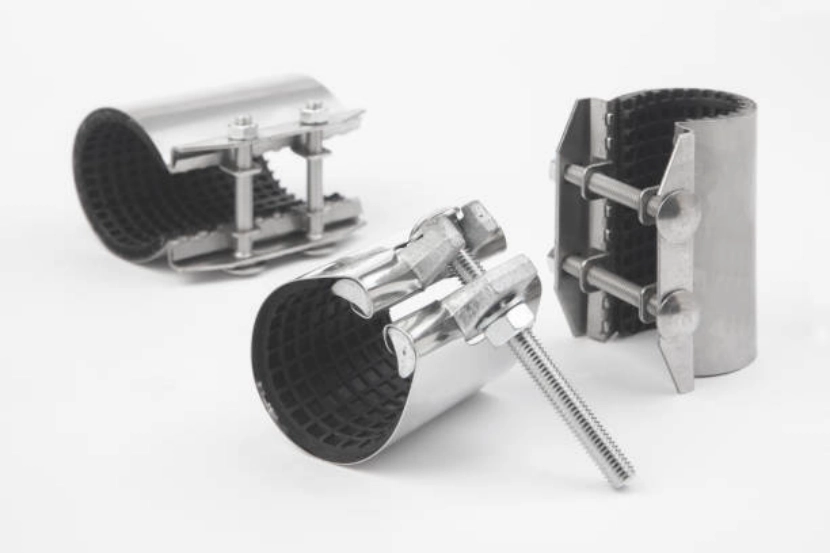
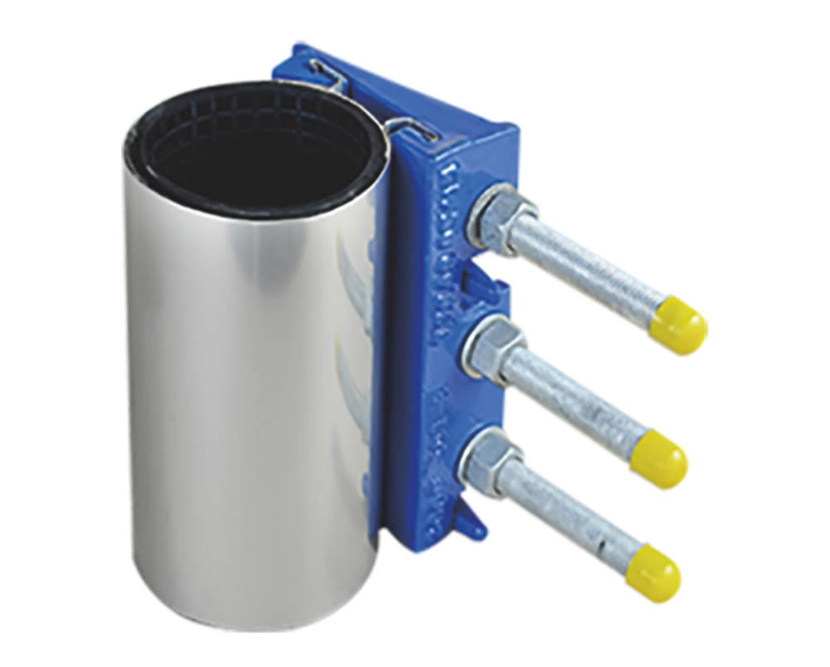
Stainless steel pipe repair clamp products offer a high performance alternative for sealing leaks without replacing entire sections. These are not temporary bandages; they are engineered for longevity. Conflex’s оңдоо clamp design ensures a full circle seal, effectively managing both pinhole leaks and full circumference breaks. By using a 360 degree compression method, the load is distributed evenly, which is vital when dealing with old, fragile cast iron. Utilizing high grade EPDM gaskets provides long term resistance to chemicals and temperature fluctuations common in municipal lines. This rubber to metal interface absorbs the micro-vibrations of the city, preventing the seal from backing off over time.
Matching Clamp Specifications to Diverse Pipe Materials
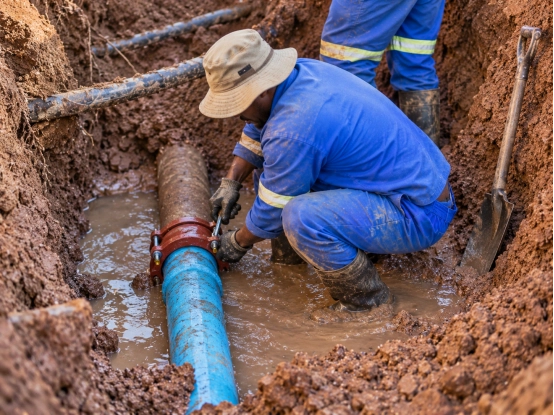
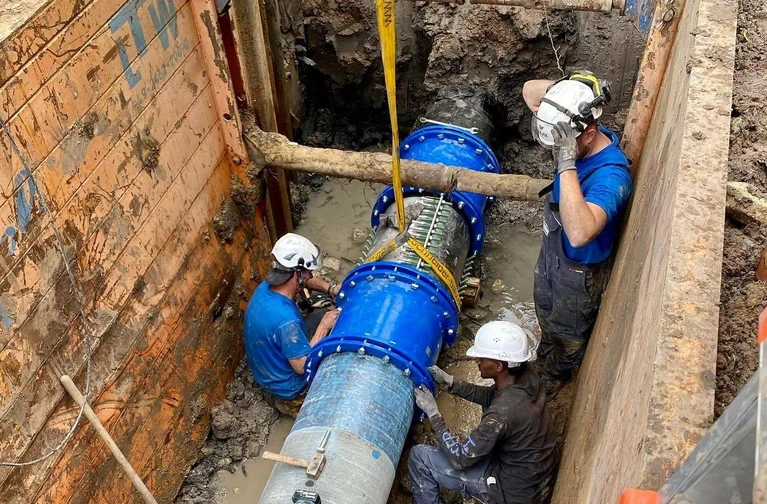
Municipal networks often consist of a mix of ductile iron, PVC, and steel, requiring versatile repair fittings. You might start a trench expecting cast iron and find a section of asbestos cement or modern HDPE from a previous repair. Conflex products are engineered with adjustable range capabilities to fit various outer diameters and surface irregularities. This versatility is a lifesaver for crews who can only carry so much inventory on a single truck. The lightweight construction of these clamps allows for easier installation in cramped trenches or difficult to reach urban utility corridors. When a technician is waist deep in mud under a sidewalk, the last thing they need is a heavy, multi-part fitting that requires three hands to align.
How Do Modern Repair Clamps Improve Long Term Network Resilience?
Resilience isn’t just about fixing a hole; it’s about ensuring the repair site doesn’t become the next failure point in five years.
Achieving Permanent Seals Through Advanced Tensioning
Precision engineered bolts and lug systems ensure uniform pressure distribution across the pipe surface. This prevents “point loading,” which is the primary cause of pipe crushing during repair. The structural integrity of the stainless steel shell prevents future corrosion at the repair site, effectively “armoring” the vulnerable section. There is also the benefit of reducing “water hammer” impact by providing a slightly flexible yet secure connection point. By allowing for a tiny amount of axial movement, the clamp acts as a shock absorber for the hydraulic surges that occur when pumps start or valves close elsewhere in the grid.
Operational Benefits of Non-Disruptive Maintenance
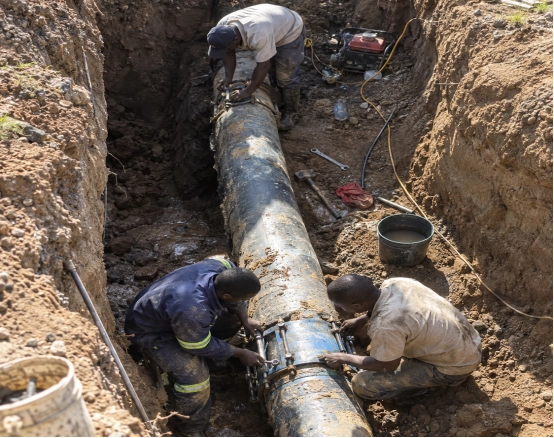
The biggest operational advantage of Conflex repair clamps is live under-pressure installation without full pipeline depressurization. Municipal teams can complete leak sealing without suspending residential water supply, eliminating three major hidden risks:
1.No need to issue boil-water advisories caused by pipeline vacuum negative pressure;
2.Avoid sediment backflow and microbial contamination inside water mains;
3.Cut repair working hours by over 75% and reduce road excavation area by 80%.
Small-scale pavement breaking minimizes asphalt restoration, heavy machinery fuel consumption and public traffic obstruction. By extending the service life of existing water assets by 20–50 years, cities can delay large-scale full network overhaul and significantly lower long-term municipal infrastructure investment.
Көп суралган суроолор
Q: Can a pipe repair clamp be used on a pipe that is completely snapped?
Yes, specifically designed full circle clamps like the Conflex models are capable of bridging a complete break, provided the pipe ends are properly aligned and the gap isn’t excessive.
Q: How long can I expect a stainless steel repair clamp to last underground?
When using high grade 304 or 316 stainless steel with an EPDM gasket, these repairs are often rated for 20 to 50 years, depending on soil acidity and the condition of the host pipe.
Q: Does the pipe need to be perfectly clean before installation?
While you don’t need a mirror finish, you must remove loose scale, rust, and dirt. The smoother the surface, the better the EPDM gasket can seat and create a hydraulic seal.
Q: Is it possible to install these while the water is still flowing?
Absolutely. One of the primary advantages of this technology is “live” installation, which avoids the air pockets and sediment movement associated with shutting down a line.
 Kyrgyz
  English
  Arabic
  Chinese
  French
  German
  Indonesian
  Italian
  Kazakh
  Portuguese
  Russian
  Spanish
  Swahili
  Uzbek
Uzbek