




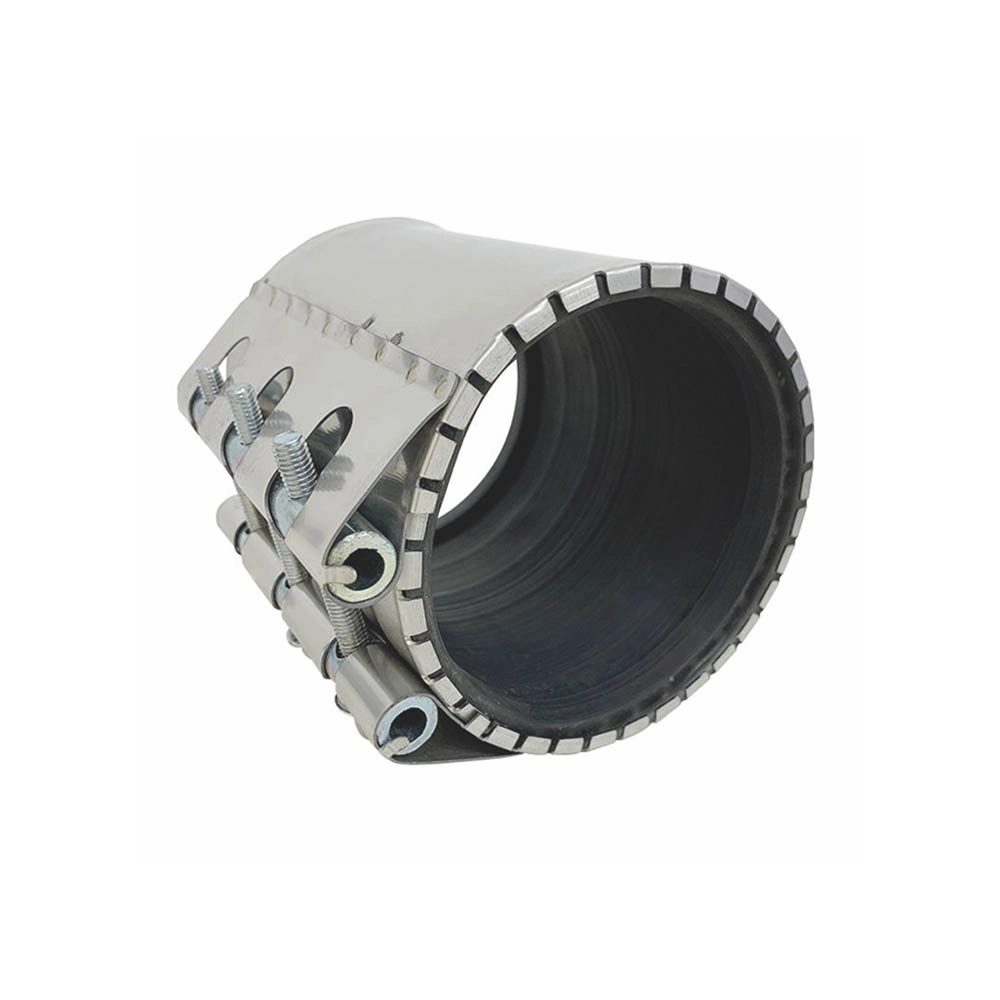
Pipelines form the core of today’s setups. Still, tiny setup mistakes can bring high-cost halts and fixes. Misalignment to rust hits every build part. Each needs exact care and ahead thinking. The top way to stop these troubles is knowing their base reasons. Then put in tested link fixes like pipe couplings, rubber expansion joints, and repair clamps. These hold the setup solid under push.
Misalignment and Difficult Fit-Up
Causes of Misalignment
Misalignment starts way before welding kicks off. Wrong size checks or bad plans spark a row of issues. That touches the full system. Rough dirt or wobbly bases nudge pipe holds off line. At the same time, off cuts or welds add angle slips. These make joins tough. In huge jobs, a mere few mm wrong pulls hard at each join spot.
Solutions for Misalignment
To fix misalignment, engineers lean on bendy parts built to soak up shifts:
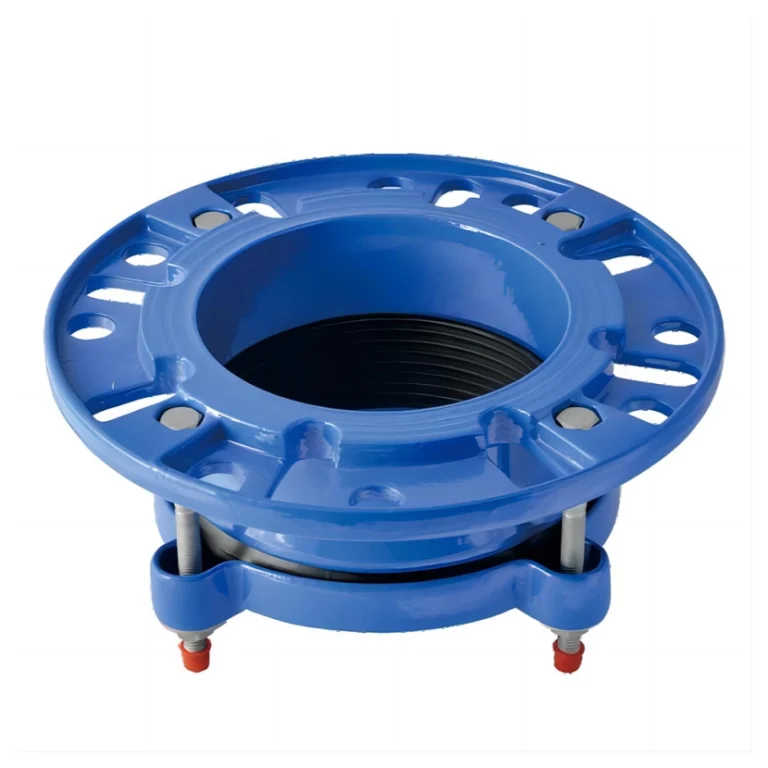
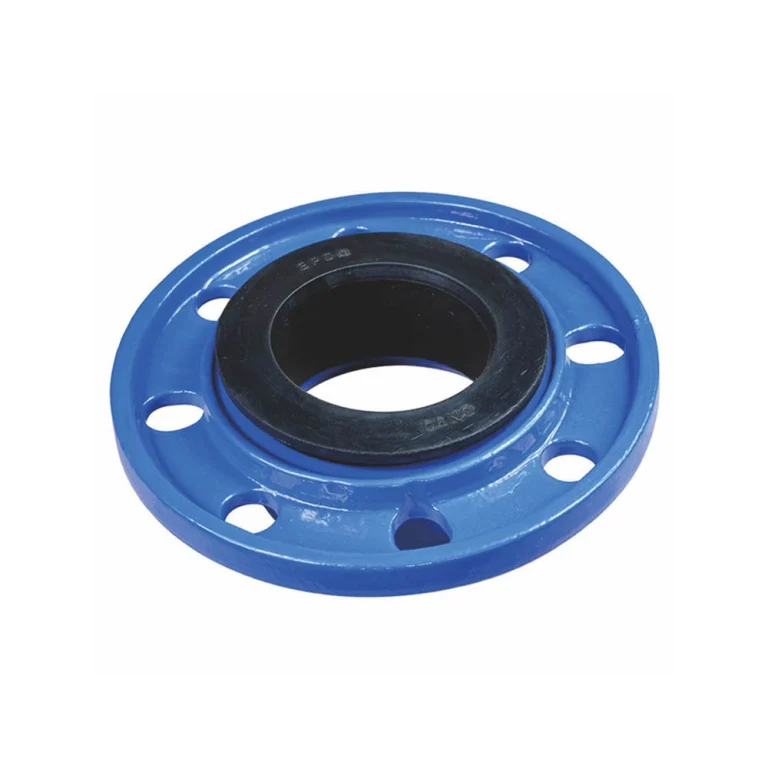
- Flange adaptorshelp connect pipes with slight angular or axial differences.
- Dismantling jointssimplify adjustments during installation or maintenance.
- Sliding sleeves or expansion кубаттууларaccommodate minor positional variations without compromising sealing performance.
A manufacturer like Conflex, known for its industrial pipeline connection and maintenance products, produces a wide range of these fittings that allow installers to achieve precise alignment even in challenging site conditions.
Persistent Leaks at Flanges and Connections
Common Causes of Leaks
Flange leaks top the list of usual pipe fails. They stem from bad gasket picks or sloppy setup. Uneven bolt turns make spot pressure builds. This lets juice leak out. With time, grind and chem hits wear down seals. Thus they drop skill to keep shut.
Solutions to Prevent Leaks
Stopping leaks calls for stuff know-how and steady steps:
- Choose the right gasket material for temperature, pressure, and media compatibility.
- Follow torque sequences recommended by manufacturers to ensure even compression.
- Conduct regular inspections and replace aging gaskets before they fail.
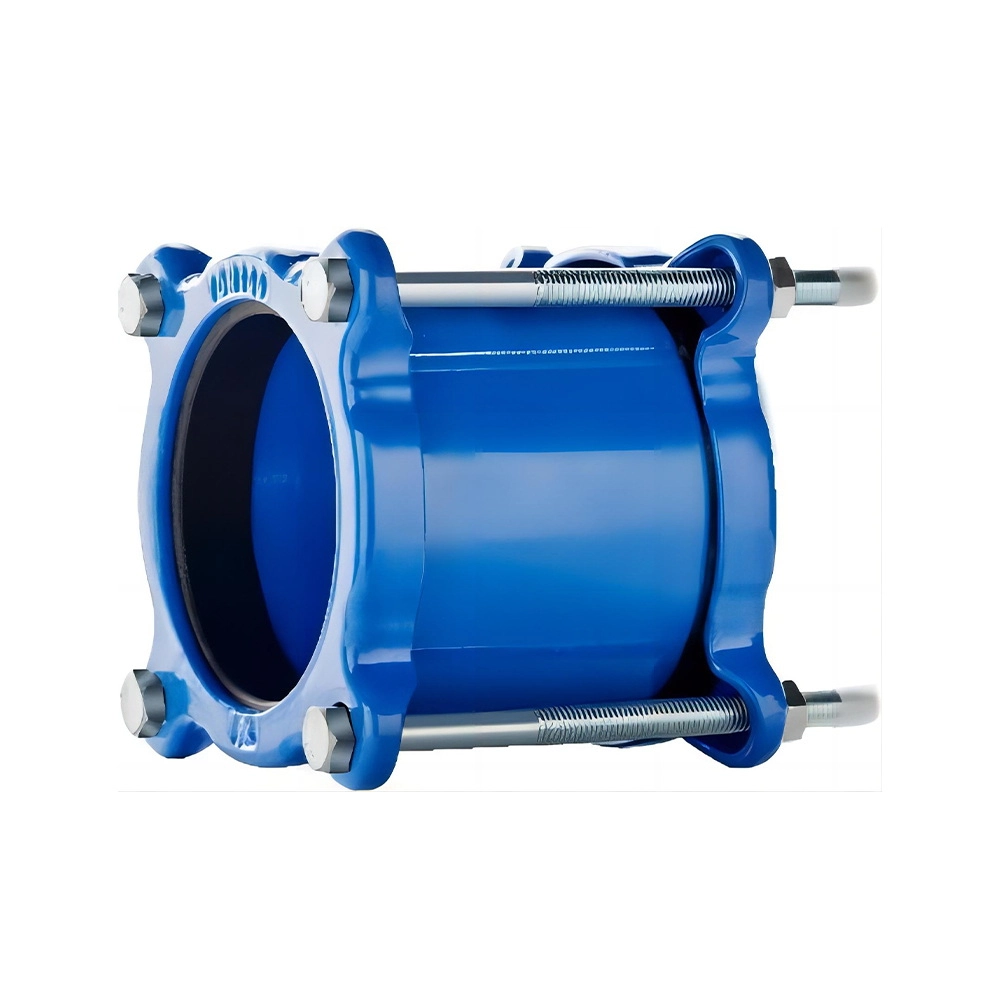
Often, a pipe coupling with built-in seal bits gives a better pick over stiff flange ties. It spreads weight smooth around the pipe edge.
Thermal Expansion and Contraction Causing Stress
Understanding Thermal Expansion Effects
Temp swings make pipes grow in heat and shrink in cold. Bit by bit, this back-and-forth pulls on joins and anchors. If plans ignore it, cracks or leaks pop up. This bites worst in long lines hit by sun or hid under dirt with heat ups and downs.
Solutions for Managing Thermal Expansion
To deal with this everyday thing:
- Install rubber expansion jointsthat absorb axial movement while isolating vibration.
- Use sliding supports so pipes can move freely without transferring force to connected equipment.
- Design expansion loops into the layout where space allows for controlled flexibility.
Such steps stretch setup years by easing pull on welds and seals.
Corrosion and Material Incompatibility
Factors Leading to Corrosion
Rust hides until too late. Water slips in, chem hits, or mixed metals spark power reactions. These gnaw at metal skins. If wrong stuff joins, say carbon steel to stainless, rust speeds rot at meet spots.
Solutions for Corrosion Prevention
Good stop plans cover:
- Selecting materials resistant to environmental conditions such as saltwater or acidic vapors.
- Applying protective coatings like epoxy or zinc-based primers.
- Using isolation fittings between dissimilar metals to break electrical continuity.
Companies like Conflex supply coated fittings and isolation accessories specifically engineered for harsh industrial environments where corrosion control is critical.
Emergency Repair Needs (Burst or Large Leak)
Identifying Emergency Situations
If a pipeline bursts or gets a big leak, quick reply matters most. Hints show as fast drops in pressure checks or seen water gathers near hid lines. Fast spot cuts loss of goods and harm to land.
Solutions for Emergency Repairs
Urgent fixes bank on quick-set parts:
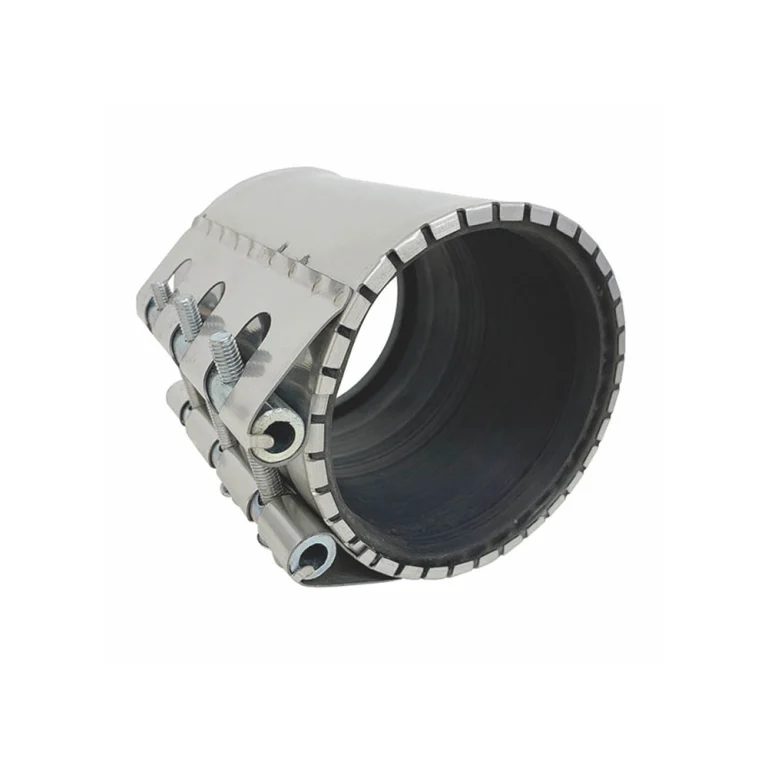
- Pipe repair clampsprovide immediate sealing without shutting down the entire line.
- Split couplings serve as temporary connectors until permanent replacements arrive.
- A temporary bypass system maintains flow while damaged sections are isolated.
These speedy patches keep key work going. They give space for full fix jobs.
Best-Practice Installation Checklist
Key Considerations Before Installation
Prep sets the win:
- Verify all measurements match design specifications.
- Confirm material grades meet project requirements.
- Inspect tools—especially torque wrenches—for calibration accuracy.
Steps During Installation
In build time:
- Follow manufacturer instructions precisely for each component type.
- Double-check alignments before tightening bolts permanently.
- Record torque values as part of quality documentation; it’s tedious but invaluable later when troubleshooting leaks or distortions.
Troubleshooting Quick Reference
| Issue | Likely Cause | Quick Fix |
| Misalignment | Uneven support surface | Adjust using flexible adapters |
| Leaks | Gasket wear or uneven torque | Reseat gasket; retorque bolts evenly |
| Thermal stress | No allowance for expansion | Add rubber expansion joint |
| Corrosion | Material incompatibility | Install isolation fitting |
| Burst section | Mechanical damage | Apply pipe repair clamp |
Skilled groups still hit surprise snags at start-up now and then. A set guide like this cuts stop time a lot.
For all your pipeline installation and maintenance needs, trust Conflex for high-quality fittings, couplings, and expansion joints. Contact us today to ensure your pipeline system is built to last!
FAQs
Суроо: What is the main purpose of a pipe coupling?
It connects two sections of pipe securely while allowing flexibility against vibration or slight misalignment.
Суроо: How does a rubber expansion joint reduce stress?
It absorbs movement caused by thermal expansion, vibration, or pressure fluctuations within the pipeline system.
Суроо: When should I use a pipe repair clamp?
Use it immediately after detecting a leak or crack as a temporary containment measure until permanent repairs are completed.
Суроо: Can corrosion be completely prevented?
Not entirely, but selecting proper materials and coatings significantly slows its progression and extends service life.
Суроо: Why is bolt torque important in flange connections?
Uneven torque creates pressure imbalances across the gasket surface, which often leads to premature leakage under operating conditions.
 Kyrgyz
  English
  Arabic
  Chinese
  French
  German
  Indonesian
  Italian
  Kazakh
  Portuguese
  Russian
  Spanish
  Swahili
  Uzbek
Uzbek