




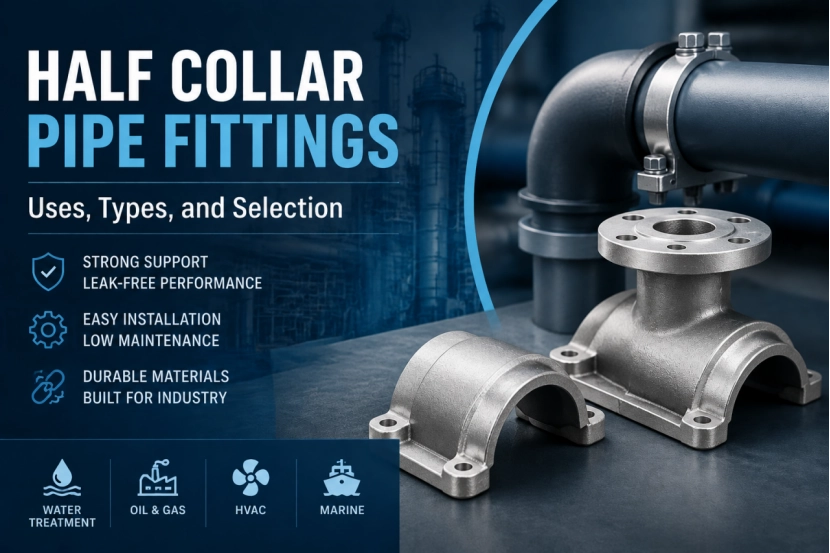
Half collar pipe fittings might seem simple at first. Yet they quietly handle a vital job in industrial piping setups. They keep systems safe and running smoothly. Think of water treatment facilities, oil refineries, or HVAC setups. These fittings hold pipelines together under strain. They prevent leaks and cut down on unwanted stops in operations. Picking the correct kind—like an elbow half collar, straight half collar, or flange tee half collar—really boosts reliability. It also makes upkeep much easier.
What Are Half Collar Pipe Fittings
A half collar pipe fitting acts as a half-round connector. It links or strengthens pipeline parts. Full collars encircle the whole joint. Half collars, however, only cover a portion of the circle. This gives needed support without extra weight. People often use them to reinforce couplings or as repair sleeves on current lines.
Builders choose materials based on the job. Stainless steel fights off rust well. Carbon steel handles heavy loads under pressure. Ductile iron brings bendability and saves money. Each choice brings its own perks in toughness and fit with liquids like water, oil, or gas.
Importance in Industrial Piping Systems
Half collar pipe fittings fill key roles in industrial pipe networks. They create tight seals by backing joints. This keeps the system solid during tough conditions. Sometimes full collars feel too much or hard to fit—like in cramped spots or short-term jobs. Half collars provide a practical option then.
These fittings work well in many fields. Water systems use them for firm branch links. Oil and gas jobs rely on them for moving fluids under high force. HVAC setups need them to guide air or liquid flows evenly.
Their small size makes setup simple. At the same time, they hold strong mechanically. That’s vital when every lost minute hits production hard.
Common Types of Half Collar Pipe Fittings
Various jobs demand different shapes. Popular ones include elbow half collars, straight half collars, and flange tee half collars. Each fits unique spots in tricky pipe arrangements.
Жарым жайка жайка жайка жайка жайка жайка жайка жайка жайка жайка жайка жайка жайка жайка жайка жайка жайка жайка
An жарым жайын joins pipes at an angle—often 45° or 90°. It lets lines turn without losing strength. You find it handy in tight spots. Pipes there must curve quickly but resist pressure.
In plumbing, it guides routes around barriers like walls or machines. Factories employ elbow half collars to shift flow directions. This avoids rough currents that might slow things down or wear parts out fast.
Straight Half Collar
For linking straight pipe runs firmly, grab a түз жарым жайын. It bolsters the connection. It also takes in shakes and forces—a big issue in high-pressure spots like hydraulic lines or chemical plants.
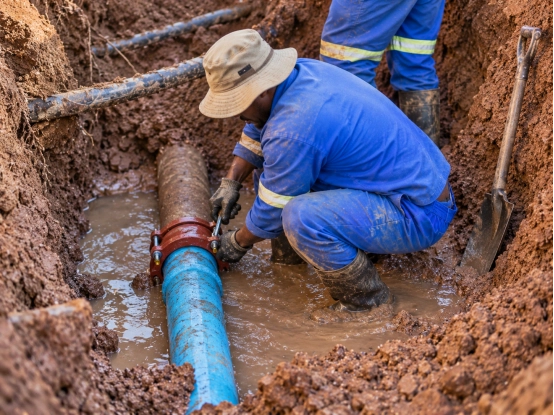
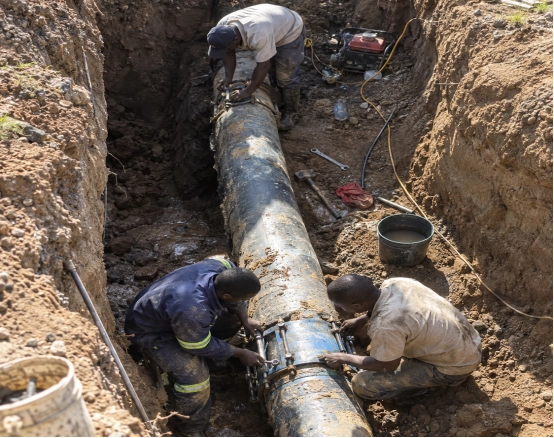
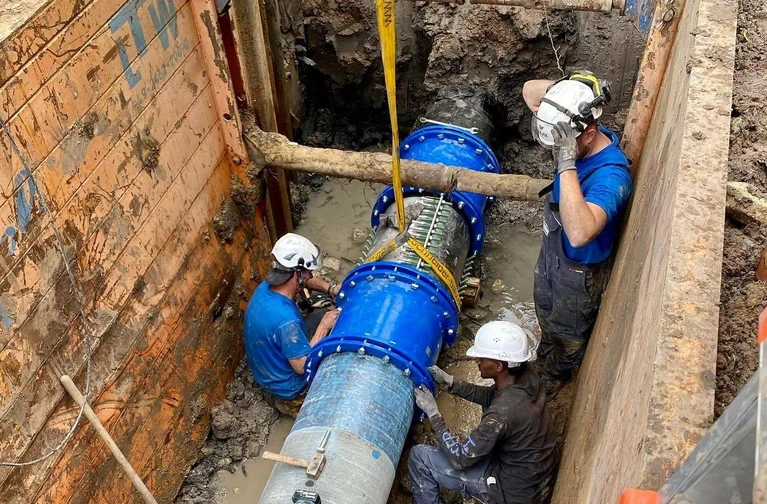
Its basic form suits fast fixes. Workers can place one over a hurt area. They skip taking apart long pipe runs. That helps a lot in urgent fixes.
Flange Tee Half Collar
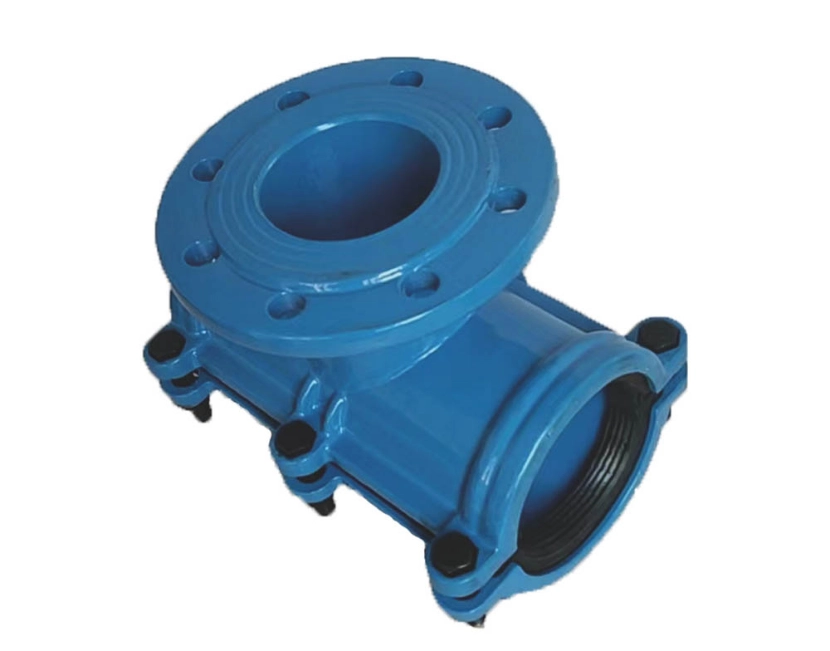
The фланж Tee жарым жайын mixes a tee’s split path with a half collar’s firm hold. This setup lets you add side lines without halting the whole system. It’s a real plus in nonstop fields like petrochemicals or food handling.
It gives simple spots for checks or tool hookups. In plants where you must watch flow closely, flange tee half collars bring ease and trust.
Key Uses of Half Collar Pipe Fittings in Industry
In different areas, these fittings do more than connect. They improve safety, speed, and care over the pipe’s full life.
Applications Across Different Sectors
Half collar pipe fittings show up in city works to tough industries.
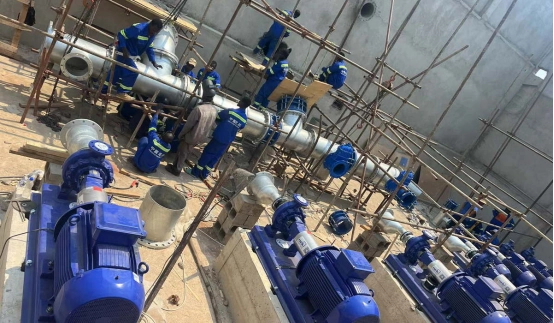
- Water treatment plants use them to link supply pipes and output groups.
- Oil and gas lines depend on them for joints that endure wild pressure shifts.
- HVAC grids count on them for even liquid spread with low leak chances.
- Marine work uses them to guard against salt water’s bite while keeping strength.
Every use prizes their steady work in varied settings.
Benefits in Installation and Maintenance
Engineers like these fittings for their easy setup. Many types clamp or bolt on. You avoid welding, which cuts work time and risks from hot tasks.
For regular care, consider this: assembly needs few tools. You can swap out bad spots fast. Leaks stay low even with shakes or heat stretches.
Such ease means less time offline. That’s huge for round-the-clock operations watching costs closely.
How to Select the Right Half Collar Fitting for Your Project
Choosing the best fitting goes beyond just size. You must weigh several tech details that shape lasting results.
Factors to Consider Before Purchasing
Material Compatibility
Match the fitting’s material to what flows inside your pipes. For instance, water pairs well with stainless steel or ductile iron. Oil works best with carbon steel. Gas needs alloy steel or stainless steel.
| Medium | Recommended Material |
| Water | Stainless Steel / Ductile Iron |
| Oil | Carbon болот |
| Gas | Alloy Steel / Stainless Steel |
Wrong matches can spark rust from clashing metals or early breakdowns.
Pressure and Temperature Ratings
Fittings have clear limits for safe use. Going over them might weaken seals or bend surfaces slowly. Check the maker’s info sheets before fitting them in.
Connection Type and Size Accuracy
Exact fits count a lot. A small gap between pipe size and fitting hole can lead to poor alignment or drips. Stick to standards like ANSI B16.9 or DIN EN 10253 when buying parts.
Working with Conflex
Team up with solid suppliers for steady quality in your work. Conflex makes exact half collar pipe fittings for harsh industrial spots. Our lineup covers elbow half collars, straight half collars, and flange tee half collars. All focus on lasting power and rust resistance. We offer custom builds too, if standard sizes don’t match your special needs.
Maintenance Tips for Long-Term Performance of Half Collars
Strong parts still require steady attention for top results over time.
Inspection and Cleaning Practices
Check regularly for early trouble signs. Look for rust marks, splits by weld lines, or slack bolts at flange spots. Clean to stop buildups from chemicals or grit that block seal areas. This matters especially in water systems where hard minerals pile up often.
Replacement Guidelines for Worn Components
If harm runs deeper than surface scratches—like deep pits from rust or bent shapes—swap the parts right away. Don’t let leaks grow to linked areas. Get true replacements from trusted manufacturers like Conflex. This keeps sizes right and fits the system well.
FAQs
Q1: What is the main difference between a full collar and a half collar fitting?
A full collar wraps completely around a joint while a half collar covers only part of it, making it lighter and easier to install where full coverage isn’t necessary.
Q2: Can I use stainless steel half collars in oil pipelines?
Yes, stainless steel offers excellent corrosion resistance; however, carbon steel may be more economical if corrosion control measures are already in place.
Q3: How do I know if my pipeline needs an elbow half collar?
Use an elbow type whenever your pipeline changes direction sharply but still requires strong mechanical support at the bend point.
Q4: Are flange tee half collars suitable for high-pressure applications?
They can handle moderate-to-high pressures depending on material grade and design; always check rated specifications before use.
Q5: What maintenance schedule should I follow for industrial pipe connectors?
Inspect every six months under normal conditions; increase frequency if exposed to corrosive media or high vibration environments.
 Kyrgyz
  English
  Arabic
  Chinese
  French
  German
  Indonesian
  Italian
  Kazakh
  Portuguese
  Russian
  Spanish
  Swahili
  Uzbek
Uzbek