



Adaptadores de flange e flanges de extremidade de peça podem parecer semelhantes em um olhar, mas suas diferenças em estrutura, montagem e função podem levar a desempenho dramaticamente diferente em sistemas de tubagem industrial. Para engenheiros e planejadores de manutenção, entender essas diferenças é fundamental – adaptadores de flange fornecem instalação simplificada, enquanto os extremos de peça oferecem capacidades superiores de desmontagem e inspecção.
Características Visuais e Estrutura Componente
Diferenças no Design Físico
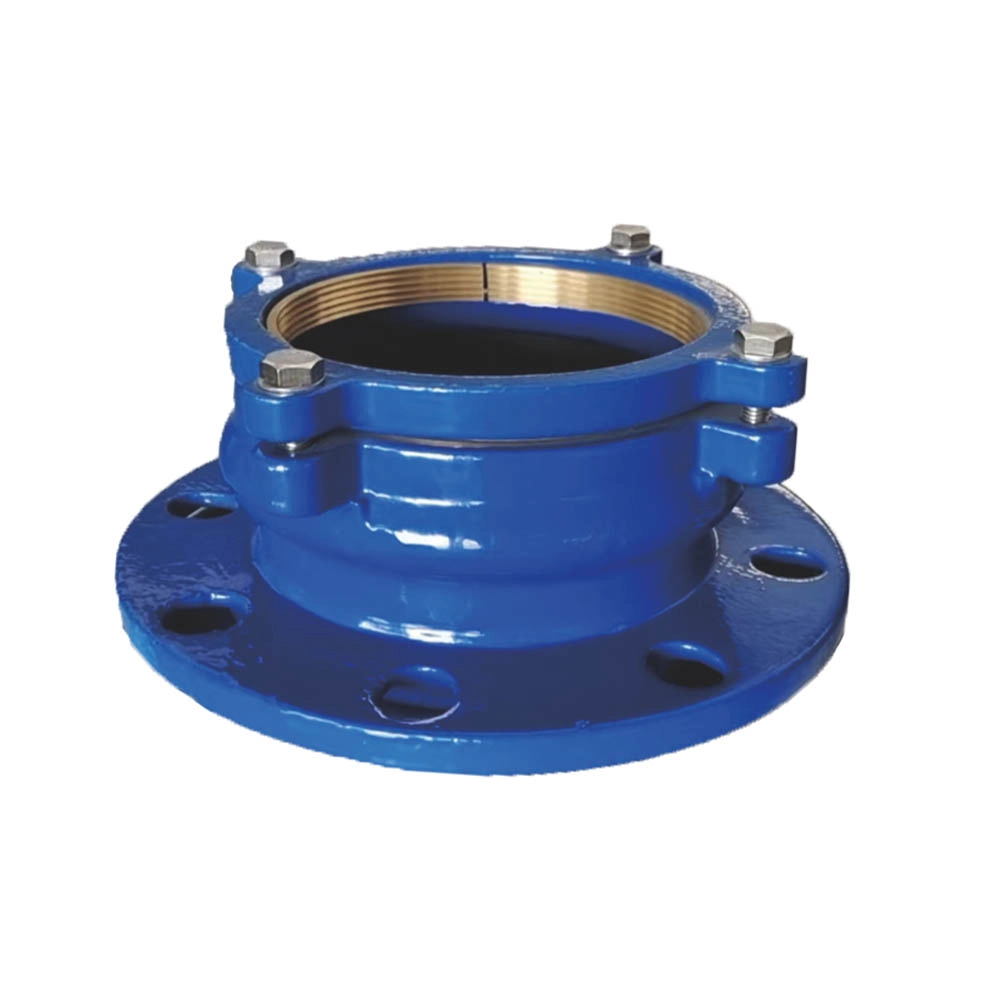
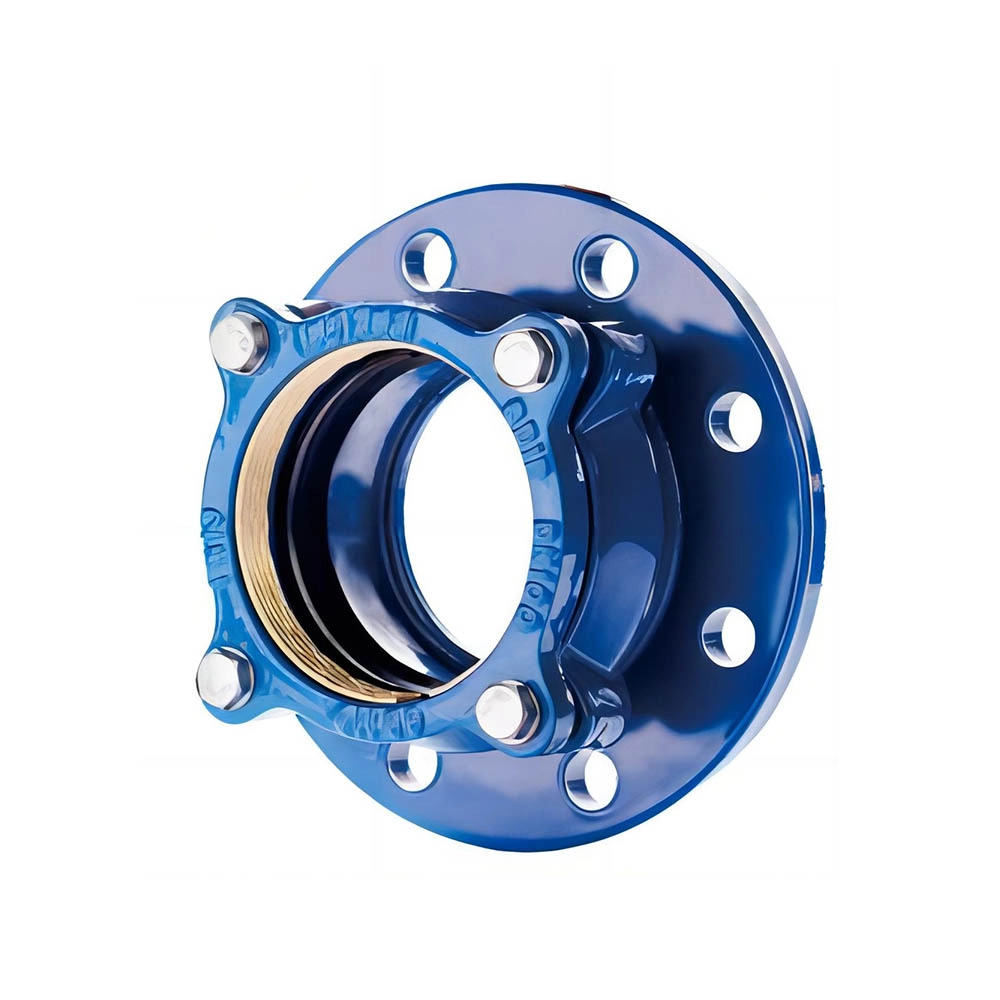
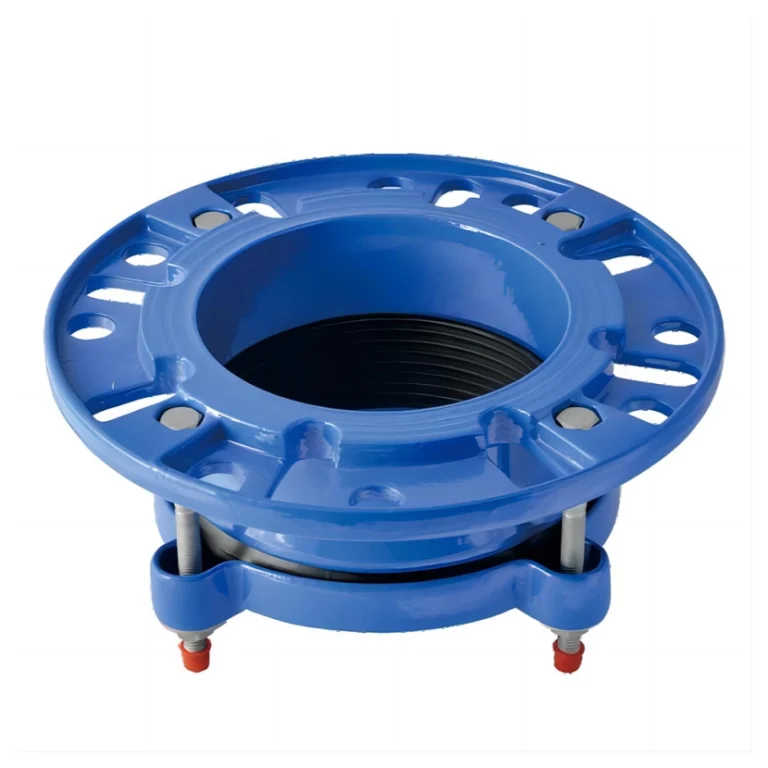
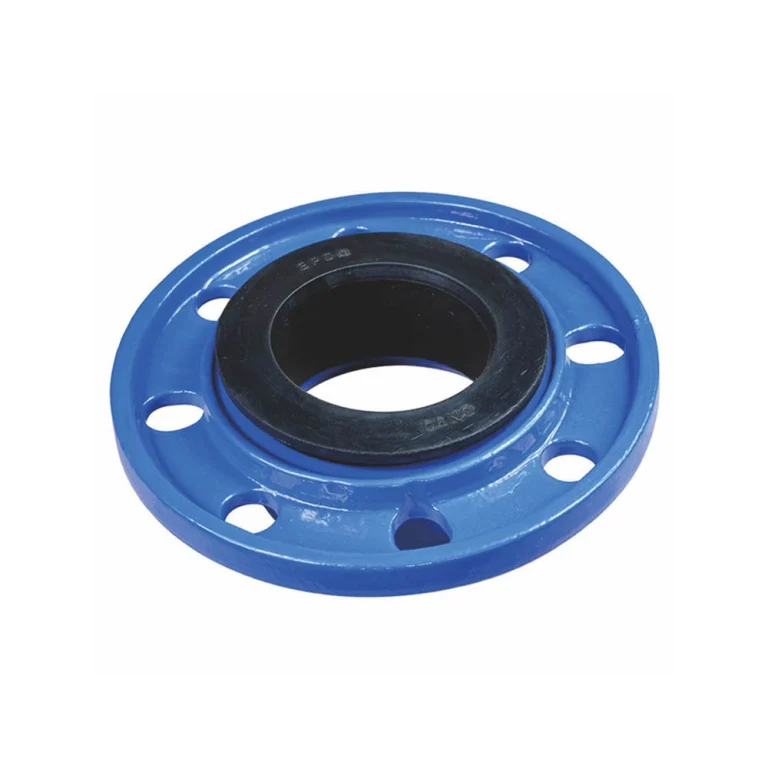
Adaptadores de flange são tipicamente componentes sólidos, de um pedaço que imitam a face de uma flange e são frequentemente usados para conexão direta a outros equipamentos flangeados. Em contraste, os extremos de peça consistem em um curto comprimento de tubo com um extremo inflamado que requer uma flange de apoio separada para completar a conexão.
A geometria da superfície de casamento também difere. Um adaptador de flange tem uma face integral que se alinha diretamente com a flange de parejar, fornecendo contato imediato de selagem. No entanto, as peças terminam, dependendo da flange de apoio para aplicar pressão através da articulação gasquetada através do extremo do tubo inflamado.
Método de montagem e Compatibilidade
Uma distinção funcional chave é que adaptadores de flange podem se conectar diretamente a uma flange de tubo de acoplamento sem partes adicionais. Isso simplifica a instalação, particularmente em sistemas que utilizam tubos de ferro plástico ou dutil. O produto é usado para conectar o tubo PE com tubo metal ou válvula, fluímetro, medidor de pressão e outros equipamentos auxiliares.
O fim das coisas requer mais passos. Eles devem ser suavizados para o tubo de anfitrião – geralmente através da suavização de traseiro – e então combinados com uma flange de apoio solta que facilita a suavização. Este método de montagem permite flexibilidade no alinhamento mas envolve mais componentes e tempo.
A compatibilidade material também varia. - Adaptadores de flange são comumente usados em sistemas termoplásticos como PVC ou HDPE, enquanto os extremos de peça são padrões em sistemas metálicos ou revestidos como aço inoxidável ou aço de carbono revestido por PTFE.
Rôlos Funcionais e Características de Performance
Aplicações Tipicas em Sistemas de Piping
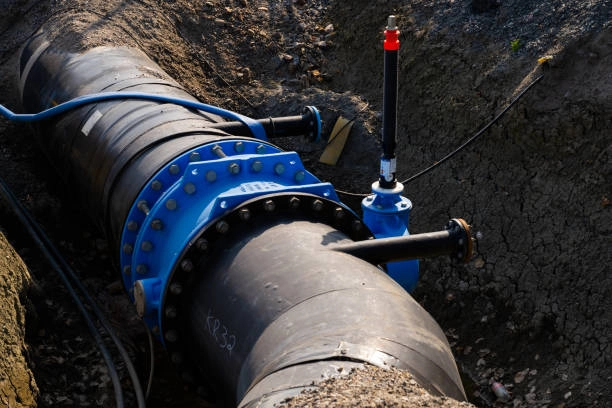
Adaptadores de flange brilham em aplicações utilitárias e municipais, particularmente quando instalação rápida ou eficácia custo é uma prioridade. Por exemplo, as instalações de tratamento de água frequentemente preferem adaptadores de flange de ferro dutil devido a sua resistência à corrosão e acessibilidade.
Os extremos são favorecidos em instalações de processamento químico onde os tubos são frequentemente inspeccionados ou substituídos. Sua habilidade de ser desligada sem cortar o tubo os torna ideales para sistemas de aço inoxidável lidando com mídia agressiva.
Força mecânica e adequação à pressão
Adaptadores de flange termoplásticos podem ser limitados em ambientes de alta pressão. O método de selagem adota o tipo de socket, e o projeto de groove de colomba de anel de borracha de selagem tem um bom desempenho de selagem, o que pode satisfazer a pressão de selagem de 2,5 MPa no máximo. Isso significa que adaptadores de flange plástico são confiáveis até pressões moderadas mas podem não ser adequados ao uso industrial de alta demanda.
Montagens de extremidade de peça, quando adequadamente suavizadas e parejadas com flanges de apoio robustos, podem lidar com pressões significativamente maiores, tornando-as adequadas para tubos classificados ASME.
O tipo de selagem – seja baseado em gasket ou anel O – também influencia na retenção de pressão e prevenção de vazamento. O alinhamento adequado torna-se essencial em ambos os casos para evitar distribuição desigual de estresse.
Considerações de Instalação e Requisitos Técnicos
Suwelding, Bolting, and Alignment Needs
Os fins das peças quase sempre requerem soldamento de fundo para o tubo principal. Isso assegura força estrutural mas aumenta o tempo de instalação e exige trabalho qualificado. Ela não é negociável para sistemas de alta pressão ou fluidos perigosos.
Em contraste, adaptadores de flange frequentemente usam retenção mecânica ou soldagem de solventes dependendo do material. Isso os torna mais fácil e mais rápido de instalar, particularmente em sistemas de tubos plásticos onde a fusão térmica é comum.
Independentemente do tipo, alinhamento durante a montagem é crítico. O desalinhamento pode causar falha de gasket, estresse excessivo na articulação, ou mesmo falha do sistema sob ciclo de pressão.
Fatores de manutenção e substituição
Um benefício prático de usar adaptadores de flange é que eles podem permitir uma substituição mais rápida de válvulas ou metros sem interromper o tubo adjacente.
As coisas terminam excelentemente em ambientes corrosivos onde se espera desmontagem periódica. Uma vez que elas se separam facilmente da flange de apoio, elas são convenientes para sistemas ou áreas que requerem inspecção visual frequente.
Planificação de manutenção a longo prazo deve considerar condições de acesso. Para tubos enterrados ou incorporados, menos articulações (como com adaptadores de flange) podem ser vantajosas. Para gasodutos expostos, especialmente em ambientes químicos difíceis, os extremos de estufa oferecem melhor longevidade através de uma substituição fácil de parte.
Propriedades de Suitabilidade Material e Resistência
Materiales Comum Usados para Cada Tipo
Adaptadores de flange estão amplamente disponíveis em ferro dutil, HDPE, PVC e CPVC. Esses materiais são selecionados com base na resistência à corrosão e facilidade de instalação.
Os extremos são geralmente fabricados de aço inoxidável (304/316), aço de carbono, ou liga especializada como Hastelloy. Esses metais resistem a altas temperaturas e produtos químicos agressivos.
A escolha de material deve sempre refletir o ambiente operacional – intervalos de temperatura, níveis de pressão, agressividade de fluidos – e não apenas preço ou disponibilidade.
Comparação de Resistência à Corrosão e Longevidade
As extremidades de metal oferecem excelente resistência à corrosão quando parejadas com gasquetes compatíveis como PTFE ou grafito. Sua durabilidade mecânica lhes permite ultrapassar componentes plásticos em condições severas.
Adaptadores de flange plástico resistem à corrosão interna mas podem degradar quando expostos a raios UV ou calor elevado. Enquanto ótimos para linhas de água potável ou sistemas de gás de baixa pressão, eles podem não ser adequados para produtos químicos industriais ou serviço de vapor.
A vida de serviço depende fortemente de fatores ambientais – como exposição à luz solar, pulverização de água salgada, vibração – e condições de carga como martelo de água.
Escenários de Utilização Sectoral
Aplicações Industriais em Sectores Diferentes
Em fábricas químicas que manipulam ácidos ou alcálicos, os extremos de peça combinados com tubos cobertos por PTFE são padrões devido à conveniência de desmontagem e inerência química.
Os sistemas municipais de água frequentemente optam por adaptadores de flange de ferro dutil para sua facilidade de instalação e menor custo por articulação -- especialmente importante quando lidam com centenas de metros de tubos subterrâneos.
Os sistemas HVAC podem usar a solução em função do tipo de fluido (água refrigerada vs. glicol), flutuação de temperatura e restrições de acesso dentro de salas mecânicas.
Influência das Normas Industriais no Processo de Seleção
ANSI/ASME B16.9 e B16.5 definim padrões dimensionais para os extremos de peça e suas flanges correspondentes em sistemas de tubagem de metal de alta pressão.
Por outro lado, o produto é usado para conectar o tubo de PE com o tubo de metal em conformidade com os padrões AWWA – comumente aplicados em redes municipais de tubos onde os adaptadores de flange de ferro dutil dominam.
Trabalhar com componentes que cumprem esses padrões assegura desempenho previsível e simplifica a fonte de substituição.
Considerações práticas para escolher entre os dois
Factores que selecionam componentes de influência
Ao selecionar entre um adaptador de flange e um extremo de peça:
- Avaliar a pressão do sistema: os sistemas de alta pressão favorecem os extremos de peça.
- Materiales compatíveis: assegurar a compatibilidade química com a mídia transportada.
- Peso vs manutenção: adaptadores de flange reduzem o custo inicial; o material acaba simplificando as inspecções futuras.
Outro fator é a experiência da equipe – se sua equipe não tem experiência em soldagem ou lidar com montagens de aço inoxidável, adaptadores de flange podem ser mais seguros para instalar sem erros.
Benefícios da Coincidência Propria de Componentes
Coincidir com o componente certo melhora a confiabilidade do sistema minimizando o estresse articular e os riscos de vazamento.
Também ajuda a alargar a vida de serviço do sistema mantendo o desempenho consistente do selo ao longo do tempo, mesmo sob picos de pressão ou ciclos térmicos.
A seleção adequada reduz o tempo de descanso durante a manutenção, uma vez que partes bem combinadas se separam facilmente quando necessário – e voltam juntas tão rápido.
Perguntas Técnicas Frequentemente Fazidas
Q: Para que é usada uma flange de fundo?
Uma flange final é usada principalmente em sistemas de tubos que requerem desmontagem ou inspecção frequentes sem cortar ou reembolsar tubos.
Q: Os adaptadores de flange podem lidar com alta pressão?
Isso depende do tipo de material; Versões de metal podem resistir pressões mais elevadas que as de plástico, que geralmente são limitadas a 2,5 MPa no máximo. O método de selagem adota o tipo de socket…que pode satisfazer a pressão de selagem de 2,5 MPa no máximo.
Q: A instalação de um fim de peça sempre requer suavizamento?
Sim, mais comumente através da soldagem de fundo, para garantir integridade mecânica sob carga.
Trabalhando com Fabricantes Fiáveis
Importância da garantia de qualidade no suprimento de componentes
Usar partes de um fabricante confiável assegura o cumprimento de padrões dimensionais como ASME ou AWWA. Também garante um desempenho consistente de selagem em lotes de produção através de tolerâncias estreitas e materiais testados.
A documentação de rastreabilidade fornecida pelos fabricantes permite verificar certificações de material – essenciais para projetos de infraestrutura crítica ou indústrias reguladas.
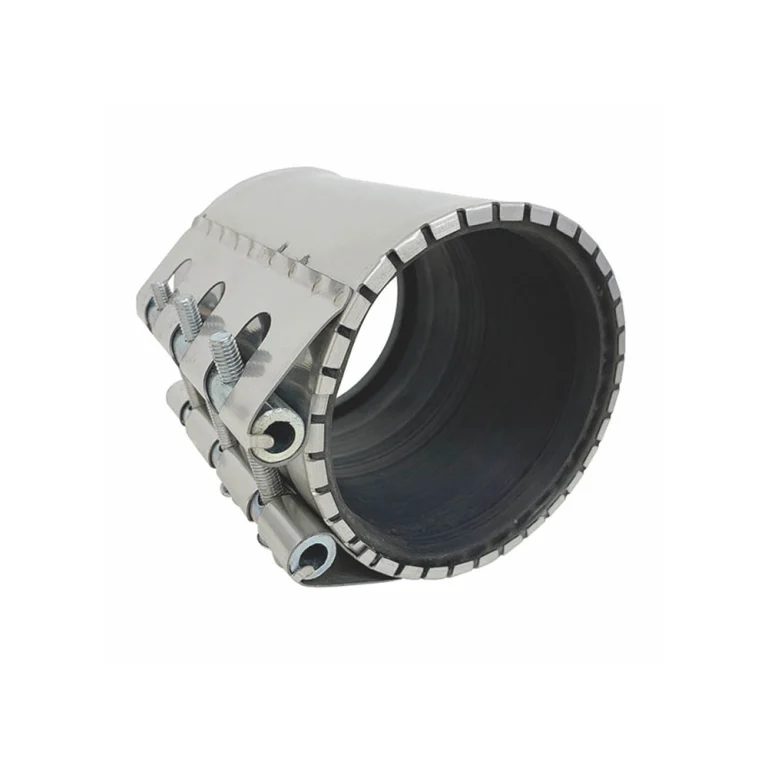
Conflex é um fabricante especializado em conectores de tubos industriais -- incluindo adaptadores de flange de ferro dutil, clampas de reparação e acoplamentos flexíveis -- projetados para água, petróleo, gás e outros sistemas comuns de tubos.
Avaliar as Capacidades do Fornecedor
Certifique-se que seu fornecedor oferece opções de metal e plástico para corresponder a vários requisitos de projeto. Olhem para certificações como a ISO 9001 ou auditorias de terceiros que refletem controles de qualidade da produção.
Igualmente importante é o suporte técnico – especialmente durante fases de projeto quando a seleção entre os extremos de peça ou um estilo específico de flange de tubo pode impactar a disposição global do sistema. O Conflex fornece suporte de engenharia que ajuda especificadores a fazer escolhas ótimas baseadas na compatibilidade material, classe de pressão e condições de instalação.
 Portuguese
  English
  Arabic
  Chinese
  French
  German
  Indonesian
  Italian
  Kazakh
  Kyrgyz
  Russian
  Spanish
  Swahili
  Uzbek
Uzbek