




В промышленных условиях с высокой вибрацией стабильность труб имеет ключевое значение. Короткий ответ - да - хорошо изготовленный сжимка для седла может хорошо работать в этих местах, если вы выберете правильные материалы, способы установки и процедуры технического обслуживания. И выбирая прочные предметы, такие как зажимы для седла из нержавеющей стали или гвинтого железа Conflex, инженеры могут гарантировать долговременную надежность даже в местах с сильными вибрациями.
Что такое седло зажим?
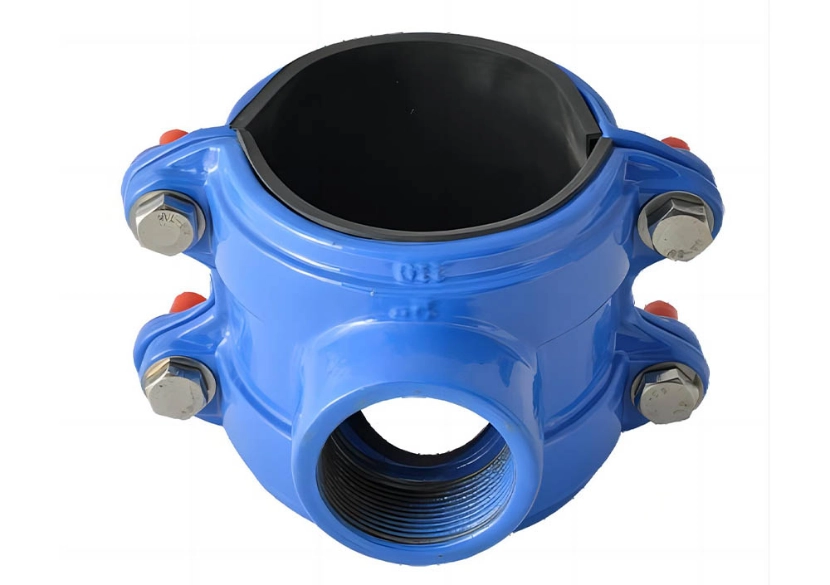
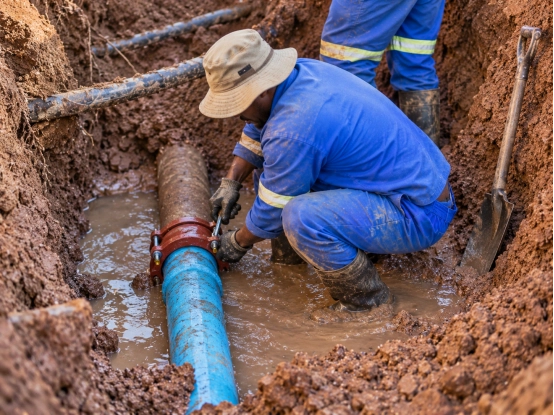
А седло зажим это трубопроводная фитинга, сделанная для удержания и резервного копирования труб в различных промышленных установках. Он обеспечивает стабильность и останавливает нежелательные смены или потрясения в трубопроводах. В то же время он поддерживает выравнивание между связанными частями. Основной функцией этого продукта является открытие ветвяной трубы или установка крана или водометра в любой части трубопровода временно после завершения установки всего трубопровода и уже работающего. Это делает его очень удобным как для установки, так и для ремонтных работ в таких областях, как водоснабжение, распространение нефти и перевозка газа.
Седленные зажимы имеют различные формы - некоторые построены для долговременной фиксации, в то время как другие позволяют быстро взлетать для краткосрочных работ. Их удобство делает их обязательным в сегодняшнем’ с жидкостью настроек.
Типичные применения седельных зажимов
Седленные зажимы используются для соединения труб с опорами здания или другими трубами. Они помогают распределить вес равномерно по лицу трубы. Это уменьшает стрессовые пятна, которые могут вызвать усталость. Во многих случаях они действуют в качестве цехляников от трубы к трубе при разделении или выращивании текущих линий.
Они подходят как для коротких, так и для длительных связей. И они часто используются в обновлениях системы, где время остановки должно оставаться низким. Это легкое изменение является одной из главных причин, почему их часто выбирают в областях, где меняется работа.
Характеристики высоковибрационных сред
Знание того, откуда происходят вибрации, помогает понять, может ли сжимка седла справляться с этими пятнами, не теряя своей хорошей работы.
Общие источники вибрации в промышленных системах
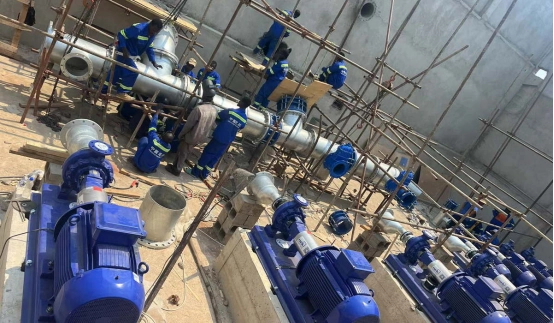
Механические потрясения часто начинаются с поворотных передач, таких как насосы, компрессоры и двигатели. Вихри жидкости внутри труб также увеличивают колебания, в основном, когда скорости потока быстро меняются. Внешние вещи, такие как близкие тяжелые машины или дорожное движение, могут увеличить эти потрясения по всей строительной площадке.
Влияние вибрации на трубопроводные системы
Неостановительная вибрация может привести к ослаблению фитингов или вызвать трещины усталости в металлических деталях со временем. Если вы не’ t справляться с этими штаммами правильно, они могут привести к каплям, неправильной линии или даже разрыву строительства. Результат сбора увеличивает время исправления и сокращает общее доверие к системе. Это’ Почему выбор правильного удерживающего устройства является ключом к долгосрочной работе.
Оценка использования седельных зажимов в условиях высокой вибрации
При определении того, если седло зажимы Несмотря на то, что конструкция хорошо выдерживает вибрацию, необходимо учитывать несколько технических моментов: прочность материала, надежность конструкции и правильные способы сборки.
Выбор материалов с учетом долговечности и прочности.
Способность зажима эффективно противодействовать движущимся грузам сразу же влияет на качество захвата материала.
Зажимы для седел из нержавеющей стали
Нержавеющая сталь отлично противостоит ржавчине и износу при многократных нагрузках. Ее конструкция делает ее идеальной для работы в сложных условиях, где много влаги или химических веществ — что часто встречается на нефтеперерабатывающих заводах или в чистых зонах очистки сточных вод. Мы предлагаем прокладки из EPDM, NBR и SBR, болты и гайки из углеродистой и нержавеющей стали и т.д., обеспечивающие долговременную защиту от ржавчины. Такие конструкции продлевают срок службы даже при постоянной вибрации.
Оцинкованная сталь и другие материалы
Для умеренных уровней вибрации, когда важна экономия средств, оцинкованная сталь — неплохой вариант. Защитные покрытия предотвращают образование ржавчины, но могут изнашиваться при постоянном движении, если их не проверять часто. Высокопрочный чугун также хорош благодаря соотношению мощности и веса, а также способности выдерживать значительные нагрузки.
Проектные и конструктивные соображения
Помимо материалов, план сборки играет не менее важную роль в обеспечении надежной работы зажима в условиях вибрации.
Усиленные конструктивные особенности
Прочная конструкция с двухболтовым креплением обеспечивает более надежное сцепление с поверхностью трубы за счет более равномерного распределения нагрузки. Некоторые модели оснащены резиновыми накладками или амортизирующими прокладками, которые снижают металлический шум и поглощают часть вибрации. Быстрое снятие изделия и установка с помощью всего одного ключа или динамометрического ключа для затяжки болтов из высокопрочной стали или нержавеющей стали — одна из важнейших особенностей этой серии.
Совместимость с типами и размерами труб
Правильный размер обеспечивает равномерное распределение нагрузки по всей окружности трубы. Слишком тугой размер может создавать зоны напряжения, приводящие к преждевременному разрушению; слишком маленький размер может привести к проскальзыванию во время работы. Инженеры должны проверять соответствие материалам труб — ПВХ, ПНД, высокопрочному чугуну или стали — чтобы избежать проблем с неправильной подгонкой при сборке.
Рекомендации по установке для обеспечения безопасной работы
Даже самые лучшие зажимы преждевременно выйдут из строя, если их неправильно установить.
Правильные методы монтажа
Число линий: зажимы должны точно отслеживать трубопровод, чтобы пропустить добавление выгнутых тяг, которые ухудшают вибрацию. С помощью инструментов проверки крутящего момента вы получаете стабильную жесткую мощность над всеми болтами, когда сталкиваетесь с движущимися весами, которые могут потерять крепления позже.
Проверки технического состояния после установки.
Регулярные проверки помогают выявить первые признаки трения или ослабления крепления до того, как возникнут серьезные повреждения. В местах с сильной вибрацией, рядом с насосами или двигателями, регулярная повторная затяжка обеспечивает стабильность на протяжении всего рабочего цикла. В журналах ремонтных работ следует указывать время проверок, исходя из мест проведения работ, а не только заданное время.
Преимущества использования седельных зажимов в среде с высокой вибрацией
Когда подбираются и поставляются правильно, седло зажимы предлагают несколько реальных преимуществ, которые способствуют как безопасной, так и плавной работе в промышленных установках.
Повышение безопасности трубопроводных систем
Остановляя смены от колебаний машины, сжимки седла уменьшают опасность, связанную с каплями или событиями, связанными с отходом. Это повышает безопасность работы, сохраняя при этом прочность удержания - настоящий ключ при перемещении опасных жидкостей, таких как топливное масло или химические вещества.
Продолженный срок службы труб и фитингов
Shake-cut черты меньше износа в соединительных пятнах, принимая некоторую силу движения, отправленную через трубы. Таким образом, как трубы, так и столяри продлеваются больше с меньшим количеством обменов, необходимых со временем - большая денежная выигра для бегунов, обрабатывающих большие сети.
Повышенная оперативная эффективность и надежность
Стабильная трубопроводная система обеспечивает равномерную скорость потока и объем нагнетания жидкости на всем протяжении строительства. Сокращение времени простоя из-за неожиданных поломок приводит к увеличению производительности — ключевой фактор в отраслях, где перерывы обходятся дорого как в денежном, так и в экологическом плане.
Выбор подходящего седельного зажима для промышленного применения
Оценка интенсивности вибрации
Перед выбором типа зажимов проверьте тип шестерни, скорость вращения, движение жидкости и внешнее усилие. Например, трубы, расположенные рядом с компрессорами, работающими в режиме возвратно-поступательного движения, ощущают более сильные вибрационные волны, чем трубы, соединенные с центрифужными насосами.
Совместимость материалов с транспортируемыми жидкостями.
Убедитесь, что выбранные материалы устойчивы к коррозии от перемещаемых жидкостей — будь то очищенная питьевая вода или углеводороды. Подходят для питьевой воды (сертифицированы WRAS), рециркулированной воды и сточных вод.
Стандарты качества производителя
Выбирайте товары у проверенных продавцов, известных своим вниманием к качеству сборки и соответствием сертификатам. Conflex Наша компания более 15 лет специализируется на производстве различных видов продукции для соединения и ремонта промышленных трубопроводов. Производство соответствует стандартам ISO9001:2008, что гарантирует неизменно высокое качество каждой произведенной единицы продукции — решающий фактор, когда надежность недопустима.
Линейка продукции Conflex наглядно демонстрирует это обещание благодаря ассортименту размеров от OD25 до OD315, включающему варианты, подходящие для трубопроводов из полиэтилена высокой плотности (HDPE), работающих под давлением PN10/PN16 при температурах от –10°C до +70°C — все они разработаны для быстрой установки без перекрытия действующих линий. Эти конструктивные преимущества делают их особенно подходящими для мест, где требуется надежное решение проблем, вызванных вибрацией, при одновременном обеспечении стабильного потока работ по всему миру — от Европы до Азиатско-Тихоокеанского региона, информация о которых представлена на страницах с информацией о задержках.
Часто задаваемые вопросы
В1: Можно ли использовать хомуты на действующем трубопроводе?
Да. Во многих конструкциях возможна установка без перекрытия потока при соблюдении надлежащих правил техники безопасности.
В2: Какой материал лучше всего подходит для зон с высокой вибрацией?
Нержавеющая сталь, как правило, обладает более высокой устойчивостью к усталости по сравнению с оцинкованными материалами в условиях непрерывного движения.
В3: Как часто следует проверять седельные зажимы?
Инспекции рекомендуются каждые три-шесть месяцев в зависимости от интенсивности вибрации и уровня воздействия окружающей среды.
Q4: Необходимы резиновые зажимы?
Они не обязательны, но очень полезны - они смягчают шум и уменьшают износ между металлическими поверхностями при колебании.
Q5: Какой диапазон размеров покрывают стандартные промышленные сжимки седла?
Типичные диапазоны распространяются от OD25 до OD315 мм в зависимости от спецификаций производителя, подходящих для систем ПВХ или ПВПЭ.
 Russian
  English
  Arabic
  Chinese
  French
  German
  Indonesian
  Italian
  Kazakh
  Kyrgyz
  Portuguese
  Spanish
  Swahili
  Uzbek
Uzbek