


Когда труба из ПВХ или поливинилхлорида трещинается, важно выбрать правильный способ ремонта. Вы должны выбрать быстрый зажим или выбрать длительный вариант сварки? Быстрый ответ: это зависит. Для быстрого, дешевого и простого ремонта зажимы обычно являются выбором. Но когда прочность и правила очень важны, сварка часто выходит сверху.
Обзор методов ремонта трещин труб
Частые причины трещин в трубах из ПВХ и поливинилхлорида
ПВХ и поливинилхлоридные трубы часто используются, потому что они устойчивы к ржавчине и недороги. Однако они все еще могут взломаться. Стресс от сильного потока воды или тяжелых нагрузок снаружи может создать разрывные линии. Перемещения земли, такие как затопление или землетрясения, также вызывают проблемы. Большие изменения температуры тоже играют свою роль. Трубы расширяются и сокращаются, и это ослабляет их со временем.
На заводах контакт с химическими веществами медленно разрушает стены труб. Это происходит чаще в ПВХ-установках с жесткими жидкостями. Старые вещи тоже. Старые трубы становятся жесткими и ломаются легче. Плохая настройка, особенно если соединения не’ t выстроить вправо, повышает вероятность слабых пятен. Таким образом, перерывы происходят там чаще.
Ключевые факторы, влияющие на выбор метода ремонта
Несколько вещей решают, выберете ли вы ремонтный зажим или сварка:
- Материал трубы и толщинаНекоторые материалы не хорошо обрабатывают тепло, поэтому зажимы работают лучше.
- Расположение трещиныПятна под землей или трудные для достижения часто делают зажимы умным выбором по реальным причинам.
- Оперативная неотложностьЕсли настройка может’ t остановиться, зажим позволяет вам фиксировать его во время запуска.
Характеристики зажимов для ремонта труб
Как функционируют ремонтные зажимы на трубах ПВХ и поливинилхлорида
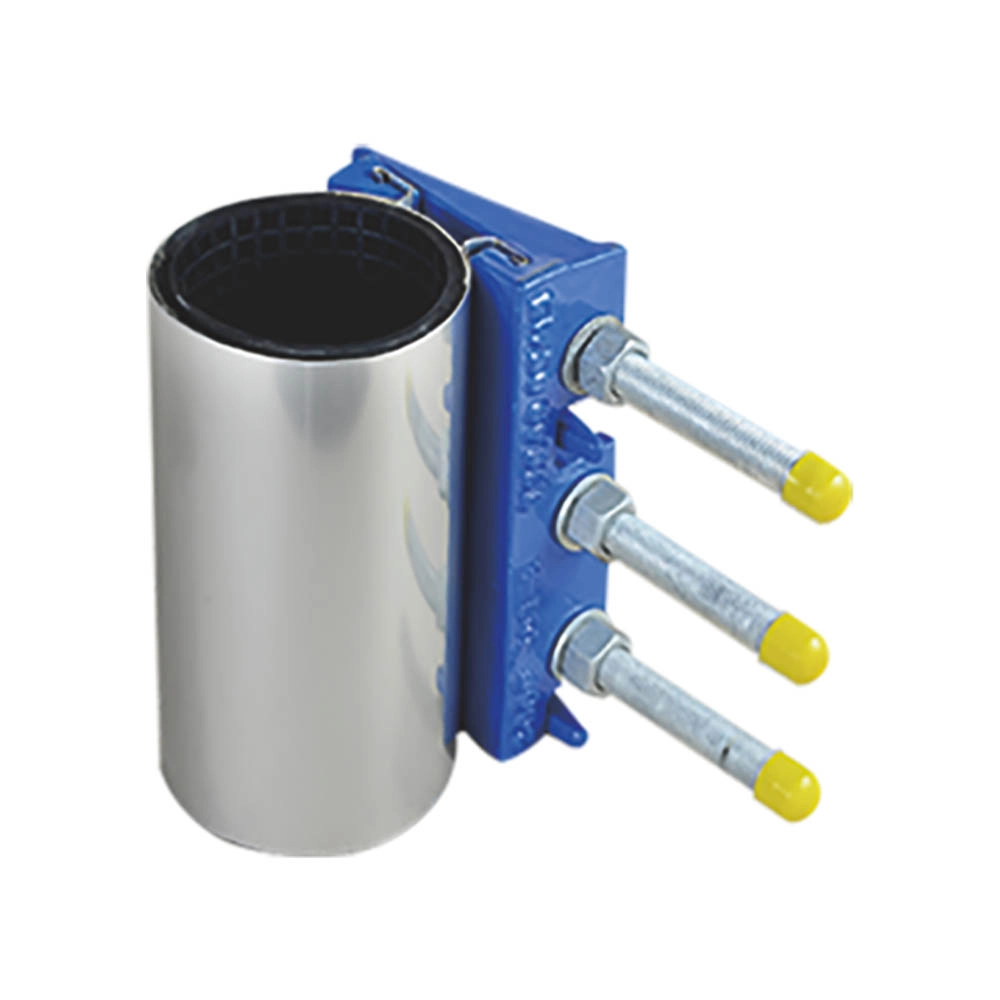
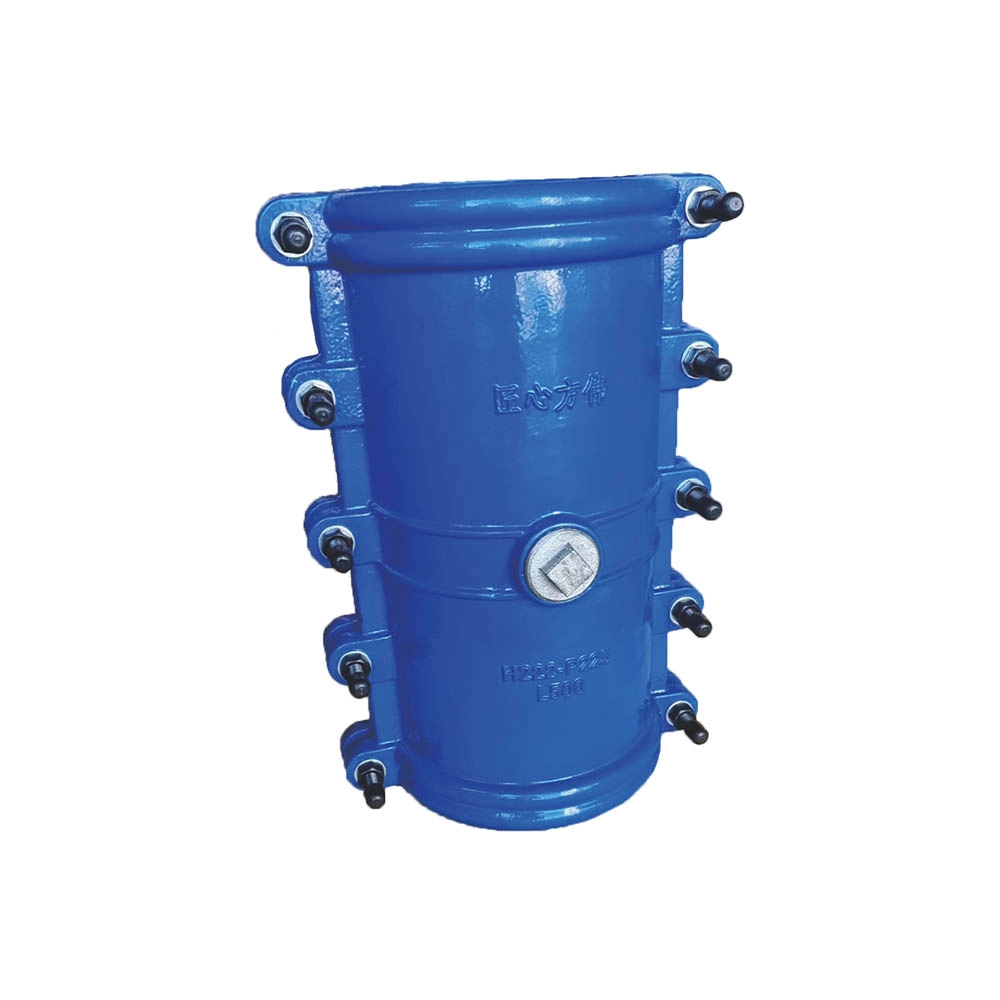
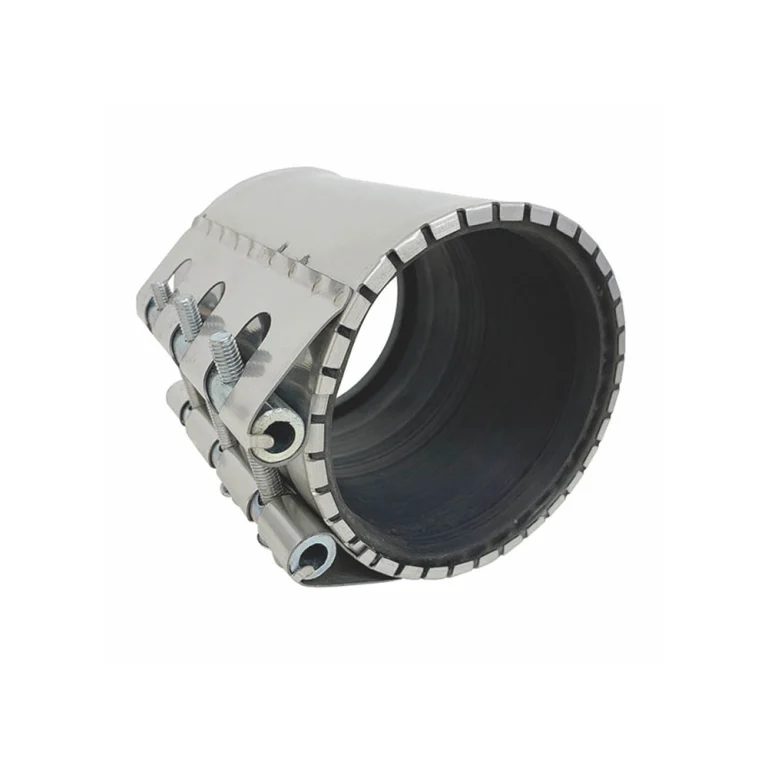
Ремонтные зажимы давление снаружи, чтобы остановить утечки. Они делают это без изменения трубы’ С внутри. Часть зажима затягивается вокруг плохого места. Он сжимает уплотнение, которое делает плотное уплотнение от воды. Этот способ отлично работает на круглых, гладких веществах, таких как ПВХ.
Материалы уплотнения дают уплотнение, которое останавливает утечки в поврежденных районах. Большинство уплотнений производятся из резины EPDM или NBR. Они выдерживают воду, химические вещества или нефть на основе работы.
Материалы и размеры доступны для различных приложений
Зажимы из нержавеющей стали с резиновыми уплотнениями вписываются во многие размеры труб, от крошечных домашних линий до крупных фабричных сетей. Некоторые типы регулируют или имеют части, которые обертаются вокруг сложных форм.
Ремонтные зажимы обычно предназначены для работы с различными материалами. ПВХ, медь, сталь, чугун – назовете, найдете подходящий зажим.
Преимущества использования ремонтных зажимов для трещин труб
Быстрая установка с минимальным простоем
Зажимы продолжаются через несколько минут. Часто вы не’ Нужно выключить систему. Это’ Почему они подходят для срочных исправлений. Нет задержек для сварщиков или ждать, пока вещи высохнут.
Нет требований к специализированной сварке труда или оборудования
Регулярное обслуживание людей могут делать ремонт с помощью простых инструментов. Не нужны факелы, химические вещества или специальные бумаги.
Повышение безопасности в опасных условиях
Фиксация зажима - это прохладный процесс. Этот прохладный способ пропускает пожарные риски, связанные с горячими рабочими бумагами. Это’ s ключ в химических заводах или рядом с вещами, которые легко горят.
Широкая совместимость по всем материалам и условиям труб
Они работают на ПВХ, поливинилхлориде, гвоздом железе, стали и смешанных трубах. Они даже обрабатывают мокрые настройки, где вы можете’ t отключить линию.
Более низкие общие затраты по сравнению с ремонтом сварки
Меньшая оплата трудящихся и отсутствие проверок после того, как во многих случаях делают зажимы дешевыми. Сварочные материалы и шаги безопасности стоят быстрее.
Ограничения ремонтных зажимов в долгосрочных приложениях
Временная природа в условиях высокого стресса или коррозии
Хотя хорошо на данный момент, зажимы’ t всегда для держит. Они могут не вернуть всю трубу’ Оригинальная сила. Со временем, потрясения или жесткие настройки могут износить уплотнение.
Ограниченная эффективность при больших или нерегулярных трещинах
Не хорошо подходит для трещин, которые проходят над суставами или странными формами. Возможно, вам понадобится несколько зажимов. Но это ’ t всегда осуществимо, когда время ограничено.
Характеристики сварки для ремонта трещин труб
Обзор процесса сварки ПВХ и смежных материалов
Сварка ПВХ использует тепловое соединение или химическую сварку. Тепловыми способами вы расплавляете поверхности, а затем приклеиваете их. Химическая сварка смягчает пластик с материалом, так что части соединяются как один после того, как он устанавливается.
Речь идет не только о плавлении пластика - готовность поверхностей имеет жизненно важное значение. Вы очищаете, выставляетесь и держите трубу, пока она устанавливается. Это создает сильные связи.
Требования к оборудованию и навыкам для эффективного сварки
Сварка не для самостоятельного дела. Тренированные люди должны использовать сварочные инструменты в правильных условиях. Проверки, такие как испытания давления, происходят после большинства сварных задач.
Преимущества сварки над ремонтом зажима в определенных ситуациях
Постоянная связь, которая восстанавливает структурную целостность
Если сделано правильно, сварные пятна могут соответствовать или побить трубу’ Первая сила. Это’ Почему это’ с выбрали для сильных настроек давления, таких как водные линии или химические потоки.
Предпочтительный метод для сложных сценариев повреждения
Кривые, расщепления или сломанные фитинги часто нуждаются в специальных исправлениях. Сварка позволяет переформировать с помощью дополнительных битов или пользовательских ссылок.
Соблюдение промышленных стандартов и нормативных кодексов
Сварка часто требуется кодом в муниципальных водных системах или критической инфраструктуре. Сварки также легче проверять с помощью ультразвуковых или давления испытаний.
Недостатки, связанные с ремонтом сварки на трубах из ПВХ
Повышенный риск во время горячих работ
Тепло сложно - использование тепла может сгибать пластиковые трубы, если не наблюдать близко. В местах с риском ожога, горячие рабочие бумаги и пожарные являются обязательными.
Более высокие затраты из-за потребностей в рабочей силе, оборудовании и инспекции
Больше времени для подготовки означает более длительные остановки. Необходимы тесты после проверки качества сварки. Это добавляет деньги и неприятности.
Выбор между ремонтным зажимом и сваркой на основе потребностей приложения
- Малый диаметр низкого давления ПВХ трубыРемонт зажима обычно достаточно.
- Системы большого диаметра или высокого давления: Выберите сварку, если долговечность имеет первостепенное значение.
- Подземные установкиЗажим может быть вашим единственным практическим вариантом.
- Аварийные утечки: зажим в первую очередь; график сварки позже, если это необходимо.
Conflex изготовляет широкий спектр ремонтных зажимов, подходящих как для аварийных, так и для рутинного обслуживания. Их продукция разработана специально для промышленных трубопроводных систем, включающих воду, нефть, газ и химические вещества, предлагая как гибкость, так и долговечность.
Долгосрочные последствия каждого метода для ПВХ-труб
Зажимы хорошо работают в течение некоторого или среднего времени, но могут расслабиться позже. Их может понадобиться затянуть снова или заменить через несколько лет. Сварные соединения удерживаются дольше, если установлены правильно. Но они могут взломаться из окружения, если сделаны неправильно.
Типичные сценарии использования во всех отраслях
- Коммунальные трубопроводыМуниципальные водопроводные линии часто используют зажимы в качестве временных решений во время сезонов пикового спроса.
- Химические перерабатывающие заводы: Сварка предпочтительна из-за нулевой допустимости к утечке.
- Удаленные места: Ремонт зажима выигрывает из-за логистических ограничений; нет необходимости тянуть в сварку.
Для операций, когда долгосрочная надежность должна удовлетворять возможностям быстрого развертывания, Conflex предлагает как традиционные варианты зажима, так и индивидуальные решения, которые точно соответствуют потребностям вашей системы.
Часто задаваемые вопросы
Q1: Могут ли ремонтные зажимы повторно использоваться?
Некоторые типы могут быть повторно использованы, если не повреждены и должным образом очищены, но одноразовые зажимы не должны повторно применяться.
Q2: Как я знаю, какой размер ремонтного зажима мне нужен?
Точно измерите внешний диаметр трубы; Большинство спецификаций зажима основаны на этом измерении.
Q3: Могу ли я использовать зажим на системе под давлением?
Да — многие из них оцениваются для систем под давлением. Всегда проверяйте номинальное давление перед установкой.
Q4: Безопасна ли сварка с растворителем для линий питьевой воды?
Да — если используется сертифицированный растворительный цемент, подходящий для использования в питьевой воде.
Q5: Подходят ли зажимы Conflex для подземного использования?
Да — Conflex производит коррозионостойкие модели, идеальные для погребенных трубопроводов.
 Russian
  English
  Arabic
  Chinese
  French
  German
  Indonesian
  Italian
  Kazakh
  Kyrgyz
  Portuguese
  Spanish
  Swahili
  Uzbek
Uzbek