




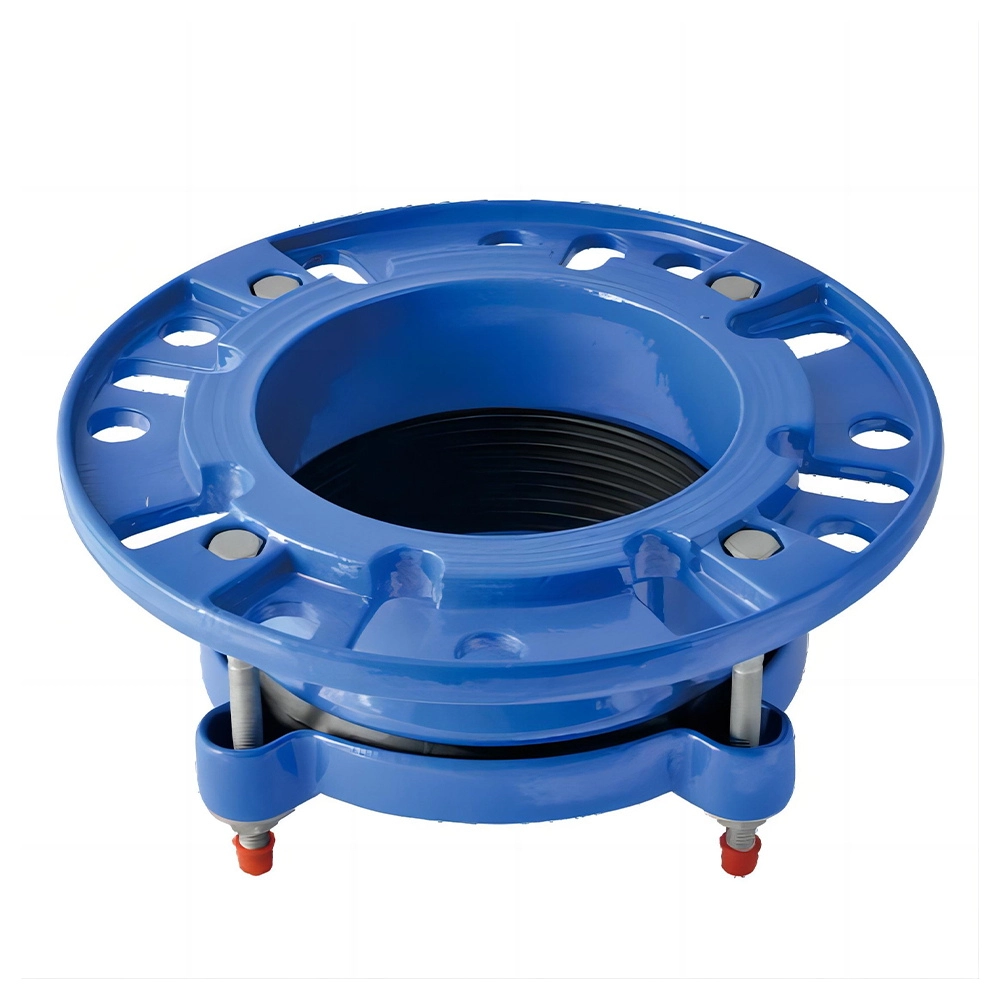
In modern piping systems, picking a universal flange adaptor over a regular flange can really impact setup time, seal strength, and ongoing upkeep. For many jobs that need bendability and quicker setup, the universal flange adaptor usually turns out to be the better pick. Yet, regular flanges keep their value in tough, high-pressure setups or ones that follow strict standards, where stiffness and exact positioning matter most.
Understanding Universal Flange Adaptors and Traditional Flanges
Before we look at how they stack up, it’s key to explain what each kind of flange link means in everyday use.
Универсальные фланцевые адаптеры
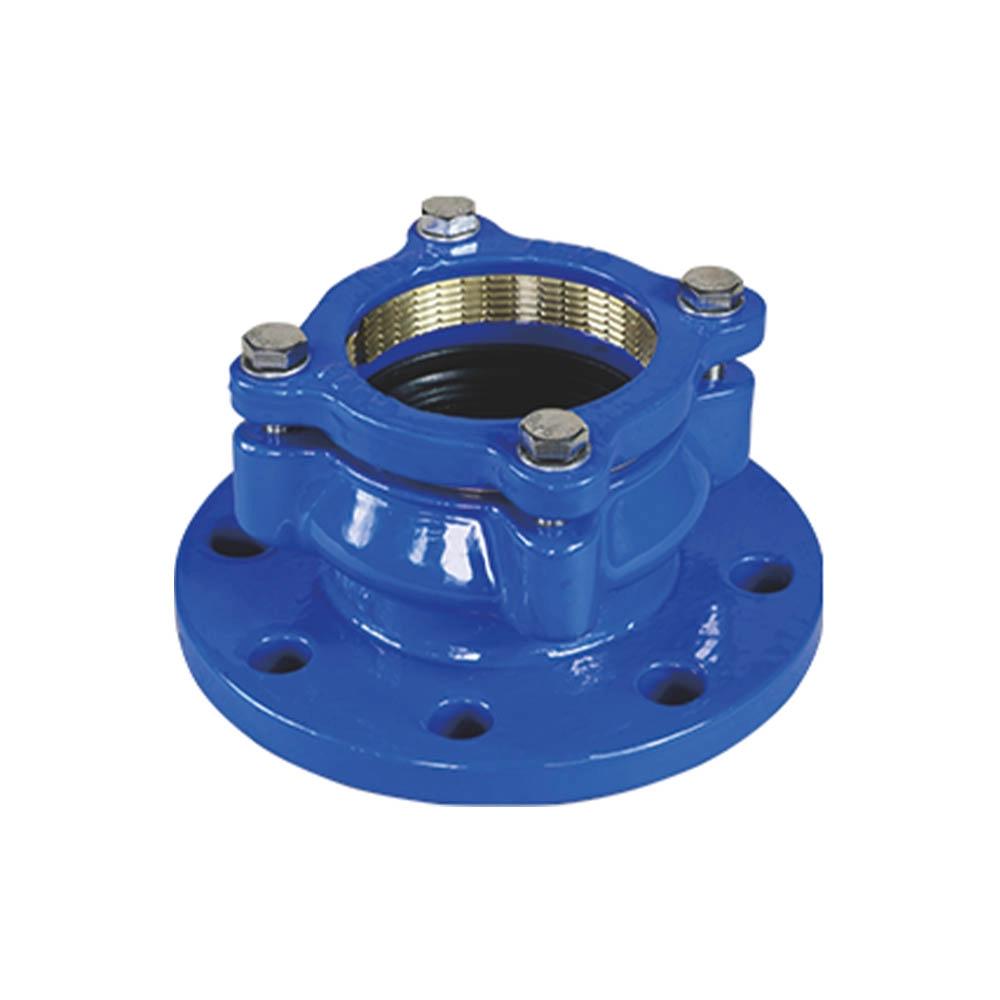
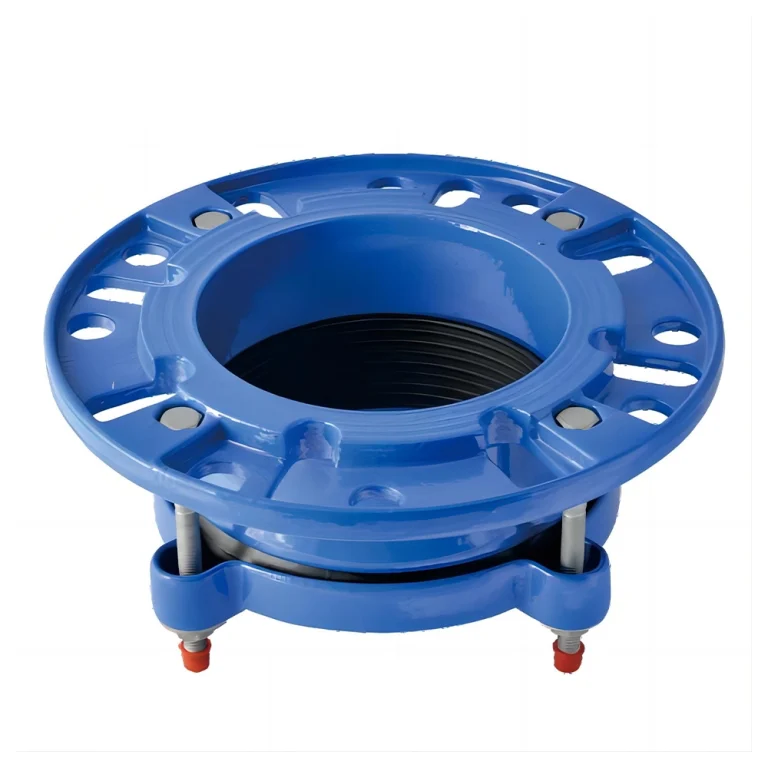
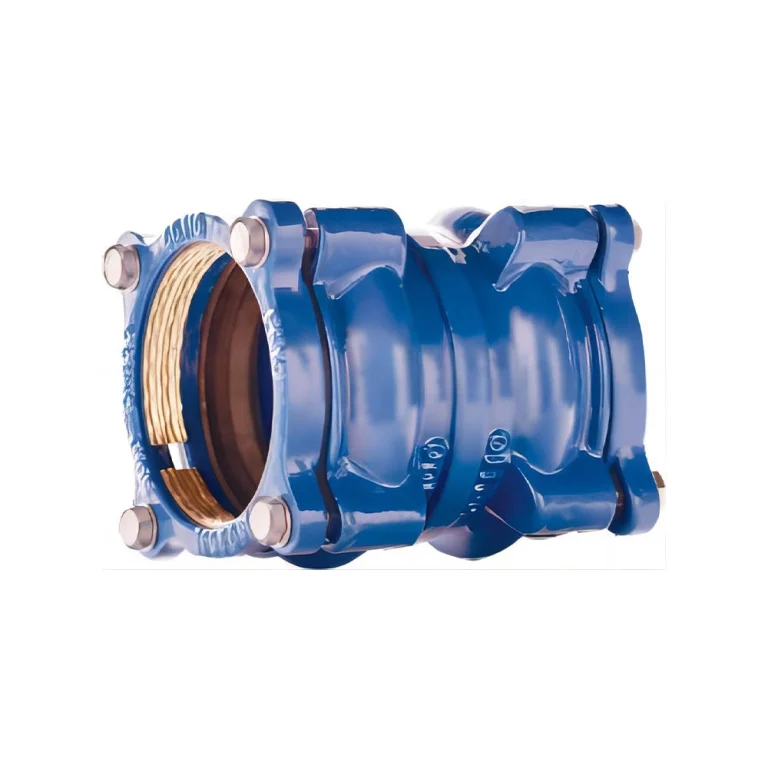
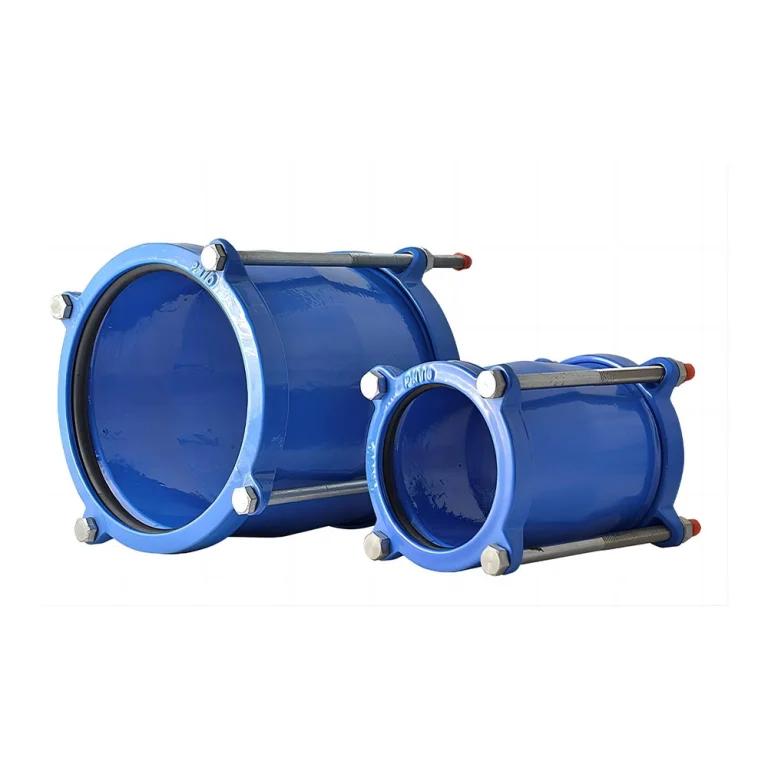
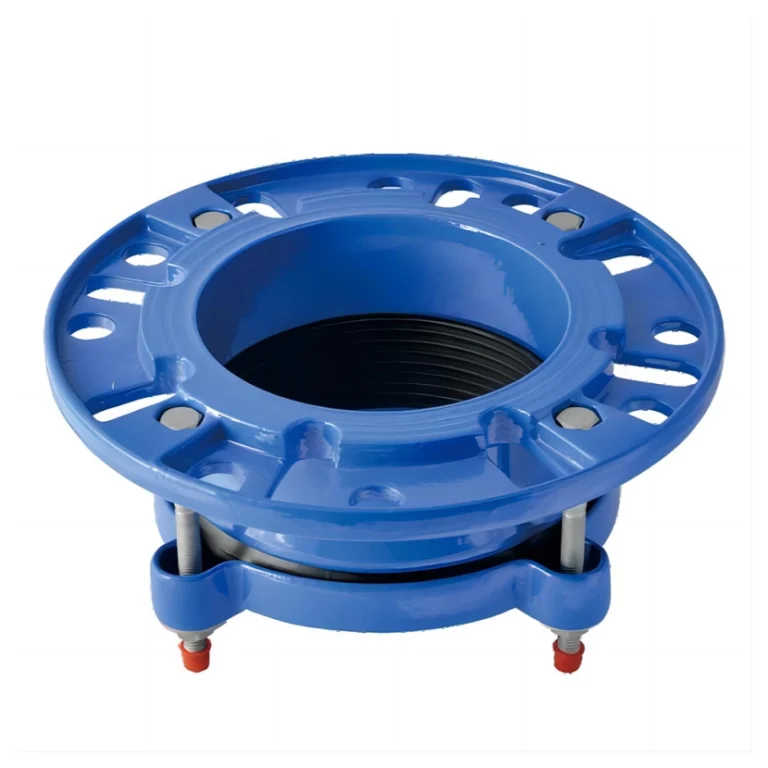
А универсальный фланцевый адаптер is a handy fitting made to join pipes with varying outside sizes or types of material. It works as a link between two pipe ends when straight flanging won’t work. These adaptors show up often in water supply lines, sewage handling sites, and factory fluid setups where pipe sizes differ. Engineers pick them because they make on-site tweaks easy, without needing special cutting.
Universal types such as the mechanical flange adaptor, flange tube adaptor, or coupling flange adaptor handle small size mismatches. At the same time, they keep solid mechanical strength. In real jobs, they fit well for fixes or upgrade projects where old pipeline measures don’t line up with new ones.
Traditional Flanges
Regular flanges are stiff parts welded or screwed onto pipe ends to form a bolted join. They count on exact setup and gasket squeeze to get a no-leak seal. These flanges have been the go-to choice in the field for years, thanks to their straightforward design and ability to handle high pressure.
People use them in oil and gas lines, chemical plants, and power sites—spots where pipe specs stay the same. The big plus is their toughness in harsh spots. However, that strength means less give during setup.
Practical Differences Between Universal Flange Adaptors and Traditional Flanges
Both aim to link pipeline parts. But their build styles create clear differences in how they work.
Installation Speed and Site Adaptability
Universal адаптеры фланца cut setup time a lot. They skip the need for perfect lining up or weld prep. Workers can tweak the fitting right there with basic tools. This helps speed up urgent fixes or upgrades. Regular flanges need spot-on placement. They often call for welding or screwing first, then bolting. Those steps drag out the schedule.
In tight spots or when pipe sizes surprise you, universal adaptors give great flexibility. But on big build sites with set layouts, regular flanges work fine. That’s because of ready-made parts.
Misalignment and Angular Tolerance
A top perk of universal flange adaptors is how they handle off-center pipes. Their bendy seal setup allows for minor angle shifts—often a few degrees. And it doesn’t hurt the joint’s strength. Regular flanges allow very little angle play. Even a small off-kilter can lead to gasket issues or uneven bolt stress. This gap matters a lot in buried setups or old systems where pipes don’t line up just right.
Sealing Performance and Leakage Risk
Seal quality ties to gasket style and squeeze control. Universal adaptors use soft gaskets that fit uneven surfaces better than stiff flange joins. So, they lower leak chances during pressure changes or heat stretches.
Regular flanges depend a ton on even bolt tightness. Wrong tightening can cause leaks as time goes on. They do great in steady setups. But they forgive less when shakes or shifts happen.
Flexibility, Vibration, and Movement Handling
Pipelines face heat growth or ground shifts often. Universal flange adaptors provide a bit of side-to-side give. This takes in those strains on its own. Plus, it cuts down shake spread across joins—a big help in making pipelines last longer.
Regular flanges make firm links. They push back against moves instead of soaking them up. So, extra stretch joints usually come into play in systems that use just regular flanges.
Logistical Considerations: Inventory and Maintenance
Besides how they perform technically, planning matters a lot in picking the right connection for your job.
Inventory and Logistic Advantages
Universal flange adaptors simplify stock needs. One type can match several pipe widths in a set range. This cuts the number of pieces kept on site—a real win for builders handling mixed pipe sizes.
Regular flanges need unique ones for each size and pressure level. That leads to bigger stocks and more storage expense.
| Особенность | Универсальный адаптер фланца | Traditional Flange |
| Size Range Compatibility | Wide (multi-diameter) | Fixed per standard |
| Installation Tools | Basic hand tools | Welding/bolting equipment |
| Stock Requirement | Низкий | Высокий |
| Field Adjustability | Высокий | Ограниченное |
Maintenance Requirements and Downtime Implications
How well maintenance goes often sets long-run costs. Universal adaptors let you take them apart fast without slicing pipes. That’s a huge plus for fixes or checks. You can swap gaskets on their own. And it won’t mess with nearby parts.
Regular flanges need the whole bolt removal process. If rust hits the join surface, you might have to smooth it before putting back together. This bumps up wait time way more than with flexible fittings.
Choosing the Right Flange for Your Project
Picking between these connection ways hinges on job needs like quickness, money watch, pressure level, and site factors.
Situations Favoring Universal Flange Adaptors
Jobs with mixed stuff (like ductile iron linked to steel), uneven site setups, or regular upkeep gain the most from universal styles. They help a lot in city water jobs where fast action follows pipe harm.
Фирмы, подобные Conflex, a manufacturer focused on factory pipeline link goods including mechanical flange adaptors and repair clamps, often provide these for water spread networks. That’s due to their simple use in chancy field spots.
Situations Favoring Traditional Flanges
Regular flanges stay vital in high-pressure spots like chemical handling or steam lines. There, firm rules set material matches and bolt load evenness. When full stiffness is a must—such as in support pipe builds—they give steady work with little chance of joint slip over time.
Considerations for Decision-Making
Choosing the best link isn’t only about tech details. It’s also about matching job aims like safety buffers, money caps, and upkeep plans ahead.
Selection Checklist for Choosing Between Flange Types
Use this list when weighing choices:
- What’s the operating pressure range?
- Are there variations in pipe diameter or material?
- How accessible is the installation site?
- Will future maintenance require frequent disassembly?
- What’s the acceptable downtime window?
For groups wanting both trust and bend in varied setups, teaming with skilled suppliers like Conflex brings steady quality in all mechanical link goods—from coupling flange adaptors to bendy repair covers—without making planning too hard.
Часто задаваемые вопросы
Q: What is a universal flange adaptor used for?
It connects pipes of different diameters or materials while maintaining a secure seal without welding.
Q Are universal flange adaptors suitable for high-pressure systems?
They’re typically rated for medium pressures; traditional flanges are preferred for very high pressures.
Q: Can I replace a traditional flange with a universal one?
Yes, if pressure ratings match and alignment tolerances fall within acceptable limits.
Q: Do universal flange adaptors need special tools?
No specialized tools are required—standard hand tools usually suffice for installation.
Q: How do I maintain a mechanical flange adaptor?
Periodic inspection of bolts and gasket integrity ensures continued leak-free performance.
 Russian
  English
  Arabic
  Chinese
  French
  German
  Indonesian
  Italian
  Kazakh
  Kyrgyz
  Portuguese
  Spanish
  Swahili
  Uzbek
Uzbek