




Многие инфраструктурные проекты сталкиваются с задачей соединения старых систем с современными материалами. Удержанный универсальный адаптер фланца предлагает надежный способ преодоления этих пробелов.
Эта фитинга эффективно справляется с изменениями размеров и типов труб. С универсальный фланцевый адаптеркоманды могут подключить чугунную трубу к ПВХ и ПЭ без серьезных нарушений.
Почему так много проектов по-прежнему нуждаются в переходе от чугуна к ПВХ / ПЭ
Старые трубопроводные сети в значительной степени полагаются на чугуно. При модернизации или расширении часто вступают в игру новые трубы из ПВХ или ПЭ. Проекты могут’ t позволить себе полное закрытие. Водоснабжение или производственные линии должны продолжать работать. Эта смесь происходит в городах, обновляющих водоснабжение или канализацию.
Производители, такие как Conflex, ежедневно видят эту проблему в проектах ремонта, где подрядчикам приходится связывать новые ПВХ или ПЭ-сети со стареющими сетями из чугуна без ущерба для надежности.
Почему выбрать универсальный фланцевый адаптер вместо простых резиновых соединений?
Резиновые соединения хорошо работают для дренажей низкого давления. Они’ re гибкий и легкий для удара. Но в линиях под давлением? Не всегда лучшая ставка.
Универсальный адаптер фланца подходит для различных внешних диаметров. Он работает с чугуном, ПВХ, ПЭ, даже гвоздым железом. Лица фланцев аккуратно выравниваются клапанами или короткими трубами. Стандартизация ускоряет работу. Перейдите на сдержанную версию, чтобы остановить вытяг трубы. Это’ Ключ в динамических системах.
Этот механический трубопроводный сустав сияет там, где вступают силы тяги, такие как близко к изгибам или футбольным футболам. Механический адаптер фланца обеспечивает дополнительное сцепление.
Ключевые проверки перед подключением: состояние, диаметр и давление
Оценить состояние старой чугунной трубы
Начните со старой чугунной трубы. Ищите тяжелые пробелы, овальные формы или трещины. Если стена’ слишком тонкий, пропустите подключение там. Заменяйтесь вместо этого в короткий раздел.
Подтверждение размеров и стандартов
Далее размеры имеют значение для соединения труб из чугуна с ПВХ. Измерите внешний диаметр и номинальный ДН. Универсальные адаптеры перечислить диапазон, скажем DN100: от x до y мм. Это охватывает вариации.
Подтвердите номинальное давление
Рейтинги давления тоже считаются. Подключите чугунную трубу к PE? Соответствует системе’ с требованиями. PN10 подходит для умеренного давления, как и при распределении воды. PN16 справляется с более высокими нагрузками, распространенными в промышленных линиях.
Условия сайта
Выберите неправильно, и происходят утечки или взрывы. Факторы участка играют роль. Установление на земле, толк на локти, тесные пространства - все это влияет на выбор адаптера фланца PN10 PN16 и крепления.
Самые авторитетные производители, в том числе Conflex, предоставить таблицы размеров и номинального давления для каждого размера универсального адаптера фланца, который всегда должен быть проверен перед заказом или установкой.
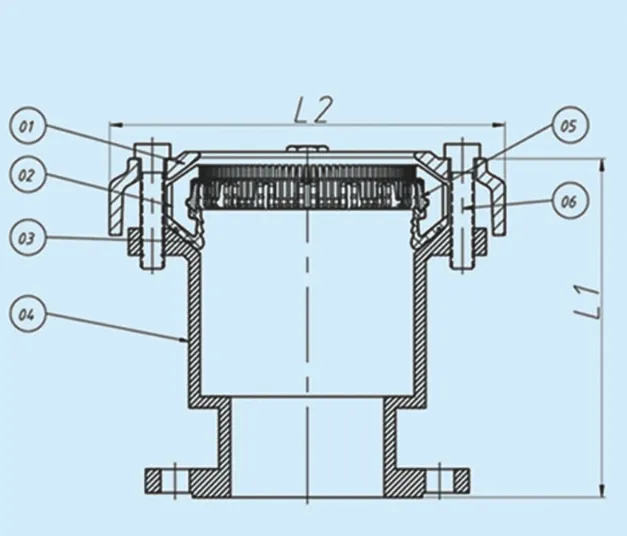
Шаг за шагом: Подключение старого чугуна к новому ПВХ или ПЭ с помощью адаптера универсального фланца
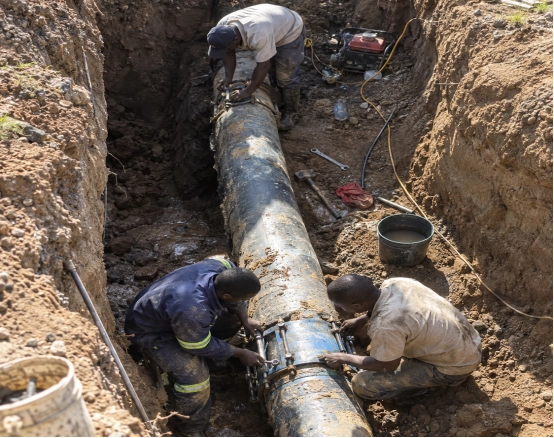
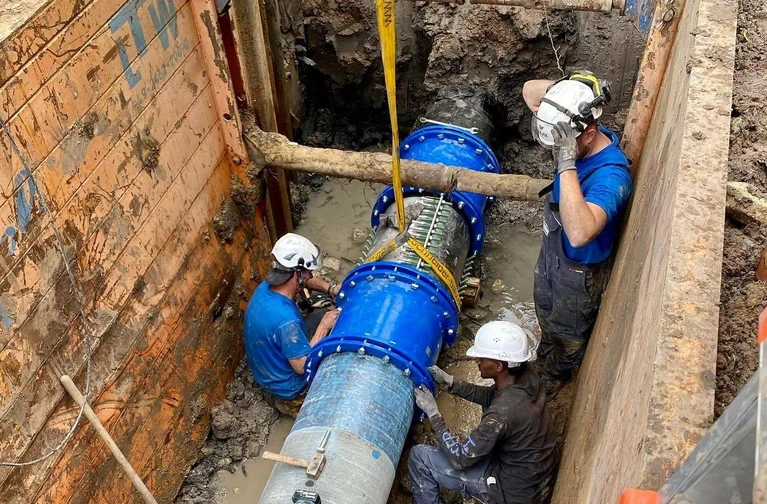
Ниже приведены шаги, описывающие типичный рабочий процесс при использовании универсального адаптера фланца, такого как диапазон DN100-DN300, предлагаемый Conflex. Всегда обращайтесь к конкретным инструкциям по установке, поставленным с продуктом.
1. Подготовьте и отрезайте трубы
Поддержите старое чугуно надежно сначала. Отметьте линию разреза. Используйте пилу или резку, чтобы разрезать. Обрезайте краи с помощью файла или шлифовки.
Держите этот разрез прямым. Это помогает уплотнительному кольцу сидеть равномерно. Неравномерные концы приводят к слабым пятнам.
2. Очистьте и измерите концы шпигота
Издержите ржавчину, грязь, старые покрытия. Спуститесь к чистому металлу или пластику.
Измерите внешний диаметр. Убедитесь, что он соответствует универсальный фланцевый адаптер с ограничением‘ с диапазона. Подключите чугунную трубу к ПВХ здесь? Дважды проверьте оба конца.
3. Сборка адаптера фланца на новой трубе ПВХ/ПЭ
Слайд на корпусе адаптера, уплотнительное кольцо, железу. Вырядьте знаки вставки. ПВХ жесткий; PE больше изгибается. Притягивайте равномерно, чтобы избежать точек напряжения, когда вы подключаете чугунную трубу к PE.
4. Размещение чугунной трубы и привести фланцевые лица вместе
Установите чугунный шпик на правильном расстоянии. При соединении с клапаном или фланцевым штупком добавьте уплотнение. Болт диагонально для равномерного давления.
5. Затяжите болты и активируйте удерживающую систему
Болты крутящего момента в звездном узоре. Не спешите. Поддерживающее устройство использует клины или зубы, чтобы укусить стену трубы. Это блокирует против вытягивания. Придерживайтесь рекомендованного крутящего момента. Чрезмерное затяжение искажает вещи.
6. Испытание давления и окончательные проверки
Наполняйте медленно, увеличивайте давление. Следите за каплями в суставах. Перенапряжайте болты при необходимости. Нормы требуют надлежащего испытания на линиях давления. Дон’ T просто глаз это.
Лучшие методы предотвращения утечок и вытягивания труб
Резиновые уплотнения только могут’ t бороться с осевой тягой навсегда. При изгибах, футболках, клапанах добавьте профилактику вытяга труб.
Выберите универсальный фланцевый адаптер с ограничениемИли используйте блоки тяги для дополнительного удержания. Осторожно заполняйте почву. Хорошо сжать его вокруг суставов. Нет пустот, которые позволяют вещам меняться.
Подумайте и о коррозии. Обмотайте экстерьеры или оберните их. Это продлевает срок службы для смешанных чугунных и пластиковых пробегов. Механические трубопроводные соединения лучшие практики, такие как эти, держат системы плотными.
Частые ошибки при преобразовании из чугуна в ПВХ / ПЭ (и как их избежать)
Проблемы с соединением труб из чугуна с ПВХ часто возникают. Здесь’ Несколько, чтобы посмотреть.
- Игнорируя фактические внешние диаметры и давления, просто соответствуя номинальным размерам. Избегайте, измеряя ОД и проверяя рейтинги по системным потребностям, как в разделе ключевых проверок.
- Подключение прямо на плохо коррозированном или деформированном чугуне. пропустить это; заменить плохой сегмент сначала твердой основой.
- Закрепление болтов по кругу, а не по диагонали. Это искажает пломбу. Следуйте шаговой модели крутящего момента, чтобы выравнивать силы.
- Забывая о толчке линии, приводящей к разрыву суставов. Предотвратить вытянуть трубу с удерживаемыми вариантами или якорями, особенно при поворотах.
- Использование дренажных соединений на трубах давления. Им не хватает сил. Выберите механические типы, подходящие для нагрузки, такие как универсальные фланцевые адаптеры.
Простая установка для сложной проблемы модернизации
Обновление старых сетей из чугуна’ т только о обмене материалами. Настоящий трюк заключается в связях. Удержанный универсальный адаптер фланца делает его простым. Он легко соединяет различные размеры и типы.
Если вы планируете проект ремонта, всегда стоит поделиться своими данными о трубах и условиях эксплуатации с технической командой выбранного поставщика, такой как Conflex, прежде чем решить окончательную деталь соединения.
Часто задаваемые вопросы
В: Какой лучший способ подключить старую чугунную трубу к новой трубе из ПВХ или ПЭ?
Наиболее надежным методом, особенно для применений под давлением или высоким напряжением, является использование удерживаемого универсального адаптера фланца, который поддерживает различные материалы труб и предотвращает вытяг.
Вопрос: Может ли универсальный адаптер фланца соответствовать как чугунным, так и ПВХ/ПЭ трубам?
- Да. - Да. Универсальный адаптер фланца разработан с широким диапазоном OD для размещения окончаний чугуна, ПВХ, ПЭ и гвоздого железа, что делает его идеальным для модернизации трубопроводов из смешанных материалов.
В: Нужен ли мне адаптер сдержанного типа для трубопроводов давления?
Для систем под давлением или мест вблизи изгибов, клапанов или tees рекомендуется удерживаемый универсальный адаптер фланца, поскольку он механически блокирует трубу, чтобы предотвратить осиевое движение или вытяг.
В: Что я должен проверить перед установкой адаптера фланца на старую чугунную трубу?
Проверьте состояние трубы, подтвердите фактический внешний диаметр, проверьте номинальное давление PN (например, PN10 / PN16) и убедитесь, что конец трубы чист, круглый и конструктивно здоров.
В: Можно ли использовать универсальный адаптер фланца для прямого соединения труб PE?
Да, но убедитесь, что адаптер поддерживает правильный диапазон OD для труб ПЭ и следует надлежащим процедурам затяжения болтов, поскольку ПЭ более гибкий, чем ПВХ или чугуно.
 Russian
  English
  Arabic
  Chinese
  French
  German
  Indonesian
  Italian
  Kazakh
  Kyrgyz
  Portuguese
  Spanish
  Swahili
  Uzbek
Uzbek