




Механические соединения являются тихими героями надежности систем трубопроводов из гвоздого железа. Они предлагают гибкость, прочность и долговечность, на которые рассчитывают инженеры для обеспечения долгосрочной производительности в водоснабжении, канализации и промышленных сетях. Короче говоря, механические соединения делают гучные железные трубы не только легче установлять, но и более безопасными и адаптируемыми к реальным условиям.
Понимание механических соединений для железных труб
Определение и цель механических соединений
Механическое соединение является своеобразным соединением труб. Его целью является создание водонепроницаемой уплотнения. В то же время он позволяет некоторую гибкость и движение. В трубопроводных системах из гибкого железа эти соединения соединяют секции без необходимости сварки или резьбы. Это упрощает установку и обслуживание.
Люди часто используют их в подземных и наземных работах. Это’ где может произойти расширение, сокращение или сдвиг земли. Цель базовая, но ключевая. Это поддержание целостности системы при различных условиях давления и окружающей среды.
Роль, которую они играют в системах трубопровода из гвоздого железа
Механические соединения имеют главную роль в обеспечении производительности без утечки и конструктивной стабильности. Они позволяют работникам легко разобрать их для обслуживания или изменений. Например, в муниципальных сетях распределения воды их навыки управления внутренним давлением при обращении с небольшими неуправлениями делают их жизненно важными.
Компоненты механических соединений из пластичного железа
Основные элементы механических соединений
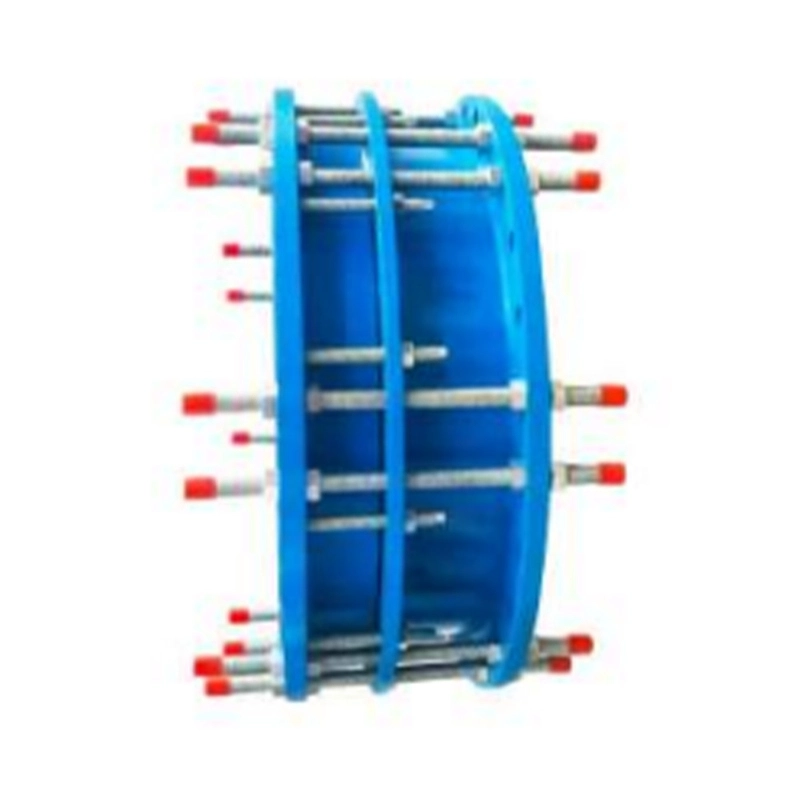
Обычное механическое соединение из гибкого железа состоит из трех основных частей:
- Прокладка: Обеспечивает герметический интерфейс между концами труб.
- Железа (или кольцо последователя): Сжать уплотнение на место.
- Болты и гайки: Применить равномерное давление для обеспечения сборки.
Каждая часть добавляет общую надежность соединения. Прокладка делает плотное уплотнение. Железа распределяет сжатие равномерно. И болты поддерживают постоянное напряжение вокруг окружности.
Как эти компоненты работают вместе
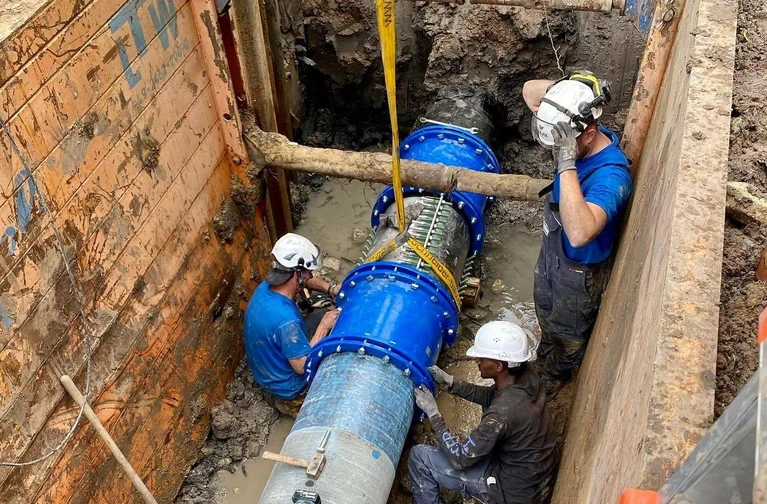
Когда вы собираете их вместе, железа толкает против уплотнения, когда болты затягиваются. Это действие образует водонепроницаемое уплотнение между концами трубы. Однако он все еще позволяет ограниченное угловое отклонение. Таким образом, сустав борется с утечкой даже при меняющемся давлении. Это ключевая особенность в системах водоснабжения с использованием гибких железных фитингов или конструкций соединений труб.
Ключевые преимущества механических соединений из пластичного железа
Сопротивление утечке
Тщательно изготовленная конструкция уплотнения гарантирует, что механические соединения останавливают потерю жидкости даже при высоком давлении. Эта устойчивость к утечке уменьшает водные отходы. Это также снижает потребности в техническом обслуживании со временем.
Высшее удерживание
Механические соединения могут иметь системы удержания. Эти блокируют трубы вместе. Они останавливают отделение от внутреннего давления или внешних сил, таких как движение почвы. Это повышает стабильность трубопровода. Но это не вредит гибкости.
Повышенная безопасность
Сохраняя конструктивную целостность под напряжением, механические соединения снижают риск разрыва труб или быстрых сбоев. Их конструкция также позволяет безопасную установку без сварки пламени или опасных материалов. Это часто упускаемый плюс безопасности.
Высокая гибкость
В отличие от жестких соединений, механические соединения позволяют небольшое угловое движение и циклы расширения-сжатия. Эта гибкость помогает воспринимать землевые поселения или тепловые изменения, не нанося ущерба структуре трубопровода.
Универсальность
Механические соединения легко вписываются в различные размеры и настройки труб. Они работают на прямых пробегах до поворотов и теннисов. Таким образом, они подходят для сложных макетов в городских инфраструктурных проектах.
Коррозионная стойкость
Само гвоздое железо дает хорошую коррозионную устойчивость в сочетании с защитными покрытиями или накладками. Механические суставные части обычно покрываются цинком или эпоксидными слоями. Они помогают продлить срок службы. Они защищают от химической атаки или воздействия влаги.
Простое обслуживание
Поскольку они могут разрываться без резки или сварки, механические соединения упрощают проверку и замену. Группы технического обслуживания могут быстро заменить уплотнения или ремонтировать фитинги на месте. Это большая помощь крупным муниципальным сетям.
Экономическая эффективность
Механические соединения сократить рабочее время во время установки. Они также сокращают время простоя при ремонте. Их длительный срок службы означает более низкие общие затраты на владение по сравнению со сварными системами.
| Преимущество | Описание | воздействие |
| Сопротивление утечке | Плотное сжатие уплотнения предотвращает утечку | Снижение потерь воды |
| Гибкость | Позволяет легкое движение без сбоя | Адаптируется к сдвигам почвы |
| Коррозионная стойкость | Защитные покрытия продлевают срок службы | Более низкая стоимость замены |
Применение механических соединений в трубопроводных системах
канализационных систем
В канализационных работах, где существуют жесткие условия, механические соединения обеспечивают сильную уплотнение от инфильтрации и эксфильтрации. Их коррозионная стойкость особенно полезна при обработке сточных вод. Здесь химическое воздействие остается постоянным.
Системы распределения воды
Для линий питьевой воды механические соединения обеспечивают чистую доставку, останавливая загрязнение через утечки. Они также облегчают рост сети. Это’ с потому что новые разделы могут присоединяться, не испортив старых строк.
Промышленные трубопроводы
В заводских условиях, таких как нефтеперерабатывающие заводы или химические заводы, механические соединения хорошо управляют жидкостями высокого давления. Они позволяют быстро менять систему во время смен процессов. Их адаптационная способность подходит для сложных макетов с системами труб из гвоздого железа. Они несут такие вещи, как газ или нефть.
Conflex, известный как надежный производитель промышленных продуктов соединения трубопроводов, производит высококачественные механические соединения, предназначенные как для стандартных, так и для требовательных сред. Инженерный опыт компании обеспечивает совместимость с несколькими стандартами гвоздого железа, используемыми во всем мире.
Как установить механические соединения из пластичного железа
Установка механического соединения из гибкого железа делает несколько четких шагов:
- Очистить все парящиеся поверхности — удалить грязь, масло или мусор с концов труб.
- Вставьте уплотнение на конец шпига, обеспечивая, что он сидит равномерно.
- Выровнивать трубы так что шпигот плавно входит в розетку.
- Позиция железы за уплотнением.
- Вставьте болты через фланцевые отверстия.
- Утягните гайки равномерно с использованием ключа крутящего момента в соответствии с спецификациями производителя.
- Проверка выравнивания после затяжения; Небольшие корректировки могут потребоваться до окончательного крутящего момента.
- Проведение испытаний давления проверить целостность уплотнения перед вводом в эксплуатацию.
Эти шаги обеспечивают стабильную работу при установке. Это работает будь то в муниципальных трубопроводах или промышленных сетях, требующих твердых решений для соединения труб.
Линия продукции Conflex поддерживает такие процедуры со стандартизированными размерами, которые подходят для большинства систем труб из гвоздого железа во всем мире. Это показывает, как точная инженерия облегчает полевую работу для подрядчиков и инженеров-коммуналов.
Часто задаваемые вопросы
В: Какова главная цель механического соединения?
Он надежно соединяет две трубы, сохраняя водонепроницаемость и позволяя ограниченную гибкость.
В: Подходят ли механические соединения для систем высокого давления?
Да, они предназначены для выдержания значительных внутренних давлений при правильной установке с правильными значениями крутящего момента.
В: Как часто следует заменять уплотнения в механических соединениях?
Обычно во время крупных интервалов обслуживания или если признаки утечки появляются после лет обслуживания.
В: Можно ли повторно использовать механические соединения?
Да, компоненты, такие как железы и болты, часто могут быть повторно использованы, если не повреждены; Прокладки всегда следует заменять новыми.
Вопрос: Какие материалы используются для уплотнений в гибких железных фитингах?
Общие материалы включают резиновые соединения, такие как EPDM или SBR в зависимости от температуры и типа жидкости.
 Russian
  English
  Arabic
  Chinese
  French
  German
  Indonesian
  Italian
  Kazakh
  Kyrgyz
  Portuguese
  Spanish
  Swahili
  Uzbek
Uzbek