





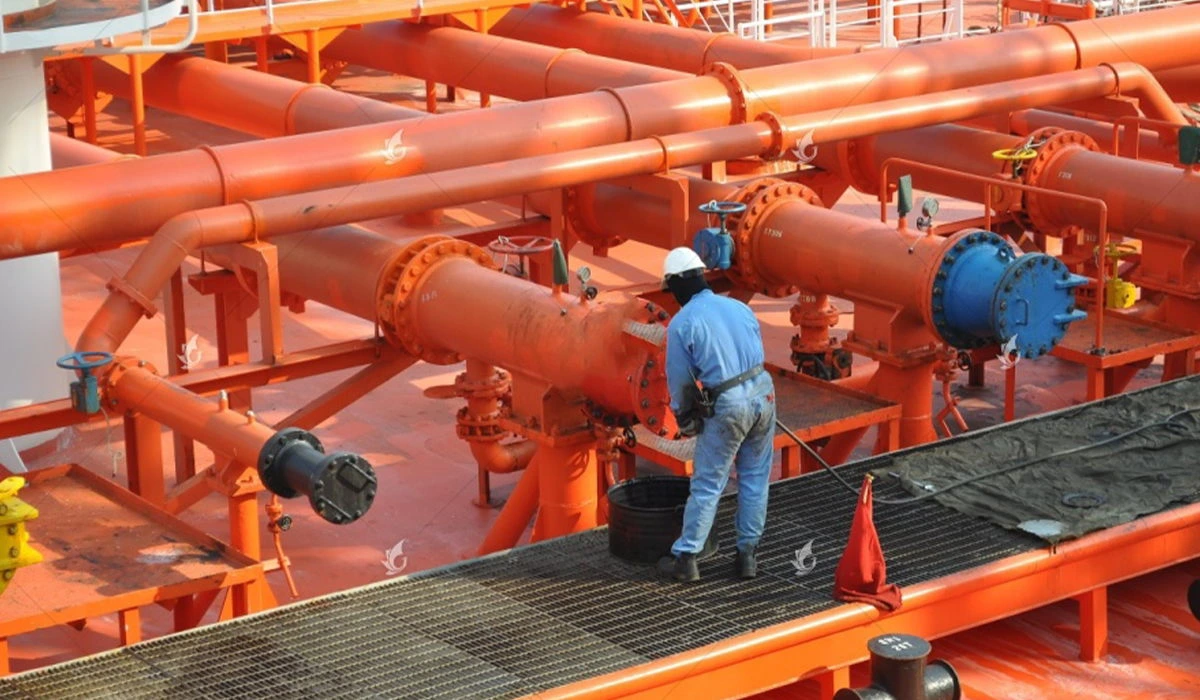
Найроби демонстрирует знакомую муниципальную проблему: в систему может поступать больше воды, в то время как потери при распределении остаются неизменными. Прокладываются новые трубопроводы, меняются зоны давления, старые магистрали остаются в эксплуатации, а потери воды, не приносящие дохода, по-прежнему остаются проблемой эксплуатации. Подключения являются частью этой картины.
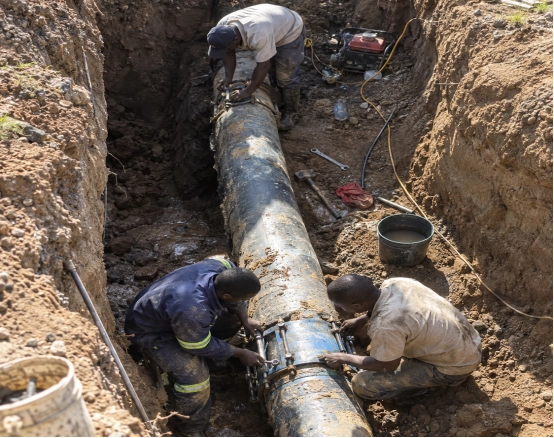
В восточной части Найроби в рамках программы интенсификации распределительной сети было проложено около 220 км новых трубопроводов. Большее количество труб также означает больше соединений, переходов и точек для будущего ремонта.
Выбор соединительных муфт для муниципальных систем водоснабжения следует начинать с выбора трубы и места установки, а не с каталога.
Почему выбор соединительных муфт для труб имеет значение в муниципальных водопроводных сетях
Муниципальные сети редко бывают однородными. Новый участок из ПВХ или ПНД может быть подключен к чугунной трубе, установленной десятилетия назад. Ремонтная бригада может обнаружить трубу, наружный диаметр которой не соответствует чертежу.
Соединительное устройство должно герметизироваться под давлением, соответствовать реальным размерам трубы и выдерживать ожидаемые перемещения. Если хотя бы одно из предположений неверно, соединение может стать проблемой при техническом обслуживании. Утечки, повторные земляные работы и простои обычно обходятся гораздо дороже, чем само соединительное устройство.
1. Начните с материала трубы и фактического наружного диаметра.
Материал и внешний диаметр позволяют быстро отсеять неподходящие варианты. Одного лишь номинального размера недостаточно, особенно в реабилитационной работе.
Определите материал трубы.
Убедитесь, что именно находится в траншее: высокопрочный чугун, сталь, ПВХ, полиэтилен/полиэтилен высокой плотности, нержавеющая сталь или другой материал, используемый в прошлом. Чертежи помогут. Полевая проверка безопаснее.
Две трубы с одинаковым номинальным диаметром могут иметь разные наружные диаметры, поскольку они соответствуют разным стандартам. «Соединительная муфта DN200» звучит понятно, пока поставщик не запросит наружный диаметр.
В полезном запросе на коммерческое предложение следует указать материал трубы, номинальный диаметр и измеренный наружный диаметр. На старых магистральных трубах следует измерять диаметр в нескольких точках. Коррозия и старые покрытия могут изменить фактические размеры.
Специализированные и универсальные муфты
Использование специального соединительного элемента целесообразно, когда материал трубы и ее внешний диаметр известны и стандартизированы. Простыми примерами являются соединения из чугуна с чугуном или из ПВХ с ПВХ.
Универсальные муфты Они полезны в случаях, когда материалы различаются, наружные диаметры варьируются или существующий водопровод невозможно с уверенностью идентифицировать. Они предоставляют подрядчикам больше возможностей для маневрирования во время восстановительных и аварийных работ.
2. Подберите номинальное давление соединения в соответствии с условиями сети.
Рабочее давление — это лишь часть картины.
В муниципальных системах наблюдаются запуски насосов, работа клапанов, изменения высоты и гидроудары. Муфта, выбранная точно под нормальное рабочее давление, может иметь небольшой запас прочности для учета фактического поведения сети.
Проверяйте максимальное ожидаемое давление, а не просто типичное дневное показание. Значения PN10, PN16, PN25 и выше являются полезными ориентирами, но муфту, трубу и подключенное оборудование следует рассматривать как единую систему, работающую под давлением.
Номинальное давление должно иметь разумный запас. Не чрезмерный запас — достаточный для работы сети.
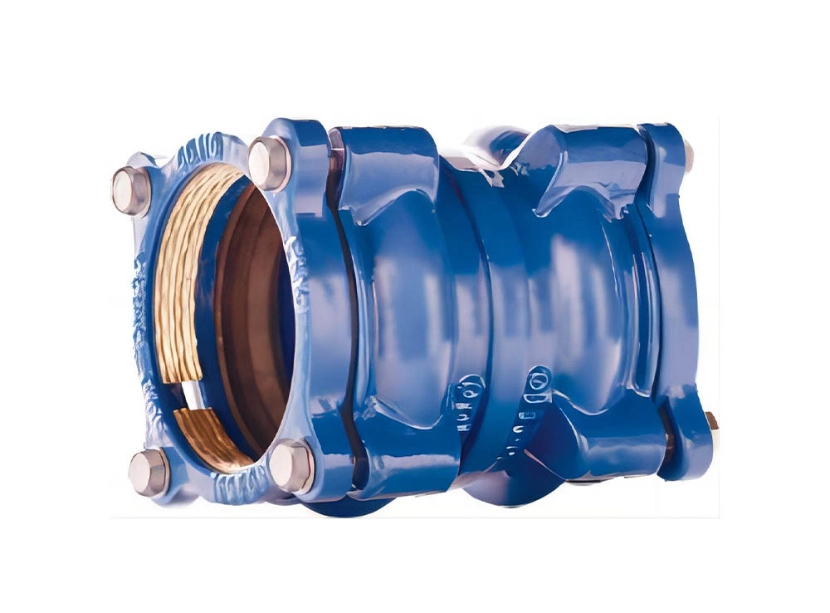
3. Определите, требуется ли осевая фиксация.
Герметизация трубы и её закрепление — это разные задачи.
Стандартная муфта может обеспечить водонепроницаемое соединение, допуская при этом некоторое осевое перемещение. Это может быть приемлемо для стабильного трубопровода. В других случаях движение может привести к вырыванию трубы из муфты.
Это особенно важно для полиэтиленовых труб, при изменении направления, на открытых участках и в неустойчивом грунте.
Когда более целесообразно использовать сдержанные пары
Удерживаемые соединения Их стоит учитывать в тех случаях, когда нельзя игнорировать гидравлическое усилие или движение труб.
Типичные места установки включают отводы, тройники, полиэтиленовые трубопроводы, соединения насосов и участки, подверженные осадке. Механическое крепление помогает противостоять осевому вырыванию, а не полагаться только на герметичность.
Для полиэтиленовых соединений проверьте материал, SDR, наружный диаметр и ожидаемое перемещение. Зажимная система должна соответствовать трубе, которую она предназначена удерживать.
4. Проверьте совместимость с питьевой водой, наличие прокладок и защиту от коррозии.
Соединительный элемент в водопроводной сети — это не только механический компонент. Важны и материалы, контактирующие с водой. Муфты Conflex для муниципальных водопроводов одобрены WRAS для использования в системах питьевого водоснабжения, имеют маркировку CE и изготовлены в соответствии с системами контроля качества, сертифицированными по стандарту ISO.
Укажите продукцию, подходящую для использования в системах питьевого водоснабжения, и проверьте необходимые для проекта разрешения. Качество покрытия, защита болтов и материал прокладок также заслуживают внимания, особенно во влажных камерах или в агрессивных грунтах.
Выбор прокладки имеет значение.
EPDM широко используется в системах водоснабжения, но не все эластомеры взаимозаменяемы.
Температуру воды, дезинфицирующие средства, давление и требования к сертификации следует сверять со спецификацией прокладки. Если по трубопроводу транспортируется масло, углеводороды или другая технологическая жидкость, выбор прокладки может потребовать изменения.
В проектах по обеспечению питьевой водой совместимость имеет большее значение, чем небольшая экономия на соединительных элементах.
5. Учитывайте несоосность и реальные условия монтажа.
Траншея для трубы редко бывает такой же чистой, как на чертеже, выполненном в САПР.
Существующие магистрали могут быть немного смещены относительно друг друга. Место для земляных работ может быть ограничено. Один из концов трубы может быть зафиксирован путем прокладки через стену или в камере клапана. У подрядчиков может быть короткий период времени для остановки работ.
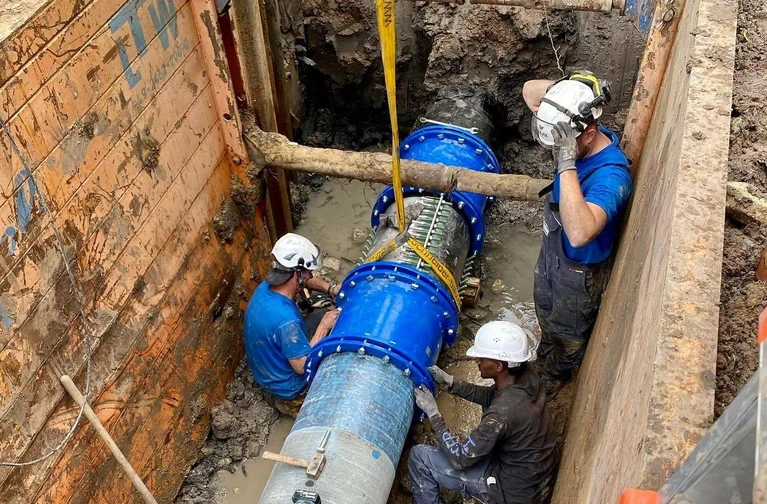
Соединительное устройство, допускающее разумное угловое отклонение, может упростить подобные ситуации. Длина монтажа, доступ к болтам и допуски по размерам также влияют на скорость выполнения соединения.
Небольшие допуски полезны. Значительное смещение по-прежнему означает некачественную прокладку трубопровода.
Какой соединительный элемент для труб выбрать? Практическое руководство по выбору соединительных элементов для муниципальных систем водоснабжения.
Для стандартного соединения из высокопрочного чугуна требуется специальное DI-соединение Обычно это самый чистый вариант. Соединения ПВХ-трубы ПВХ подчиняются той же логике: выбор зависит от фактического внешнего диаметра и класса давления.
Использование смешанных материалов или неопределенные исходные размеры часто указывают на необходимость универсального соединителя. Для полиэтиленовых труб с риском вырыва может потребоваться соединитель с ограничителем. Для труб с гладкими концами, соединяющихся с фланцевым клапаном, обычно лучше использовать фланцевый адаптер.
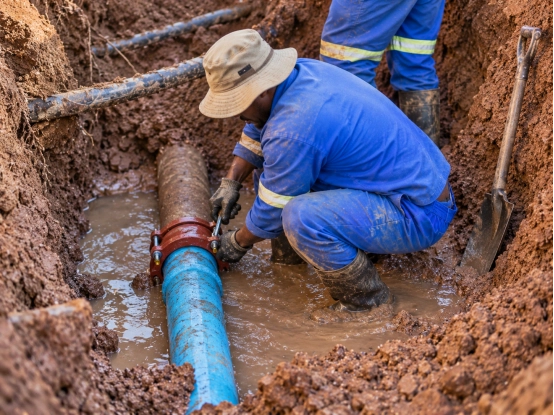
Локализованная утечка — это другое дело. Если труба остается структурно пригодной, а проблема заключается в трещине, микроотверстии или поврежденном участке, то ремонтный зажим может быть более целесообразным, чем резка трубы.
| Муниципальное заявление | Рекомендуемое подключение |
| DI-to-DI соединение | Муфта для трубы из DI |
| ПВХ-соединение | ПВХ трубная муфта |
| Различные материалы или диапазоны внешнего диаметра | Универсальное соединение |
| Полиэтиленовая труба с риском осевого перемещения | 海水淡化厂管道连接解决方案关键考虑 |
| Труба к фланцевому клапану или оборудованию | Адаптер фланца |
| Локализованная утечка | Ремонтный зажим |
Контрольный список из 7 пунктов перед заказом муфт для муниципальных труб
Перед отправкой запроса предложений (RFQ) подтвердите следующее:
- Материал трубы
- Фактический наружный диаметр трубы
- Нормальное и максимальное рабочее давление
- Требования к сертификации питьевой воды
- Требования к осевому ограничению
- Ожидаемое угловое смещение
- Требования к прокладкам, покрытиям и коррозионной стойкости
При реализации проектов по реконструкции укажите, что именно соединяется с обеих сторон. Переход от чугуна к ПВХ представляет собой иную задачу выбора, чем переход от чугуна к чугуну, даже если номинальные размеры идентичны.
В заключение — выбирайте, исходя из особенностей сети, а не только номинального диаметра труб.
Расширение водопроводной сети Найроби напоминает о том, что добавление воды и новых трубопроводов не устраняет автоматически потери в распределительной сети. Детали подключения по-прежнему имеют значение.
Для муниципальных систем водоснабжения выбор соединительных элементов должен соответствовать фактическому материалу трубы, ее внешнему диаметру, давлению, требованиям к креплению, характеристикам питьевой воды и условиям эксплуатации. Компания Conflex предлагает трубные соединительные элементы, фланцевые адаптеры, соединения с креплением и решения для ремонта сетей из чугуна, ПВХ, полиэтилена и комбинированных материалов. Наша продукция для систем питьевого водоснабжения имеет сертификаты WRAS, маркировку CE и соответствует стандартам производства, сертифицированным по ISO.
Как правильно установить зажим для ремонта труб Укажите материал трубы, ее фактический внешний диаметр, рабочее давление, рабочую среду и требования к сертификации, чтобы определить подходящее решение для соединения вашего проекта.
Часто задаваемые вопросы
В: Какое соединительное устройство лучше всего подходит для водопроводных линий?
Единого наилучшего типа не существует. Специальные муфты подходят для известных материалов и размеров. Универсальные муфты помогают при работе с материалами разного диаметра или с неопределенными наружными диаметрами. Муфты с фиксацией предпочтительны в тех случаях, когда существует риск осевого перемещения или вырывания.
В: Может ли универсальная муфта соединять трубы из разных материалов?
Да, если оба наружных диаметра труб находятся в пределах указанного диапазона соединения и изделие подходит для эксплуатации. Фактический наружный диаметр имеет большее значение, чем номинальный размер.
В: Когда следует использовать муфту с фиксацией?
Используйте ограничители там, где гидравлическое усилие, перемещение полиэтиленовой трубы, осадка или изменение направления могут создавать осевые нагрузки, которые стандартная уплотнительная муфта не должна выдерживать.
В: Какую информацию следует отправить производителю муфт?
Укажите материал трубы, фактический наружный диаметр, требуемое давление, рабочую среду, требования к креплению и условия получения разрешения на использование питьевой воды. Фотографии объекта полезны при проведении ремонтных и восстановительных работ.
 Russian
  English
  Arabic
  Chinese
  French
  German
  Indonesian
  Italian
  Kazakh
  Kyrgyz
  Portuguese
  Spanish
  Swahili
  Uzbek
Uzbek