






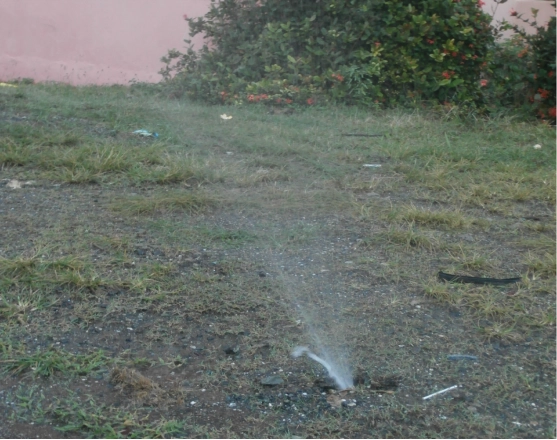
Дар-эс-Салам преподносит суровый урок по восстановлению водопроводных сетей. Всемирный банк сообщил, что в 2015/2016 году потери воды в городе достигли 53%. При этом не каждый потерянный кубометр воды был вызван неисправностью соединений. Даже в сети, испытывающей давление, утечки в соединениях, которых можно было бы избежать, всё равно недопустимы.
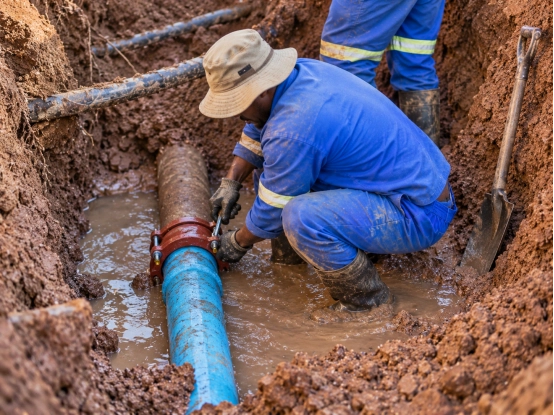
Представьте себе бригаду, заменяющую запорный клапан на магистральном трубопроводе из высокопрочного чугуна. Труба имеет гладкие концы. Новый клапан имеет фланцевое соединение. Подача воды должна возобновиться до вечернего пика. Выбор переходника теперь становится инженерным решением.
Почему правильный фланцевый переходник важен в стареющей водопроводной сети
А адаптер фланца На чертеже все выглядит просто. На месте размеры и давление соответствуют качеству монтажа. Одна ошибка может превратить четырехчасовую остановку работ в земляные работы, которые займут всю ночь.
Одна неправильная спецификация может породить несколько рисков.
Неправильный диапазон наружного диаметра может препятствовать равномерному сжатию прокладки. Неправильное сверление может сделать невозможным закрепление клапана болтами. Несовместимая прокладка может разбухнуть или затвердеть. Слабое покрытие может сократить срок службы подземного соединения. Бригады также затягивают клапаны на место с помощью фланцевых болтов. Задержанная нагрузка часто возвращается позже в виде просачивания.
Что такое фланцевый переходник для трубы из высокопрочного чугуна?
Данный компонент обеспечивает механический переход между трубой из чугуна с гладкими концами и фланцевым оборудованием. Он позволяет избежать сварки и уменьшает необходимость резки при последующем демонтаже.
Его функция в трубопроводе
Корпус надевается на конец трубы. Между корпусом и сальником находится прокладка. Болты сальника сжимают её вокруг трубы. Фланцевая поверхность соединяется с оборудованием. Узел допускает незначительные отклонения, но не заменяет опоры или ограничители осевой нагрузки.
Фланцевый переходник против аналогичных изделий
Фланцевый адаптер соединяет гладкий конец с фланцем. Муфта соединяет два гладких конца. Разборное соединение обеспечивает осевую регулировку. Ремонтный зажим герметизирует повреждения стенок трубы. Их функции не взаимозаменяемы. Протекающий ствол нуждается в ремонте. Для исправного трубопровода прямого литья, соединяющегося с новым клапаном, необходим адаптер.
Семь факторов, которые следует проверить перед выбором фланцевого переходника для чугунных труб.
Правильный выбор начинается с данных о местоположении. Запрос на покупку, в котором указано только «фланцевый адаптер DN300», оставляет слишком много нерешенных вопросов. В бланке запроса должны быть указаны следующие параметры.
1. Подтвердите фактический наружный диаметр трубы.
DN — это не полевой размер. Измерьте наружный диаметр в нескольких точках. Проверьте овальность и наличие отложений на поверхности. Удалите отслоившуюся коррозию. Измеренный наружный диаметр должен находиться в пределах указанного диапазона для адаптера.
Ремонт старого покрытия также может изменить пригодную для герметизации поверхность.
2. Соответствовать стандарту сверления фланцев.
Подтвердите стандарт ответного фланца по чертежу или паспортной табличке. Проверьте расположение болтов и схему расположения отверстий. Фланцы EN и ANSI с одинаковым диаметром могут не совпадать. Если документы отсутствуют, пришлите размеры и фотографии. Увеличение отверстий может ослабить фланец и привести к смещению прокладки от центра.

3. Выберите правильное номинальное давление.
Сравните номинальные характеристики адаптера с рабочим и испытательным давлением. Учтите также давление скачков давления. Для сети PN16 нецелесообразно использовать адаптер PN16, если переходные процессы превышают допустимые значения. Номинальные характеристики соединения ограничены его наименее номинальной частью.
4. Выберите прокладку для транспортируемого потока.
EPDM широко используется в системах очистки воды. SBR может подходить для сточных вод. NBR обычно рассматривается для работы с маслом.
| Трубопровод средний | Вариант прокладки для оценки | Примечание по выбору |
| Питьевая или очищенная вода | Epdm | Подтвердите разрешение на использование питьевой воды. |
| Нейтральная вода или сточные воды | EPDM/SBR | Проверьте температуру и химический состав. |
| Услуги по транспортировке нефти или углеводородов | Нян | Проверьте точную совместимость жидкостей. |
Примечание по технике безопасности: окончательный выбор прокладки должен соответствовать данным производителя о химической совместимости. Для проектов, связанных с питьевой водой, требуется получение необходимых разрешений от местных властей.
5. Оцените температуру и воздействие окружающей среды.
Температура жидкости влияет на прокладку. Состояние грунта влияет на все, что находится за его пределами. Заглубленные в засоленный грунт адаптеры нуждаются в соответствующем покрытии и защищенных крепежных элементах. Перед опусканием узла проверьте повреждения покрытия. Ремонт царапины до заглубления обходится недорого. После засыпки — нет.
6. Учитывайте выравнивание и перемещение труб.
Гибкий фланцевый адаптер допускает ограниченное угловое отклонение. Он не может компенсировать значительное смещение или удерживать незакрепленный клапан. Проверьте ожидаемую осадку и осевое перемещение. В местах, где давление может разорвать соединение, обеспечьте инженерную фиксацию или анкеровку. Трение прокладки не является фактором контроля осевой нагрузки.
7. Проверьте сертификаты и проектную документацию.
Запросите чертеж с указанием размеров и спецификацию материалов. Перед отгрузкой ознакомьтесь с протоколами испытаний и данными о покрытии. При необходимости проверьте наличие разрешений на использование питьевой воды. Инструкция по установке Необходимо связаться с экипажем.
Подбор адаптера для распространенных сценариев восстановления трубопроводов
Одна линейка продуктов может выполнять разные задачи. Условия эксплуатации влияют на уровень риска.
Сценарий А: Замена запорного клапана в городском водопроводе.
Очистите и измерьте диаметр трубы из деионизированной стали. Подберите трубу в соответствии с диаметром отверстия клапана и классом давления. Для подземной эксплуатации укажите водонепроницаемую прокладку и подходящее покрытие. Оставьте зазор для равномерной затяжки болтов.
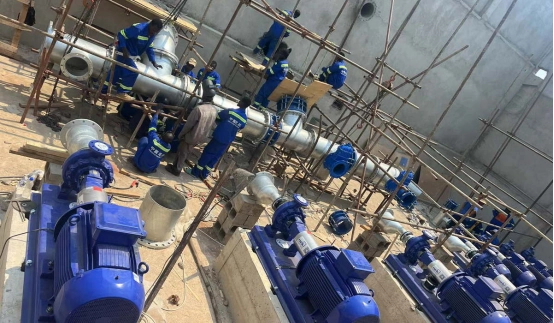
Сценарий B: Подключение существующего магистрального трубопровода к новому насосу или расходомеру.
Установите насос или измерительный прибор отдельно. Убедитесь в надежности фланцевого соединения и оставьте достаточно места для снятия. Оцените вибрацию, а не перекладывайте ее на адаптер в качестве второстепенной задачи.
Сценарий C: Работа со старой или неопределенной спецификацией трубопровода.
Не гадайте, имеет ли труба овальную форму. Запишите ее минимальный и максимальный наружный диаметр. Сфотографируйте маркировку и фланец. Укажите рабочую среду и давление в запросе. Проверенная конфигурация безопаснее, чем попытка установить стандартный элемент на ненадежный трубопровод.
Проверки установки, защищающие выбранный адаптер.
Даже при поспешной установке качественная фурнитура может протекать. При выборе материала необходимо уделять такое же внимание зоне уплотнения.
Контрольный список:
- Изолируйте и полностью сбросьте давление в трубопроводе.
- Очистите конец трубы от рыхлой ржавчины и мусора.
- Осмотрите поверхность трубы и прокладку на наличие дефектов.
- Убедитесь в достаточной глубине введения.
- Установите переходник в нужное положение, не прилагая чрезмерных усилий к трубе или клапану.
- Затягивайте болты постепенно, поочередно крест-накрест.
- Используйте значения крутящего момента, указанные производителем.
- Проведите испытание под контролируемым давлением или проверку на герметичность.
- При необходимости повторно проверьте соединение после ввода в эксплуатацию.
Даже правильно подобранный переходник может протекать, если повреждена прокладка или болты затянуты неравномерно.
Часто задаваемые вопросы о переходниках для фланцев из чугуна
Вопрос: Можно ли с помощью фланцевого переходника напрямую соединить чугунную трубу с клапаном?
Да. Наружный диаметр трубы должен соответствовать диапазону адаптера. Диаметр отверстия для фланца, класс давления и материал прокладки также должны соответствовать условиям эксплуатации.
Вопрос: Как определить правильный размер фланцевого адаптера?
Используйте измеренные наружный диаметр трубы и размеры сопрягаемого фланца. Одного номинального диаметра недостаточно.
Вопрос: Какая прокладка подходит для питьевой воды?
EPDM широко используется. Уточните его температурный диапазон и требования к разрешению на использование питьевой воды в месте реализации проекта.
Вопрос: Может ли гибкий фланцевый адаптер исправить смещение трубы?
Она допускает ограниченное угловое отклонение. Значительное смещение или неконтролируемое движение требуют коррекции в другом месте.
Выбор фланцевого адаптера Conflex для вашего проекта
Полная информация о поле ускоряет выбор. Компания Conflex предлагает фланцевые переходники для труб из высокопрочного чугуна. От DN80 до DN2000. Доступные классы: PN10/PN16/PN25/PN40.
Стандартная конструкция выполнена из высокопрочного чугуна GGG50 для корпуса и сальника. В качестве прокладок используются EPDM, SBR и NBR. Крепежные элементы могут быть изготовлены из углеродистой или нержавеющей стали. Защита от коррозии обеспечивается эпоксидной смолой, нанесенной методом термопластичного спекания. Заявленное общее угловое отклонение составляет ±3 градуса. Возможны индивидуальные варианты исполнения.
Отправьте в компанию Conflex диаметр трубы (DN) и измеренный внешний диаметр (OD). Укажите стандарт фланца и рабочее давление. Укажите среду и условия на площадке. Инженерная группа сможет порекомендовать конфигурацию до начала земляных работ.
Запросить рекомендации по выбору фланцевого переходника
 Russian
  English
  Arabic
  Chinese
  French
  German
  Indonesian
  Italian
  Kazakh
  Kyrgyz
  Portuguese
  Spanish
  Swahili
  Uzbek
Uzbek