




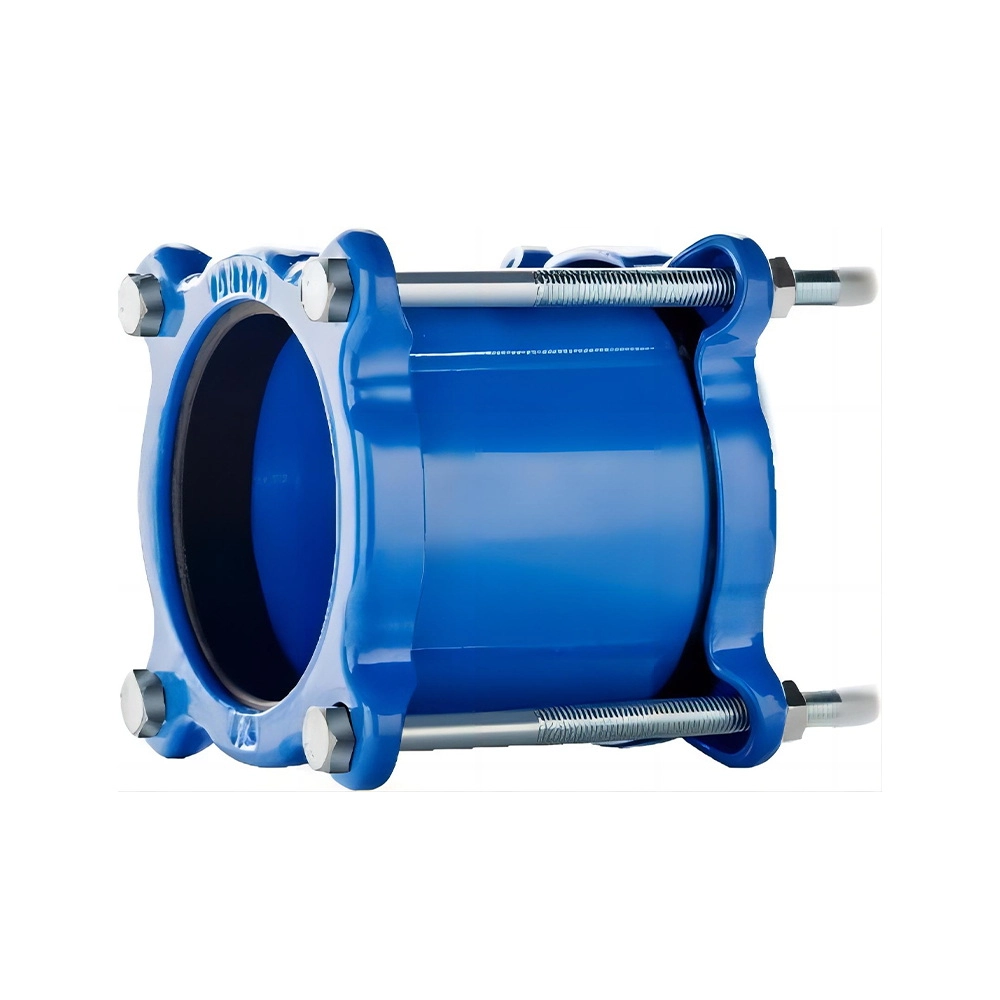
Ductile iron flexible couplings provide a useful fix for joining pipelines. This is true mainly in water supply setups. There, you expect shifts, shakes, or small offsets. They get made to take up and fit in. That way, putting them in goes easier. Plus, they last better over time. If you handle ductile iron pipes and want strength along with simple upkeep, knowing how to fit flexible couplings well is important.
Understanding Ductile Iron Flexible Couplings
Key Features of Ductile Iron Flexible Couplings
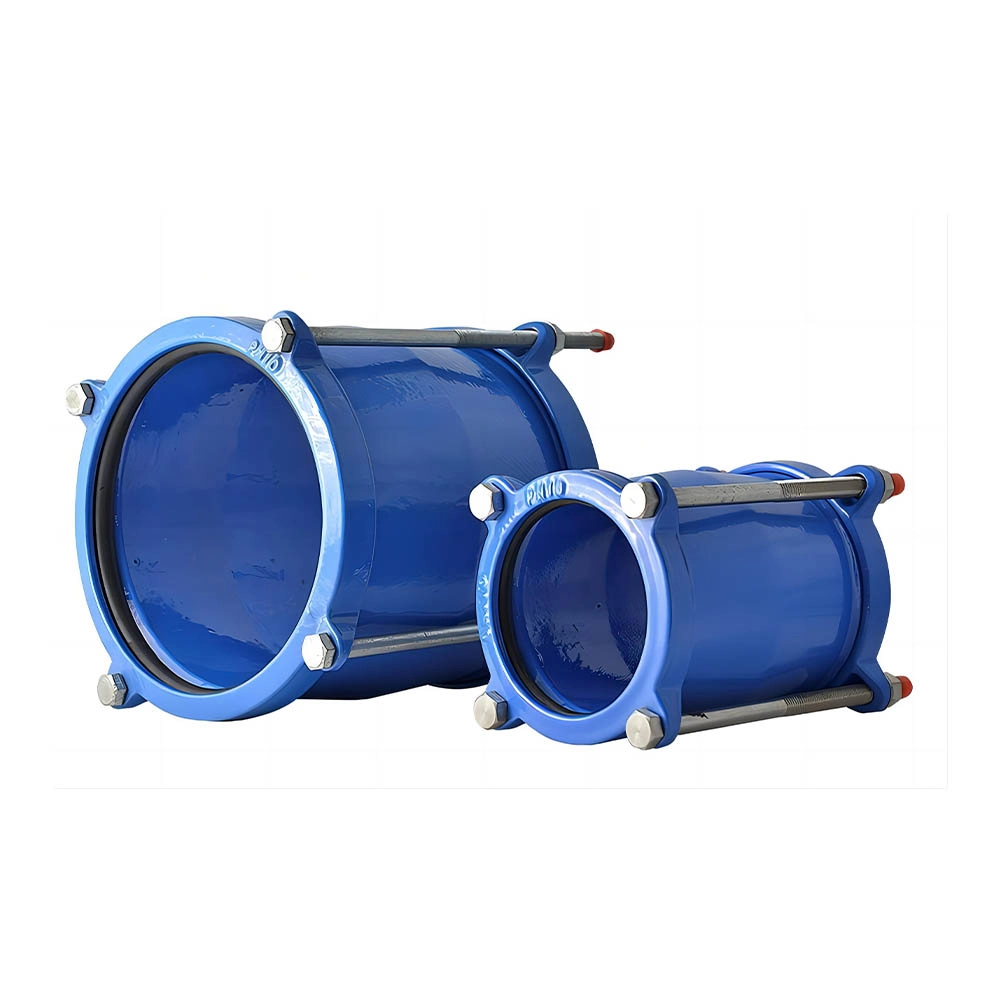
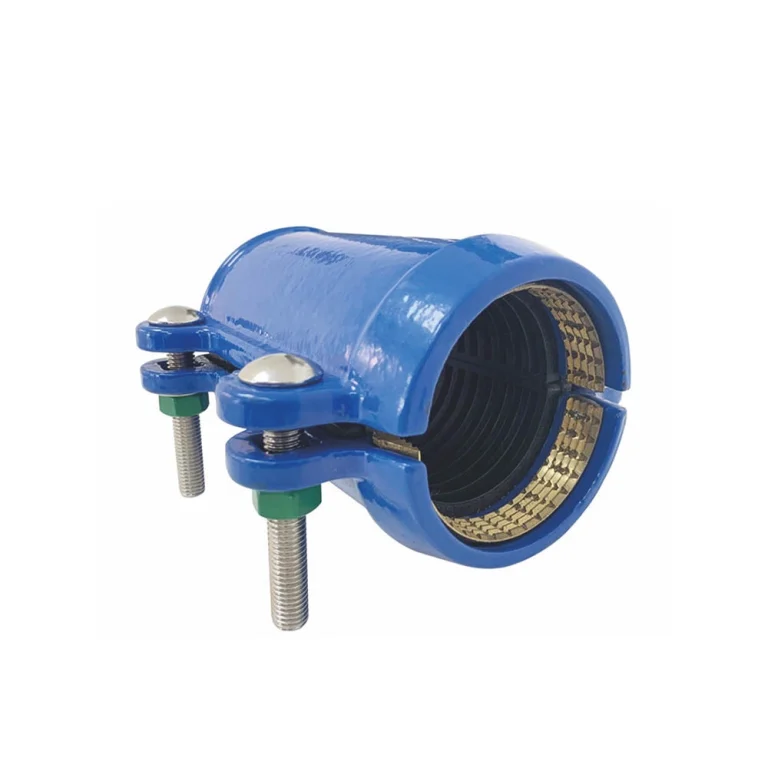
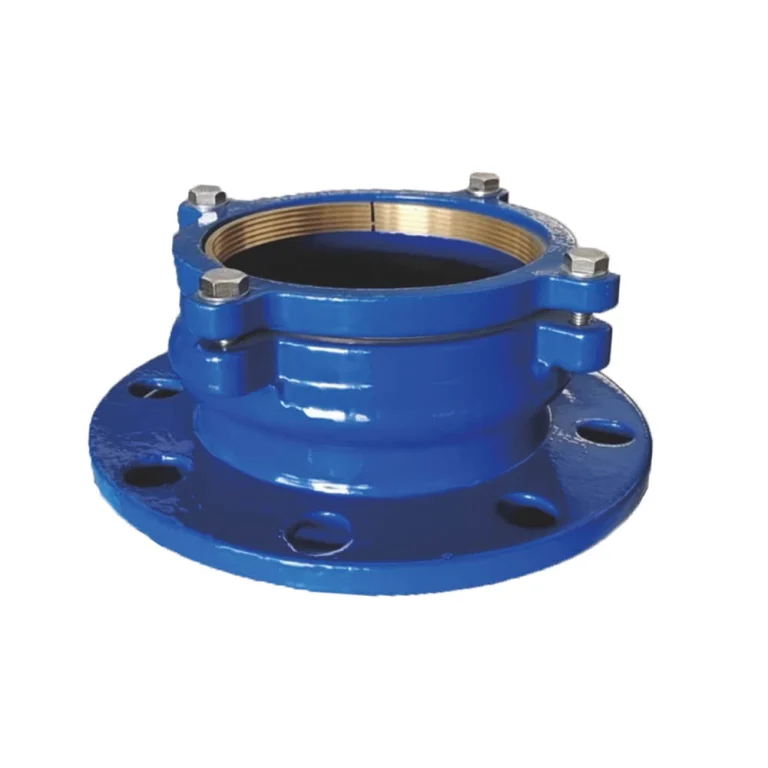
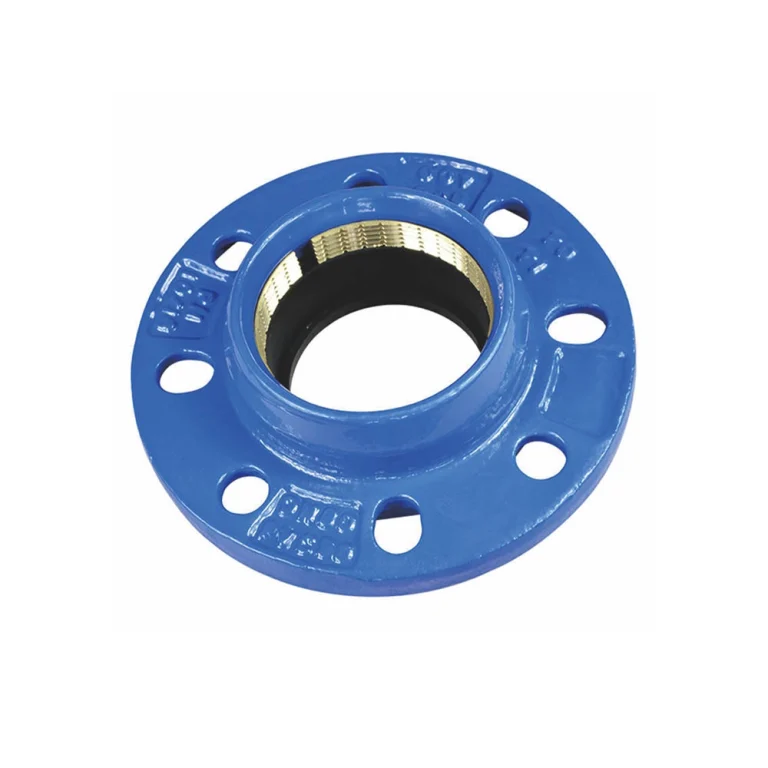
Flexible Kupplungen built from ductile iron get designed to deal with various strains. Rigid joints cannot manage those. They permit small pipe shifts and angle bends. This comes in handy for systems that may move a bit as time goes on. Soil settling or heat changes cause that. The ductile iron frame gives solid power. At the same time, the inner seals make a leak-proof close.
These couplings are:
- Designed to accommodate pipe movement and misalignment
- Made from corrosion-resistant materials to withstand harsh environments
- Compatible with various pipe diameters and pressure ratings
Their flexibility suits them for jobs in city structures and out-of-way water lines.
Advantages in Water Supply Systems
Working in narrow ditch spots or rough land can prove tough with stiff ties. Flexible couplings make the job simpler. They let you tweak a little while setting up. And that cuts down on time. It also lowers the push for exact digging or pipe slicing.
They also:
- Minimize stress on pipelines from external forces like ground shifts or thermal expansion
- Improve sealing capability, reducing the risk of leaks over time
In town water systems, where steady work counts a lot, these perks stand out clear.
Required Tools and Materials for Installation
Essential Tools for Assembly
Setting up right needs a group of trusty tools:
- Drehmomentschlüssel
- Socket set
- Pipe alignment tools
- Lubricant (usually provided or recommended by the manufacturer)
- Pipe cleaning brushes or cloths to prep the surface
Don’t skip surface cleaning—it ensures better gasket contact and a secure seal.
Recommended Safety Equipment
Though it’s a fairly simple job, safety stays top priority:
- Schutzhandschuhe
- Sicherheitsbrille
- Steel-toed boots
- High-visibility vest or clothing
- Respirator if you’re working in enclosed or dusty environments
Basic kit, yet it brings real help—mainly in deep ditches or lines with pressure.
Preparing the Site for Installation
Setting Up the Trench Area
Before placing anything in the trench:
- Confirm the trench depth and width meet design requirements
- Make sure there’s stable bedding beneath the pipe—often compacted sand or gravel
This helps spread load even. And it stops drooping that might hurt the join.
Pre-Installation Inspection Steps
Nobody wants to rip up done work from missed flaws. So check:
- Both pipes and coupling components for visible cracks, dents, or irregularities
- That the coupling size matches your ductile iron pipe OD (outside diameter)
It’s a fast move that saves lots of time down the road.
Schritt-für-Schritt-Installationsprozess
Aligning Pipes Correctly Before Coupling Installation
Good lining up matters for lasting results:
- Pipes must be centered to avoid placing lateral stress on the coupling
- Leave a specified gap between pipe ends—check your manufacturer’s chart, but it’s usually a few millimeters
This room lets heat shifts happen. It also allows right seal squeeze.
Assembling the Flexible Coupling Components
Putting together begins with oiling:
- Apply lubricant to gasket surfaces as instructed—it helps seat the gasket without tearing
- Slide the coupling evenly over the joint, ensuring the gaskets are seated correctly
- Loosely fit bolts to hold it in place while you make final adjustments
Some workers turn the coupling a tad side to side. They do this to check if all sits well before pulling tight.
Tightening Procedures for a Secure Fit
To skip lopsided force:
- Use a torque wrench and tighten bolts in a star pattern (crisscross sequence)
- Follow the torque specs exactly—overtightening can deform gaskets, while undertightening leads to leaks
It’s boring but needed. Some fitters note each bolt after twisting. That acts as a sight check.
Post-Installation Inspection and Testing Procedures
Conducting a Pressure Test on the Joint
Test every time before filling back in:
- Pressurize the line slowly while monitoring for leaks at the joint
- Hold test pressure (usually 1.5 times operating pressure) for the duration specified—often 30 minutes or more depending on standards
If leaks show in this check stage, fix what’s off. It’s smarter now than once buried.
Performing a Final Visual and Functional Check
After the pressure check ends:
- Visually inspect all bolts, gasket areas, and pipe alignment again
- Look for any signs of movement or deformation during pressurization
See to it that all seems as firm as before the pressure push.
Common Installation Issues and Solutions
Addressing Leaks at the Joint Area
If a drop appears:
- Recheck torque values on all bolts using your wrench
- Inspect gasket alignment—sometimes they shift slightly during assembly
Don’t assume it’s a material defect until you’ve double-checked your work.
Correcting Pipe Misalignment Problems
Pipes out of line cause uneven seal press:
- Use proper alignment tools or supports to reposition pipes before reinstalling the coupling
Forcing it while putting together often brings leaks or early damage.
Routine Maintenance Tips for Long-Term Performance
Flexible couplings need little care, but not none at all:
- Perform periodic checks (annually or biannually) to ensure bolt torque hasn’t loosened over time
- Clean exposed metal parts if accessible—especially in corrosive environments—to prevent buildup and rust
Marken wie Confex, which manufactures industrial pipeline connection components including repair clamps and flexible joints, often provide maintenance guidelines with their products. Their solutions are widely used across water, oil, and gas systems—making them a reliable reference point in this space.
Ductile Iron Coupling Installation in Practice
On one urban infrastructure project involving ductile iron pipes running through old cobblestone streets, flexible couplings from Conflex were chosen specifically because trenching was limited by existing utilities. The couplings absorbed slight misalignments caused by historic building foundations shifting over time—an excellent case of form meeting function.
FAQs
Q1: Can ductile iron flexible couplings be reused?
A: In most cases, yes—if they pass inspection and haven’t been deformed or corroded.
Q2: How much deflection can these couplings handle?
A: It depends on size/type, but many accommodate 3–5 degrees of angular deflection per joint.
Q3: Are special gaskets needed for different fluids?
A: Yes—check material compatibility if installing on systems carrying chemicals or hot water.
Q4: Do these couplings fit PVC or steel pipes?
A: Some models do, but always verify outer diameter compatibility first.
Q5: What’s the typical lifespan of a flexible coupling?
A: With proper installation and maintenance, 30+ years is common in water systems.
 German
  English
  Arabic
  Chinese
  French
  Indonesian
  Italian
  Kazakh
  Kyrgyz
  Portuguese
  Russian
  Spanish
  Swahili
  Uzbek
Uzbek