




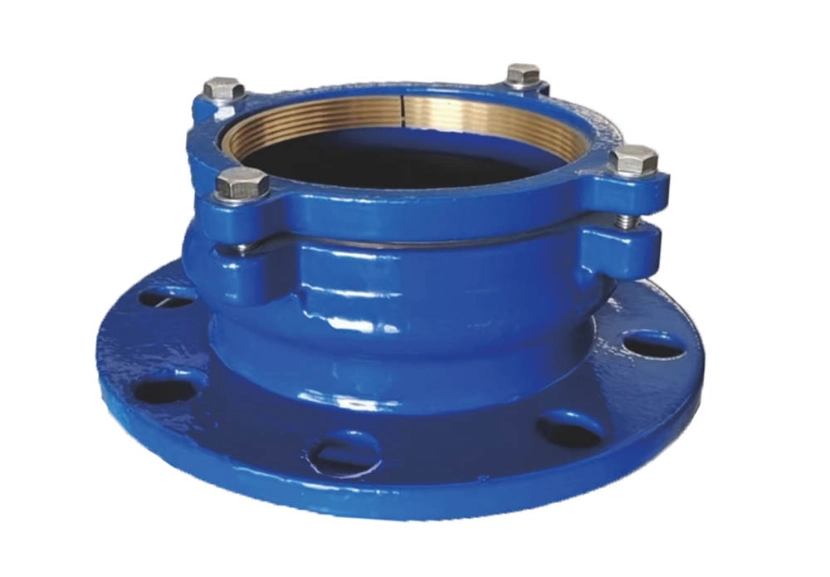
Kernaufbau beinhaltet eine Gummidichtungsdichtung gepaart mit einer harten äußeren Schale, in der Regel Edelstahl. Diese Kombination schafft eine druckdichte Dichtung.
Wie sie versiegelt wird: Die Dichtung komprimiert gegen das Rohr, während Schrauben die Schale straffen. Keine Notwendigkeit für fancy Werkzeuge in den meisten Fällen.
Unterwasserreparaturen: Herausforderungen und technische Überlegungen Flanschadapter Wichtige Herausforderungen in Unterwasserwelt
Unterwasserreparaturen werfen echte Hindernisse auf. Schweißen? Vergessen Sie es – zu riskant und schwer, um es sicher zu machen.
Niedrige Sichtbarkeit verhindert präzise Arbeit. Taucher oder ROVs kämpfen im trüben Wasser. Dann gibt es’ Druck- und Temperaturverschiebungen, die Materialien belasten.
Korrosion trifft auch hart und fresst im Laufe der Zeit an Rohren weg. Und don’ t Ströme übersehen; Sie können Werkzeuge während der Installation herumschlagen.
Wie Reparaturklemmen diese Probleme lösen
Pipeline Leckage Reparatur Klemmen begegnen diesen Kopf auf. Vormontierte Designs reduzieren Installationszeit, entscheidend, wenn jede Minute unter Wasser zählt.
Materialien sind wichtig. Gehen Sie für hochwertige Legierungen wie Edelstahl 316L, um Korrosion zu bekämpfen. Dichtungen passen sich mit elastischen Designs an Druckänderungen an.
Für tiefe Flecken verfügen einige Klemmen über verstärkte Schalen. Es’ Es ist erwähnenswert, dass in schwierigen Meeresboden verstellbare Funktionen helfen, sich besser auszurichten.
Beispiele aus der realen Welt
Denken Sie an Meeresbodenwasserverkehrslinien. Klemmen haben versiegelte Leckagen, ohne den Strom zu stoppen. Häfen verwenden sie auf Anlagenrohren, die Gezeiten ausgesetzt sind. Auch industrielle Kühlsysteme in Anlagen profitieren und halten den Betrieb reibungslos.
Einige unter Wasser
wie die Conflex CR Serie sind speziell für Tiefwasserdichtung und langfristige Korrosionsbeständigkeit entwickelt.
Anwendungen in Wasserleitungen Reparatur und Drucksysteme
Häufige Probleme in Wasserleitungen
Die Reparatur von Wasserleitungen beschäftigt sich mit alternden Infrastrukturen. Korrosion, Gelenkausfälle und Risse durch Bodenschiebungen sind typisch.
In Städten stören diese Probleme die Versorgung. Feuerwasserleitungen können’ Auch Ausfallzeiten leisten.
Industrieversorgungsunternehmen stehen ähnlichen Problemen gegenüber, wobei Chemikalien den Verschleiß beschleunigen.
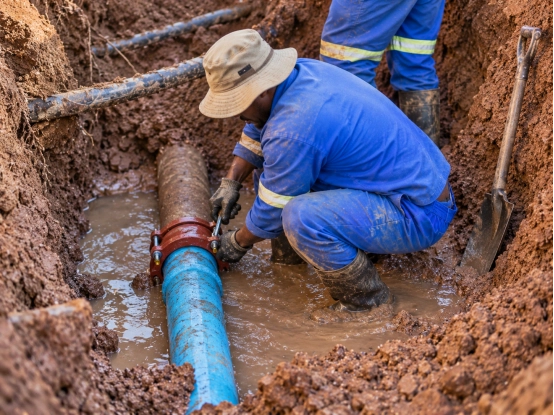
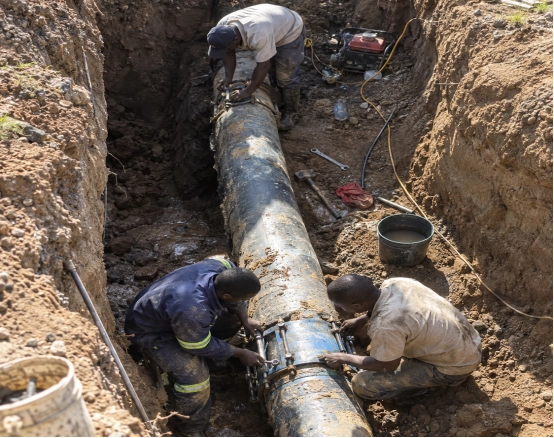
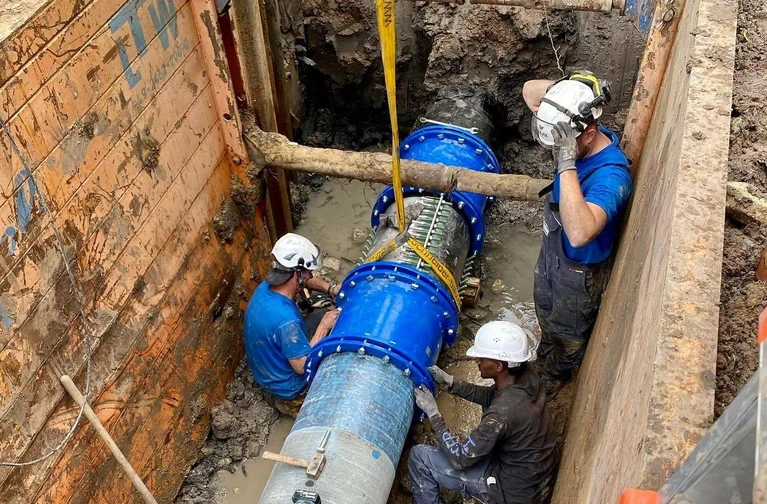
Pipeline Leckage Reparatur Klemmen glänzen hier. Installieren Sie sie, ohne den Wasserstrom zu stoppen - die Fixierung auf der Linie hält die Dinge laufen.
Sie passen sich an verschiedene Größen und Drucke an. Schnelle Einrichtung bedeutet weniger Unterbrechungen.
Die Kosten sinken im Vergleich zu Ausgrabungen oder Ersatzen. Auch die Sicherheit verbessert sich, keine heißen Arbeiten involviert.
Spezifische Instanzen
Kommunale Wasserleitungen werden oft in Notfällen auf diese Weise gepatcht. Ein leckendes Gelenk? Klemme es schnell.
Confex Feuerleitungen in Gebäuden oder Campus bleiben in Betrieb. Industrielle Einrichtungen wie Kühltürme vermeiden Ausfälle.
Eine Sache zu beachten: In Verkehrsbereichen verhindern Klemmen größere Durcheinandersetzungen durch Leckagen.
Wie man die richtige Reparaturklemme für den Unterwasser-Einsatz auswählt
Wesentliche Auswahlkriterien
Die Wahl der richtigen Leitungsleckarreparationsklemme beginnt mit den Grundlagen. Passen Sie zuerst den Rohrdurchmesser und das Material an.
Der Druck ist der Schlüssel - stellen Sie sicher, dass es das System verarbeitet’ s max. Auch der Temperaturbereich zählt, insbesondere in kalten Tiefen.
Dichtmaterial: EPDM für Wasser, NBR für Öle, Viton für Chemikalien. Machen Sie das falsch, und Dichtungen scheitern schnell. Flanschadapter Installationsraum? Prüfen Sie, ob die Klemme in enge Stellen passt. Betriebsbedingungen wie Tiefe beeinflussen die Wahl.
Entwurfsempfehlungen
Für Stabilität, doppelt
Bandklemmen
gut arbeiten. Sie verteilen den Druck gleichmäßig.
Split-Sleeves bieten eine volle Umgebung, ideal für schwere Leckagen.
Fügen Sie Anti-Korrosionsbeschichtungen wie Fusionsgebundenes Epoxy für Langlebigkeit hinzu. Bei Unterwasserreparaturen zahlen sich diese Extras aus.
Manchmal helfen benutzerdefinierte Funktionen wie erweiterte Schrauben in peinlichen Winkeln. Nur ein praktischer Tipp aus der Feldererfahrung.
Doppelbandklemmen
Besser für Hochdruckleitungen.
- Split Ärmel
- Ideal für eine vollständige Abdeckung.
- Beschichtete Optionen
- Langer widerstehen rauen Umgebungen.
Prüfung, Normen und Zertifizierung
Reparaturklemmen werden strengen Tests unterzogen. Hydrostatische Tests drücken sie auf das 1,3-fache des Nenndrucks, um sicherzustellen, dass sie halten.
Industriestandards leiten die Qualität. ISO 9001 deckt Fertigungsprozesse ab, ISO 14001 behandelt Umweltaspekte.
Für die Besonderheiten legt AWWA C230 Regeln für Reparaturklemmen aus Edelstahl fest. ASME PCC 2 enthält Reparaturrichtlinien.
In Trinkwassersystemen suchen Sie nach WRAS- oder NSF-Zertifizierungen. Diese bestätigen die Sicherheit für den trinkbaren Gebrauch.
Kompatible Klemmen garantieren Zuverlässigkeit. Überspringen von Standards? Ausfallrisiko in der Linie.
Zertifizierungen schaffen Vertrauen. Sie zeigen, dass die Klemme weltweite Maßstäbe für Festigkeit und Haltbarkeit erfüllt.
FAQs
Fazit: Zuverlässige Reparatur kritischer Pipelines
Klemmen zur Reparatur von Leckagen in Rohrleitungen liefern schnelle, sichere und wirtschaftliche Lösungen. Sie minimieren Ausfallzeiten in lebenswichtigen Systemen.
Bei Unterwasserreparaturen und Wasserleitungsreparaturen ist ihre Rolle enorm. Umgang mit Druck ohne große Störungen.
Seit Jahrzehnten bietet Conflex zertifizierte Rohrleitungsanschluss- und Reparaturlösungen, denen Versorgungsunternehmen und Auftragnehmer weltweit vertrauen und die Zuverlässigkeit auch in den anspruchsvollsten Unterwasserumgebungen bieten.
F: Was ist eine Pipeline Leckage Reparatur Klemme?
Ein mechanisches Gerät, das einen beschädigten Rohrabschnitt mit einer Gummidichtung und einer Edelstahlschale umwickelt, um Leckagen unter Druck zu versiegeln.
F: Können Reparaturklemmen unter Wasser installiert werden?
Ja, speziell entwickelte Klemmen mit korrosionsbeständigen Materialien und vormontierten Funktionen ermöglichen eine schnelle Installation durch Taucher oder ROVs.
F: Erfordern Unterwasserreparaturen die Abschaltung des Wasserstroms?
Nein, die meisten Leitungsleckarreparaturklemmen unterstützen die Installation auf der Linie und halten die Systeme in Betrieb.
 German
  English
  Arabic
  Chinese
  French
  Indonesian
  Italian
  Kazakh
  Kyrgyz
  Portuguese
  Russian
  Spanish
  Swahili
  Uzbek
Uzbek