

Führende Hersteller wie
haben spezielle Sattelklemmen und Reparatursysteme entwickelt, die speziell für Hochdruckfeuerwasserleitungen entwickelt wurden.
Flanschgelenke Sattelklemmen in Fire Line Systemen
Sattelklemmen sind praktische Geräte, die bei Pipeline Reparaturen verwendet werden. Denken Sie an sie als eine Klemme, die das Rohr umarmt wie ein Sattel auf einem Pferd.
Sie bestehen aus einem oberen Sattelkörper, einer unteren Schale, Dichtungsdichtungen und Befestigungsschrauben. Einfach, oder? Aber effektiv.
Materialien sind hier wichtig. Die meisten kommen in Edelstahl, ductile Eisen oder Verbundlegierungen. Diese Optionen bewältigen schwierige Bedingungen in Feuerwasserleitungen.
- Wie funktionieren Sattelklemmen? Die Magie geschieht mit der Dichtung und der sattelförmigen Struktur. Es wickelt sich fest um das Rohr’ Außenwand.
- Sie können sie installieren, auch wenn die Leitung unter Druck ist. Der Fluss muss nicht gestoppt werden. Das’ s ein großes Plus für Feuerwasserleitungsreparationen.
- Manchmal verwechseln sie mit anderen Werkzeugen. Aber Sattelklemmen glänzen an bestimmten Stellen.
Unterschiede zu Pipeline Leak Repair Clamps
Zielzweigöffnungen, Spotlecks oder lokale Verstärkungen. Sie’ re präzise für diese genauen Probleme.
Auf der anderen Seite passen die Leitungsleckarreparationsklemmen zu linearen Rissen oder größeren beschädigten Bereichen. Breitere Abdeckung, sehen Sie.
Beide spielen eine Rolle bei der aktiven Leckareparatur, aber die Wahl des richtigen hängt von der Art des Schadens ab. Es’ s wie die Wahl des richtigen Schlüssels für den Job.
Häufige Feuerwasserleitungsfehler und wie man sie repariert
Reparaturen von Feuerwasserleitungen stammen oft aus täglichem Verschleiß. Lassen Sie’ Die üblichen Verdächtigen zerstören.
Arten von häufigen Problemen
Rohrwandkorrosion, die zu Perforationen führt. Das passiert im Laufe der Zeit, besonders in rauen Umgebungen.
Gelenkleckagen oder Schweißmüdigkeit. Schwingungen und Druckänderungen verschleißen sie.
Mikrorisse durch Stöße oder Druckanstiege. Schleichige, die klein beginnen, aber wachsen.
Diese Probleme stören den Fluss und stellen Brandrisiken dar, wenn sie nicht schnell angegangen werden.
Warum Active Leak Repair gewinnt
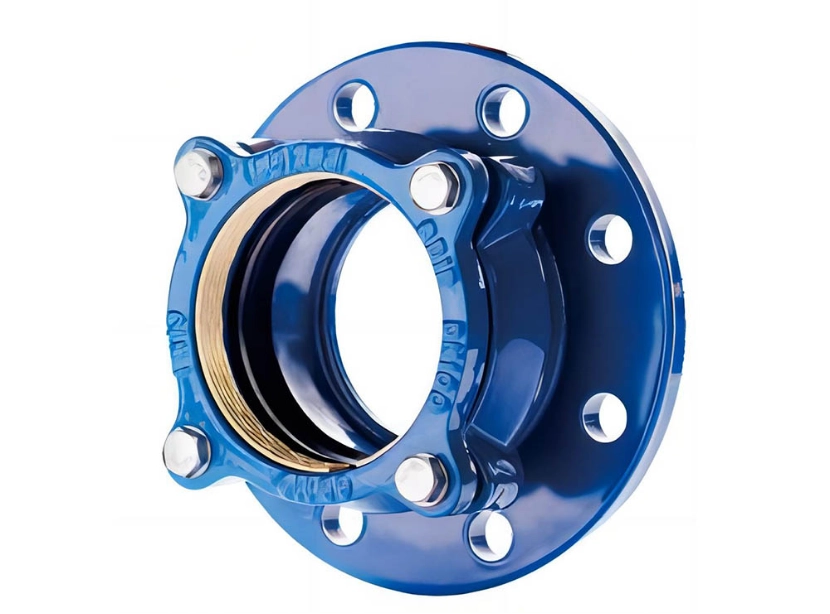
Aktive Leckareparatur bedeutet Fixieren, ohne das System auszuschalten. Keine Schließventile, keine Ablaufleitungen.
Es dichtet Leckagen schnell, während der Druck aufrechterhalten wird. Wichtig für Feuersysteme, in denen Ausfallzeiten eine Katastrophe bedeuten könnten.
Außerdem umgeht es Sicherheitsrisiken durch Systemausfälle. Denken Sie darüber nach: eine Pflanze ohne Feuerwasser? Nicht ideal.
Schritt für Schritt Reparaturprozess Flanschadapter Erkennen Sie die Leckage vor Ort mit Inspektionen oder Detektoren.
Reinigen Sie die Rohrfläche und positionieren Sie die Sattelklemme.
Schrauben auf das angegebene Drehmoment festziehen. Don’ t übertreiben.
Prüfung von Dichtungen und Druckhalten. Doppelüberprüfen Sie alles.
Qualitativ hochwertige Sattelklemmen wie die Conflex DN-Serie sind druckgeprüft und getestet, um eine zuverlässige Dichtung auch unter Live-Systembedingungen zu gewährleisten.
Haben Sie jemals bemerkt, wie einige Reparaturen dauern? Mit dieser Methode’ s oft schneller, die Dinge früher wieder online zu bekommen. Auswahl der richtigen Klemme für die aktive LeckareparaturDie Auswahl von Pipeline Leckage Reparatur Klemmen ist’ t eine Größe für alle. Faktoren stapeln sich auf.
Schlüsselwahlkriterien
Beginnen Sie mit Rohrdurchmesser und Material. Kohlenstoffstahl, Edelstahl oder PVC? Jeder benötigt eine kompatible Klemme.
- Auch der Nenndruck und die Flüssigkeitstemperatur zählen. Feuerleitungen laufen manchmal heiß, buchstäblich unter Druck.
- Installationspunkte sind wichtig: oberhalb des Bodens, begraben, feucht oder enge Räume. Wählen Sie Klemmen, die zur Szene passen.
Empfohlene Features
Suchen Sie nach austauschbaren Dichtungen wie EPDM oder NBR. Einfache Austausche verlängern die Lebensdauer. Wählen Sie 316L Edelstahl- oder Korrosionsschutzbeschichtungen. Sie bekämpfen Rost in nassen Setups. Schnellinstallierbare Schraubenkonstruktionen sparen Zeit. Wer möchte für immer mit Werkzeugen spielen?
In Feuersystemen sollten Sie immer zertifizierte Klemmen ergreifen. EN, ANSI oder WRAS Stempel bedeuten, dass sie’ habe Tests bestanden.
Aktive Leckareparatur
verlangt Zuverlässigkeit. Skip hier, und Bedauern folgen. Manchmal Leute übersehen Zertifizierungen, aber sie’ re wie Versicherung für Ihre Rohre.
Fallbeispiel: Rapid Fire Water Line Restoration
Stellen Sie sich dies vor: ein Industriepark’ s Haupt Feuer Wasserleitung Quellen ein kleines Loch Leck. Chaos wäbt, wenn es nicht schnell fixiert wird.
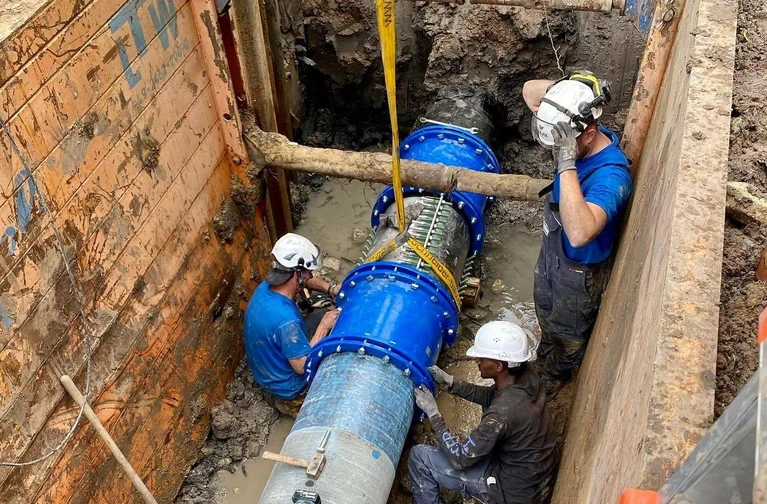
Mit einer Sattelklemme für die Reparatur von Feuerwasserleitungen versiegelt das Team sie unter Druck. Ganze Arbeit? Nur 45 Minuten.
Kein Systemabschalten. Der Branddruck bleibt während des gesamten Zeitraums konstant.
Ergebnisse und Vorteile
Vermeiden Sie lange Wasserstopps und Sicherheitslücken. Haltet alles reibungslos laufen. Auch Kosten und Arbeitskraft eingespart. Weniger Graben, weniger Stunden in Rechnung gestellt.
Das Projekt wurde mit den zertifizierten Reparaturklemmen von Conflex abgeschlossen, die für ihre einfache Installation und bewährte Dichtleistung bekannt sind.
Fälle wie diese zeigen, wie Sattelklemmen potenzielle Kopfschmerzen in schnelle Gewinne verwandeln. Erinnert dich daran, warum sich Prep lohnt.
Beyond Fire Lines: Andere Anwendungen von Sattelklemmen
Pipeline Leckage Reparatur Klemmen sind’ t nur für Feuersysteme. Sie poppen woanders auf.
Industrielle Kühlwassersysteme
In Fabriken stehen Kühlleitungen ähnlichen Leckagen gegenüber. Sattelklemmen pflastern sie, ohne die Produktion einzustellen. Haltet Maschinen brummen, vermeidet Wärmeaufbau Probleme.
Reparatur kommunaler Wasserleitungen
Stadtwasserleitungen platzen oder lecken oft. Diese Klemmen bieten schnelle Fixes auf belebten Straßen. Weniger Störungen für den Verkehr und den Alltag.
Confex Temporäre Branch-Verbindungen
Benötigen Sie einen schnellen Bypass oder ein Zusatzrohr? Sattelklammern behandeln das auch. Ihre Vielseitigkeit baut Vertrauen in die Technologie auf. Von Notfällen bis hin zur geplanten Arbeit passen sie sich an.
FAQs
Es’ Es ist lustig, wie sich ein Werkzeug über Branchen hinweg erstreckt. Gutes Design bei der Arbeit.
Schlussfolgerung: Schnelle, zuverlässige und drucksichere Reparaturen
Die Sattelklemmentechnologie ermöglicht eine schnelle, aktive Leckareparatur von Feuerwasserleitungen. Schlägt traditionelles Schweißen oder vollständige Ersatze Hände nach unten.
Sicherer, billiger und weniger Mühe. Systeme bleiben online, Risiken fallen. Ideal, um kritische Setups zuverlässig zu halten.
Mit jahrzehntelangem Know-how in Rohrleitungsanschluss- und Reparaturlösungen unterstützt Conflex weiterhin die Wartung kritischer Infrastrukturen mit zuverlässigen, erprobten Produkten.
Reparaturen von Feuerwasserleitungen
sich entwickeln, aber Grundlagen wie diese Klemmen bleiben der Schlüssel. Bleiben Sie proaktiv, und Lecks gewonnen’ t fangen Sie off guard.
F: Wofür wird eine Sattelklemme in Feuerwasserleitungen verwendet?
Es versiegelt Spotlecks oder fügt Zweigverbindungen hinzu, ohne das System auszuschalten.
F: Können Sattelklemmen Leckagen beheben, während die Feuerleitung unter Druck ist?
 German
  English
  Arabic
  Chinese
  French
  Indonesian
  Italian
  Kazakh
  Kyrgyz
  Portuguese
  Russian
  Spanish
  Swahili
  Uzbek
Uzbek