

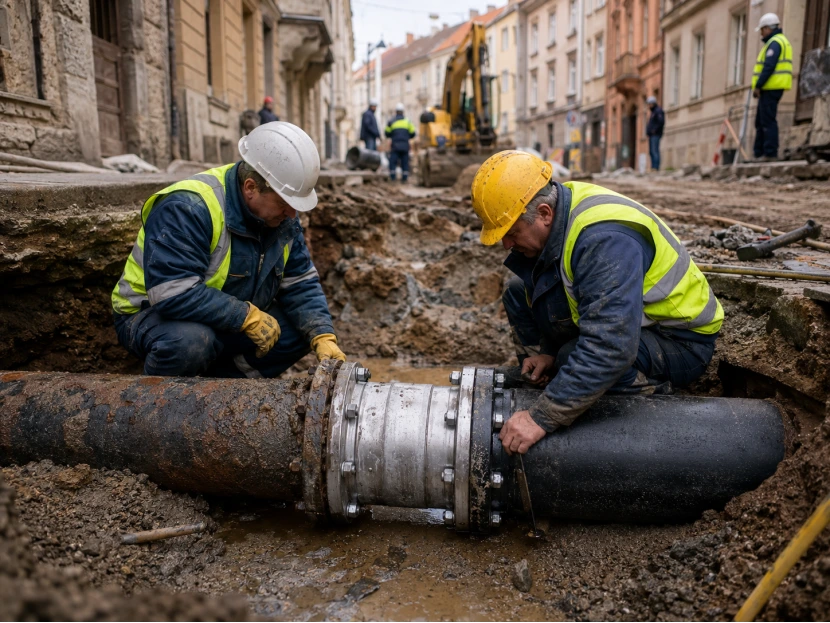
„Feuerwasserleitungsreparationslösungen mit Sattelklemmen“ — Conflex
Neueste Erkenntnisse in der Rohrverbindungsindustrie - Conflex - 17 барак
Neueste Erkenntnisse in der Rohrverbindungsindustrie - Conflex - Страница 17 Neueste Erkenntnisse in der Rohrverbindungsindustrie - Conflex - Página 17 Neueste Erkenntnisse in der Rohrverbindungsindustrie - Conflex - 第 17 页
Neueste Erkenntnisse in der Rohrverbindungsindustrie - Conflex - 17 Seiten
Neueste Erkenntnisse in der Rohrverbindungsindustrie - Conflex - Ukurasa 17
Neueste Erkenntnisse in der Rohrverbindungsindustrie - Conflex - Seite 17
Neueste Erkenntnisse in der Rohrverbindungsindustrie - Conflex - Laman 17
Korrosion Neueste Erkenntnisse in der Rohrverbindungsindustrie - Conflex - Seite 17
Neueste Erkenntnisse in der Rohrverbindungsindustrie - Conflex - Seite 17 Neueste Erkenntnisse in der Rohrverbindungsindustrie - Conflex - صفحة 17
Integrationsschwierigkeiten Sie treten auf, wenn neue duktile Gusseisen- oder PVC-Rohre an alte Metallleitungen angeschlossen werden müssen.
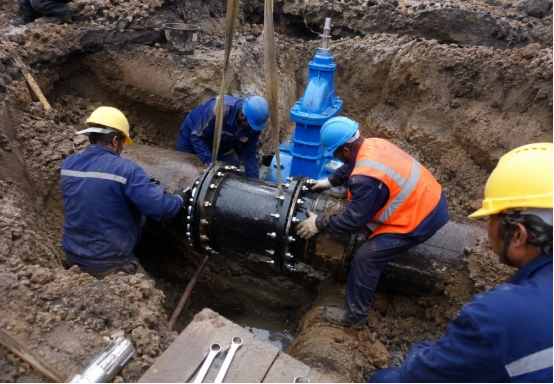
Das Ergebnis ist ein gemischtes System, das flexible Verbindungen benötigt, um unterschiedliche Materialien ohne Festigkeitsverlust zu verbinden. Sanierungspläne kombinieren neue Abschnitte mit gezielten Reparaturen. Versorgungsunternehmen verwenden Kupplungen, um alte und neue Rohre schnell zu verbinden, anstatt ganze Leitungsabschnitte auszutauschen. Dies verkürzt die Aushubzeit und reduziert die Probleme in dicht bebauten Straßen, wo offene Gräben hohe Kosten verursachen und den Verkehr behindern.
Warum Rohrkupplungen für die Reparatur von Wasserleitungen unverzichtbar sind
Unsere Rohrkupplungen schaffen starke, leckagefreie Verbindungen zwischen alten und neuen Rohren.
Sie gleichen geringfügige Bodenabsenkungen und Rohrfehlausrichtungen aus und gewährleisten eine perfekte Abdichtung auch dann, wenn die Rohrenden nicht exakt aufeinander ausgerichtet sind.
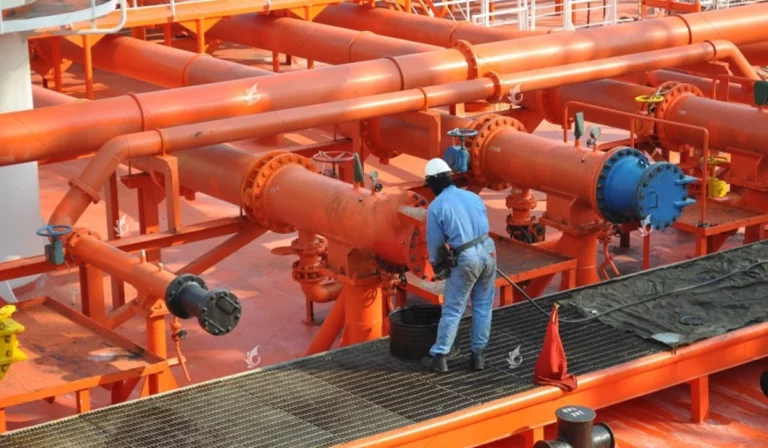
Einführung Ölleitungen arbeiten oft unter hohem Druck und in gefährlichen Umgebungen, in denen herkömmliche Schweißreparaturen nicht praktisch sind. Moderne nicht-Schweißreparaturen ermöglichen es, Leckagen schnell und sicher zu stoppen, ohne die Produktion einzustellen. Warum Schweißen bei Reparaturen von Ölleitungen vermeiden Risiken des Schweißens auf aktiven Rohrleitungen Schweißen auf lebenden Ölleitungen lädt […]
Kupplungen vs. traditionelles Schweißen & Bördeln
Im Vergleich zu Schweißen und Flanschverbindungen bieten Rohrkupplungen klare Vorteile vor Ort:
Keine Heißarbeitsgenehmigung erforderlich, vereinfacht das Sicherheitsmanagement auf der Baustelle.
Die Installation erfolgt ausschließlich mit handelsüblichem Handwerkzeug, ohne schwere Schweißgeräte.
Geringere Arbeitskosten und schnellerer Projektfortschritt
Einfach zu entfernen und für zukünftige Netzwerk-Upgrades wieder zu installieren.
Wichtige Anforderungen für Trinkwasseranwendungen
Nicht alle Kupplungen erfüllen die Vorschriften für Trinkwasser. Die Bauteile müssen strenge Hygiene- und Materialprüfungen bestehen, um die Wasserqualität vom Kraftwerk bis zum Wasserhahn zu gewährleisten.
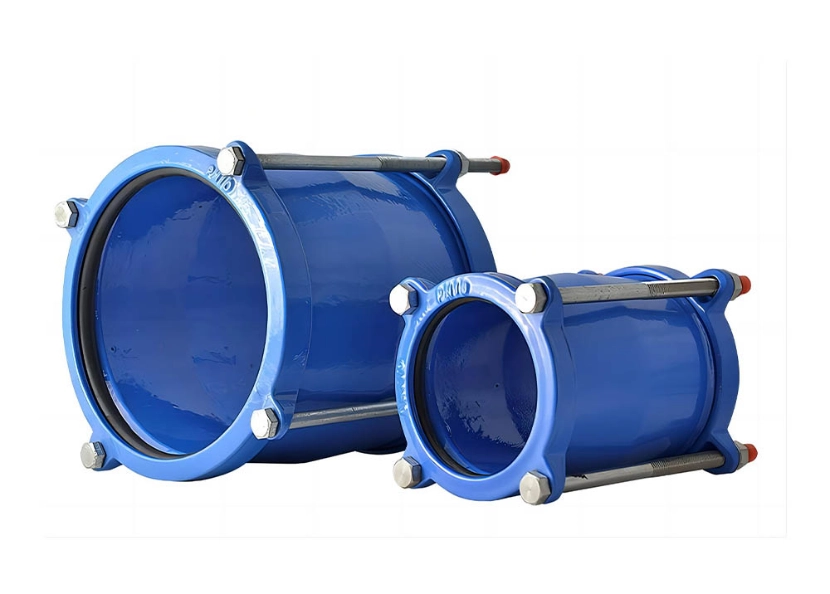
Anforderungen an die Trinkwasserqualität und EU-Konformität
Nicht alle Rohrkupplungen sind für die Trinkwasserversorgung geeignet.
Alle Bauteile, die mit Trinkwasser in Berührung kommen, müssen strenge Hygiene-, Material- und Toxikologieprüfungen bestehen, um chemische Verunreinigungen und Bakterienwachstum zu verhindern. Die Armaturen müssen zudem für den langfristigen Einsatz im kommunalen Trinkwassernetz eine ausgezeichnete Beständigkeit gegen Korrosion, Ablagerungen und Druckwechsel aufweisen.
WRAS-Zulassung & Anerkennung auf dem europäischen Markt
Einführung: Warum Unterwasserleitungsreparaturen wichtig sind Unterwasserreparaturen kommen oft in Systemen wie. ..
Einführung: Warum Unterwasserleitungsreparaturen wichtig sind Unterwasserreparaturen kommen oft in Systemen wie . ..
Einführung: Die kritische Rolle der Zuverlässigkeit der Feuerwasserleitung Feuerwasserleitungen dienen als lebenswichtige Lebenslinien. ..
Einführung: Die kritische Rolle der Zuverlässigkeit der Feuerwasserleitung Feuerwasserleitungen dienen als lebenswichtige Lebenslinien. ..
Einführung: Warum Unterwasserleitungsreparaturen wichtig sind Unterwasserreparaturen kommen oft in Systemen wie Stadtwassernetzen, Feuerleitungen und industriellen Kühlungsanlagen auf. Diese Leitungen sitzen unter konstanten hohen Druck und feuchten Bedingungen, was Leckagen zu einem häufigen Kopfschmerz macht. Traditionelle Fixes, denken Schweißen oder Vollrohraustausch, bringen große Probleme. Die Kosten steigen in die Höhe, die Stilllegung des Flusses ist […]
Einführung: Die kritische Rolle der Zuverlässigkeit von Feuerwasserleitungen Feuerwasserleitungen dienen als lebenswichtige Lebenslinien in Industrieparks, Chemiewerke und Handelsgebäuden. Diese Systeme liefern Wasser zur Feuerbekämpfung und halten den Betrieb in Notfällen sicher. Trotzdem entstehen Probleme. Alternde Rohre, Korrosion, Schweißmüdigkeit oder versehentliche Auswirkungen führen oft zu Leckagen. Beheben Sie die alten […]
Mo, 01 Dez 2025 03:23:02 0000
https://www.connectionflexible.com/de/nachrichten/pipeline-leak-repair-clamps-for-underwater-use/
https://www.connectionflexible.com/de/nachrichten/fire-water-line-repair-solutions-with-saddle-clamps/
Einführung: Warum Unterwasserleitungsreparaturen wichtig sind Unterwasserreparaturen kommen oft in Systemen wie Stadtwassernetzen, Feuerleitungen und industriellen Kühlungsanlagen auf. Diese Leitungen sitzen unter konstanten hohen Druck und feuchten Bedingungen, was Leckagen zu einem häufigen Kopfschmerz macht. Traditionelle Fixes, denken Schweißen oder Vollrohraustausch, bringen große Probleme. Die Kosten steigen in die Höhe, die Ausfallströmung ist […]
Anpassungsfähigkeit an den Einsatzort: Schnelle Montage auch bei engen Gräben, nassem Untergrund und beengten Arbeitsbereichen
Die richtige Auswahl verringert das Leckagerisiko erheblich und vereinfacht die Bauarbeiten, insbesondere unter stark befahrenen Straßen und dicht verlegten Versorgungskorridoren.
Flexible vs. starre Kupplungen: Wo man sie einsetzt
Flexible Kupplungen absorbieren Vibrationen von Wasserpumpen und Straßenverkehr und ermöglichen geringe Winkelabweichungen zwischen den Rohrenden. Ideal für den teilweisen Austausch korrodierter Abschnitte bei leichten Rohrversatz.
Elbow vs Straight Half Collar, was besser ist - Conflex
Spannungsverteilung bei der Demontage von Gelenken zur Verhinderung von Müdigkeit und Ausfall - Conflex
Einführung: Die kritische Rolle der Zuverlässigkeit von Feuerwasserleitungen Feuerwasserleitungen dienen als lebenswichtige Lebenslinien in Industrieparks, Chemiewerke und Handelsgebäuden. Diese Systeme liefern Wasser zur Feuerbekämpfung und halten den Betrieb in Notfällen sicher. Trotzdem entstehen Probleme. Alternde Rohre, Korrosion, Schweißmüdigkeit oder versehentliche Auswirkungen führen oft zu Leckagen. Beheben Sie die alten […]
Ductile Iron Pipe Fittings Eine ausführliche Anleitung zur Auswahl, Installation und Wartung - Conflex
Steigern Sie die Projekteffizienz und reduzieren Sie Netzwerkausfallzeiten.
Thu, 04 Sep 2025 01:46:39 0000
Kommentare: Ductile Iron Pipe Fittings Eine ausführliche Anleitung zur Auswahl, Installation und Wartung
FAQ (häufig gestellte Fragen)
Frage 1: Warum sind WRAS-zugelassene Armaturen für europäische Wasserprojekte wichtig?
Kommentare zu: Ductile Iron Pipe Fittings Eine ausführliche Anleitung zur Auswahl, Installation und Wartung
Frage 2: Worin besteht der Unterschied zwischen flexiblen und starren Kupplungen?
https://www.connectionflexible.com/de/ductile-iron-pipe-fittings-a-detailed-guide-to-selection-installation-and-maintenance/
Kommentare zu: Ductile Iron Pipe Fittings Eine ausführliche Anleitung zur Auswahl, Installation und Wartung
Zertifizierte Trinkwasser-geeignete Materialien vermeiden Verunreinigungen, widerstehen Korrosion und Bakterienwachstum und gewährleisten so eine langfristig sichere Wasserversorgung.
„Ductile Iron Pipe Fittings Eine ausführliche Anleitung zur Auswahl, Installation und Wartung“ 的评论
Fokus auf Materialverträglichkeit, Druckfestigkeit, Installationsbedingungen vor Ort und einfache zukünftige Wartung.
Kommentare: Ductile Iron Pipe Fittings Eine ausführliche Anleitung zur Auswahl, Installation und Wartung
Ja. Alle Watkomponenten müssen die Prüfungen gemäß EU-Richtlinie mit gültigen Zertifikaten bestehen. Dies ist eine zwingende Voraussetzung für den Projektstart und die Beantragung von EU-Fördermitteln.


 German
  English
  Arabic
  Chinese
  French
  Indonesian
  Italian
  Kazakh
  Kyrgyz
  Portuguese
  Russian
  Spanish
  Swahili
  Uzbek
Uzbek