




El constante golpeo o zumbido en instalaciones de plomería a menudo significa más que solo una pequeña molestia. Puede indicar tensión, temblor o presión desigual dentro de las tuberías. Muchos ingenieros y equipos de mantenimiento se preguntan si un Abrazadera de reparación FCD puede reducir esos sonidos. La respuesta es sí. Al reforzar las partes rotas e incluir cosas que absorben temblores, una abrazadera de reparación FCD no solo soluciona las fugas, sino que también disminuye cómo el sonido viaja a través de la configuración de la tubería.
Causas comunes del ruido de las tuberías
Antes de analizar cómo las abrazaderas de reparación combaten el ruido, es fundamental comprender de dónde provienen esos sonidos.
Golpe de ariete y cambios repentinos de presión
Las válvulas que se cierran demasiado rápido o las bombas que se detienen de repente provocan una interrupción repentina del flujo de agua. Esto crea una onda de choque llamada golpe de ariete. El golpe genera fluctuaciones de presión a través de la red de tuberías, produciendo fuertes ruidos que resuenan por todo el sistema. Con el tiempo, estos golpes de ariete pueden aflojar las conexiones, desgastar los sellos e incluso agrietar los accesorios. En entornos de trabajo con altas velocidades de fluido, estos impactos se acumulan y provocan fatiga en las tuberías.
Flujo turbulento y fricción en las tuberías
La turbulencia se produce cuando la velocidad del flujo supera los límites establecidos. También ocurre si las superficies internas son ásperas. El movimiento irregular del agua genera vibraciones que se transmiten a través de las tuberías metálicas. Los accesorios mal revestidos o el óxido en el interior empeoran la situación. Un flujo uniforme y una instalación adecuada pueden reducir considerablemente el ruido de la turbulencia y, además, prolongar la vida útil de las piezas de fontanería.
Soportes y fijaciones para tuberías sueltas
Un problema tan básico como un soporte inestable puede generar altos niveles de ruido. Las tuberías vibran contra las paredes o los soportes al moverse, lo que provoca ruidos de traqueteo, sobre todo en momentos de alta presión. Los cambios de temperatura agravan el problema, ya que el metal se dilata y se contrae con las variaciones térmicas, lo que afloja aún más los soportes. Las revisiones periódicas mantienen las posiciones estables y evitan que las vibraciones se transmitan a otras partes del edificio.
Aire atrapado en la tubería
Las burbujas de aire son otro factor que a menudo se pasa por alto. Interrumpen el flujo continuo del agua, provocando gorgoteos o golpes al comprimirse y liberarse las burbujas con los cambios de presión. Purgar el aire del sistema restablece las condiciones hidráulicas estables y reduce las irregularidades acústicas.
Cómo funcionan las abrazaderas de reparación FCD en los sistemas de plomería
Una vez identificadas las fuentes de ruido, las soluciones específicas, como las abrazaderas de reparación, se convierten en herramientas eficaces tanto para sellar fugas como para estabilizar la dinámica de las tuberías.
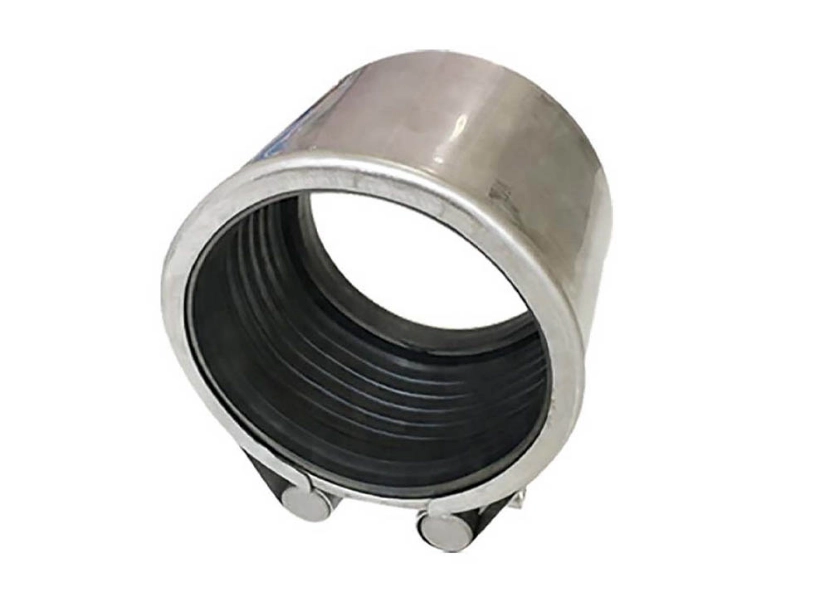
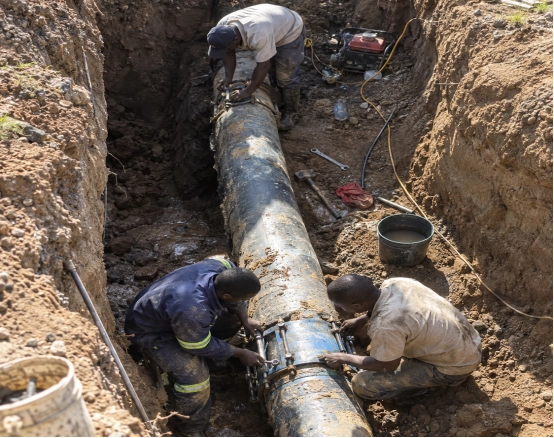
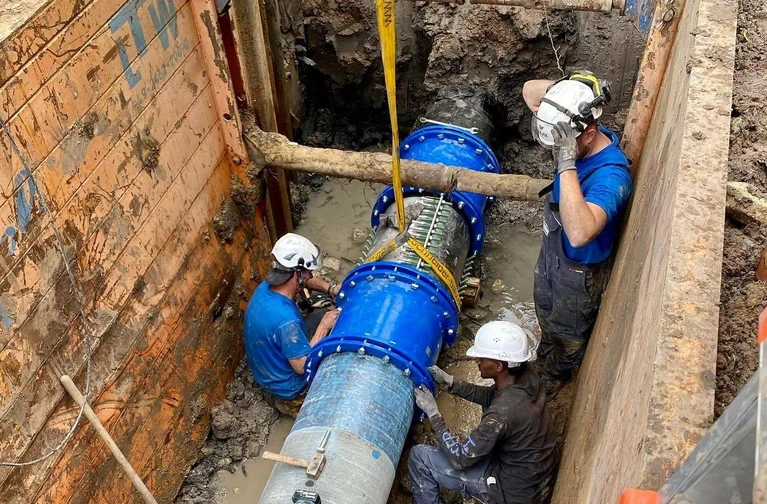
Abrazadera de reparación de acero inoxidable FCD Puede utilizarse para la conexión rápida de metal, cemento, amianto y otros materiales. En comparación con las conexiones de brida tradicionales, ofrece un menor coste y una instalación más rápida, manteniendo la integridad estructural incluso bajo presión.
Estructura y composición de los materiales de las abrazaderas de reparación FCD
La abrazadera’ El marco generalmente proviene de hierro duro o acero inoxidable. Tiene cubiertas a prueba de oxidación para uso prolongado en lugares duros. Dentro, los sellos de goma, a menudo EPDM o NBR, hacen un ajuste estanque al agua alrededor de las áreas lesionadas. Absorben pequeños batidos del movimiento del agua. Adecuado para agua potable (aprobado por WRAS), agua reciclada y aguas residuales. Estas características lo hacen ideal para tuberías industriales que manejan diversos fluidos como petróleo, gas o agua tratada.
Mecanismos que ayudan a reducir el ruido de las tuberías
La reducción del ruido se produce a través de varios mecanismos físicos que trabajan juntos dentro del diseño de la abrazadera.
Efecto de amortiguación de vibraciones
La capa interna de caucho funciona como una almohadilla suave entre las partes metálicas. Toma oscilaciones de la pared de la tubería. Esto impide que se extiendan como ondas sonoras escuchadas. Tal acolchado reduce el zumbido o zumbido en tuberías largas.
Ajuste seguro para la estabilidad
Una abrazadera apretada a la derecha da firmeza a las juntas o puntos divididos. Allí, el movimiento puede suceder de otra manera. Al bloquear estas áreas apretadas, el frotamiento entre los trozos de metal cae. Esa es una de las principales causas de zumbido o rugido en líneas bajo presión.
Aislamiento de ruido a través del diseño de materiales
La junta flexible no solo sella, sino que también aisla acústicamente una sección de otra. Mientras tanto, la masa del cuerpo de hierro dúctil disminuye la propagación del sonido aumentando la inercia a través del segmento reparado.
Evaluación de la capacidad de reducción de ruido de las abrazaderas de reparación de FCD
Los datos de rendimiento de campo de usuarios industriales muestran consistentemente mejoras medibles después de instalar abrazaderas de reparación en tuberías vibratorias.
Observaciones prácticas del uso industrial
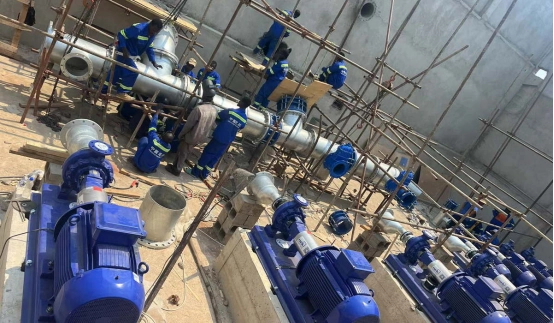
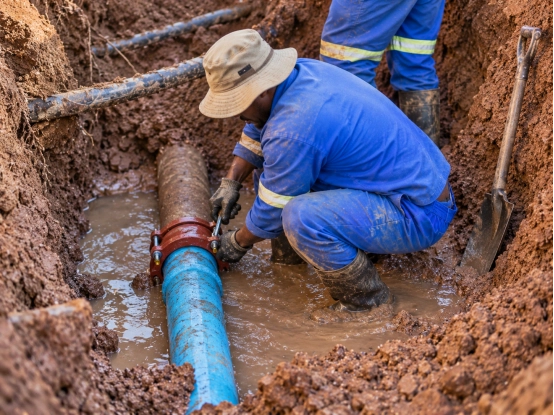
Los trabajadores dicen que después de añadir Abrazaderas FCD a puntos con fugas o estrés de agitación, el sonido total del sistema cae mucho. La abrazadera’ La fácil construcción y el uso flexible hacen que la configuración sea sencilla. Los equipos de mantenimiento pueden solucionar muchas áreas problemáticas rápidamente. Lo hacen sin detener sistemas enteros. Eso es una gran ventaja para trabajos en curso como líneas de agua urbanas o fábricas químicas.
Factores que influyen en el rendimiento
Material y diámetro de la tubería
Las tuberías metálicas, como el acero, transmiten la vibración de manera más eficiente que las de plástico. Por lo tanto, los efectos de reducción de ruido son más pronunciados cuando se aplican abrazaderas a líneas metálicas con diámetros más grandes donde el potencial de resonancia es mayor.
Calidad de instalación y nivel de estanqueidad
La precisión del par durante la instalación afecta directamente a la eficiencia de sellado y el aislamiento acústico. Los pernos insuficientemente apretados pueden permitir microfugas o deslizamientos; El apretamiento excesivo podría distorsionar las juntas. El seguimiento de las especificaciones del par del fabricante garantiza resultados óptimos tanto para la prevención de fugas como para el control del sonido.
| Factor | Influencia en la reducción del ruido | Práctica recomendada |
| Material del tubo | El metal amplifica la vibración; El plástico lo amortigua de forma natural | Utilizar aislamiento adicional en líneas de acero |
| Tensión de la abrazadera | Afecta la compresión del sello y el aislamiento de vibraciones | Aplique el par adecuado utilizando una llave calibrada |
| Condición de junta | Las juntas desgastadas pierden elasticidad con el tiempo | Inspeccionar periódicamente; reemplazar si se agrieta |
| Tipo de fluido | Los líquidos de alta densidad transfieren sonido de manera más eficiente | Combinar con conectores flexibles si es necesario |
Consideraciones adicionales para el control de ruido de plomería
Si bien las abrazaderas FCD contribuyen significativamente a un funcionamiento más silencioso, su integración con soluciones complementarias mejora el rendimiento general.
Soluciones complementarias con abrazaderas de reparación FCD
Los conectores flexibles absorben el movimiento longitudinal causado por la expansión térmica o las fuerzas de arranque de la bomba. Los manguitos de aislamiento acústico alrededor de las secciones ruidosas limitan aún más la transmisión de sonido aéreo a los espacios circundantes, particularmente útiles en edificios residenciales por encima de salas mecánicas.
Consejos de mantenimiento para mantener un funcionamiento silencioso
Los horarios de inspección regulares deben incluir la comprobación de la estanqueidad del perno y el estado de la junta. Reemplace cualquier componente desgastado rápidamente para mantener tanto la eficiencia de sellado como las propiedades de amortiguación de vibraciones. Mantener las superficies limpias de la acumulación de escamas también evita una distribución desigual de la presión a través de las interfaces de abrazadera.
Por qué elegir abrazaderas de reparación Conflex FCD para aplicaciones industriales
La credibilidad detrás de cualquier solución de hardware radica en la experiencia de su fabricante y los estándares de garantía de calidad.
Conflexar es una fabricación experta de varios tipos de productos de conexión y reparación de tuberías industriales durante más de 15 años. Su cartera de productos abarca adaptadores de bridas, acoplamientos, juntas de desmontaje, abrazaderas de asiento, abrazaderas de reparación, conexiones flexibles y accesorios diseñados para empresas de ingeniería globales en sectores como abastecimiento de agua, calefacción, petróleo, gas y industrias de procesamiento químico.
Confiabilidad y gama de productos de Conflex
Conflex ofrece múltiples tamaños de abrazaderas FCD que cubren diámetros externos de 21,7 mm a 377 mm con presiones de trabajo de hasta PN16 bar, adecuadas tanto para líneas domésticas de pequeño diámetro como para redes industriales grandes. Construcción en tuberías en funcionamiento, instalación fácil, reparación rápida y costos de mantenimiento reducidos. Esta versatilidad permite a los operadores estandarizar componentes en diversos sistemas sin comprometer la fiabilidad.
Mejorar la longevidad del sistema con componentes de calidad
Al detener la oxidación de fugas temprano y cortar la tensión mecánica de temblores o ráfagas de presión, estas abrazaderas hacen que las tuberías duren mucho más tiempo. Un trabajo más silencioso también aumenta la comodidad en el trabajo, una ventaja fácil de perder en lugares de plantas donde los sonidos de la máquina ya llenan el aire.
Preguntas frecuentes
Q1: ¿Puede una abrazadera de reparación detener todo tipo de ruido de tubería?
No del todo; Reduce principalmente el ruido basado en la vibración, pero puede no eliminar los sonidos causados por graves sobretensiones sin válvulas de control adicionales.
Q2: ¿Cuánto tiempo dura una abrazadera de reparación de FCD?
Con el mantenimiento adecuado y materiales resistentes a la corrosión como el acero inoxidable SS304 o los recubrimientos de hierro dúctil, la vida útil a menudo supera varios años en condiciones normales de funcionamiento.
Q3: ¿Es seguro usar una abrazadera FCD en líneas de agua potable?
Sí; Los modelos que utilizan juntas EPDM aprobadas por WRAS cumplen con las normas de seguridad del agua potable.
Q4: ¿Necesito herramientas especiales para instalar una abrazadera FCD?
No se requieren herramientas especiales; las llaves estándar son suficientes ya que se puede operar sin herramientas especiales.
Q5: ¿Pueden estas abrazaderas manejar aplicaciones de alta temperatura?
Funcionan típicamente entre -10°C y 70°C; Más allá de este rango se deben considerar versiones especializadas de alta temperatura dependiendo del tipo de fluido.
 Spanish
  English
  Arabic
  Chinese
  French
  German
  Indonesian
  Italian
  Kazakh
  Kyrgyz
  Portuguese
  Russian
  Swahili
  Uzbek
Uzbek