



Choosing the right flange adaptor isn’t just about matching pipe sizes—it’s about making sure of lasting dependability, safety, and operation in your piping setup. Whether you deal with PE, PVC, or steel pipes, you need to know how materials work with pressure, heat, and chemicals. This knowledge helps stop leaks and expensive stoppages.
Understanding Flange Adaptors
Before you look into material matching or size guidelines, it’s key to understand what a flange adaptor really does.
What is a Flange Adaptor?
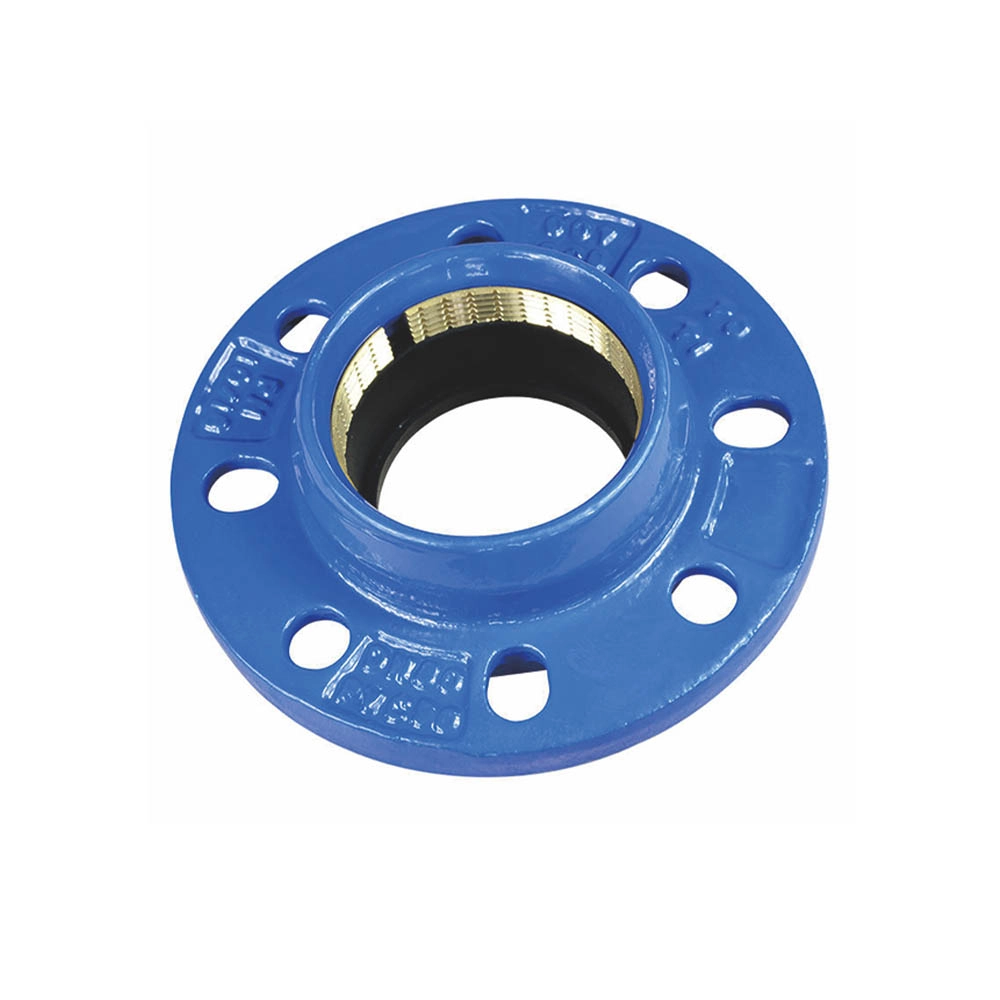
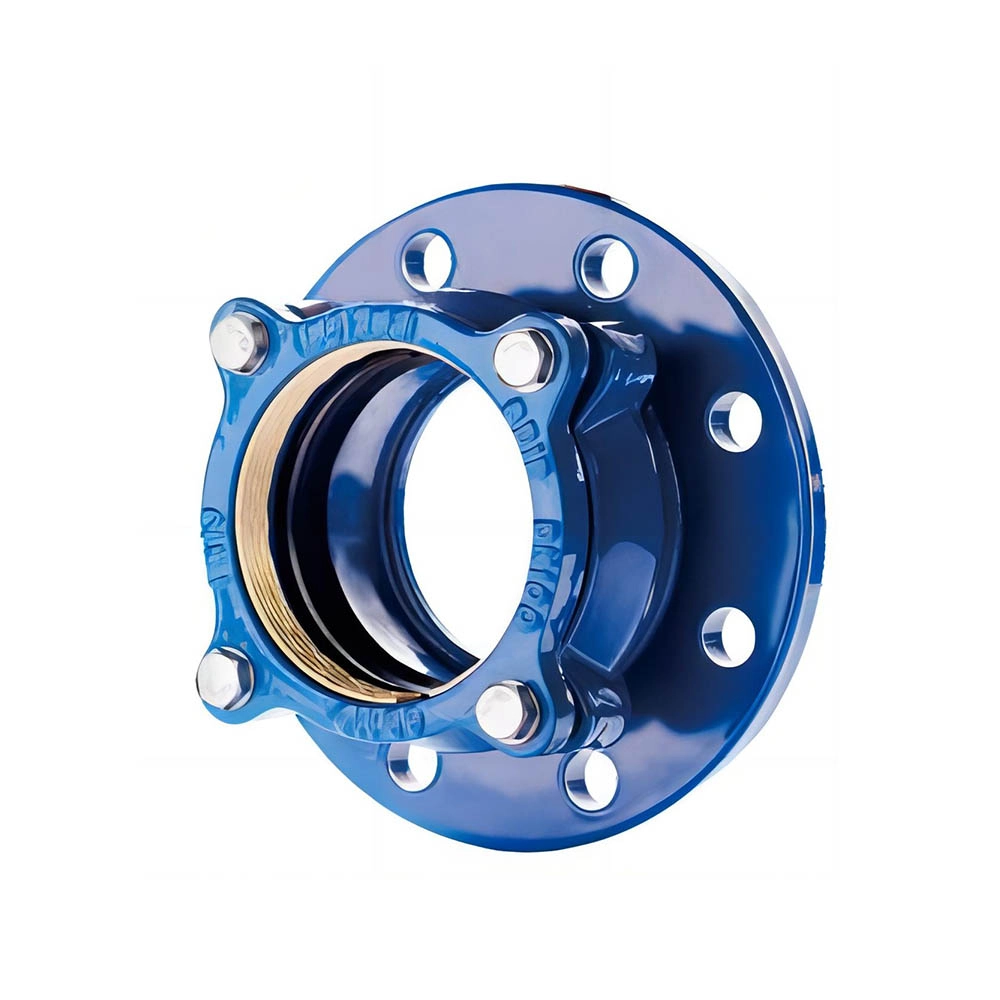
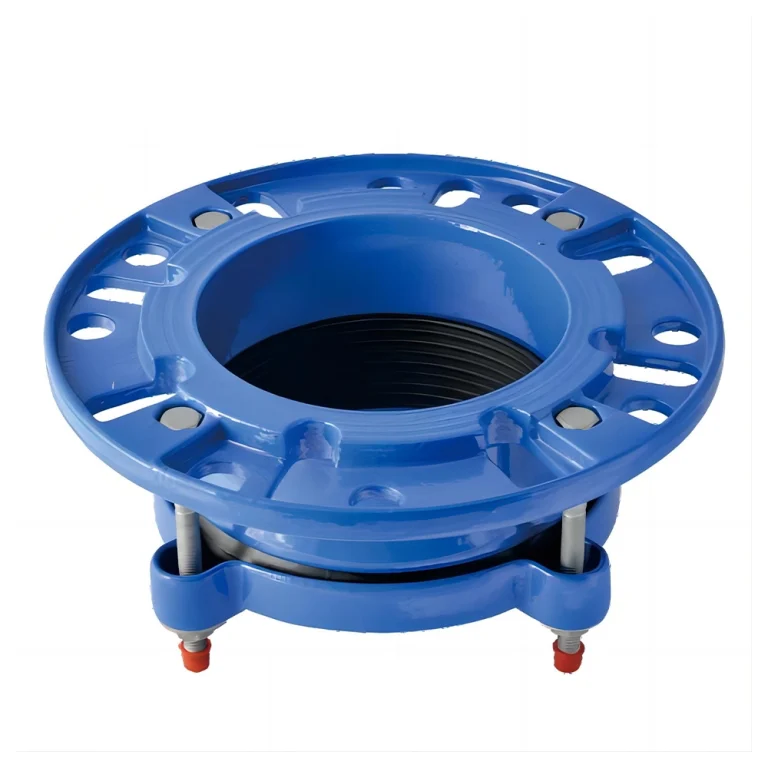
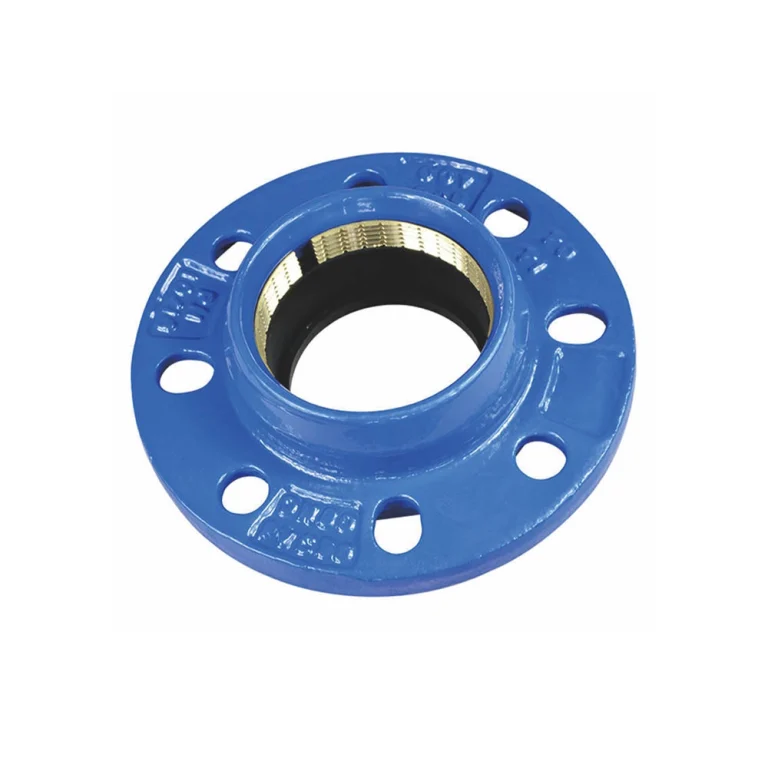
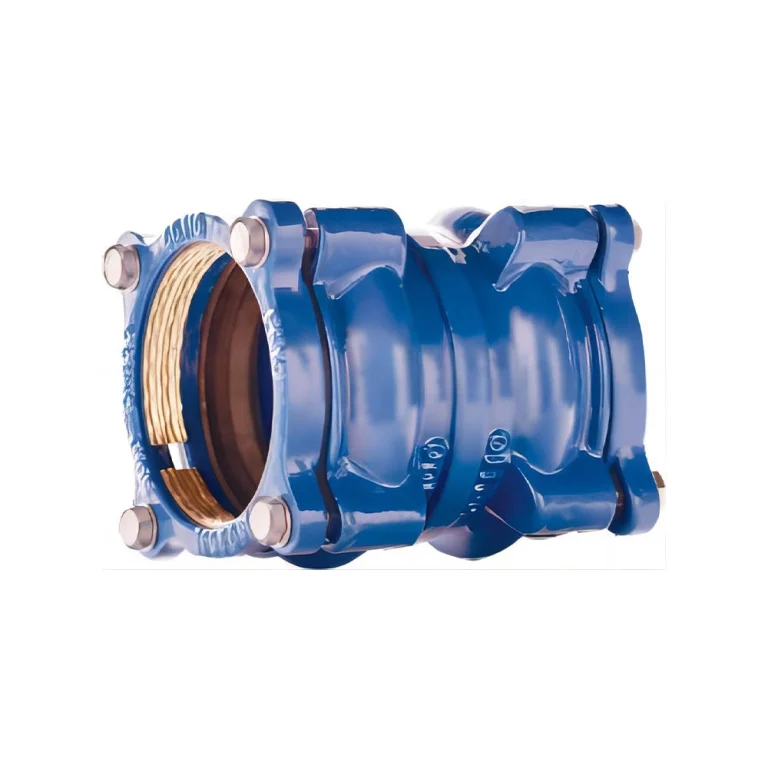
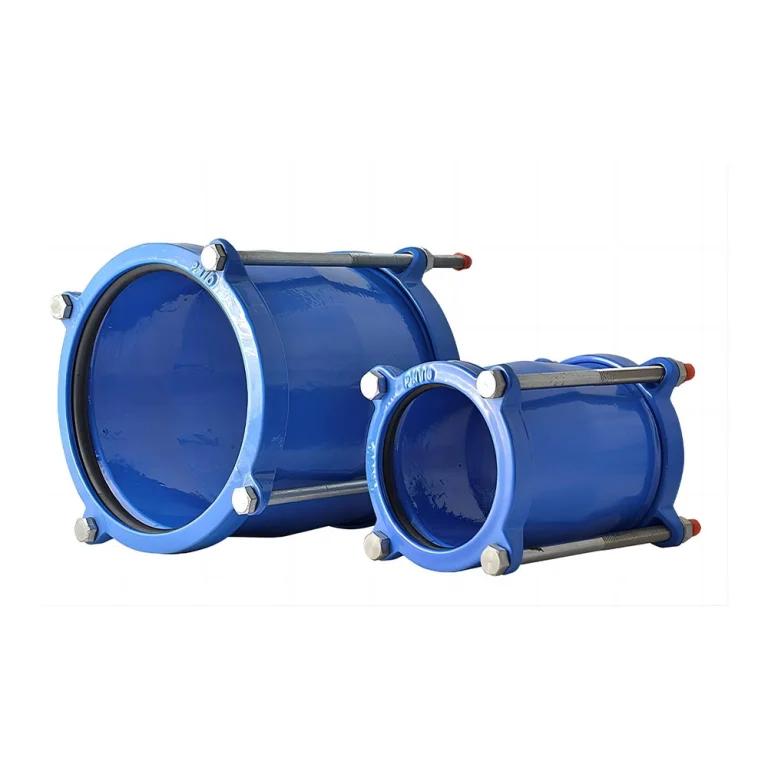
UN adaptateur de bride is a mechanical fitting. It joins plain-end pipes to flanged parts like valves, pumps, or other pipeline gear. It makes a firm connection between different link types. And it keeps the system strong under pressure. In water supply lines, wastewater plants, and factory systems, people use flange adaptors a lot. They value them for being handy and simple to put in.
Common benefits include:
- Simplified maintenance since flanged joints can be easily dismantled.
- Flexibility in connecting different pipe materials.
- Enhanced sealing performance when paired with suitable gaskets.
Conflex, a manufacturer specializing in industrial pipeline connection and repair products, designs various flange adaptors engineered for water, oil, and gas applications. Their range covers both standard and custom designs suited for diverse operating conditions.
Selecting the Right Adaptor for Different Pipe Materials
The pipe material shapes how you pick the adaptor. Each kind—PE, PVC, or steel—has its own strength traits. These traits change how adaptors hold up under force.
Matching Adaptor Types to Pipe Materials
For PE pipes, bendiness is both a plus and a hurdle. PE grows with heat shifts. It can also bend a bit under weight. So, a pe flange adaptor has to handle this shift without weakening the seal. And it must do so while keeping things tight. Adaptors with some give or lock systems inside help deal with side forces well.
For PVC pipes, stiffness rules. PVC gives good protection from chemicals. But it has little stretch. A flange adaptor for pvc pipe needs to make a snug seal. It should do this without pulling bolts too hard. That could break the pipe ends. Rubber gaskets that work with PVC’s chemical setup are very important here.
For steel pipes, toughness and long life matter most. Steel setups often run at higher pressures. So, metal-body adaptors with the right pressure levels are best. Protection from rust—like epoxy layers or zinc coating—helps the life last longer in tough spots.
Évaluation de la pression et compatibilité
Picking the proper pressure level makes sure the pipe and adaptor work safely in the system bounds.
Importance of Confirming Pressure Ratings
Pressure levels come from the weakest part in the setup. You should always check that the flange adaptor’s level matches or beats what the system needs. For example:
| Matériel de tuyau | Typical Pressure Range (PN) | Recommended Adaptor Type |
| PE | PN10 à PN16 | Flexible coupling type |
| PVC | PN10–PN20 | Rigid compression type |
| Acier | PN16–PN40 | Bolted flange type |
Matching goes further than pressure. Flange drilling rules (such as ISO 7005 or ANSI B16.5) must line up between parts. This ensures good bolt placement and seal surface touch.
Seal Material and Chemical Compatibility
The seal is often the quiet star of any joint. It decides if your link stays without leaks as time goes on.
Choosing the Right Seal Material
You pick seal material based on heat range, what’s flowing through, and how long it should last. EPDM fits water setups nicely. NBR deals with oil fluids. PTFE works best in rough chemical spots.
Chemical matching stops early wear on seals from harsh stuff or high heat. You should always check matching lists before you install. Do this especially for factory liquids like cleaners or acids.
Restraint and Axial Loads in Pressured Systems
In lines with pressure—especially those using bendy stuff like PE—side movement can cause breaks if not held back right.
Essential Considerations for Pressured PE Systems
PE lines often grow under inside pressure changes. A held-back PE flange adaptor stops pull-out. It does this by locking onto the pipe wall or using liner strength. This setup keeps things steady. It works even during quick pressure jumps or water hammer hits. If you skip hold-back thoughts, it often leads to link breaks or shifts later on. That’s a pricey error. But you can avoid it with good picking.
Sizing Rules for Flange Adaptors
Right sizing makes sure of a good mechanical match and smooth flow for all materials.
Using Outer Diameter (OD) for Plastics
When you choose adaptors for plastic pipes like PE or PVC, always look at the outer diameter (OD). Don’t use the name size (DN). Plastic pipes change a little in wall thickness by SDR class. So, OD sizing makes a true fit no matter the wall size.
Flange Standards for Metal Pipes
Metal pipes stick to set flange rules from world norms like EN 1092-1 or ASME B16.5. Keeping these rules means parts from different makers can swap easily. That’s a big point in factory spots where mixed brands are usual.
Installation Tips for Flange Adaptors
Theory aids in picking. But hands-on work keeps your system going well.
Practical Advice Over Theoretical Knowledge
Before you tighten bolts, line up all parts straight. This stops angle strain on seals. Pull bolts across in steps. Do it several times to spread the load even around the gasket side. Skip oils that don’t match gasket stuff. They can make slips during pressure checks.
Common pitfalls include:
- Over-torquing bolts on PVC connections.
- Ignoring pipe end cleanliness before assembly.
- Misalignment leading to uneven gasket compression.
Conflit engineers often stress on-site ease over book exactness. The true gap is in good prep, not hard pushing together.
Special Cases & Product Features to Consider
Every job has odd spots where usual fittings don’t cut it.
Unique Scenarios Requiring Special Adaptors
Lines with high heat might need stainless steel adaptors. Buried setups could call for rust-proof layers. Offshore gear wants shake-proof parts to fight moving forces. You should check these cases early. That way, you skip re-doing work on the spot later.
Some newer types add twist gauges or auto-seal gaskets. These boost trust without making setup harder. Conflex provides special fixes made for these hard spots. They keep size matches with set rules. This shows their aim at real-world building, not just big output alone.
Quick Selection Checklist
A clear plan makes choices easier when you face many picks:
- Identify pipe material (PE/PVC/Steel) and its OD.
- Confirm operating pressure (PN rating).
- Check chemical nature of fluid transported.
- Select appropriate seal material.
- Verify flange drilling standard compatibility.
- Assess need for restraint against axial movement.
- Ensure corrosion protection if applicable.
- Review manufacturer specifications for dimensional tolerance (e.g., flange adaptor dimensions).
Using this list keeps things steady over jobs. It cuts setup mistakes too. That’s a bit of work at the start. But it saves big on fixes down the road.
FAQ
Q: What is the main function of a flange adaptor?
It connects plain-end pipes to flanged equipment while maintaining a leak-free joint under pressure variations.
Q: Can one flange adaptor fit both PE and PVC pipes?
Not ideally—each material has unique expansion characteristics requiring specific designs optimized for flexibility or rigidity.
Q: How do I measure flange adaptor dimensions accurately?
Use calipers to measure outer diameter (OD) of plastic pipes or refer to nominal bore sizes for metal ones following relevant standards.
Q: Why is seal material important?
Incorrect seals may degrade chemically or thermally, leading to leaks even if mechanical parts remain intact.
 French
  English
  Arabic
  Chinese
  German
  Indonesian
  Italian
  Kazakh
  Kyrgyz
  Portuguese
  Russian
  Spanish
  Swahili
  Uzbek
Uzbek