



“Flange adaptor, DN300, PN16” looks tidy in a bill of quantities. It is also unfinished. Which DN300 pipe? Which flange pattern? Who is dealing with axial thrust? If the answers arrive after the chamber is built, a minor fitting becomes the reason installation stops. For Ethiopian public drinking-water projects, specifiers must also confirm WRAS-certified wetted materials to avoid water-quality risks alongside mechanical fit.
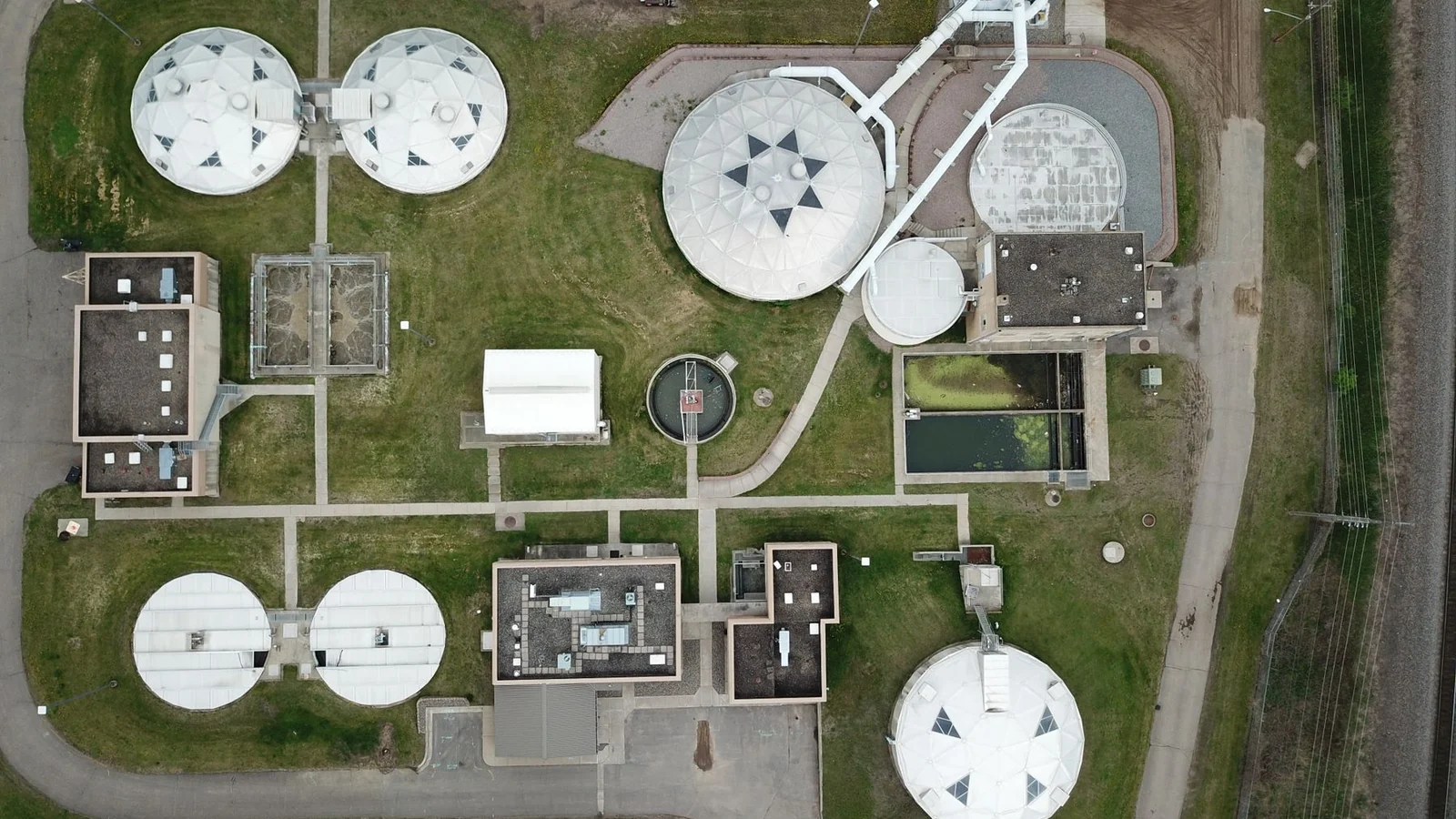
Ethiopia has a practical reason to standardise the answers. Its recently completed urban water and sanitation programme reached 43 towns and included nearly 1,500 kilometres of pipe, plus pumps, reservoirs and treatment works. With that many interfaces, an RFQ template is not clerical housekeeping. Without it, “DN300, PN16” can mean something different in each contractor’s order.
How a Flange Adaptor Bridges Plain Pipe and Flanged Equipment
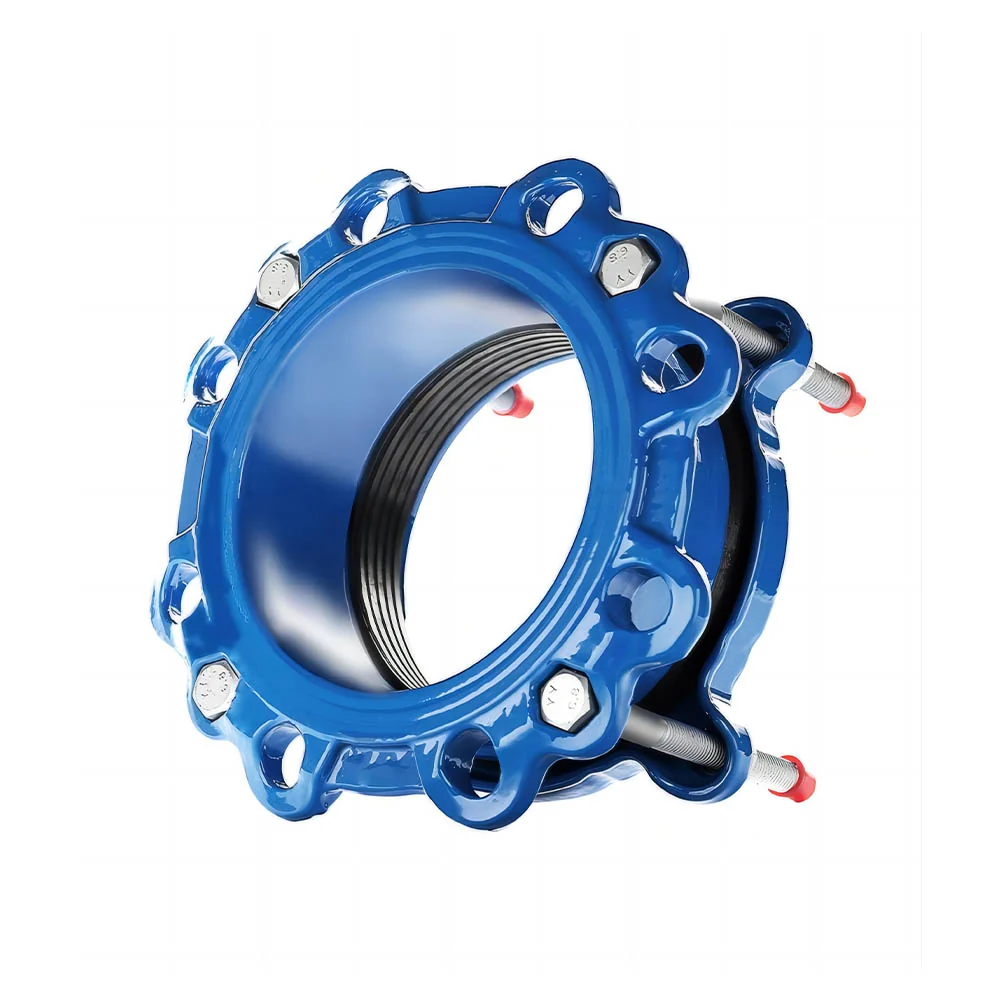
Its two ends do different jobs. The socket grips and seals on bare pipe; the drilled face bolts to the valve, pump or meter. That saves fabricating a flange on the pipe and leaves the installer a modest amount of fitting tolerance.
First, though, confirm that this is the connection the drawing actually needs. Two flanged components that require take-out space may call for a dismantling joint. A line with unbalanced thrust may need a restrained adaptor or a separate anchor solution. Product family follows function; it should not be decided from the lowest unit price.
The Conflex flange adaptor range is a sensible place to compare configurations before the schedule is finalised. The schedule then narrows the choice with actual project data.
Ductile Iron Flange Adaptor Selection Starts With Actual Outside Diameter
Pipe DN is the first clue, not the sealing dimension. The RFQ should carry the outside diameter, pipe material and pipe standard together. An older DI main may also have a coating or surface condition that no archived schedule describes very well.
Expose and clean the intended sealing area, then measure it in two directions. Different readings reveal an out-of-round pipe. Where only a small window is open, include a scale in the photograph sent with the enquiry. The field note should cover what a photograph may hide: raised corrosion, loose coating or a rough gasket seat.
If the observed OD sits at the extreme end of the offer, pause. An existing main carries enough uncertainty to justify usable tolerance around the reading.
For a known DI main, begin with the dedicated adaptor flange untuk pipa DI. Its published family spans DN80-DN2000. That figure describes the family, not the piece being purchased, so the offer still has to identify one size and one accepted OD range.
Pressure and Drilling Checks for a Pipe Flange Adaptor
Pressure notes are surprisingly easy to lose across documents. Put normal operation, design duty and the adopted surge case together, then review the connection as a unit. A valve marked PN16 cannot vouch for the adaptor beside it.
Keep the flange notation together as well: drilling standard beside pressure class. An EN 1092 flange does not become compatible with an ANSI pattern simply because both are described as DN300.
Next comes the service. Medium and temperature guide the seal choice, while potable-water work requires WRAS certification documents to verify body and gasket material safety for drinking-water contact. Coating and fasteners should suit the chamber or burial conditions—not an impressive clause borrowed from another climate.
Flange Adaptor Dimensions Need Space for the Gland and Bolts
A line symbol has no spanner clearance. The outline drawing does. Overlay it on the chamber plan; the body, gland, flange rim, projecting bolts and insertion zone suddenly occupy real space.
Trouble tends to sit just outside the body. A support takes away the wrench swing, a wall captures a bolt, or the gasket lands on damaged pipe even though the adaptor itself fits.
Mark the insertion limit before assembly so the required end gap does not disappear. Then sketch the path of a flange bolt, including removal. A collision found here is a pencil change. The same collision in a finished chamber is site work.
Mixed networks sometimes make a adaptor flensa universal attractive for maintenance stock. Its wider OD coverage can reduce the number of items held in store. It does not relax the check on pipe material, actual diameter, pressure or restraint for the location where it will be used.
Flange Adaptor Installation Should Avoid Forced Alignment
Support and align the pipe and valve first. Using the bolts as pulling tools stores side load inside an apparently neat joint. Uneven gasket compression means the alignment needs correcting, not that the wrench needs more force.
Cleaning continues around the whole gasket band, including the surface hidden after assembly. Recheck roundness, place the gasket and gland, and confirm that the adaptor slides into position freely. Only then begin the model-specific tightening sequence. A torque remembered from yesterday may belong to another size—or another maker.
Some models permit angular deflection, but the published limit is a boundary, not a target. It should not rescue careless setting-out. Pressure-test before closing access and inspect the seal at the same time. Record the model, size, measured OD, location and tightening details before the crew moves on.
Choosing a Universal Flange Adaptor or a Dedicated DI Model
When the DI pipe series and OD are known, the dedicated model usually makes the decision easier to audit. Universal adaptors earn their place where a confirmed range genuinely covers several pipes or where maintenance teams need flexible emergency stock. “Universal” does not mean “measure later.”
Bid comparison improves when the return schedule forces like-for-like answers. Model and OD range belong beside body, gland, gasket, coating and fasteners; pressure, drilling, dimensions, deflection and test documents complete the picture. An empty cell is useful. It exposes uncertainty that a low price might otherwise hide.
Send the pipe information and chamber sketch with the enquiry. Conflex can review the proposed arrangement through its project enquiry channel. That conversation belongs before dispatch, when the remedy is a revised selection rather than a site modification.
FAQ
Q: Can matching DN alone confirm a flange adaptor for DI pipe?
A: No. Nominal size can agree while outside diameters differ. Confirm the product from field OD, pipe material, pressure duty and the mating flange.
Q: Should mixed networks keep a universal flange adaptor in stock?
A: It can make sense when one verified range covers several mains. For a known DI pipe, however, the dedicated option is usually easier to document.
Q: Which details belong in an Ethiopian flange adaptor RFQ?
A: Start with the pipe material, actual OD and standard. Add DN, pressure and drilling, followed by the service, gasket, coating, fasteners, approvals, restraint and chamber dimensions.
Q: Why specify WRAS-certified flange adaptors for Ethiopian municipal water projects?
A: WRAS certification independently validates that wetted ductile-iron bodies and rubber gaskets do not contaminate drinking-water. For Ethiopian urban water-sanitation programmes, WRAS-approved flange adaptors meet international compliance requirements for public potable-water networks.


 Indonesian
 English
 Arabic
 Chinese
 French
 German
 Italian
 Kazakh
 Kyrgyz
 Portuguese
 Russian
 Spanish
 Swahili
 Uzbek