



Туура фланц адаптерин тандоо түтүктөрдүн өлчөмүнө дал келүү жөнүндө гана эмес, ал түтүктөрдүн орнотуусунда узак убакытка чейинки ишенимдүүлүктү, коопсуздукту жана иштешин камсыз кылуу жөнүндө. Сиз ПЭ, ПВХ же болоттон жасалган түтүктөр менен иштеп жатсаңыз да, материалдардын басым, жылуулук жана химиялык заттар менен кантип иштешин билүү керек. Бул билим агып кетүүнү жана кымбат токтотууларды токтотууга жардам берет.
Фланж адаптерлерин түшүнүү
Материалдын дал келиши же өлчөмү боюнча көрсөтмөлөрдү карагандан мурун, фланц адаптеринин чындыгында эмне кылганын түшүнүү маанилүү.
Фланж адаптери деген эмне?
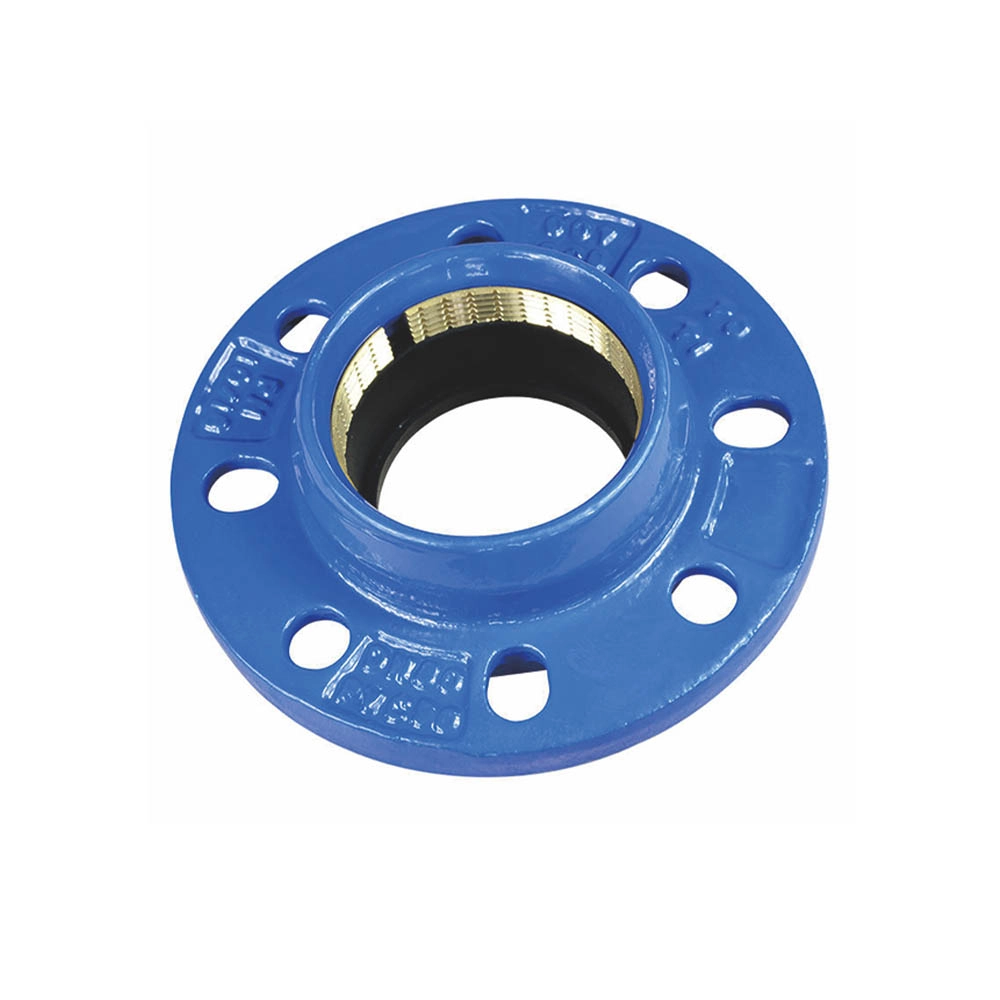
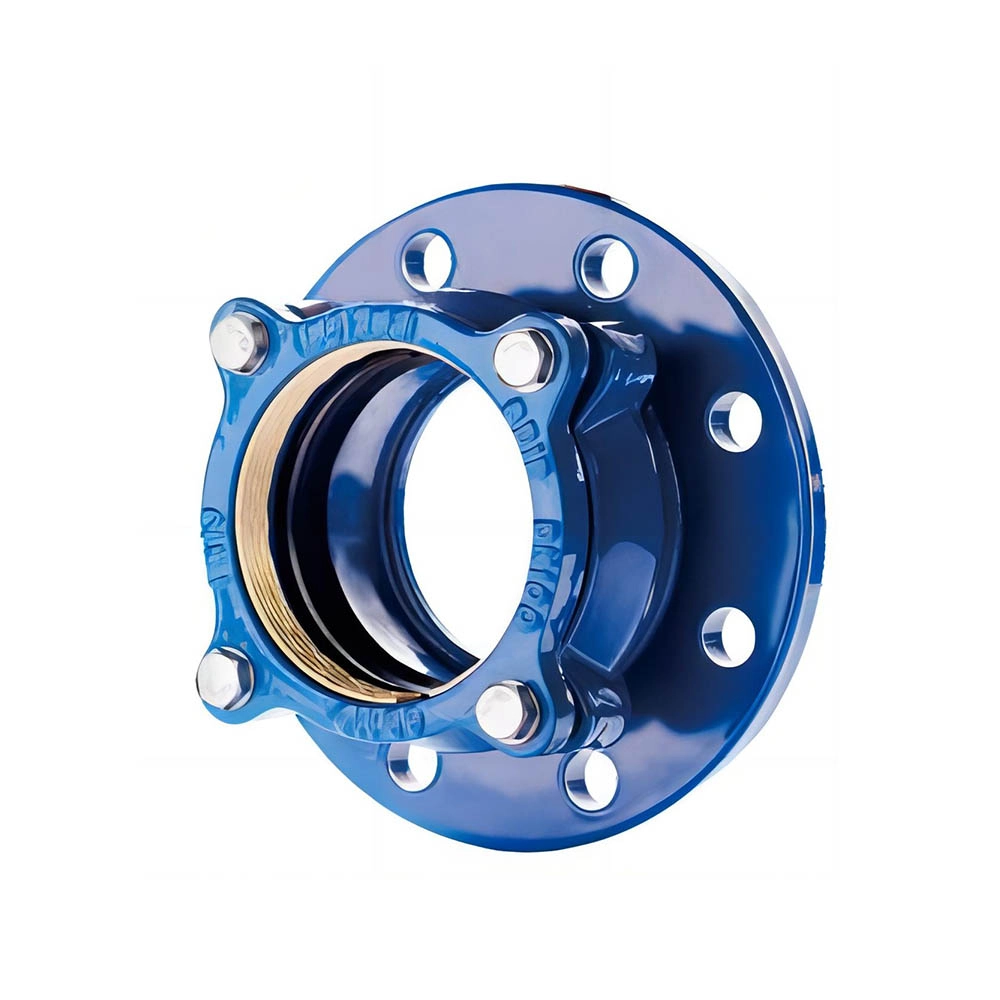
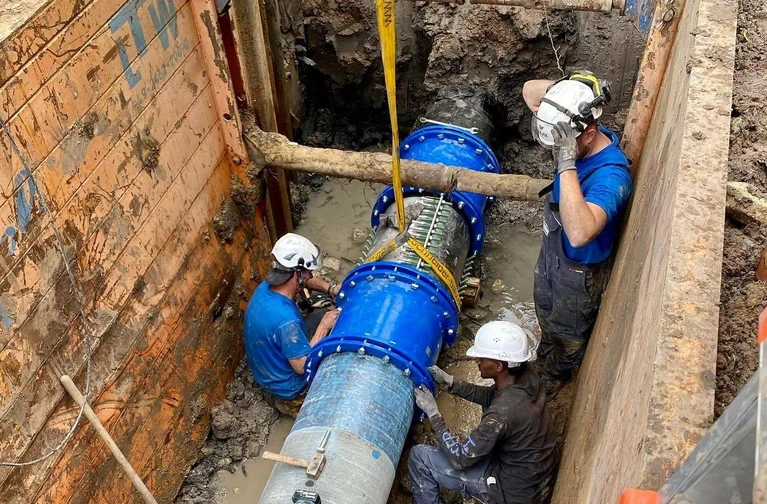
A flange adaptor бул механикалык жабдуу. Ал жалпы түтүктөрдү клапандар, насостор же башка түтүктөрдүн шаймандары сыяктуу фланжалуу бөлүктөргө туташтырат. Бул ар кандай шилтеме түрлөрүнүн ортосунда бекем байланыш түзөт. Ал системаны басым астында күчтүү сактайт. Суу менен камсыз кылуу линияларында, агындык суу заводдорунда жана заводдук системаларда адамдар флангалык адаптерди көп колдонушат. Алар аларды ыңгайлуу жана жөнөкөй экендиги үчүн баалашат.
Жалпы артыкчылыктарга төмөнкүлөр кирет:
- Жөнөкөйлөтүлгөн техникалык тейлөө, анткени флангалык кубаттууларды оңой эле бөлүштүрүүгө болот.
- Ар кандай түтүк материалдарын туташтыруудагы ийкемдүүлүк.
- Тиешелүү пломбалар менен жумшалганда жакшыртылган пломбалоо натыйжалуулугу.
Conflex, өнөр жай түтүктөрүн туташтыруу жана оңдоо өнүмдөрүнө адистешкен өндүрүүчү, суу, мунай жана газ колдонмолору үчүн иштелип чыккан ар кандай фланц адаптерлерин долбоорлойт. Алардын ассортименти ар кандай иштөө шарттарына ылайыктуу стандарттык жана жекелештирилген дизайндарды камтыйт.
Ар кандай түтүк материалдары үчүн туура адаптерди тандоо
Түтүктүн материалы адаптерди кантип тандоону аныктайт. Ар бир түрү - ПЭ, ПВХ же болот - өзүнүн күчтүү өзгөчөлүктөрүнө ээ. Бул өзгөчөлүктөр адаптердин күч астында кантип турганын өзгөртөт.
Адаптердин түрлөрүн түтүк материалдарына дал келтирүү
PE түтүктөрү үчүнийилүү - бул плюс жана тоскоолдук. PE жылуулуктун өзгөрүшү менен өсөт. Ошондой эле ал салмагынан бир аз төмөн ийилиши мүмкүн. Ошентип, PE флангалык адаптер бул өзгөрүүнү мөөрдү алсыздабай башкарышы керек. Ал ошондой эле нерселерди тыгыз сактоо керек. Айрым берүү же кулпуу системалары бар адаптерлер тараптык күчтөрдү жакшы чечүүгө жардам берет.
PVC түтүктөрү үчүн, катуулук эрежелери. ПВХ химиялык заттардан жакшы коргойт. Бирок анын узундугу аз. ПВХ түтүктөрүнүн фланц адаптери ыңгайлуу мөөр жасоо керек. Бул болттарды өтө катуу тартпай, мындай кылышы керек. Бул түтүктүн аягын сындырышы мүмкүн. Бул жерде ПВХдин химиялык түзүлүшү менен иштеген резина пломбалары абдан маанилүү.
Болот түтүктөрү үчүн, бекемдүүлүк жана узак өмүр эң маанилүү. Болот жабдуулары көбүнчө жогорку басымда иштейт. Ошентип, туура басым деңгээли бар металл-корпус адаптерлери эң мыкты. Эпоксиддик катмарлардан же цинк каптоодон коргоо оор жерлерде өмүрдү узак убакытка созууга жардам берет.
Басымдын рейтинги жана шайкештик
Туура басым деңгээлин тандоо түтүк жана адаптер системанын чектеринде коопсуз иштешине камсыз кылат.
Басымдын рейтингин тастыктоонун маанилүүлүгү
Басым деңгээли орнотуунун эң алсыз бөлүгүнөн келет. Сиз ар дайым флангалык адаптердин деңгээли системанын муктаждыктарына дал келгенин же алардан жогорулаганын текшеришиңиз керек. Мисалы:
| Түтүк материалы | Типикалык басымдын диапазону (PN) | Сунушталган адаптердин түрү |
| Жылдык | PN10-PN16 | Ийкемдүү туташтыруу түрү |
| PVC | PN10-PN20 | Катуу кысуу түрү |
| Steel | PN16-PN40 | Болтталган фланца түрү |
Шайкешүү басымдан да мындан ары барат. Фланцалык бургулоо эрежелери (мисалы, ISO 7005 же ANSI B16.5) бөлүктөрдүн ортосунда бирдей болушу керек. Бул болтту жакшы жайгаштырууну жана пломбанын бетине тийгизүүнү камсыз кылат.
Печатка материалы жана химиялык шайкештик
Көпчүлүк учурда, мөөр - бул ар кандай кубаттуунун тынч жылдызы. Бул сиздин шилтемеңиз убакыттын өтүшү менен агызып калуусун чечет.
Туура мөөр материалын тандоо
Сиз жылуулуктун диапазонуна, эмне агып жатканына жана канчалык убакытка созулушуна жараша мөөр материалын тандайсыз. EPDM суунун орнотууларына жакшы ылайыкташат. NBR мунай суюктуктары менен иштейт. PTFE химиялык жактарда эң жакшы иштейт.
Химиялык дал келүү катуу заттардан же жогорку ысыктан тууралуу пломбалардын эрте кийүүсүн токтот. Орнотуудан мурун ар дайым дал келген тизмелерди текшерүү керек. Муну айрыкча тазалоочу заттар же кислоталар сыяктуу заводдук суюктуктар үчүн кылыңыз.
Басымдуу системалардагы чектөө жана аксиалдык жүктөр
Басымдуу саптарда, айрыкча PE сыяктуу ийилген заттарды колдонуучуларда, эгерде оң кармап калмаса, тарап кыймылы үзүлүүгө алып келиши мүмкүн.
Басымдуу PE системалары үчүн негизги эсептөөлөр
PE линиялары көбүнчө ички басымдын өзгөрүшүндө өсөт. Кесеп алуу PE фланца адаптери чыгарууну токтот. Бул түтүктүн дубалына жабылуу же жабылуунун күчүн колдонуу менен жасалат. Бул орнотуу нерселерди туруктуу сактайт. Ал тез басымдагы секирүүдө же суу чачыгынын согушунда да иштейт. Эгер сиз кармап ойлорду өткөрсөңүз, анда көбүнчө шилтеме үзүлүшүнө же кийинчерээк алмаштырууга алып келет. Бул кымбат ката. Бирок жакшы тандоо менен аны алдын алууга болот.
Фланж адаптерлеринин өлчөмү эрежелери
Туура өлчөмдөө бардык материалдардын жакшы механикалык дал келишин жана тегиз агымын камсыз кылат.
Пластмасса үчүн тышкы диаметрди (OD) колдонуу
PE же PVC сыяктуу пластикалык түтүктөрдүн адаптерлерин тандаганда, ар дайым тышкы диаметрине (OD) караңыз. Атынын өлчөмүн (DN) колдонбоңуз. Пластикалык түтүктөрдүн дубалдын калыңдыгы SDR классына ылайык бир аз өзгөрөт. Ошентип, OD өлчөмү дубалдын өлчөмүнө карабастан чыныгы туура келет.
Металл түтүктөрү үчүн фланжалык стандарттар
Металл түтүктөр EN 1092-1 же ASME B16.5 сыяктуу дүйнөлүк нормалардан алынган фланц эрежелерин белгилейт. Бул эрежелерди сактоо ар кандай өндүрүүчүлөрдүн бөлүктөрүн оңой алмаштырууну билдирет. Бул аралаш бренддердин адаттагы фабрикаларда чоң нерсе.
Flange адаптерлери үчүн орнотуу кеңештери
Теория тандоодо жардам берет. Бирок кол менен иштөө системаңызды жакшы иштейт.
Теориялык билим боюнча практикалык кеңеш
Болттарды бекемдөөдөн мурун, бардык бөлүктөрдү түз салыңыз. Бул пломбалардын бурчтук чыгымдарын токтот. Болттарды кадамдар менен тартыңыз. Жүктү бир нече жолу жайылтып, ал тургай, тыгыздоочунун тарабына да жайылтыңыз. Түшүргүчтөргө дал келбеген майларды өткөрүңүз. Алар басымды текшерүү учурунда чыгып кетиши мүмкүн.
Жакшы таралган тукуктарга төмөнкүлөр кирет:
- ПВХ туташтырууларындагы ашыкча бурулуучу болттар.
- Жыйындаштыруудан мурун түтүктүн аягынын тазалыгын елемейт.
- Туура эмес келтирүү тең эмес тыгыздагыч кысылууга алып келет.
Conflex Инженерлер көбүнчө китептердин тактыгынан көбүрөөк жерде жеңилдикти баса белгилейт. Чындыгы аралык - жакшы даярдоо, биргеликте кыйын түртүү эмес.
Атайын учурлар Продукттун өзгөчөлүктөрүн эске алуу керек
Ар бир жумушка кадимки шаймандар кесүп албай жаткан өзгөчө жерлер бар.
Атайын адаптерлерди талап кылган уникалдуу сценарийлер
Жогорку жылуулук бар линияларга дат баспас болоттон жасалган адаптерлер керек болушу мүмкүн. Көмөлгөн орнотууларда дат өткөрүп турган катмарлар талап кылынат. Деңиздеги жабдуулар кыймылдагы күчтөргө каршы күрөшүү үчүн толкунууга туруктуу бөлүктөрдү каалайт. Бул учурларды эрте текшерүү керек. Ошентип, кийинчерээк ишти кайра кылуудан баш тартасыз.
Кээ бир жаңы түрлөрдө бурулуш өлчөөчүлөрү же автоматтык түрдө мөөрлөнөтүүчү пломбалар кошулат. Бул ишенимди жогорулатат, ошондой эле ишенимди кыйындырбайт. Conflex бул катуу чектерге арналган атайын оңдоолорду камсыз кылат. Алар белгиленген эрежелерге ылайык өлчөмдөрдү сакташат. Бул алардын реалдуу дүйнөдөгү куруу максатын көрсөтөт, чоң өндүрүш гана эмес.
Тез тандоо текшерүү тизмеси
Ачык план көптөгөн тандоолорго дуушар болгондо тандоону жеңилдетет:
- Түтүк материалын (PE/PVC/Steel) жана анын OD-ын аныктоо.
- Иштетүү басымды тастыктаңыз (PN рейтинги).
- Суюктуктун химиялык мүнөзүн текшериңиз.
- Тиешелүү мөөр материалын тандаңыз.
- Фланцалык бургулоо стандартынын шайкештигин текшериңиз.
- Аксиалдык кыймылга каршы чектөө зарылдыгын баалоо.
- Эгерде колдонулса, коррозиядан коргоону камсыз кылуу.
- Өлчөмдүк толеранттуулук үчүн өндүрүүчүнүн спецификацияларын карап чыгуу (мисалы, фланц адаптеринин өлчөмү).
Бул тизмени колдонуу жумуштарга караганда иштерди туруктуу кылат. Ошондой эле орнотуу каталарын азайтат. Бул башта бир аз жумуш. Бирок бул жолду оңдоодо чоң үнөмдөйт.
FAQs
С: Фланц адаптеринин негизги функциясы эмне?
Ал жалпы түтүктөрдү фланкалуу жабдууларга туташтырат, ошол эле учурда басымдын өзгөрүшүндө агымсыз биригүүнү сактайт.
С: Бир фланц адаптери PE жана PVC түтүктөрүнө ылайыктуу болобу?
Идеалдуу эмес, ар бир материалдын өзгөчө кеңейтүү өзгөчөлүктөрү бар, алар ийкемдүүлүк же катуулук үчүн оптималдаштырылган конкреттүү дизайндарды талап кылат.
С: Мен кантип фланц адаптеринин өлчөмүн так өлчөөгө болот?
Пластикалык түтүктөрдүн тышкы диаметрин (OD) өлчөө үчүн калиперлерди колдонуңуз же тиешелүү стандарттарга ылайык металлдык түтүктөрдүн номиналдык бургулордун өлчөмүн көрсөтүңүз.
С: Эмне үчүн мөөр материалы маанилүү?
Туура эмес пломбалар химиялык же жылуулук жактан бузулушу мүмкүн, ал эми механикалык бөлүктөрү бузулуп калса да, агызууга алып келет.
 Kyrgyz
  English
  Arabic
  Chinese
  French
  German
  Indonesian
  Italian
  Kazakh
  Portuguese
  Russian
  Spanish
  Swahili
  Uzbek
Uzbek