




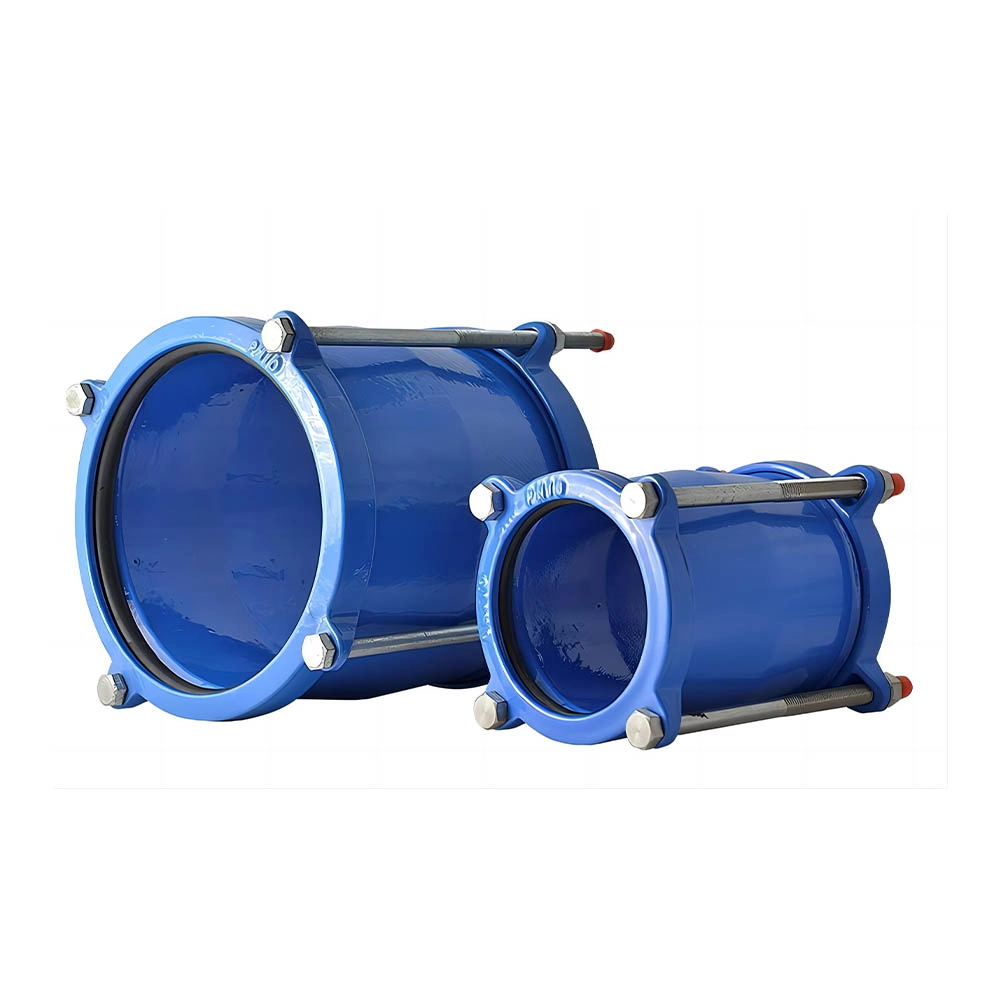
Um problema habitual em construir ou manter configurações de controle de fluxo é pegar entre conectores de tubos rigorosos e dobrados. A lacuna se reduz para quanto movimento eles permitem, necessidades de construção e a forma como cada um lida com tensão. Para falar rápido: conectores rígidos são aqueles que você escolhe quando você quer estabilidade e linhas retas; Os curvos funcionam melhor para tremer, tremer de terra e mudar de calor.
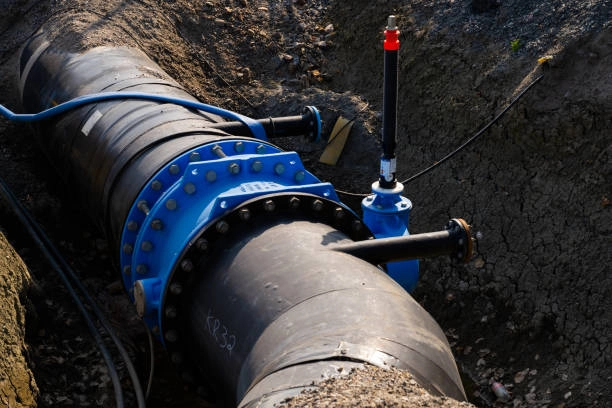
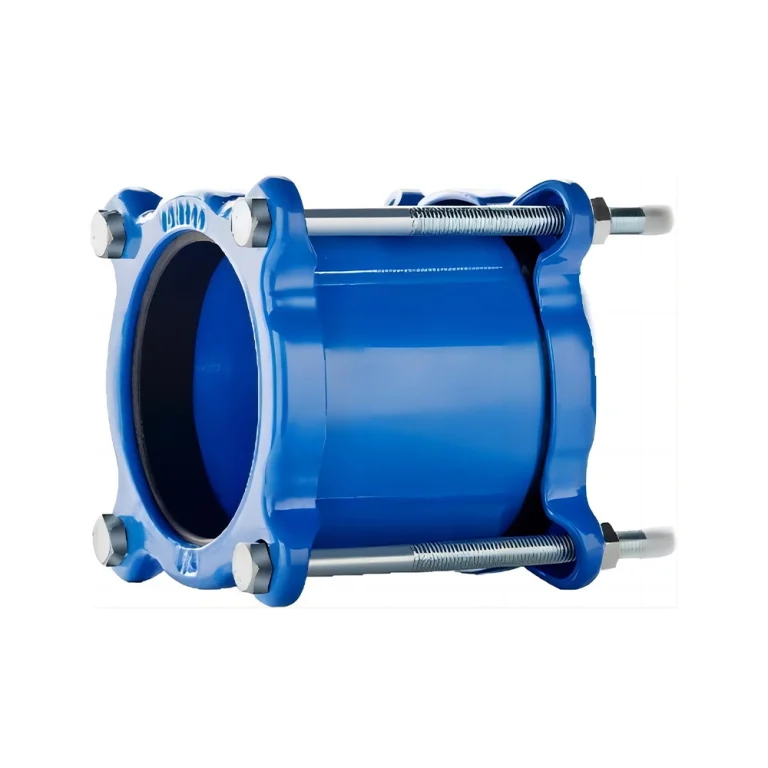
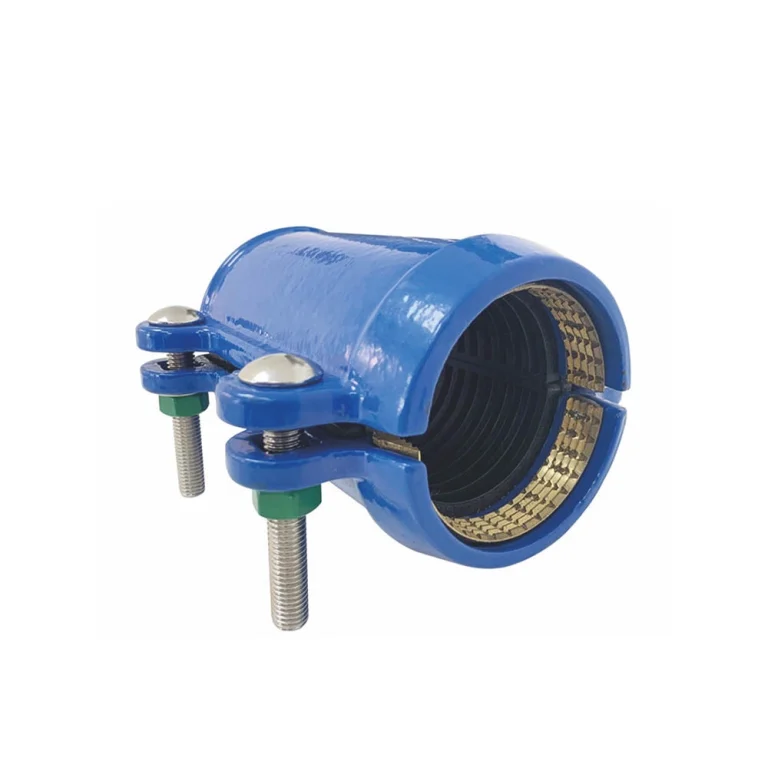
Vista geral dos tipos de acoplamento de tubos
Características-chave dos acoplamentos de tubos rígidos
Ligações rígidas de tubos são feitas para formar uma ligação sólida e estreita entre partes de tubos. Seu trabalho principal é manter a construção de direção e força através da instalação de tubos. Depois de colocá-los dentro, eles param ambos os deslocamentos de linha reta (deslizando pelo comprimento do tubo) e os dobramentos de ângulo (girando no ponto). Isso os coloca bem para pontos com fortes empurrões ou configurações de segurança de peso onde mudanças de tubos podem levar a problemas de trabalho.
Em pontos como elevadores verticales ou áreas de máquinas com equipamento ainda, esses acoplamentos asseguram que cada parte fica em linha. Eles fazem isso mesmo com saltos de pressão súbitos ou máquina funcionando.
Características chave dos acoplamentos de tubos flexíveis
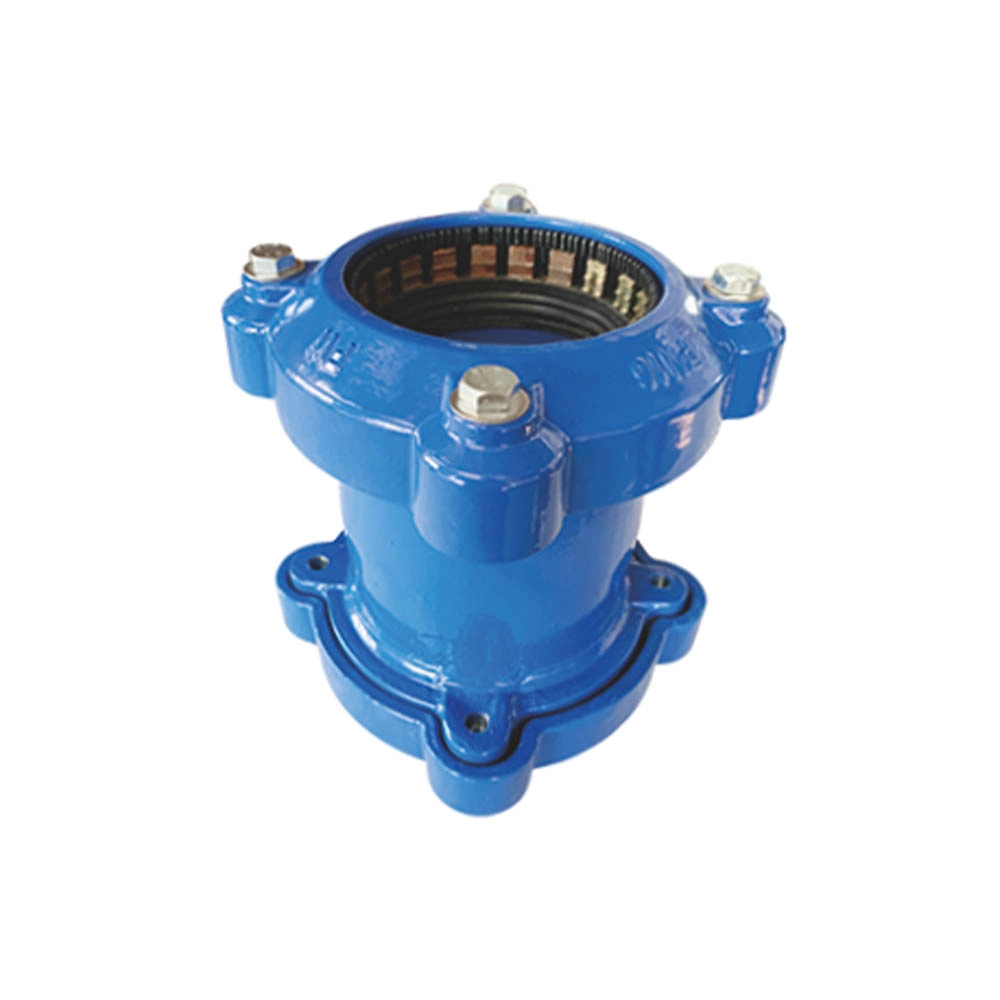
Os acoplamentos flexíveis, por outro lado, são construídos para lidar com o movimento. Eles deixam entrar um pouco de quarto direto e ângulo dobrado. Isso é chave em instalações que enfrentam crescimento de calor, tremores ou movimentos da terra. Esses conectores absorvem força ativa e cortam tensão em ligações e partes unidas.
As pessoas frequentemente as usam em lugares onde mudanças de terra ou mudanças temp or árias são prováveis. Por exemplo, você vê acoplamentos flexíveis em linhas de tubos de ponte, pontos de fábrica com mudanças de calor, e redes de segurança contra incêndios em áreas de tremor.
Diferenças estruturais e mecânicas
Carga Distribuição e Gestão do Stress
Uma grande lacuna entre estes dois tipos é como eles lidam com a tensão da máquina. Os acoplamentos de ponta passam pesos sobre a ligação. Isso pode construir pontos de tensão em pontas de tubos ou anexos. - Acontece mais se a configuração se tremer ou empurrar batimentos.
Ligações flexíveis apesar de espalhar pesos de uma forma mais equilibrada. Suas peças de borracha ou escassadas tomam picadas e pequenas desconectadas. Então eles diminuem a tensão de pontos. Isso normalmente significa um tempo de trabalho mais longo para o conector e os tubos que ele se junta.
Tolerança dos movimentos e flexibilidade do sistema
O crescimento do calor é uma coisa chave para pensar em configurações de controle do fluxo. - Os acoplamentos de ponta bloqueam o calor aumentando completamente. Isso pode causar dobramento ou uso em longos estilos de tubos a menos que você adiciona pontos de crescimento ou curvas.
Os acoplamentos flexíveis dão a quantidade certa de dobramento para lidar com o crescimento e diminuir. Em instalações ativas, como sistemas de ar com bombas que começam e param, eles funcionam como escudo. E isso guarda a força do tubo.
Comparação baseada em aplicações em sistemas de engenharia
Uso em Sistemas de Protecção de Fogo
Em instalações de segurança contra incêndios, ambos os tipos de acoplamentos estabeleceram empregos. - Estufas são usadas onde a direção exata dos tubos é uma necessidade, como em linhas de espinhos. Eles bloqueam quaisquer mudanças não desejadas que pudessem estragar o fluxo de água em uma crise.
Mas em pontos abertos à ação de tremor, acoplamentos flexíveis tornam-se vitais. As instalações em zonas de terremotos geralmente têm ligações curvas. Esses manuseam mudanças laterais e protegem contra quebra.
Uso em HVAC e sistemas mecânicos
Em empregos de configuração aérea, conexões rígidas ajudam a manter a direção constante. Isso é crucial para assegurar que bombas, refrigeradores ou movimentos de ar se conectam bem com tubos. O desconectado aqui pode causar som, menor velocidade de fluxo, ou dano ao longo do tempo.
Ao mesmo tempo, acoplamentos flexíveis são chaves quando bombas ou comprimidores fazem tremores. Eles bloqueam esse tremor antes de passar pela rede inteira. Então eles protegem válvulas e ataques mais longe.
Uso em redes industriais de tubagem
Em campos como trabalho químico ou limpeza de petróleo, acoplamentos rígidos são gostados onde a construção sólida é um dever-ter. Uma ligação firme mantém o trabalho sob um forte empurramento ou estado de alimentação fora.
No entanto, onde ciclos de calor ou mudanças de velocidade acontecem, como com máquinas de giro, acoplamentos flexíveis ajudam sistema de adaptação muda sem magoar o selo. Os trabalhadores frequentemente escolhem itens de fabricantes confiáveis como Conflex para tais casos. A empresa fornece ligações especiales de dobramento feitas para linhas pesadas de petróleo, gás e água.
Considerações de Instalação para engenheiros
Tempo, trabalho e fatores de custo
Colocar acoplamentos rígidos precisa de direção exata do tubo antes de apertar as partes. Isto normalmente leva mais horas de trabalho durante a configuração. É mais difícil com pedaços longos ou tubos altos.
Os acoplamentos flexíveis dão um pouco de espaço para brincar, de verdade. Você pode ajustá-los um pouco durante a configuração para encaixar linhas não tão perfeitas. Isto não só faz a configuração mais rápida, mas também reduz os custos totais de trabalho no local.
Mantenimento e implicações de desempenho a longo prazo
À medida que o tempo passa, os acoplamentos rígidos atingidos por tremores podem usar fissuras se não estiverem bem. Se uma configuração falta de espaço de curva noutro lugar, como curvas de crescimento, ligações rígidas podem acelerar os danos.
Os acoplamentos flexíveis tomam essas forças de trabalho. Sua habilidade de dobrar um pouco ajuda a manter a força focada mais longe nos usos em movimento. Para os trabalhadores que olham para custos de vida inteira em vez de apenas taxas de arranque, escolhas curvas muitas vezes mostram mais baratas.
Compatibilidade com materiais de tubos e equipamentos
Integração com vários materiais de tubos (aço, PVC, cobre)
Tanto os tipos de acoplamento de tubos rígidos como flexíveis vêm para muitos tipos de coisas, incluindo aço, ferro dutil, PVC e cobre. Ainda assim, cada coisa precisa de focos ou coberturas para se certificar de que se encaixam e param de comer metal.
Conflex dá uma ampla escolha de conectores de conjunto de coisas com escolhas de borracha feitas para vários hits químicos e tempos. Isso assegura um selo constante sobre diferentes configurações.
Interação com outros dispositivos e componentes de tubos
Os conectores têm que corresponder com as bordas, divisões, shrinkers e controles para manter a força da máquina e a habilidade de selar. Isso importa muito em configurações fortes onde qualquer jogo desconectado ou errado pode causar picos ou quebra.
Bos planos de construção deveriam pensar não apenas em pressionar nível, mas também girar capas de tensão e espaço de crescimento de calor em todas as partes unidas.
Normas e Orientações para a Seleção da Indústria
Códigos relevantes que governam o uso de acoplamento (por exemplo, NFPA, ASME)
Muitas regras de campo dizem quando usar acoplamentos curvos versus duros. Por exemplo: Sistemas de proteção contra incêndios governados pela NFPA 13 especificam quando são necessários acoplamentos flexíveis para zonas sísmicas. Do mesmo modo, os códigos ASME B31 dão conselhos sobre o uso de acoplamento em sistemas de alimentação e processamento de tubos baseados na pressão operacional e temperatura.
Especificações do fabricante e recomendações de engenharia
Equipas de construção deveriam sempre verificar folhas de informação dos fabricantes quando escolhem um tipo de conector. Coisas como nível de empurrão, dobramento de ângulo, intervalo temporário e manejo de tremor mudam muito entre os tipos, mesmo no mesmo grupo.
Nomes como Conflex oferecem artigos tecnológicos completos para ajudar com a escolha certa baseada em necessidades de configuração.
Performance in Seismic and High-Vibration Environments
O papel dos acoplamentos flexíveis nas Estratégias de Design Seismico
Os acoplamentos flexíveis são partes chave em planos de prova de terremotos. Sua habilidade de formar um pouco debaixo de empurrões laterais impede quebrar ligações durante os tremores da terra. Esse traço é extremamente vital em construções altas ou configurações sobre linhas de quebra.
Capacidades de isolamento da vibração de diferentes tipos de acoplamento
Os acoplamentos não bloqueam tremores. Eles passam tudo através da instalação de tubos. No lado inverso, planos curvos têm selas ou coberturas que funcionam como suavizadores. Eles são um pico superior perto de virar máquinas ou equipamentos que provavelmente baterão.
Resumo dos critérios de seleção para engenheiros
Avaliar os requisitos do sistema antes de escolher um tipo de acoplamento
Antes de escolher entre conexões de tubos rígidos ou flexíveis, os trabalhadores devem verificar:
- Se o sistema experimentará expansão térmica
- Presência de vibração de bombas ou compressores
- Disponibilidade de suporte estrutural
- Compliança com o código (especialmente zonas sísmicas)
- Pontos de acesso de manutenção
Fazer a escolha certa aumenta a confiança enquanto reduz custos a longo prazo, algo que cada trabalhador pretende.
Perguntas frequentes
Q: Podem acoplamentos flexíveis ser usados em sistemas de alta pressão?
Sim, mas apenas se avaliados adequadamente. Sempre verificar especificações de pressão do fabricante.
Q: Os acoplamentos rígidos requerem mais parênteses de apoio?
Normalmente sim -- eles não absorvem bem o movimento, então o suporte adicional evita o aumento do estresse.
Q: Os acoplamentos flexíveis são reutilizados após desmontagem?
Alguns são; no entanto, o uso de gasket pode requer substituição antes de reutilizar.
Q: Qual tipo de acoplamento é melhor para tubos subterrâneos?
Os acoplamentos flexíveis são preferidos devido à tolerância do movimento do solo.
Q: A mistura de acoplamentos rígidos e flexíveis em um sistema é aceitável?
Sim – os engenheiros geralmente fazem isso estratégicamente baseado em necessidades específicas de localização dentro do sistema.
 Portuguese
  English
  Arabic
  Chinese
  French
  German
  Indonesian
  Italian
  Kazakh
  Kyrgyz
  Russian
  Spanish
  Swahili
  Uzbek
Uzbek