




Pense na corrosião também. Outros casacos ou envolvê-los. Isso prolonga a vida para correntes misturadas de ferro fundido e plástico. As melhores práticas mecânicas de tubos comuns como essas mantêm os sistemas apertados.
Erros comuns quando se transforma de ferro em PVC/PE (E como os evitar)
Os problemas de conexão de ferro com tubos PVC surgem frequentemente. Aqui. s ão alguns para assistir.
Ignorando diâmetros externos e pressões, apenas correspondendo a tamanhos nominais. Evitar medindo O.D. e verificando avaliações em função das necessidades do sistema, como na seção de controles chave.
Conectando-se diretamente com ferro fundido mal corrodido ou deformado. - Salta isso; - substituir primeiro o segmento ruim por uma base sólida.
Bolas de reforço em um círculo, não diagonalmente. Isso desenha o selo. Segue o padrão de torque passo por passo para mesmo sair das forças.
Esquecendo a força da linha, levando às articulações se separando. Prever a retirada de tubos com opções restritas ou ancoras, especialmente em turnos. consertar grampos Usando conexões de drenagem em tubos de pressão. Eles não têm força. Escolha tipos mecânicos adequados à carga, como adaptadores de flange universal.
Um Simple Fitting for a Complex Retrofit Problem
A modernização das antigas redes de ferro fundido é não apenas sobre trocar materiais. O verdadeiro truque reside nas conexões. Um adaptor de flange universal restrito o torna simples. Ela ponte diferentes tamanhos e tipos com facilidade. Se você está planejando um projeto de renovação, sempre vale a pena compartilhar seus dados de tubos e condições operacionais com a equipe técnica do seu fornecedor escolhido, como o Conflex, antes de decidir sobre um detalhe final da conexão. Q: Qual é a melhor maneira de conectar um tubo de ferro fundido antigo a um novo tubo PVC ou PE?
O método mais confiável – especialmente para aplicações de pressão ou alto estresse – é utilizar um adaptor de flange universal restrito, que sustenta diferentes materiais de tubos e impede a retirada.
Q: Um adaptor de flange universal pode encaixar tanto tubos de ferro fundido como de PVC/PE? Conflex Sim. Um adaptor de flange universal é projetado com uma ampla gama de OD para acomodar ferro fundido, PVC, PE e pontas de espinho de ferro dutil, tornando-o ideal para retrofitting tubos de material misto.
Q: Preciso de um adaptador de tipo restrito para tubos de pressão?
Para sistemas ou localizações pressurizados perto de dobras, válvulas ou tees, recomenda-se um adaptor de flange universal restrito porque ele fecha mecânicamente o tubo para evitar movimento axial ou retirada. Q: O que devo verificar antes de instalar um adaptor de flange em um tubo de ferro fundido antigo? Inspeccionar a condição do tubo, confirmar o diâmetro externo real, verificar a taxa de pressão PN (por exemplo, PN10/PN16), e assegurar que o extremo do tubo seja limpo, redondo e estruturalmente sólido.
Q: Pode um adaptador de flange universal ser usado para conectar diretamente tubos PE?
Sim, mas assegurar que o adaptador suporta o intervalo correto de OD para tubos de PE e segue os procedimentos adequados de apertura de boltos, pois PE é mais flexível do que PVC ou ferro fundido.
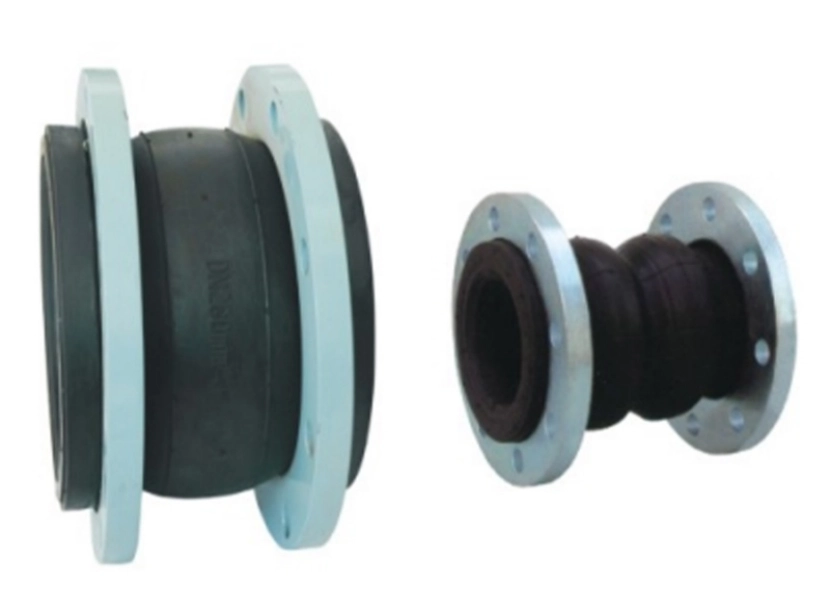
Adaptor de flange universal restrito com dentes de bloqueio mecânico e corpo de ferro ductível azul revestido por epoxi para conectar tubos de ferro fundido, PVC ou PE
Diagrama técnico transversal de um adaptor de flange universal restrito mostrando gasquete de selagem, mecanismo de bloqueio, boltos e parâmetros dimensionais L1 e L2
Aprende como conectar seguramente tubos de ferro fundido antigos a novos PVC ou PE usando adaptadores de flange universal restritos. Um guia prático para retrofitos confiáveis e sem vazamento de tubos.
Como conectar o tubo de ferro antigo com um novo PVC ou PE - Conflexo
Por que as reparações de tubos de grande diâmetro levam muito tempo
tubos de grande diâmetro, aqueles com DN600 ou maior, ou diâmetros externos de 82 a 945 mm, carregam água, esgotos ou fluidos industriais. Um vazamento nesses sistemas significa problemas. O tempo descendente aumenta enormes custos, às vezes em milhões por dia para serviços públicos ou fábricas.
Entre Universal c\\ 12298; Universal Saddle Flange Tee vs Tapping Sleeve [UNK] Key Differences 》—Conflex Ligações mecânicas de tubos de meio colar socked
Conclusão
Eles oferecem uma maneira mais rápida e limpa de lidar com reparações no local. Esses acoplamentos reduzem o tempo de instalação e fazem as coisas fluir de novo rápido.
Utilidades e instalações industriais que trabalham com o Conflex frequentemente enfrentam o mesmo desafio: como reparar tubos de grande diâmetro sem fechamentos prolongados.
FAQ
Os desafios escondidos da reparação de tubos de grande diâmetro
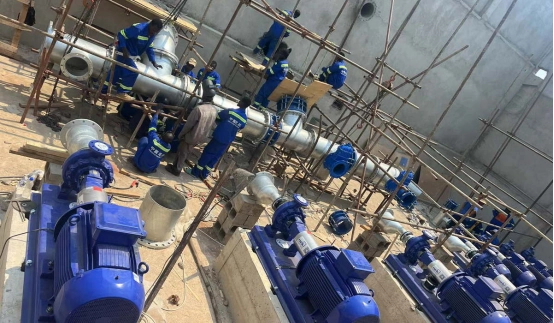
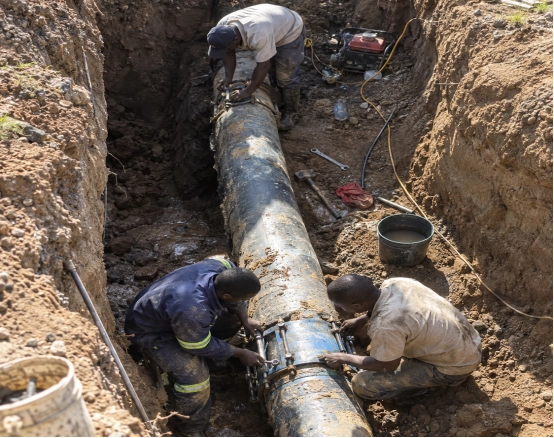
Reparar grandes tubos é: e simples. Seu puro peso torna o tratamento difícil. O espaço local é muitas vezes engordado, aumentando os custos de excavação e elevação. Crews lutam com isso. Suwelding adiciona mais dores de cabeça. As cidades podem t ir sem água; Fabricas perdem produção.
Soluções como reparação de tubos sem desligação ajudam a reduzir o tempo de desligação para reparação de tubos. Eles lidam com o vazamento de gasodutos de emergência.
O que é um acoplamento de tubos mecânicos de meio colar socked?
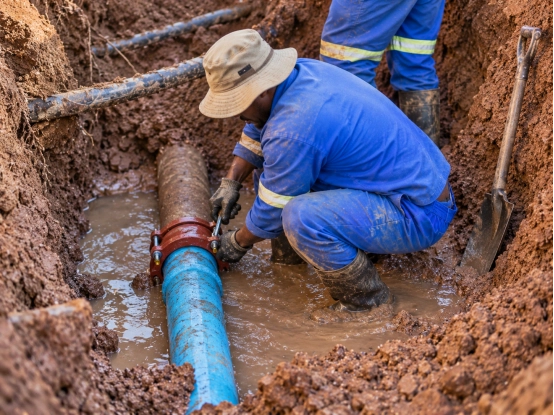
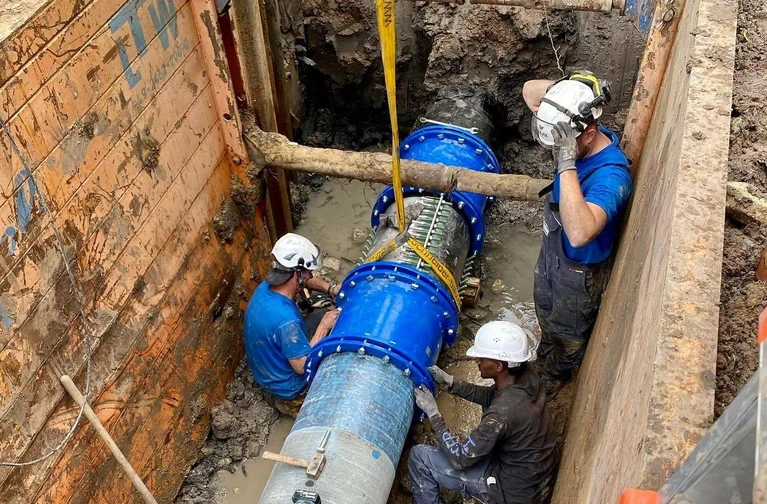
Um acoplamento de meio colar socked envolve-se ao redor do tubo como um clamp. Ela vem em duas metades ou mais peças que se montam diretamente no tubo. Não há necessidade de cortar ou remover seções.
Esse dispositivo funciona em aço, ferro dutil, PVC e outros materiais em grandes faixas de diâmetro. Ela é construído para grandes empregos.
Em muitos aperfeiçoamentos de tubos, engenheiros especificam acoplamentos Socked Half Collar de
como alternativa a substituir completamente as seções de envelhecimento.
Como os acoplamentos de meio colar socked cortam o tempo de instalação
A poupança de tempo vem de design inteligente. Esses acoplamentos abandonam métodos antigos. Que é quebrar.
 Portuguese
  English
  Arabic
  Chinese
  French
  German
  Indonesian
  Italian
  Kazakh
  Kyrgyz
  Russian
  Spanish
  Swahili
  Uzbek
Uzbek