





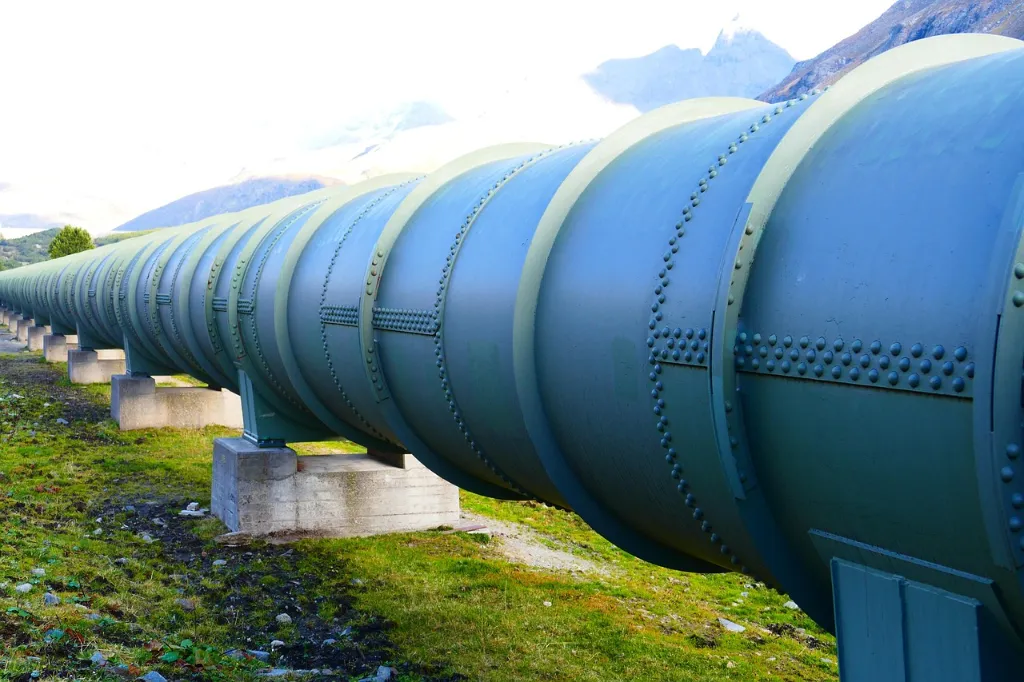
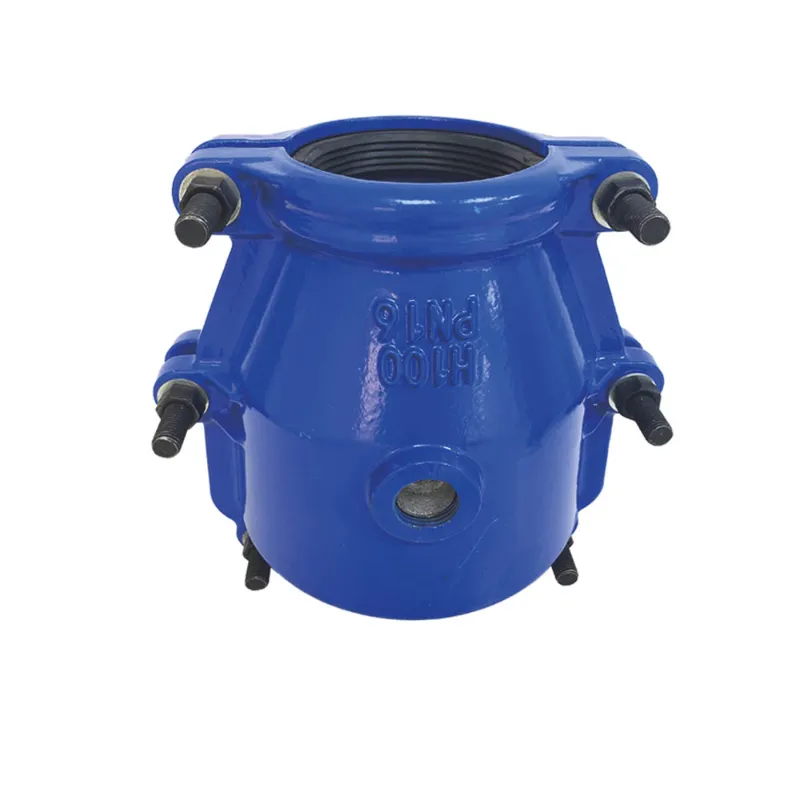
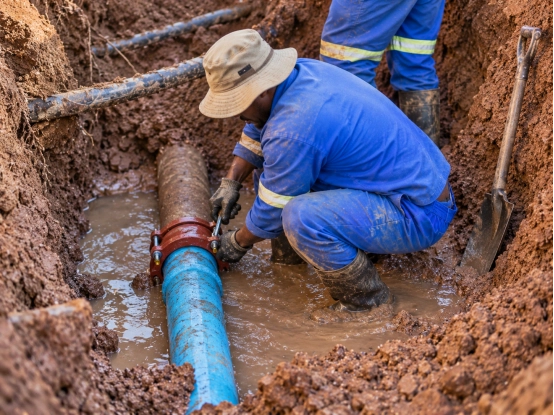
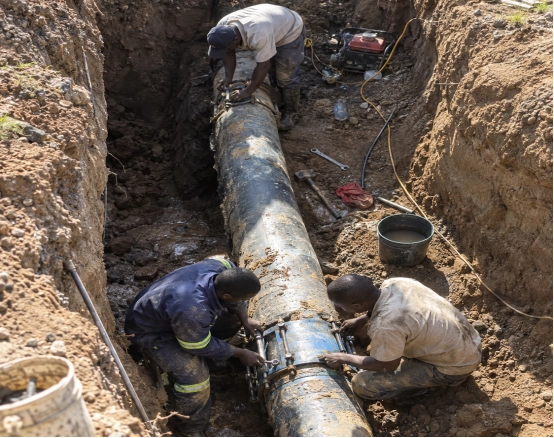
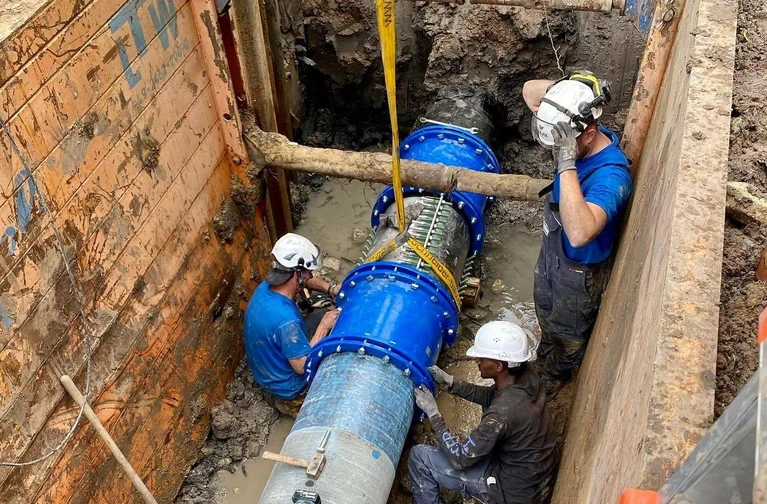
Ba'zan siz yuqori bosim ostida faol oqishlarga duch kelasiz. Tizimni to'liq o'chirish imkonsiz bo'lishi mumkin. Bunday hollarda quvurlarni ta'mirlash qisqichlari juda mos keladi. Siz ularni suyuqlik oqimini to'xtatmasdan tezda o'rnatishingiz mumkin. Ular mustahkam zanglamaydigan po'latdan yasalgan. Ushbu dizayn suv, neft yoki gaz tarmoqlarida zang bilan yaxshi kurashadi.
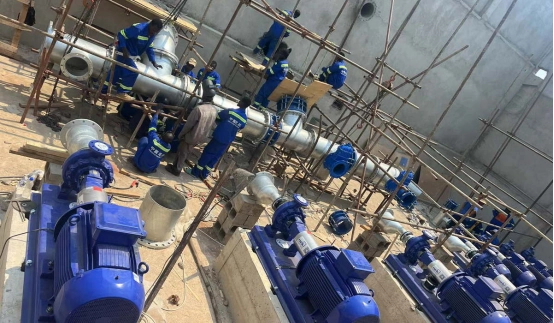
Nasoslar va kompressorlar ko'pincha kuchli tebranishlarni hosil qiladi. Moslashuvchan bo'g'inlar va muftalar bu harakatlanuvchi yuklarni o'zlashtiradi. Ular, shuningdek, muhrni to'liq xavfsiz saqlaydi. Bu xususiyat mashinalari kunu tun ishlaydigan zavodlar uchun zarurdir.
Yangilash paytida eski quvurlarni yangi kengaytmalar bilan ulashingiz kerak bo'lishi mumkin. bu ishni ancha osonlashtiradi. Ular mos kelmaydigan quvurlar o'lchamlarini muammosiz bajaradilar. Shuningdek, ular kuchli mexanik tutqich va oqishsiz natijani kafolatlaydi.Mustahkam dizaynlar ta'mirlash brigadalarining aralashuv sonini kamaytiradi. Bu ishchi kuchi xarajatlarini kamaytiradi. Shuningdek, yo'qotilgan ishlab chiqarish soatlarini ham kamaytiradi. Tez o'rnatish favqulodda vaziyatlarni bartaraf etish paytida kamroq to'xtashlarga olib keladi. Bu kuniga 24 soat ishlaydigan zavodlar uchun katta afzallikdir. Eng muhimi, oqish hodisalarini to'xtatish ish joyidagi xavfsizlikni yaxshilaydi. Bu butun tarmoq bo'ylab xavfsizlik standartlarini oshiradi.
Yuqori sifatli ulanish elementlari shunchaki oqishlarni bartaraf etishdan ko'proq narsani amalga oshiradi. Ular sizning texnik xizmat ko'rsatish ishingizni rejalashtirish usulingizni butunlay o'zgartiradi. Ishonchli qismlardan foydalanish butun tizimning uzoqroq xizmat qilishini ta'minlaydi. Shuningdek, u ko'p yillar davomida egalik qilishning umumiy xarajatlarini kamaytiradi. Bu aqlli ulanishni boshqarish pulni tejashini isbotlaydi. Tejalgan mablag'lar birinchi o'rnatish xarajatlaridan ancha yuqori.
1-savol: Sanoat quvurlari oqishining eng keng tarqalgan sababi nima?
Zang hali ham asosiy sabab bo'lib qolmoqda. Bu harakatlanuvchi suyuqliklar va quvur materiallari o'rtasidagi kimyoviy reaksiyalar tufayli yuzaga keladi.
2-savol: Moslashuvchan muftalar oqishning oldini olishga qanday yordam berishi mumkin?
Ular yer siljiganida yoki tebranganda xavfsiz harakatlanishga imkon beradi. Ular buni mahkamlangan muhrni buzmasdan amalga oshiradilar.
3-savol: Zanglamaydigan po'latdan yasalgan ta'mirlash qisqichlari barcha suyuqliklar uchun mos keladimi?
Ha, ular zangga qarshi juda yaxshi kurashadi. Bu ularni suv, neft, gaz va ko'plab kimyoviy moddalar uchun foydali qiladi.
4-savol: Muhrlarni qanchalik tez-tez tekshirish kerak? Qo'shin Jadval sizning ish sharoitlaringizga bog'liq. Biroq, siz eski tizimlarni yiliga kamida bir marta tekshirishingiz kerak.
5-savol: Conflex mahsulotlarini jonli ta'mirlash paytida ishlatish mumkinmi?
Ha, mumkin. Konfleks quvurlarni ta'mirlash qisqichlari bosim ostida faol foydalanish uchun mo'ljallangan. Ularni o'rnatish uchun tizimni to'liq o'chirish shart emas.
Quvur oqishlari ta'mirlashdan ko'ra qimmatroq bo'lishi mumkin. Oqishning 7 ta keng tarqalgan sababini va to'g'ri muftalar, qisqichlar va muhrlar tizim xavfini qanday kamaytirishini bilib oling.
Singapurdagi suv ta'minoti tarmog'i bunga yaqqol misol bo'la oladi. Zang va bo'g'imlarning aşınması u yerda keng tarqalgan muammolar edi. Bu cheksiz bosim o'zgarishi va juda yuqori namlik tufayli sodir bo'ldi. Qistirmalari...
Quvurlar oqishining asosiy 7 sababi va ularni qanday oldini olish mumkin - Conflex
https://www.connectionflexible.com/wp-content/uploads/2026/06/Top-7-Causes-of-Pipeline-Leakage-and-How-to-Prevent-Them.webp
2026-06-26 – Konfleks
Singapurdagi suv ta'minoti tarmog'i bunga yaqqol misol bo'la oladi. Zang va bo'g'imlarning aşınması u yerda keng tarqalgan muammolar edi. Bu cheksiz bosim o'zgarishi va juda yuqori namlik tufayli sodir bo'ldi. Vaqt o'tishi bilan qistirmalarning cho'zilishi yo'qoldi. Kichik suv yo'qotilishi odatiy holga aylandi. Texnik xizmat ko'rsatish guruhlari tizimning to'liq o'chirilishining oldini olish uchun ta'mirlash usullariga muhtoj edilar. Ular […]
https://www.connectionflexible.com/de/nachrichten/top-7-causes-of-pipeline-leakage-and-how-to-prevent-them/
Thu, 25 Jun 2026 16:00:12 +0000
https://www.connectionflexible.com/?p=4683
Quvur liniyasi ulanishi va ta'mirlash mahsulotlarining yetakchi ishlab chiqaruvchisi - Conflex - 20-bet
zhuxinadmin Muallif bosh sahifasi - Conflex - 11-bet
Mos keladigan qidiruv natijalari - Conflex - 20-bet
Quvur liniyasi ulanishi va ta'mirlash mahsulotlarining yetakchi ishlab chiqaruvchisi - Conflex - 4-sahifa Mos keladigan qidiruv natijalari - Conflex - 25-bet Sanoat yangiliklari – 7-sahifa – Conflex
Quvurlarni o'rnatish sanoatidagi so'nggi yangiliklar - Conflex - 13-sahifa
Quvur liniyasi ulanishi va ta'mirlash mahsulotlarining yetakchi ishlab chiqaruvchisi - Conflex - 3-sahifa
Quvur liniyasi ulanishi va ta'mirlash mahsulotlarining yetakchi ishlab chiqaruvchisi - Conflex - 5-sahifa
Quvur liniyasi ulanishi va ta'mirlash mahsulotlarining yetakchi ishlab chiqaruvchisi - Conflex - 12-sahifa
Quvur liniyasi ulanishi va ta'mirlash mahsulotlarining yetakchi ishlab chiqaruvchisi - Conflex - 7-sahifa
Mos keladigan qidiruv natijalari - Conflex - 5-sahifa
- Mos keladigan qidiruv natijalari - Conflex - 4-sahifa
- https://www.connectionflexible.com/pt/noticias/top-7-causes-of-pipeline-leakage-and-how-to-prevent-them/
Mos keladigan qidiruv natijalari - Conflex - 10-bet
https://www.connectionflexible.com/uz/news/top-7-causes-of-pipeline-leakage-and-how-to-prevent-them/
https://www.connectionflexible.com/zh//top-7-causes-of-pipeline-leakage-and-how-to-prevent-them/
quvur bo'g'inlari – 2-bet – Konfleks Paypoqli yarim yoqa O'rnatish bo'yicha ko'rsatmalar – 3-sahifa – Conflex
https://www.connectionflexible.com/es/noticias/top-7-causes-of-pipeline-leakage-and-how-to-prevent-them/
Quvurlarni o'rnatish sanoatidagi so'nggi yangiliklar - Conflex - 15-sahifa
Mon, 18 May 2026 06:30:55 +0000
Mos keladigan qidiruv natijalari - Conflex - 3-sahifa
- «Quvur oqishining asosiy 7 sababi va ularni qanday oldini olish mumkin» — Conflex
- «Quvur oqishining asosiy 7 sababi va ularni qanday oldini olish mumkin» — Conflex
- “Quvur oqishining asosiy 7 sababi va ularni qanday oldini olish mumkin” — Conflex
- "Quvurlar oqishining asosiy 7 sababi va ularni qanday oldini olish mumkin" – Conflex
- Quvur oqishining asosiy 7 sababi va ularni qanday oldini olish mumkin 》—Conflex
Mos keladigan qidiruv natijalari - Conflex - 8-sahifa
https://www.connectionflexible.com/kk/news/top-7-causes-of-pipeline-leakage-and-how-to-prevent-them/
Mos keladigan qidiruv natijalari - Conflex - 6-sahifa
Quvurlarni o'rnatish sanoatidagi so'nggi yangiliklar - Conflex - 23-sahifa
Mos keladigan qidiruv natijalari - Conflex - 14-bet
zhuxinadmin Muallif bosh sahifasi - Conflex - 12-bet
FAQ
«Yuqori bosimli vodorod flanesli adapterlar: nol oqish uchun yechimlar» — Conflex
Quvurlarni o'rnatish sanoatidagi so'nggi yangiliklar - Conflex - 2-sahifa
https://www.connectionflexible.com/sw/news/top-7-causes-of-pipeline-leakage-and-how-to-prevent-them/
«Yuqori bosimli vodorod flanesli adapterlar: Nol oqish uchun yechimlar» — Conflex
https://www.connectionflexible.com/ky/news/top-7-causes-of-pipeline-leakage-and-how-to-prevent-them/
«Korroziv muhit uchun quvur armaturalarini qanday tanlash mumkin» — Conflex
"Texnik xizmat ko'rsatish xarajatlarini oshiradigan keng tarqalgan quvur oqishini ta'mirlash xatolari" – Conflex
Mos keladigan qidiruv natijalari - Conflex - 27-bet
Quvur liniyasi ulanishi va ta'mirlash mahsulotlarining yetakchi ishlab chiqaruvchisi - Conflex - 9-sahifa
Fri, 26 Jun 2026 04:07:42 +0000
 Uzbek
Uzbek  English
  Arabic
  Chinese
  French
  German
  Indonesian
  Italian
  Kazakh
  Kyrgyz
  Portuguese
  Russian
  Spanish
  Swahili