



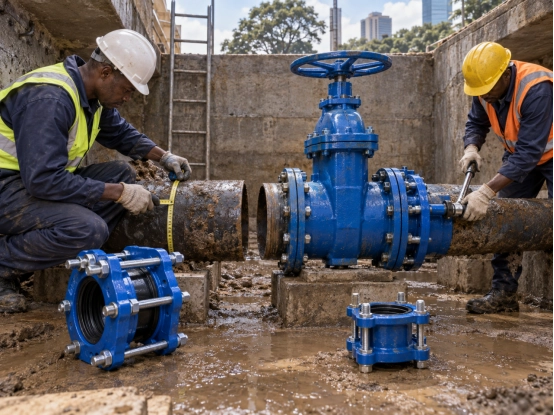
https://www.connectionflexible.com/wp-content/uploads/2026/07/Why-Nairobi-Valve-Chambers-Need-Dismantling-Joints-for-Easier-Maintenance.webp
2026-07-31 – Konfleks
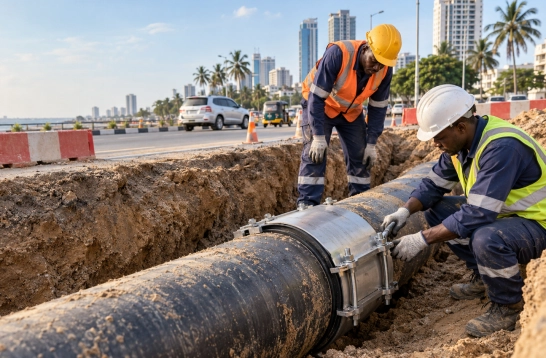
Soat 18:09 Nasoslarni tezroq yangilash kerakmi? Flanj adapterlari qiyin quvur ulanishlarini qanday hal qilishini, o'chirish vaqtini minimallashtirishini va suv tizimlarida uzoq muddatli ishonchlilikni qanday oshirishini bilib oling.Akkradagi nasos stansiyalarini yangilash ko'pincha uskunalar loyihalari sifatida ta'riflanadi: nasosni almashtirish, klapan qo'shish, oqimni boshqarishni yaxshilash. Joyida eng qiyin muammo ulanish bo'lishi mumkin. Yangi nasos keladi...
Akkradagi suv nasos stansiyasini modernizatsiya qilishda flanesli adapterlardan foydalanish - Conflex
https://www.connectionflexible.com/wp-content/uploads/2026/07/Using-Flange-Adaptors-in-Water-Pump-Station-Upgrades-in-Accra.webp
2026-07-30 – Konfleks
6:09 UM
Soat 18:09 Soat 18:13 Soat 18:09
https://www.connectionflexible.com/it/notizie/why-nairobi-valve-chambers-need-dismantling-joints-for-easier-maintenance/
https://www.connectionflexible.com/it/notizie/using-flange-adaptors-in-water-pump-station-upgrades-in-accra/
https://www.connectionflexible.com/zh//why-nairobi-valve-chambers-need-dismantling-joints-for-easier-maintenance/
https://www.connectionflexible.com/zh//using-flange-adaptors-in-water-pump-station-upgrades-in-accra/
Soat 18:09
| Mulk | https://www.connectionflexible.com/fr/nouvelles/why-nairobi-valve-chambers-need-dismantling-joints-for-easier-maintenance/ | Rezina kengaytirish bo'g'imi |
| https://www.connectionflexible.com/fr/nouvelles/using-flange-adaptors-in-water-pump-station-upgrades-in-accra/ | https://www.connectionflexible.com/sw/news/why-nairobi-valve-chambers-need-dismantling-joints-for-easier-maintenance/ | https://www.connectionflexible.com/sw/news/using-flange-adaptors-in-water-pump-station-upgrades-in-accra/ |
| Korroziya qarshiligi | https://www.connectionflexible.com/de/nachrichten/why-nairobi-valve-chambers-need-dismantling-joints-for-easier-maintenance/ | https://www.connectionflexible.com/de/nachrichten/using-flange-adaptors-in-water-pump-station-upgrades-in-accra/ |
| https://www.connectionflexible.com/ky/news/why-nairobi-valve-chambers-need-dismantling-joints-for-easier-maintenance/ | https://www.connectionflexible.com/ky/news/using-flange-adaptors-in-water-pump-station-upgrades-in-accra/ | https://www.connectionflexible.com/kk/news/why-nairobi-valve-chambers-need-dismantling-joints-for-easier-maintenance/ |
| https://www.connectionflexible.com/kk/news/using-flange-adaptors-in-water-pump-station-upgrades-in-accra/ | https://www.connectionflexible.com/id/berita/why-nairobi-valve-chambers-need-dismantling-joints-for-easier-maintenance/ | https://www.connectionflexible.com/sw/news/why-nairobi-valve-chambers-need-dismantling-joints-for-easier-maintenance/ |
https://www.connectionflexible.com/id/berita/using-flange-adaptors-in-water-pump-station-upgrades-in-accra/
Soat 18:13
https://www.connectionflexible.com/ru//why-nairobi-valve-chambers-need-dismantling-joints-for-easier-maintenance/
https://www.connectionflexible.com/ru//using-flange-adaptors-in-water-pump-station-upgrades-in-accra/
Soat 18:09
6:13 TK
6:13 UM
6:09 TK
Soat 18:13
Soat 18:13
Quvur liniyasi ulanishi va ta'mirlash mahsulotlarining yetakchi ishlab chiqaruvchisi - Conflex - Ukurasa 31
Quvur liniyasi ulanishi va ta'mirlash mahsulotlarining yetakchi ishlab chiqaruvchisi-Conflex - الصفحة 31
Leading Manufacturer of Pipeline connection & Repair Products-Conflex - 31 sahifa
Quvur liniyasi ulanishi va ta'mirlash mahsulotlarining yetakchi ishlab chiqaruvchisi - Conflex - 31-bet Quvur liniyasi ulanishi va ta'mirlash mahsulotlarining yetakchi ishlab chiqaruvchisi - Conflex - 31-bet
Quvur liniyasi ulanishi va ta'mirlash mahsulotlarining yetakchi ishlab chiqaruvchisi - Conflex - 31-bet
Mos keladigan qidiruv natijalari - Conflex - 31-bet
Quvur liniyasi ulanishi va ta'mirlash mahsulotlarining yetakchi ishlab chiqaruvchisi-Conflex - 31 barak
Quvur liniyasi ulanishi va ta'mirlash mahsulotlarining yetakchi ishlab chiqaruvchisi - Conflex - Laman 31
Quvur liniyasi ulanishi va ta'mirlash mahsulotlarining yetakchi ishlab chiqaruvchisi - Conflex - 31-sahifa
Quvur liniyasi ulanishi va ta'mirlash mahsulotlarining yetakchi ishlab chiqaruvchisi - Conflex - 31-yanvar
Quvur liniyasi ulanishi va ta'mirlash mahsulotlarining yetakchi ishlab chiqaruvchisi - Conflex - 31-bet
Mos keladigan qidiruv natijalari - Conflex - 31-bet
2025-yilga mos keladigan qidiruv natijalari - Conflex - 3-sahifa
Mos keladigan qidiruv natijalari - Conflex - 31-bet Qo'shin https://www.connectionflexible.com/pt/noticias/why-nairobi-valve-chambers-need-dismantling-joints-for-easier-maintenance/
https://www.connectionflexible.com/pt/noticias/using-flange-adaptors-in-water-pump-station-upgrades-in-accra/
Singapurdagi suv ta'minoti tarmog'i bunga yaqqol misol bo'la oladi. Zang va bo'g'imlarning aşınması u yerda keng tarqalgan muammolar edi. Bu cheksiz bosim o'zgarishi va juda yuqori namlik tufayli sodir bo'ldi. Vaqt o'tishi bilan qistirmalarning cho'zilishi yo'qoldi. Kichik suv yo'qotilishi odatiy holga aylandi. Texnik xizmat ko'rsatish guruhlariga tizimning to'liq o'chib qolishining oldini olish uchun ta'mirlash usullari kerak edi. Ular biror narsa xohlashdi...
Quvurlar oqishining asosiy 7 sababi va ularni qanday oldini olish mumkin – Conflex
“PE quvurlari uchun yaxshiroq bo'lgan cheklovli muftalar va an'anaviy flanesli adapterlar” — Conflex
«Nima uchun Nayrobi klapan kameralariga osonroq texnik xizmat ko'rsatish uchun bo'g'inlarni demontaj qilish kerak» — Conflex
"Akkra shahridagi suv nasos stansiyalarini modernizatsiya qilishda flanesli adapterlardan foydalanish" — Conflex
Mos keladigan qidiruv natijalari - Conflex - Ukurasa 31
Mos keladigan qidiruv natijalari - Conflex - ạlṣfḥẗ 31
Mos keladigan qidiruv natijalari - Conflex - Laman 31
FAQlar
Mos keladigan qidiruv natijalari - Conflex - 31-sahifa
«Nima uchun Nayrobi klapan kameralariga osonroq texnik xizmat ko'rsatish uchun bo'g'inlarni demontaj qilish kerak» — Conflex
Mos keladigan qidiruv natijalari - Conflex - 31 barak
«PE quvurlari uchun qaysi biri yaxshiroq bo'lgan cheklovli muftalar va an'anaviy flanesli adapterlar» — Conflex
“Akkradagi suv nasos stansiyasini modernizatsiya qilishda flanesli adapterlardan foydalanish” — Conflex
«Akkradagi suv nasos stansiyasini modernizatsiya qilishda flanesli adapterlardan foydalanish» — Conflex
«Akkradagi suv nasos stansiyasini modernizatsiya qilishda flanesli adapterlardan foydalanish» — Conflex
"Akkradagi suv nasos stansiyasini modernizatsiya qilishda flanesli adapterlardan foydalanish" – Conflex
“Nima uchun Nayrobi klapan kameralariga osonroq texnik xizmat ko'rsatish uchun bo'g'inlarni demontaj qilish kerak” — Conflex
"Nima uchun Nayrobi klapan kameralariga osonroq texnik xizmat ko'rsatish uchun bo'g'inlarni demontaj qilish kerak" – Conflex


 Uzbek
Uzbek  English
  Arabic
  Chinese
  French
  German
  Indonesian
  Italian
  Kazakh
  Kyrgyz
  Portuguese
  Russian
  Spanish
  Swahili