



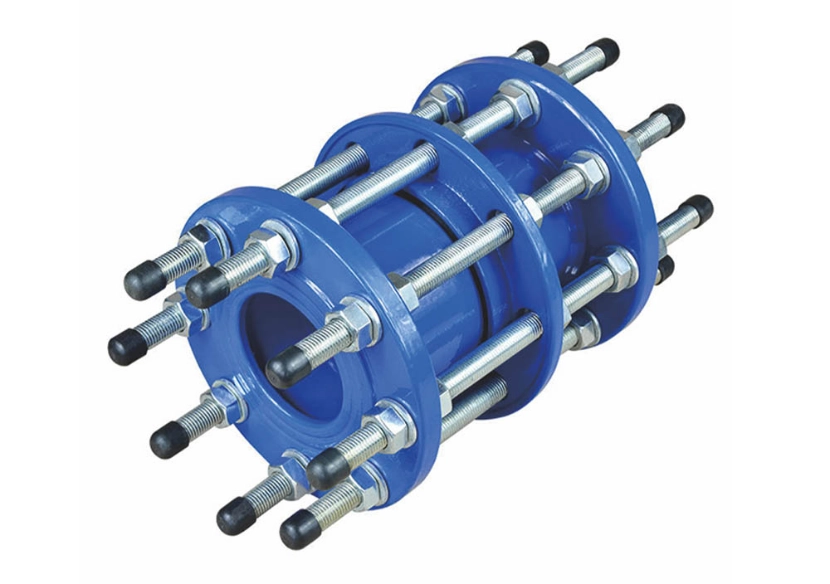
Understanding the difference between a dismantling joint and a flange adapter helps engineers and maintenance teams make better choices in pipeline design and repair. In short, a dismantling joint offers flexibility and simple upkeep. A flange adapter makes sure connections are tight between pipes with different standards. Both are key, but they fill separate jobs in the work and lasting power of industrial piping setups.
Understanding Dismantling Joints and Flange Adapters
Before we get into the details, it’s good to know that both parts aim to make tricky piping jobs easier. Still, their roles split based on what the system needs.
Definition and Purpose of Dismantling Joints
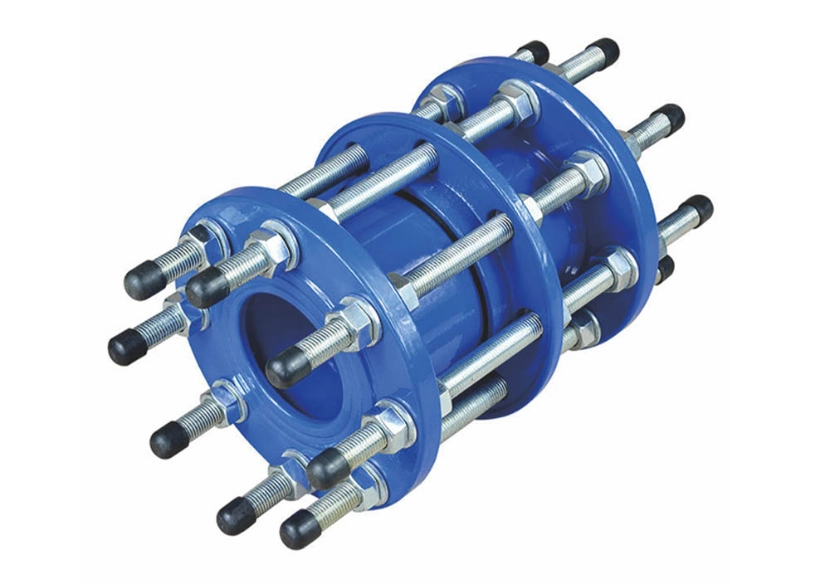
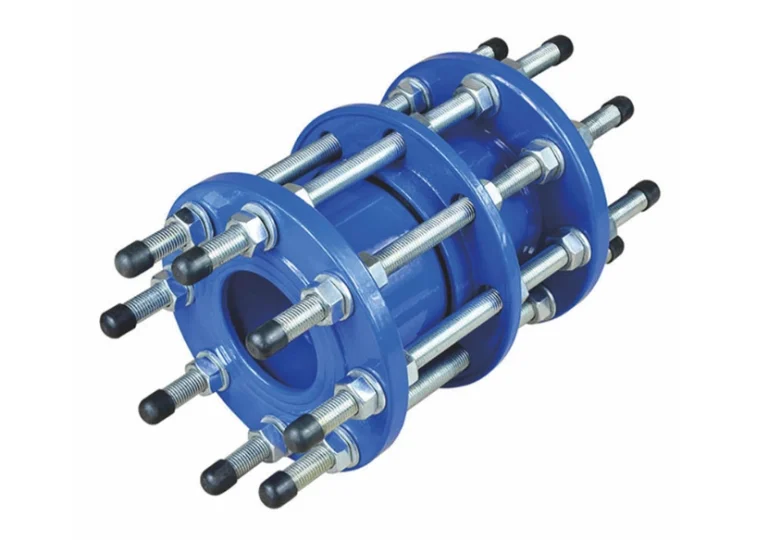
A dismantling joint is a special pipe fitting made for quick removal and upkeep of pipeline parts. It lets workers take out valves, pumps, or meters without slicing or harming the current pipeline. This proves handy in tight spots or where you need to take things apart often.
More than just access, dismantling joints give some give and tweak in pipeline setups. They handle small mismatches during setup. They also take in side-to-side shifts from heat changes or pressure shifts. This trait cuts stress on linked gear and boosts the whole system’s span.
Definition and Purpose of Flange Adapters
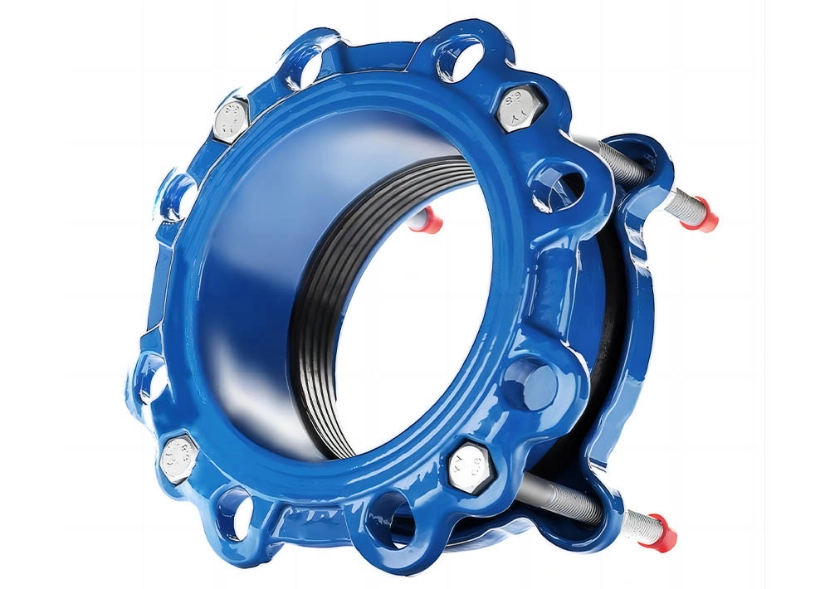
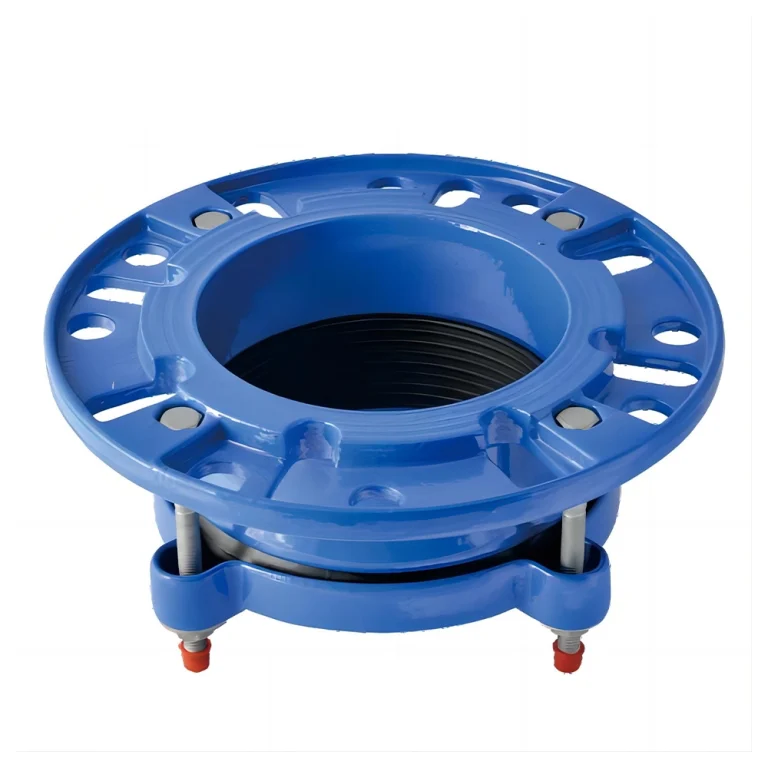
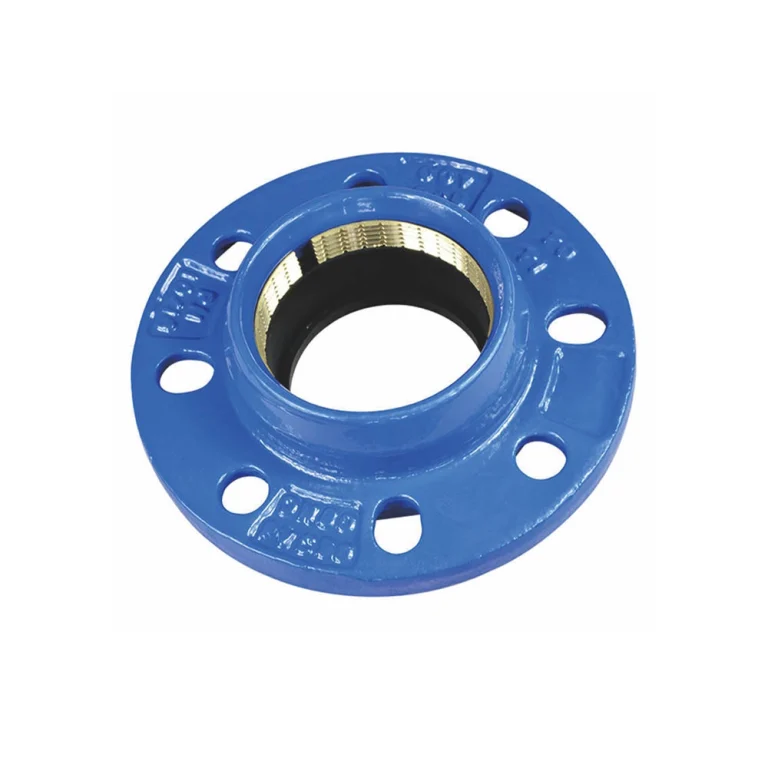
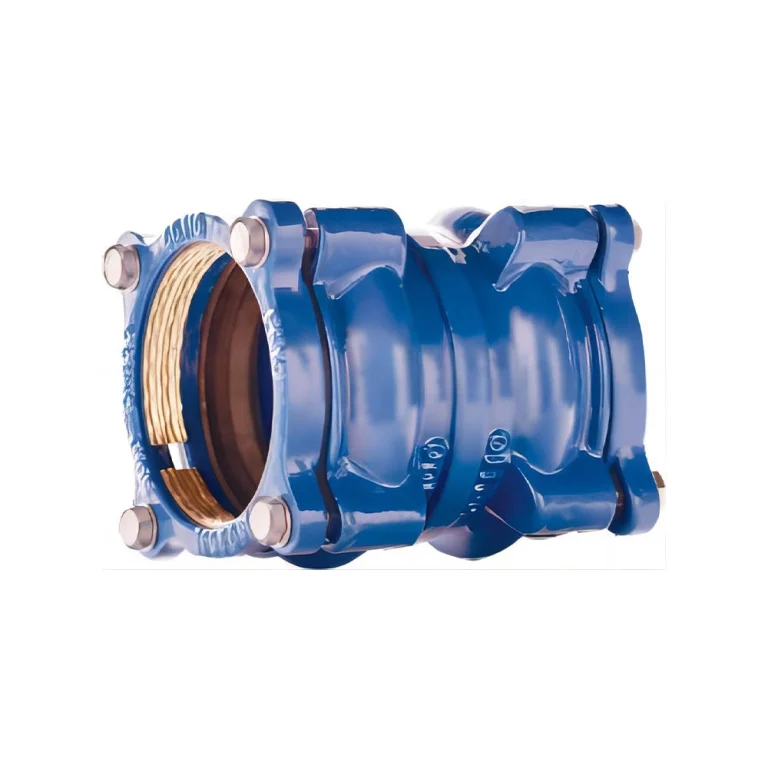
Flanjesim adapterlari do a different job. They link pipes with varied flange rules or sizes. They work as bridge pieces between unlike piping setups. For example, when joining a ductile iron pipe to a steel pipeline with flanges that don’t match, a flange adapter lines things up right and seals them well.
These adapters help match across many work standards (such as ANSI, DIN, or BS). You don’t need extra changes for that. So, they make blending old setups with new ones simpler.
Installation Process
Right setup matters a lot for both dismantling joints and flange adapters. It ensures no leaks and solid strength.
Steps for Installing Dismantling Joints
The setup steps usually follow three main parts:
- Aligning the joint with the pipeline – The dismantling joint should sit just right between two flanged parts.
- Securing the joint using bolts and gaskets – Bolts get tightened bit by bit in a cross way. This spreads pressure evenly.
- Testing for leaks after installation – A hydrostatic test checks that all seals hold under work pressure. You do this before starting up.
This way cuts stress on nearby parts. It also makes sure upkeep can happen smoothly down the line.
Procedure for Installing Flange Adapters
For flange adapters, the steps are close but stress matching more:
- Aligning the adapter with the pipe flanges – Good lineup stops uneven squash on gaskets.
- Tightening bolts to ensure a secure fit – You must stick to torque rules closely.
- Ensuring compatibility with existing pipeline components – Check material kinds and pressure levels. This avoids early wear or rust problems.
Sticking to these steps means the link stays strong in changing work settings.
Metal Material Composition
The pick of metal affects strength, rust fight, and fit for places like water plants or chemical spots.
Metals Used in Dismantling Joints
Dismantling joints often come from ductile iron or carbon steel. That’s because of their good strength per weight and low cost. Ductile iron stands up well to hits. Carbon steel gives strong pull power fit for high-pressure setups.
To make them last longer, these joints get coated usually with epoxy or fusion-bonded stuff. This fights rust in wet or harsh chemical spots.
| Metal Type | Key Properties | Typical Coating |
| Egiluvchan temir | High flexibility & toughness | Epoxy coating |
| Carbon Steel | Excellent strength & rigidity | Fusion-bonded epoxy |
Metals Used in Flange Adapters
Flange adapters are usually built from stainless steel or cast iron. Stainless steel works best where rust fight is key, like in oil refineries or salt-water plants. Cast iron stays common in city water systems for its cheap price.
You always pick materials that match nearby pipes. This stops electric rust or fit issues.
Advantages of Each Component
Both parts add to system work in their own ways. It depends on goals like give or linking.
Advantages of Dismantling Joints
- Simplifies maintenance by allowing quick removal of valves or pumps without cutting pipelines.
- Provides axial flexibility to accommodate thermal expansion or contraction.
- Reduces downtime during repairs since reassembly is straightforward.
- Minimizes stress on adjacent pipework through adjustable length compensation.
To sum up, dismantling joints work like bumpers in busy networks. They soak up shifts while keeping things solid.
Advantages of Flange Adapters
- Enable easy connection between dissimilar piping systems without extensive modification.
- Reduce installation time by eliminating welding or threading processes.
- Offer versatility across multiple industrial standards.
- Maintain strong mechanical sealing under fluctuating pressures.
Their plain design makes them a must when updating old setups with fresh stuff or plans.
Use Cases and Industries
Knowing where each part shines helps pick the right one for your job.
Industrial Applications of Dismantling Joints
Dismantling joints see wide use in water treatment plants, pumping stations, irrigation networks, and HVAC systems. That’s anywhere you need checks or swaps now and then. They matter too in fire protection lines. There, fast part changes keep safety rules in check.
Since they let controlled shifts in stiff systems, they’re great for spots with shakes or heat ups and downs.
Industrial Applications of Flange Adapters
Flange adapters fit best in oil, gas, petrochemical, and chemical fields. There, pipelines often link gear made under different build rules. They help just as much in power plants. Varied stuff needs to join smooth across pressure areas.
Their skill at linking gaps makes them key in plant updates or growth with mixed pipe stuff.
Comparative Analysis
Picking a dismantling joint over a flange adapter hinges on what the system values most. Is it ease in upkeep or linking across varied stuff?
When to Use a Dismantling Joint vs. a Flange Adapter
Use dismantling joints when:
- Frequent maintenance access is needed.
- There’s potential for axial movement due to temperature changes.
- Space constraints require easy assembly/disassembly options.
Opt for flange adapters when:
- Connecting pipes with different flange standards.
- Retrofitting older systems with new materials.
- Seeking faster installation without welding operations.
Both fill helping roles, not rival ones. They often team up in big piping plans to hit the best mix of work.
Factors to Consider When Choosing Between the Two
When picking which part fits your work:
- Think if give (shift soak) or linking (rule match) matters more.
- Look at surroundings like chemical touch, wet levels, or heat highs and lows. These shape material picks.
- Check upkeep needs over time. Some setups gain from mixing both parts at main spots.
Xulosa
Choosing between a dismantling joint vs flange adaptor isn’t only about fit. It’s about building smarter pipelines that hold up with less stop time. Conflex gets this mix well. As a manufacturer specializing in industrial pipeline connection and repair products—including flexible couplings, repair clamps, and precision-engineered fittings—Qo'shin delivers solutions trusted across waterworks, oil & gas networks, and utility infrastructures worldwide. Their expertise ensures every connection performs reliably under real-world conditions where precision truly matters.
FAQlar
Q1: What is a dismantling joint?
A dismantling joint allows easy removal of valves or pumps from pipelines without cutting sections apart while providing axial adjustment capability.
Q2: What materials are used for flange adapters?
They’re typically made from stainless steel or cast iron depending on corrosion resistance needs and system compatibility.
Q3: Can I use both components together?
Yes. In many installations dismantling joints are paired with flange adapters for maximum flexibility and standard matching efficiency.
Q4: How do I prevent leaks after installation?
Always follow torque specifications when tightening bolts and conduct hydrostatic testing before commissioning the system.
Q5: Which industries use these fittings most often?
Water treatment plants, oil refineries, chemical processing units, power stations, and municipal distribution networks commonly rely on them for safe operation.
 Uzbek
Uzbek  English
  Arabic
  Chinese
  French
  German
  Indonesian
  Italian
  Kazakh
  Kyrgyz
  Portuguese
  Russian
  Spanish
  Swahili