




A Break in Your Pipeline? Fix It Fast Without Cutting or Welding! Stopping the leak and reducing further water loss as quickly as possible, is critical to keep downtime to a minimum. There is no need to cut or weld the pipe, to repair a faulty section.
Understanding the PVC/PE Half Collar Repair Clamp
Before exploring its installation, it’s important to understand what makes this type of repair clamp so effective in both residential and industrial settings.
What Is a Half Collar Repair Clamp
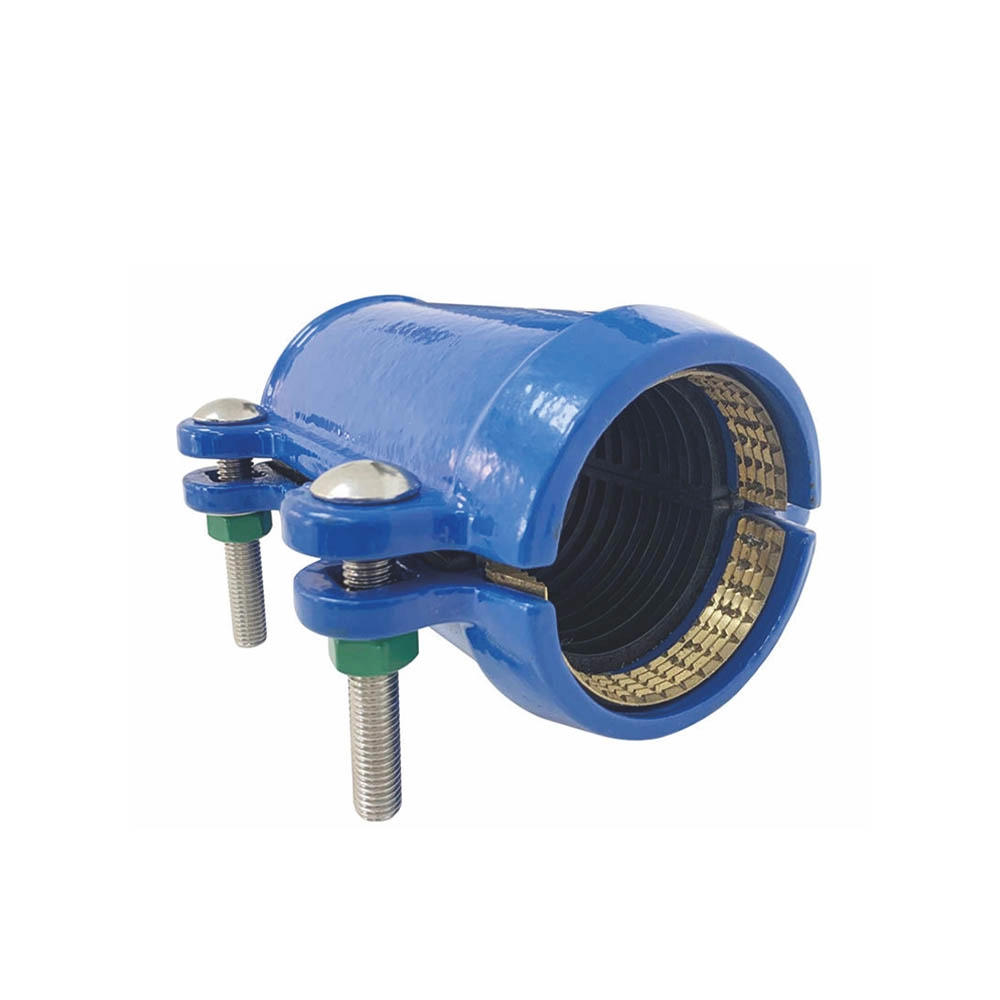
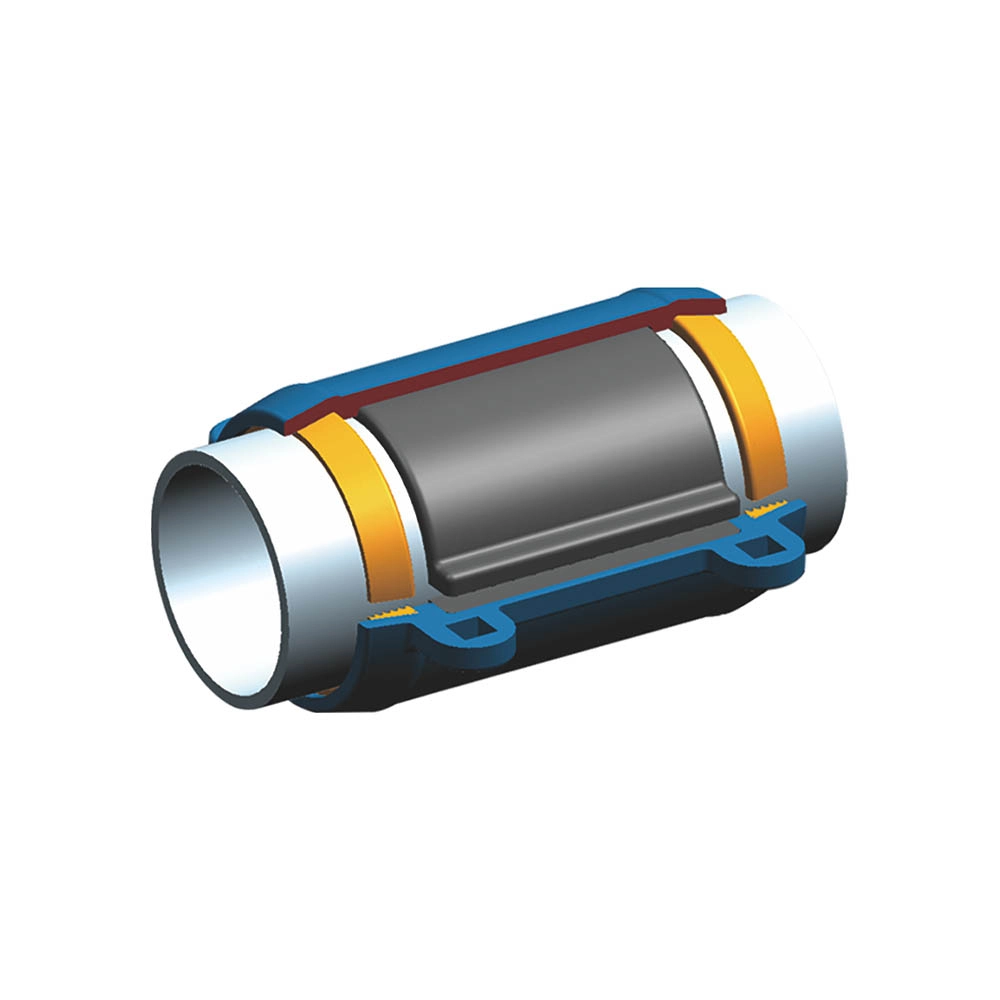
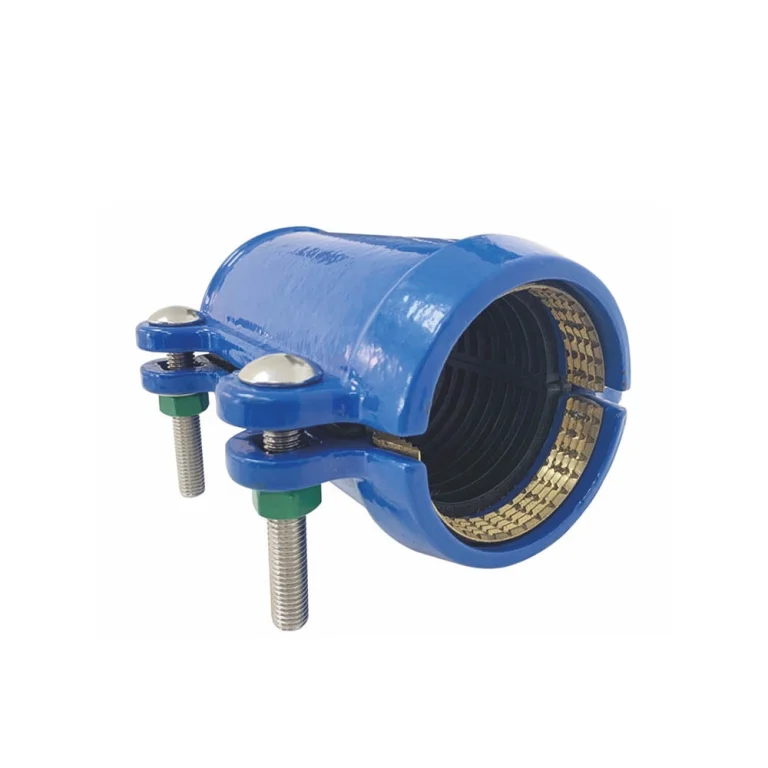
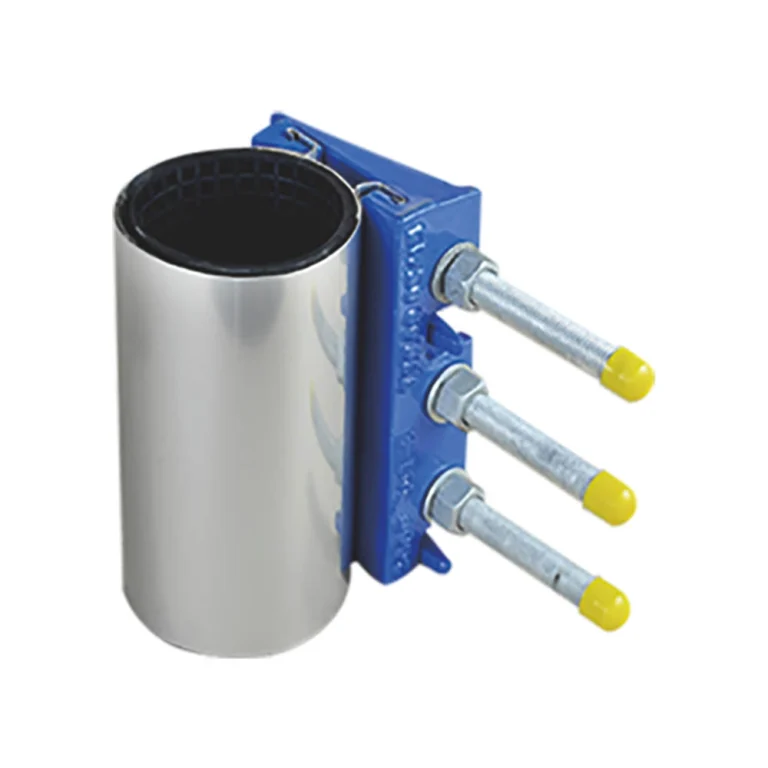
A half collar repair clamp is a quick-fix device used to seal leaks or cracks in PVC and PE pipes. It’s composed of two semi-circular components that wrap around the damaged section, forming a secure seal once bolted together. The design allows for easy installation without cutting or replacing the pipe, which makes it ideal for emergency maintenance.
PVC/PE Half Collar quick repair of any pipe breakage and leakage under pressure or no pressure. This means it works efficiently regardless of whether the system is active or depressurized — a major benefit when time is critical.
Key Features of PVC/PE Half Collar Clamps
The product’s engineering focuses on durability and compatibility. Suitable for PE/PVC pipe diameters. It operates under working pressures of PN10 or PN16 and withstands temperatures from -10°C to +70°C. The material list includes SS304 stainless steel backplates, EPDM rubber gaskets compliant with EN681-1 standards, and galvanized carbon steel bolts — all designed for corrosion resistance and long-term reliability.
It’s also suitable for potable water (WRAS approved), recycled water and sewage. That versatility makes it valuable across different industries such as municipal water supply, irrigation networks, and wastewater systems.
Common Applications in Plumbing and Industrial Systems
Half collar clamps are widely used in:
- Residential water lines where fast fixes prevent property damage.
- Agricultural irrigation pipelines that must stay operational during growing seasons.
- Industrial fluid systems transporting chemicals or compressed air.
They are also compatible with various diameters including 2 1/2 inch models, making them perfect for users searching for a 2 1/2 pipe repair clamp solution.
Advantages of Using a PVC/PE Half Collar Repair Clamp
Once you’ve seen how versatile these clamps are, their practical advantages become clear — especially compared to traditional welding-based repairs.
No Welding Required
No special tools or heat treating is required to assemble this half collar clamp. No fire hazards associated with welding when a simple part modification can save so much time. This component is ideal for locations where hot work is restricted, such as factories and refineries.
Fast and Reliable Leak Repair
These pipe clamps are suitable for use in wet environments and can be easily installed, even in bad weather. The EPDM seal/gasket is engineered to provide a tight to pipe ID seal, with little loss of pressure, and upon installation the rubber seal/gasket compresses to create an immediate seal. Made from the most durable of materials, these pipe clamps are resistant to corrosion and fatigue, and are engineered to offer long-lasting performance and low maintenance.
Compatibility with Different Pipe Materials and Sizes
The adjustable bolts ensure proper fitment even on slightly irregular surfaces. Available sizes range from OD50 to OD200 according to the product number: OD50–OD200. This flexibility ensures that whether you’re handling small domestic plumbing lines or large industrial mains, there’s always a matching model available.
Step-by-Step Guide to Installing a PVC Pipe Repair Clamp
Installing a pvc pipe repair clamp like this one doesn’t take advanced technical skill but does require careful attention to detail. Below is a simple breakdown based on standard field procedures.
Preparing the Pipe Surface
Start by cleaning any damaged area to remove any dirt, rust, oil or old adhesive/sealants from the surface to ensure the best possible seal.
Positioning the Half Collar Clamp
Place one half of the collar beneath the pipe directly under the leak point. Then align the second half over it so that both halves completely cover the damaged area. Proper alignment prevents uneven pressure distribution later when tightening bolts.
Securing the Clamp with Bolts
Insert bolts through both halves and tighten gradually using a wrench in alternating sequence. Avoid overtightening since excessive torque could deform plastic pipes or damage threads. The bolt is evenly exchanged with a torque of 15–20 pounds / feet each time.
Testing for Leakage After Installation
Once in place securely tighten the adapter, then gradually return flow to full. If there are any minor leaks between the joint tighten the bolts slightly to remove leakage. Be certain that no movement is visible after pressure is restored.
Maintenance Tips for Long-Term Performance
A properly installed clamp can last years if maintained correctly. Simple periodic checks go a long way toward ensuring reliability.
Regular Inspection of Repaired Sections
Inspect repaired joints every few months for signs of rust or gasket wear. Tighten bolts if vibration from pumps or pressure surges causes loosening over time.
Cleaning and Storage of Spare Clamps
Keep spare clamps clean and dry when stored indoors. Apply anti-rust coating on metal parts if stored in humid environments. Having pre-cleaned spares ready can save hours during emergency repairs.
Choosing the Right Half Collar Repair Clamp for Your Needs
Selecting an appropriate model depends on understanding your pipeline conditions rather than just size matching.
Factors to Consider Before Purchase
- Pipe material: Confirm whether your line uses PVC or PE since each has unique flexibility characteristics.
- Operating pressure: Choose between PN10 or PN16 ratings depending on system requirements.
- Environmental exposure: Consider temperature range (-10°C to +70°C) and chemical contact when selecting gasket material.
- Special design needs: Special design is allowable, welcome to contact us. Custom options exist if your system demands non-standard dimensions or fittings.
Qo'shin manufactures these high-quality clamps within strict international standards such as BS, EN, ISO 9001:2008 systems ensuring consistent performance across batches. Their corrosion-resistant structure combined with WRAS approval makes them safe even for drinking water applications — something not all brands can claim confidently.
Conflex’s focus on innovation in flexible connections and pipeline accessories positions them as one of China’s trusted suppliers in industrial connection technology. Their professional R&D team continues developing reliable solutions that simplify maintenance tasks worldwide — from municipal engineers managing large networks to technicians performing quick field repairs on smaller installations.
FAQlar
Q1: How do I know what size half collar repair clamp I need?
Measure your pipe’s outer diameter (OD) accurately; match it with available sizes such as OD50–OD200 listed by manufacturers.
Q2: Can I use a half collar clamp on pressurized lines?
Yes, it can handle both pressurized and non-pressurized systems effectively when installed correctly.
Q3: How long does installation usually take?
Typically less than 30 minutes depending on accessibility and pipe condition.
Q4: Do I need special tools for pvc pipe repair clamp install?
Only basic hand tools like wrenches are required; no welding equipment is needed.
Q5: Can these clamps be reused after removal?
Yes, if undamaged; ensure gaskets remain intact and metal surfaces are free from corrosion before reinstallation.
 Uzbek
Uzbek  English
  Arabic
  Chinese
  French
  German
  Indonesian
  Italian
  Kazakh
  Kyrgyz
  Portuguese
  Russian
  Spanish
  Swahili