




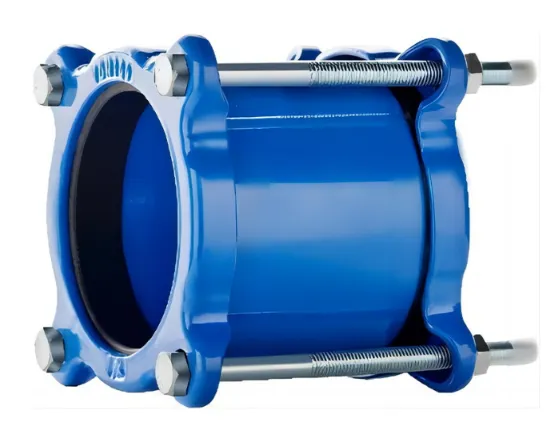
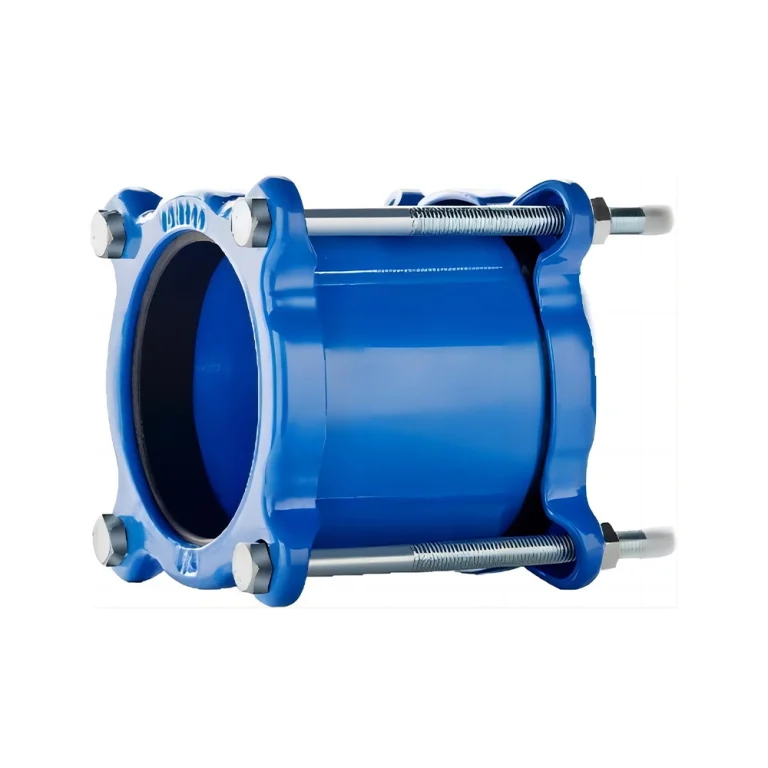
Characteristics of Flexible Coupling for Ductile Iron Pipe
Material Composition and Mechanical Properties
Ductile iron has a special structure. This gives it strong mechanical qualities. These are key for pipes that carry pressure. The tensile strength of ductile iron usually falls between 60,000 and 120,000 pounds per square inch (PSI). So, it works well in systems that need both power and bend.
Couplings for ductile iron pipes (DI pipe coupling) often come from rust-proof metals or steel with special covers. This boosts their strength in buried spots and wet areas. But, the coupling material must match the ductile iron. That way, it avoids risks from galvanic corrosion. Contact between different metals, plus an electrolyte, can start a corrosion battery reaction.
Design Features Supporting Flexibility and Sealing
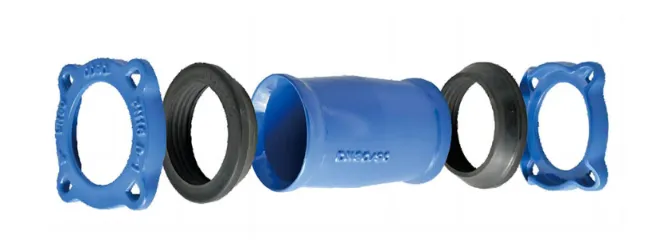
Good sealing comes from smart gasket setups. They keep joints tight even when pressure changes. These couplings can handle small angle shifts and side-to-side moves. That helps with small dirt changes and heat growth. Also, they use bolt systems that tighten evenly. This gives a solid hold and keeps the seal strong over time.
Key Factors in Pipe Installation Using Flexible Couplings
Alignment and Joint Preparation Before Assembly
Right alignment matters a lot for joints that last. Pipe ends need to be clean, even, and cut at the right angle. This ensures the gasket touches well. If things line up wrong beyond what the coupling can take, it might fail soon. Uneven weight could cause that. Cleaning surfaces before putting together removes dirt. That dirt might hurt the gasket’s seal.
Torque Application and Bolt Tightening Sequence
Spread the torque across every bolt evenly. This stops too much stress in one spot. That stress could bend the coupling. Makers give clear patterns for tightening. Often, it’s a star or cross way. Follow them closely. Tightening too hard can twist parts. It might harm gaskets or threads. And that cuts how long things last.
Environmental and Operational Considerations During Installation
Soil Conditions and Load-Bearing Requirements
In spots with shaky or swelling dirt, flexible couplings help soak up small ground moves. The trench base should be even. It needs to hold the pipe without sharp pressure at joints. Think about outside weight too. Things like cars or heavy fill matter. This is key near roads or work areas.
Pressure Ratings, Temperature Ranges, and Media Compatibility
Pick a coupling that fits the ductile iron pipe’s pressure level. This stops leaks or breaks. Heat changes over time can soften gaskets. So, choose materials for long exposure. They must work with water, gas, or oil. That keeps them safe from chemicals and makes life longer.
Corrosion Control in Ductile Iron Pipe Systems
Factors Leading to Dissimilar Metal Corrosion at Joints
Galvanic corrosion happens when different metals touch. And there’s an electrolyte like wet or soil water. Moisture, soil conductivity, and stray currents speed up electrochemical corrosion at connections. In ductile iron setups, this often strikes at joint spots. It does so if you skip good protection steps.
Methods to Minimize Corrosion Risks During Installation
To cut corrosion, try these ways:
- Use dielectric barriers or insulating gaskets
- Apply anti-corrosive coatings to metallic surfaces
- Design drainage around joints to reduce water accumulation
- Implement regular inspection programs to detect early-stage corrosion
Maintenance Strategies for Long-Term Pipeline Performance
Inspection Protocols for Flexible Coupling Joints
Regular looks with your eyes can spot gasket push-out, loose bolts, or outside harm. Plan torque checks now and then. They make sure bolts hold the right pull over many years.
Repair Techniques Without Full Pipeline Shutdowns
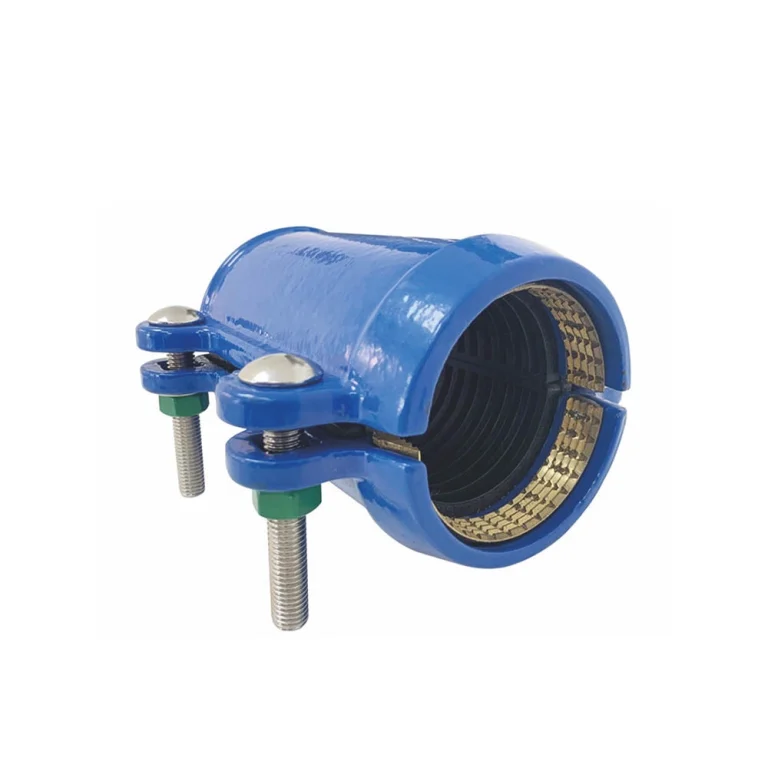
You can fix things while running. Use flexible Tuzatish qisqichlari for small leaks. They don’t need digging up long pipe parts. Modular flexible couplings let you swap short sections fast. This cuts time when the system is down.
Integration of Flexible Couplings in Complex Pipeline Systems
Accommodating Thermal Expansion and Structural Movement
Pipes grow and shrink from heat changes. Flexible joints ease this. They cut stress at bends, switches, or fixed points. Pair them with expansion loops. Then, they guard the pipe from extra pull.
Role of Couplings in Seismic or High-Vibration Environments
In shake-prone areas or places with big machines, damping shakes is vital. Flexible couplings lessen shake pass-along in stiff ductile iron pipes. They let small moves stay in safe limits. This lowers chances of joints pulling apart in quakes.
Industry Practices and Product Selection Insights
Criteria for Choosing the Right Type of Coupling
A few things shape DI pipe coupling picks:
- Pipe diameter and wall thickness
- Operating pressure class
- Type of transported media (water, oil, gas)
- Soil condition and environmental exposure
- Installation accessibility and mechanical loads
Also think about setup spots. Like tight areas or heavy fill zones.
Relevance of Manufacturer Support During Project Planning
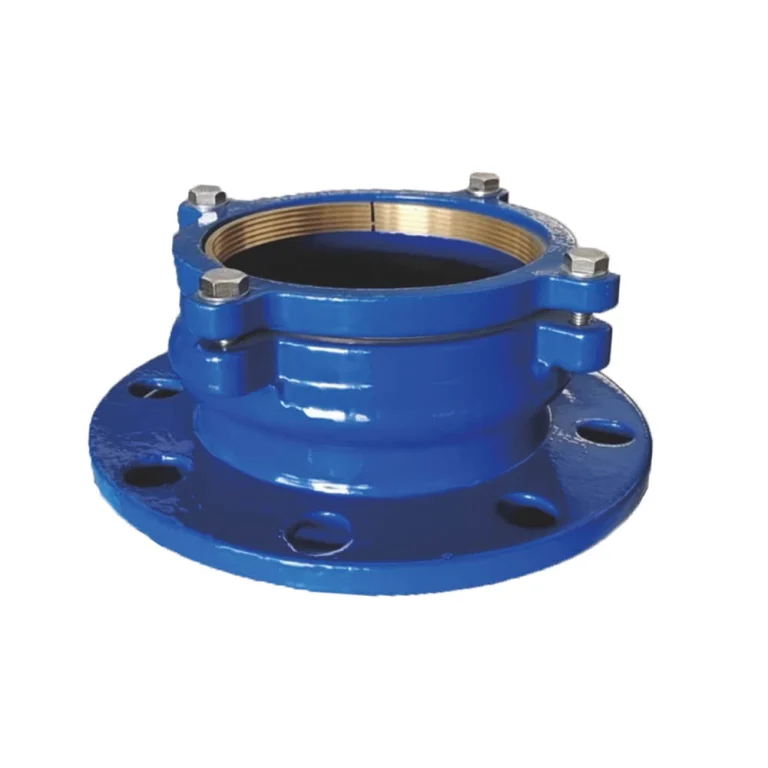
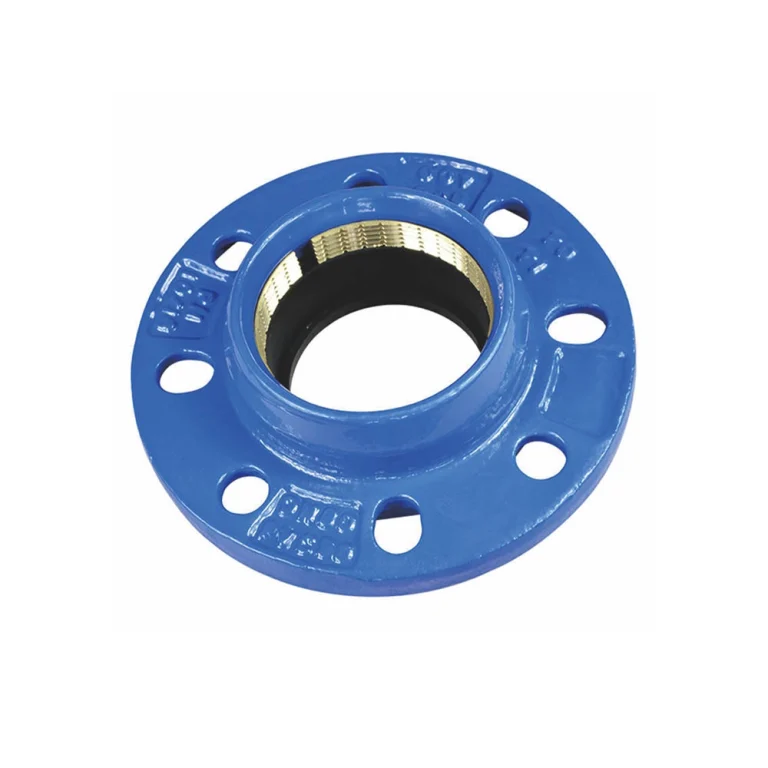
Firms like Qo'shin give tech papers. These help builders match coupling setups to job needs. The point of removable joints is to make installing and removing pipe valves and parts easy. These joints allow length tweaks. So, you can slide valves into the right pipe spots. Plus, custom fixes add bend for old upgrades or odd jobs.
Advancements in Coupling Technology for Modern Infrastructure
Innovations Enhancing Durability and Installation Efficiency
New flexible couplings have these:
- Pre-lubricated gaskets that make setup simple and seal even
- Hybrid materials with better hold against stress and rust guard
- Easy bolt setups that save worker time
Such changes help cut stop times and lower full costs over years.
Role of Manufacturers Like Conflex in Supporting Infrastructure Reliability
Conflex uses engineering focus in making their DI pipe coupling goods. This tunes them for good work and simple use. Their fixes fit wide in city water lines, factory fluid pipes, and energy work. They stress strength and on-site fit.
FAQ
Q: What is a flexible coupling used for in ductile iron pipe systems?
It connects pipe segments while allowing movement due to thermal expansion or ground shifts.
Q: How do I select the right DI pipe coupling?
Consider pipe size, pressure rating, media type, installation environment, and load conditions.
Q: Can flexible couplings prevent leaks during earthquakes?
Yes, they absorb motion within limits, reducing stress at joints during seismic activity.
Q: Are these couplings compatible with water and gas pipelines?
Yes, provided they are chosen based on material compatibility and pressure class.
Q: What support does Conflex provide for pipeline projects?
They offer technical documentation, custom solutions, and durable products for various applications.
 Uzbek
Uzbek  English
  Arabic
  Chinese
  French
  German
  Indonesian
  Italian
  Kazakh
  Kyrgyz
  Portuguese
  Russian
  Spanish
  Swahili