




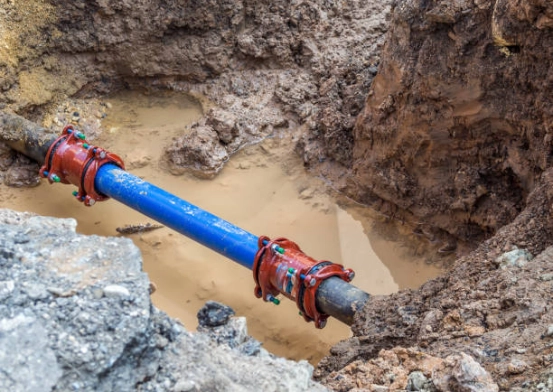
2026-yil mart oyida Nayrobidagi Kabete-Kilimani elektr uzatish quvurining portlashi shaharning bir nechta qismida suv ta'minotini uzib qo'ydi. Katta muammo tanish: eski shahar tarmoqlarida ko'pincha turli o'n yilliklarda va turli standartlar ostida o'rnatilgan quvurlar mavjud. Bir qism ishlamay qolganda, butun magistralni almashtirish kamdan-kam hollarda amaliy bo'ladi.
Shikastlangan qism PVX bilan almashtirilgunga qadar mustahkam egiluvchan temir asosiy qism ish holatida qolishi mumkin. Ular orasidagi ulanish muhrlanishi, bosimga bardosh berishi va PVX devoriga juda kuchli yuk tushishining oldini olishi kerak.
Nima uchun suv tarmoqlari egiluvchan temirdan PVXga ulanishga muhtoj?
Ta'mirlash ishlarida aralash material tarmoqlari odatiy holdir. Eski magistral quvurlar egiluvchan temirdan yasalgan bo'lishi mumkin, almashtirish qismlari esa PVXdan yasalgan, chunki ular yengilroq va tez ishlov beriladi.
O'tish ko'pincha ta'mirlash chegarasida yoki tarmoq kengaytmasida paydo bo'ladi. Muammo: bir xil nominal o'lcham bilan belgilangan ikkita quvurning tashqi diametri bir xil bo'lmasligi mumkin.
Egiluvchan temir quvurni PVXga ulashni nima qiyinlashtiradi?
Materiallar mufta ostida bir xil ishlamaydi. Egiluvchan temir qattiq. PVX notekis siqilishga ko'proq sezgir. Bog'lanish yig'ish paytida yaxshi ko'rinishi mumkin va bosim ostida ham oqishi mumkin.
1. Turli tashqi diametrlar
Nominal diametr yetarli emas.
Ikkala quvur uchining ham tashqi diametrini o'lchang. Eski egiluvchan temirda, shuningdek, samarali muhrlash maydonini o'zgartiradigan qoplamalar, korroziya to'planishi yoki sirt shikastlanishi bo'lishi mumkin.
Mufta belgilangan ish diapazonida ikkala o'lchangan OD ni ham qoplashi kerak. Chetga yaqin joyda o'rnatish unchalik oson bo'lmaydi.
2. Turli xil quvur qattiqligi
Egiluvchan temir PVX ga qaraganda konsentratsiyalangan mexanik yukga yaxshiroq bardosh beradi. PVX tomonida, qistirmalarning notekis siqilishi yoki murvatning haddan tashqari tortilishi quvurni buzishi mumkin.
Ikkala quvur devori ham bir xil qattiqlikka ega bo'lgandek ishlov berilmasdan, bo'g'in muhrlanishi kerak. Yaxshi hizalanish muhim.
3. Eksenel harakat va bosim
Bosim tortish kuchini hosil qiladi. Klapanlar, burilishlar, yer harakati va yomon mahkamlangan qismlar ham shunday qiladi.
A standart mufta bo'g'inni muhrlashi mumkin, lekin uni avtomatik ravishda langar sifatida qabul qilmaslik kerak. Eksenel harakat haqiqiy xavf tug'diradigan hollarda, odatda cheklangan mufta yoki alohida cheklash tizimi yaxshiroq tanlovdir.
Egiluvchan temir quvurni PVXga ulashning eng yaxshi usuli qanday?
Ko'pgina to'g'ridan-to'g'ri DI-PVX o'tishlari uchun mexanik o'tish yoki keng ko'lamli universal mufta amaliy yechim hisoblanadi. U dala payvandlashsiz OD o'zgarishini qo'llab-quvvatlaydi.
Haqiqiy tanlov shundaki, bo'g'in faqat muhrlanishi kerakmi yoki muhrlash va cheklash kerakmi.
1-variant — Universal mufta
A universal coupling hizalanish oqilona va tashqi cheklov yetarli bo'lgan ko'plab ta'mirlash ulanishlariga mos keladi.
Aralash material tarmoqlarida bitta ulash oilasi ko'pincha belgilangan OD diapazonlarida egiluvchan temir, po'lat, PVX va PE ni qoplashi mumkin.
DI-PVX dan foydalanish uchun faqat DN emas, balki o'lchangan OD diapazoni bo'yicha buyurtma bering.
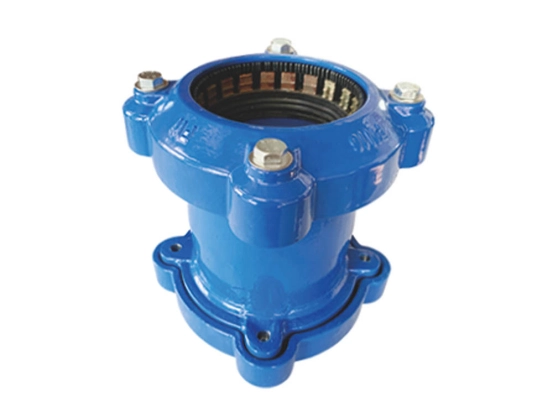
2-variant — Cheklangan universal mufta
Foydalanish restrained universal coupling eksenel harakat yoki tortib olish mumkin bo'lgan joyda.
Tutash mexanizmi muhrlanish bilan birga, cheklovni ham qo'shadi. Bu klapanlar, burilishlar, ochiq qismlar yoki an'anaviy tortishni cheklash qiyin bo'lgan joylar yaqinida muhimdir. Cheklov yomon hizalanishni qoplamaydi.
Egiluvchan temir quvurni PVX quvurga bosqichma-bosqich qanday ulash mumkin
O'rnatish juda oson. Ko'pgina muammolar boltlar mahkamlanmasdan oldin boshlanadi.
1-qadam — Quvur materiallarini ham, bosim talablarini ham aniqlang
Quvur materiallari, xizmat ko'rsatish muhiti, ish bosimi va kuchlanish sharoitlarini tasdiqlang. Bir xil nominal o'lcham bir xil bo'g'in xususiyatlarini anglatmaydi.
2-qadam — Haqiqiy tashqi diametrni o'lchash
Ulanish nuqtasida ikkala quvurni ham o'lchang.
Muftani faqat nominal o'lchamdan tanlamang. Ikkala o'lchangan OD ni ishlab chiqaruvchining ruxsat etilgan diapazoni bilan taqqoslang. Agar biron bir quvur ushbu diapazondan tashqariga chiqsa, boshqa muftadan foydalaning.
3-qadam — Quvur uchlarini tayyorlang
Uchlarini kvadrat shaklida kesib oling. Muhrlash joyidan bo'shashgan zang, axloqsizlik, burmalar va shikastlangan qoplamani olib tashlang. PVX ni yoriqlar yoki chuqur kesilgan joylar bor-yo'qligini tekshiring. Prokladka shikastlangan quvur devorini ta'mirlay olmaydi.
4-qadam — Muftani joylashtiring
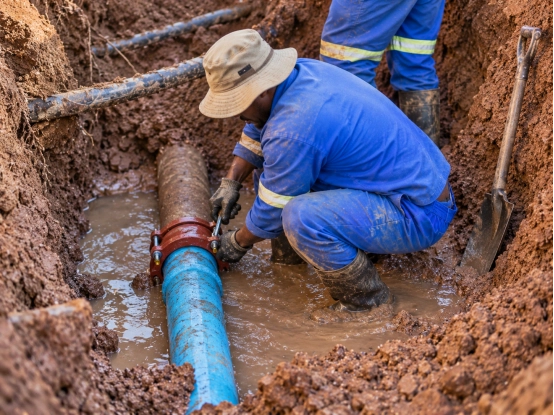
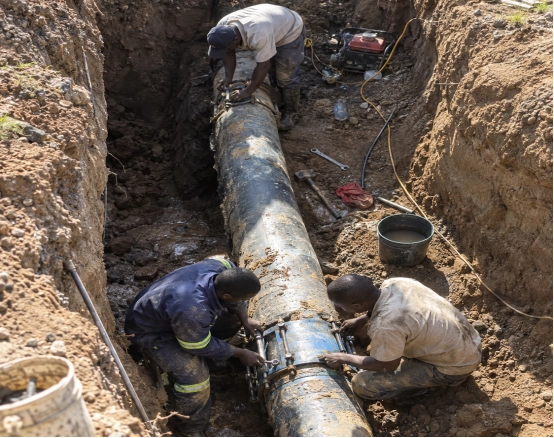
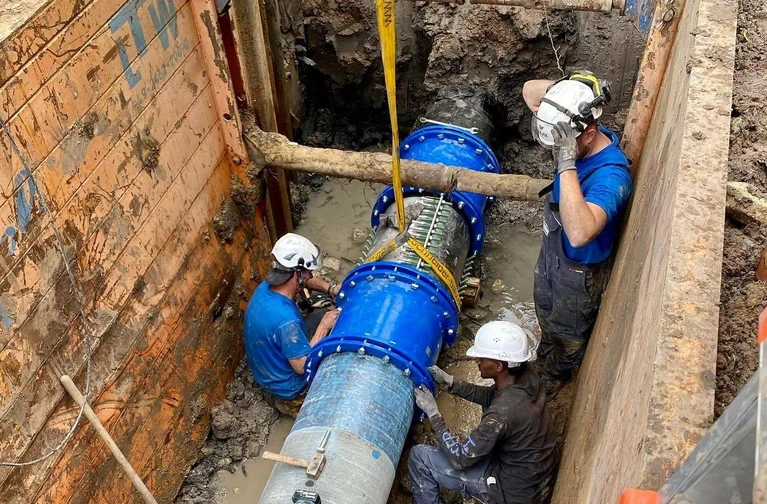
Ikkala quvurni ham markazda va oqilona hizalangan holda saqlang. Noto'g'ri hizalangan quvurni majburan joyiga qo'yish uchun mufta murvatlaridan foydalanmang. Mufta quvurlarni bukmasligi, balki ularni bog'lashi kerak.
5-qadam — Boltlarni teng ravishda torting
Boltlarni asta-sekin, navbatma-navbat torting, shunda qistirmalarning siqilishi bir tekisda qoladi.
Ishlab chiqaruvchi tomonidan belgilangan momentdan foydalaning. PVXda sezgiga qarab taxmin qilish ayniqsa xavflidir, chunki haddan tashqari qattiq tortish o'rnatish paytida ko'rinmaydigan shikastlanishga olib kelishi mumkin.
6-qadam — Bosim Ulanishni sinab ko'ring
Loyiha protsedurasiga muvofiq qismni bosim sinovidan o'tkazing. Qistirma atrofidagi oqish va quvur uchlarida harakatlanishga e'tibor bering. Nol bosimdagi quruq birikma juda kam narsani isbotlaydi.
PVXni egiluvchan temirga ulashda 5 ta keng tarqalgan xato
Ta'mirlash joylarida bir nechta xatolar qayta-qayta paydo bo'ladi:
- Haqiqiy OD o'rniga nominal diametr bo'yicha muftani tanlash.
- Ruxsat etilgan diametr oralig'idan tashqarida muftadan foydalanish.
- PVX tomonidagi murvatlarni haddan tashqari qattiq tortish.
- Eksenel tortishish yoki quvur harakatini e'tiborsiz qoldirish.
- Hizalama va bosim sinovlarini o'tkazib yuborish.
Ko'pgina nosozliklar egiluvchan temir va PVX o'rtasidagi sirli nomuvofiqlikdan kelib chiqmaydi. Ular o'lcham yoki o'rnatish qarorlaridan kelib chiqadi.
DI-PVX o'tish muftasini qanday tanlash mumkin
Tekshirish ro'yxati:
- DI quvur OD
- PVX quvur OD
- ish bosimi
- tashilgan vosita
- kerakli qistirma materiali
- cheklangan yoki cheklanmagan ulanish
- korroziya muhiti
- o'rnatish maydoni
Keng ko'lamli muftalar omborda saqlanadigan maxsus armatura sonini kamaytirishi mumkin. Bu qazish paytida ochilgan quvur chizmaga mos kelmasa muhim ahamiyatga ega - bu eski tarmoqlarda yetarlicha keng tarqalgan.
Detal allaqachon yuk mashinasida bo'lgani uchun muftaning masofasini cho'zmang.
DI va PVX ni Conflex Universal muftalari bilan ulash
Qo'shin Sovuq temir va PVX kabi turli xil quvur materiallari uchun universal ulash yechimlarini taklif etadi. Universal ulash moslamasi asosiy talablar bo'lgan umumiy aralash material ulanishlariga mos keladi.
Eksenel harakatni boshqarish kerak bo'lgan joylarda, Conflex Restrained Universal Coupling bo'g'inga mexanik mahkamlash qo'shadi.
Mahsulot tanlash uchun quvurning haqiqiy tashqi ko'rsatkichlarini, ish bosimini va xizmat ko'rsatish sharoitlarini taqdim eting. Bu tafsilotlar nominal o'lchamdan ko'ra foydaliroq.
Tez-tez beriladigan savollar
Q: PVXni to'g'ridan-to'g'ri egiluvchan temir quvurga ulash mumkinmi?
Ha, lekin odatda quvur materiallari va ularning haqiqiy tashqi diametrlari uchun mo'ljallangan mos mexanik o'tish yoki universal mufta orqali.
Q: Xuddi shu nominal bo'lishi mumkinmi? DI va PVX quvurlarining tashqi diametrlari har xilmi?
Ha. Muftani tanlashdan oldin haqiqiy OD ni tekshiring.
Q: DI va PVX o'rtasida cheklangan muftani qachon ishlatishim kerak?
Eksenel harakat, tortish yoki tortib olish mumkin bo'lgan va quvur liniyasi dizayni boshqa joylarda yetarlicha cheklovni ta'minlamagan hollarda cheklov vositasidan foydalaning.
Xulosa — Ishonchli o'tish to'g'ri o'lchov bilan boshlanadi
Ishonchli DI-PVX ulanishi ikkita nominal o'lcham yorlig'i bilan emas, balki ikkita o'lchov bilan boshlanadi. Haqiqiy tashqi diametrlarni mufta diapazoniga moslang, quvurlarni tekislang, teng ravishda torting va bosim ostida sinovdan o'tkazing.
DI quvurini PVX quvuriga moslashtirishda yordam kerakmi? Ikki quvurning OD ko'rsatkichlari, bosim darajasi va muftani tanlash uchun arizani Conflexga yuboring.
 Uzbek
Uzbek  English
  Arabic
  Chinese
  French
  German
  Indonesian
  Italian
  Kazakh
  Kyrgyz
  Portuguese
  Russian
  Spanish
  Swahili