




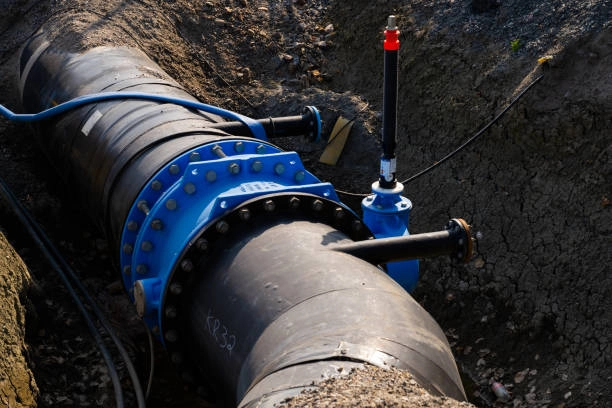
PE and PVC are both common in pipe setups, but picking the correct connector between them is often not as simple as it looks. The main issue is: how do you connect two materials that act so differently with pressure, heat, and over the years? The quick answer—knowing the physical and outside needs of your setup is a must. Whether you’re dealing with bendy tube setups or a stiff black PVC pipe line, the bad connector or sealing way could harm the entire setup.
Understanding PE and PVC Pipe Adaptors
Key Differences Between PE and PVC Materials
Polyethylene (PE) and polyvinyl chloride (PVC) vary a lot in their basic traits:
- PE is famous for its good bendiness and toughness against hits, so it’s a top pick for moving or underground setups.
- PVC, however, is stiff and gives better strength against steady loads.
Heat growth patterns are another big difference. PE grows and shrinks more than PVC with temperature changes. This affects how connectors need to manage joint shifts without leaks or coming loose.
Chemical strength also differs: PE deals with harsh chemicals and ground settings better, while PVC might break down quicker with some liquids or sun rays.
How Material Properties Influence Adaptor Design
Connector design has to fit how each material works. For instance:
- PE’s bendiness means connectors must permit some shifts while keeping a tight seal.
- PVC’s stiffness calls for strong fixed joints to stop breaks under force.
Sealing ways differ too. With PE, melting or electric melting joins are usual because of its bonding skills. PVC often uses chemical joins or rubber ring links.
Temperature impacts setup as well. PE setups usually need special heat tools, but PVC joints can bond at room temperature. Yet both require careful twist control to prevent too much strain on the joint.
Common Failure Modes in Pipe Adaptors
Mechanical Stress and Fatigue Issues
A big weak spot is physical wear. Constant pressure changes—like sudden water hits or rushes—can lead to breaks or loose joints.
Bad setup adds to this a lot. Pipes not lined up right or bolts twisted too hard make uneven force areas, especially in mixed material connectors.
Environmental Degradation Factors
Outside setups deal with sun damage. Over time, light weakens plastic parts, particularly in open black PVC pipe areas.
Underground setups face issues too. Water and chemical filled dirt can get into weak seals, rusting metal parts or thinning plastic sides.
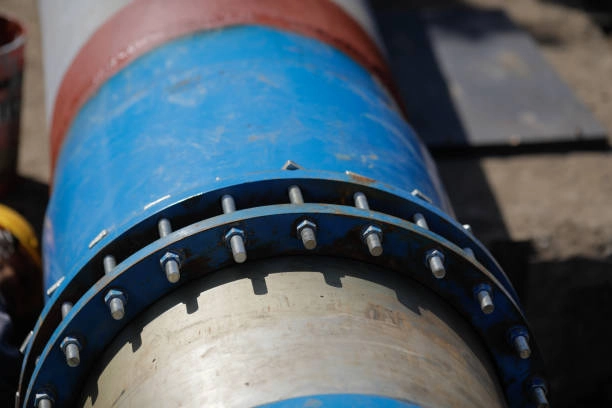
Best Practices for Selecting Pipe Adaptors
Matching Mechanical Compatibility With Pipe Behavior
Always pair connector type with how the linked pipes act:
- For PE setups, pick connectors that give bendiness or allow shifts.
- For PVC lines, focus on stiff connectors that stay firm under weight.
And remember support for heat shifts—especially in long stretches of flexible pipe.
Choosing the Right Gasket Material and Sealing System
Sealing setups need to match the liquid and heat levels. For example:
- Use NBR or EPDM rings for water and basic liquids.
- Skip rings that weaken with oil or sour chemicals.
Seals should also last with shaking—think buried pipes near streets or machines.
Evaluating Fusion or Welded Transition Options
Melted connectors work great for PE setups where no leaks over time matter most. Electric melting gives steady power and gets used often in gas lines.
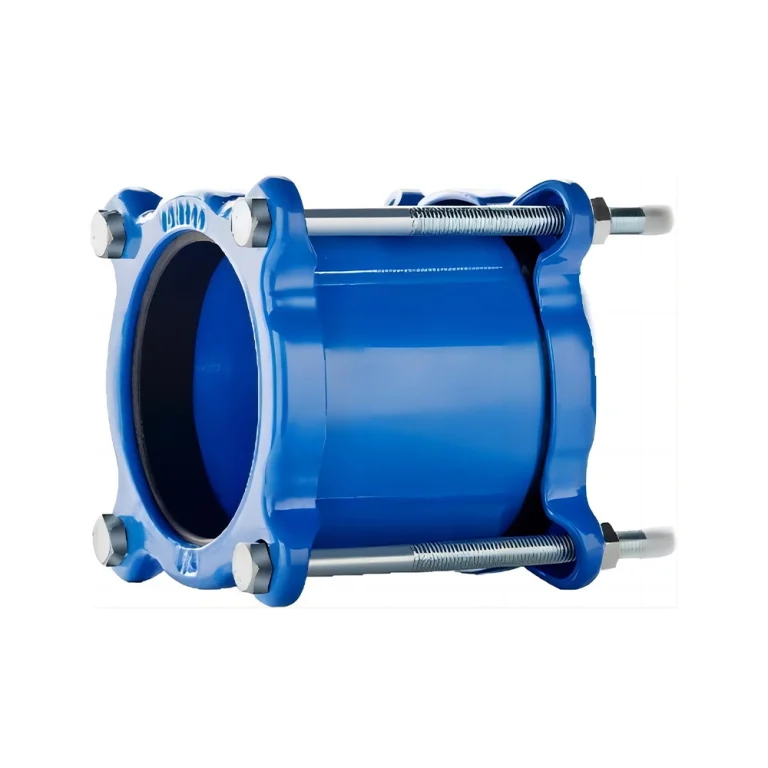
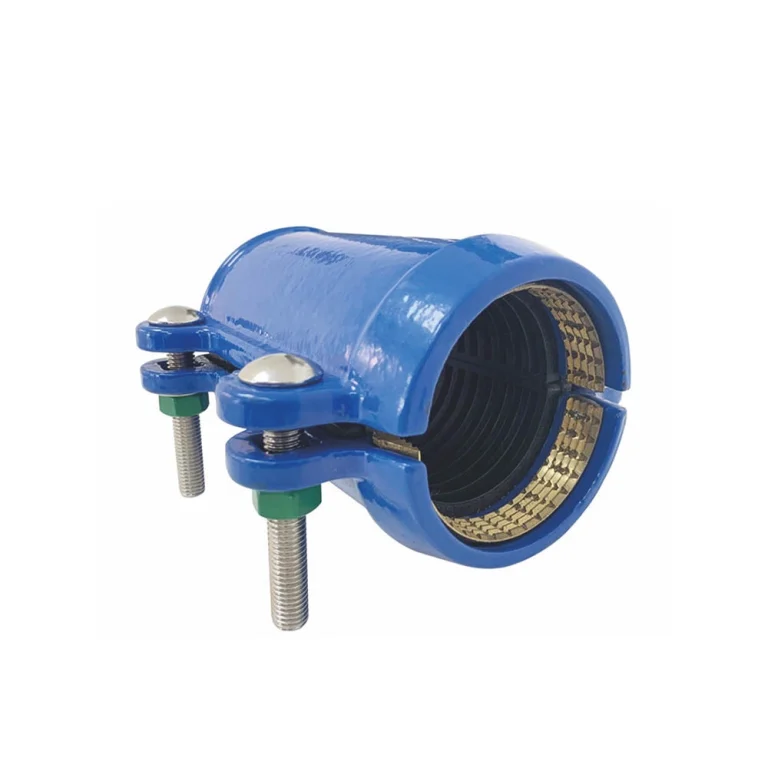
When melting isn’t possible—like linking to a stiff material—mechanical pipe to pipe couplers are key. Brands like Qo'shin manufacture flexible couplers and adaptors specifically designed for these transition zones.
Designing for Surge Pressure and Cyclic Loading
Connector choice should consider working changes:
- Check pressure level for rush handling.
- Seek products tested for wear in setups with pumps or valve shuts.
Here’s a quick comparison chart:
| Application Type | Suggested Adaptor Type | Notes |
| Underground Gas Line | Electrofusion PE Coupler | High integrity, no leakage |
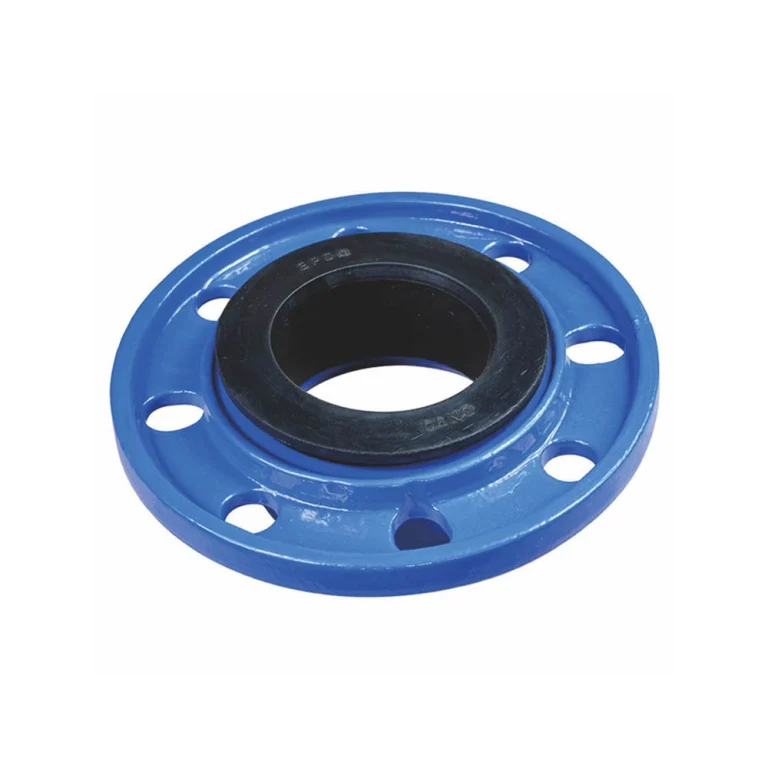
| Municipal Water Main | Flaning adapter | Rigid connection with gasket seal |
| Temporary Irrigation Fix | Compression Coupler | Easy install, tolerates misalignment |
| Outdoor Black PVC Pipe | UV Resistant Coupler | Prevents degradation from sunlight |
Environmental Protection Considerations
For outside jobs, use sun stable materials—even if it’s just a fix on black PVC pipe. For dirt contact, rust proof layers are important. This is where flexible pipe adaptors with stainless steel clamps or reinforced sleeves shine.
Conflex, a flange adaptor manufacturer with expertise in industrial pipe connections, offers products designed to handle both environmental stress and complex installations in water, oil, and gas systems.
Assessing Long Term Reliability of Pipe Adaptors
Checklist for Evaluating Reliability Factors
Here’s what to check before setup:
- Is the adaptor material compatible with both pipes?
- Does it handle expected pressure cycles without fatigue?
- Can it resist soil chemicals, UV exposure, or fluid corrosion?
- Was it installed correctly—with proper alignment and torque?
Missing any of these can cause early breaks—even if the materials are good.
Typical Applications and Recommended Uses
Common Scenarios Where Each Material Excels
PE connectors do well in underground networks like gas spread or farm watering, where bendiness is crucial. They’re great for spots with moving dirt or regular heat changes.
PVC connectors suit best in fixed setups—think home plumbing or pool pipes above ground—where solid structure gives steady results.
Suggested Adaptor Types Based on Use Case Needs
Some tips for specific jobs:
- Use compression couplers when you need to adjust—like during fixes.
- Pick chemical melted connectors when you want lasting bonds, like in wall pipes.
- For shifts between black PVC pipe and flexible pipe lines, use mixed connectors with double seal areas.
FAQlar
Q: Can I use a PE adaptor on a rigid PVC pipe?
Only if it’s designed for mixed material use—look for mechanical couplers that compensate for movement.
Q: Are all pipe to pipe couplers interchangeable?
No. Coupler design must match both pipe size and material properties to avoid failure.
Q: How do I prevent leaks at the adaptor joint?
Ensure proper gasket selection, correct torque during installation, and alignment of pipes.
Q: What’s better for underground use: PE or PVC?
PE usually performs better underground due to its flexibility and chemical resistance.
 Uzbek
Uzbek  English
  Arabic
  Chinese
  French
  German
  Indonesian
  Italian
  Kazakh
  Kyrgyz
  Portuguese
  Russian
  Spanish
  Swahili