



项目1
项目2
项目3
项目4
项目5

Top 7 Causes of Pipeline Leakage and How to Prevent Them

目录

Top 7 Causes of Pipeline Leakage and How to Prevent Them

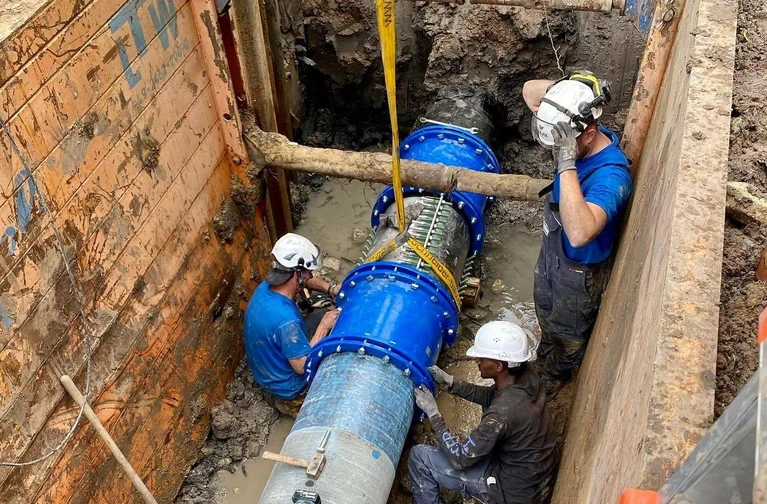
The water supply network in Singapore provides a clear example. Rust and joint wear were common problems there. This happened because of endless pressure changes and very high humidity. Gaskets lost their stretch over time. Minor water loss became a normal event. Maintenance crews needed repair options that avoided complete system shutdowns. They wanted something flexible but very tough. The parts had to survive non-stop service conditions. Stainless-steel repair clamps and flexible couplings gave them that exact mix of strength and flexibility.

Top 7 Causes of Pipeline Leakage

Knowing the reasons behind leaks is the first step. This knowledge helps you find effective pipeline repair methods. It also guides you toward long-term leak prevention solutions.

1. Corrosion and Material Degradation

Rust is still the top reason for pipeline leakage in many industries. Fluids inside the pipe can react with the pipe materials. This chemical reaction weakens the structure from the inside. Moisture makes rust form in metal pipelines. Meanwhile, pitting corrosion builds small, weak spots. These spots are tough to find until the pipe breaks. You can use anti-corrosive fittings to lower this risk greatly. For example, stainless-steel flexible connectors work well. They separate weak areas from direct chemical attacks.

2. Poor Installation Practices

Brand new pipelines can break if workers install them poorly. Bad alignment during setup puts uneven stress on the joints. Also, tightening bolts too much can crush gaskets. It can even bend the flanges. People often miss these minor errors at first. They only notice them when pressure grows and causes a leak. Professional-grade 维修夹具 from Conflex are built to keep parts aligned perfectly. They also hold a tight seal under changing loads. This feature is vital when you manage pressurized systems.

3. Excessive Pressure or Water Hammer Effects

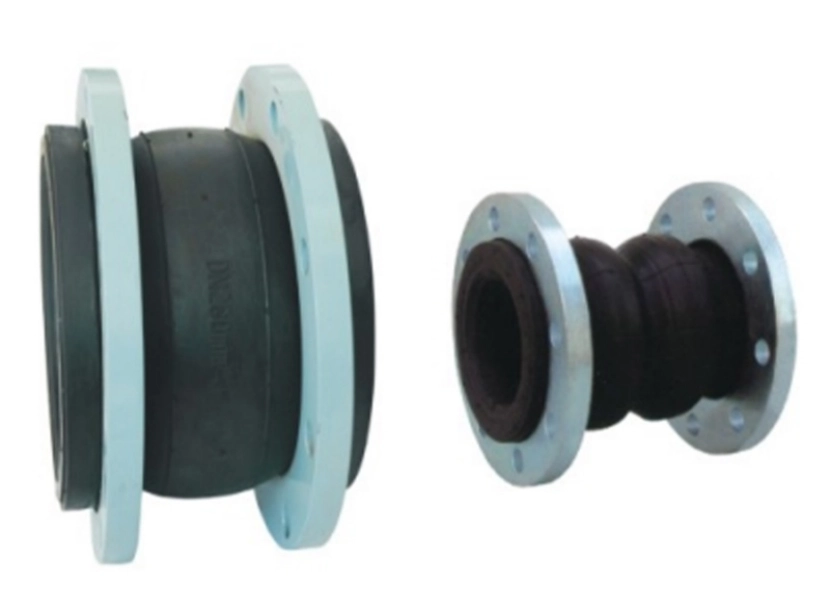
Sudden pressure jumps can break weak joints or fittings right away. People call this a water hammer. A quick shift in fluid speed sends shock waves through the whole system. This shock tests every single connection point. Flexible expansion joints act as a great defense against this. They soak up vibrations and pressure changes. They do this before the stress reaches dangerous levels.

4. Ground Movement and External Stress

Underground pipelines deal with another hidden threat. This threat is the movement of the ground. Soil can settle after a building project finishes. Earthquakes can shake the area. Heavy trucks driving above can also push pipe sections out of line. Rigid connections will crack under this pressure if they lack flexibility. conflex flexible couplings permit a small amount of movement. At the same time, they keep a very tight seal. This stops leaks that come from outside shifting.

橡胶膨胀关节

5. Thermal Expansion and Contraction

Shifting temperatures can make metal pipes stretch or shrink. They might change by a few millimeters for every meter of length. This tiny amount adds up fast across big networks. Stiff systems handle this poorly. Seals get loose over the years because materials grow at different rates. Conflex stainless steel expansion joints handle these size changes easily. They keep a steady seal. Furthermore, they do not add extra stress to the pipeline.

6. Incompatible Materials Between Pipe Sections

Sometimes workers join different materials, like PVC and steel. Doing this without the right adapters causes uneven weight at the joint. Different materials react to heat in unique ways. This creates tiny movements that ruin seals as time passes. Conflex multi-material couplings fix these gaps very well. They offer a steady mechanical grip. This grip works perfectly between different pipe types and sizes.

7. Aging Seals and Gaskets Failure

Rubber parts get old much faster than other pipeline pieces. Harsh chemicals and high heat harm them. This exposure makes them lose their stretch. They eventually crack under normal pressure cycles. You should perform regular inspections. Pairing these checks with Conflex EPDM gasket systems ensures great sealing for a long time. This remains true even in tough industrial settings.

How to Choose the Right Connection Solution for Each Situation

Picking the correct part involves more than just matching pipe sizes. You must also fully understand the working conditions.

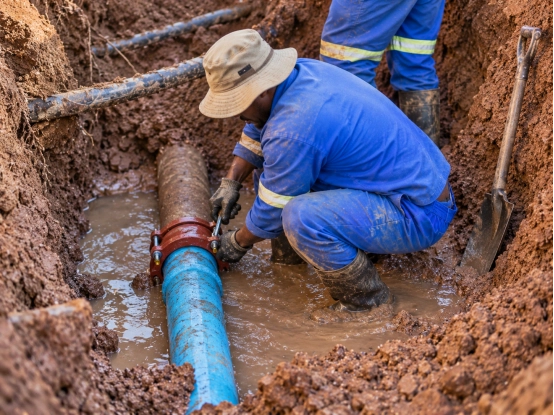
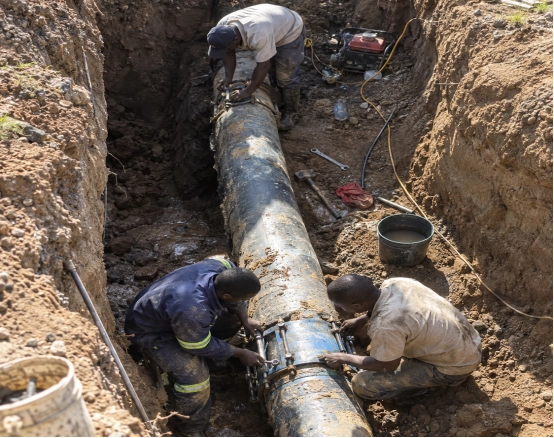
Sometimes you face active leaks under high pressure. A full system shutdown might be impossible. In these cases, pipe repair clamps are perfect. You can install them quickly without stopping the fluid flow. They feature a solid stainless-steel build. This design fights rust well in water, oil, or gas networks.

Pumps and compressors often create heavy vibrations.Flexible joints and couplings absorb these moving loads. They also keep the seal completely safe. This trait is necessary for plants where machines run all day and night.

You might need to join old pipelines with new extensions during an upgrade. 通用 couplings make this job much easier. They handle mismatched pipe sizes without trouble. They also guarantee a strong mechanical grip and a leak-free result.

结论

Tough designs lower the number of times repair crews must step in. This cuts down on labor costs. It also reduces lost production hours. Fast installation leads to fewer pauses during emergency fixes. This is a huge benefit for plants that run 24 hours a day. Above all, stopping leak events improves workplace safety. It raises safety standards across the whole network.

High-quality connection items do more than just fix leaks. They completely change how you plan your maintenance work. Using trusted parts makes the whole system last longer. It also drops the total cost of ownership over many years. This proves that clever connection management saves money. The savings go far beyond the first setup costs.

常见问题解答

Q1: What is the most common cause of industrial pipeline leakage?

Rust is still the top reason. This happens because of chemical reactions between the moving fluids and the pipe materials.

Q2: How can flexible couplings help prevent leaks?

They permit safe movement when the ground shifts or vibrates. They do this without ruining the tight seal.

Q3: Are stainless-steel repair clamps suitable for all fluids?

Yes, they fight rust very well. This makes them useful for water, oil, gas, and many chemical setups.

Q4: How often should seals be inspected?

The schedule depends on your working conditions. However, you should check old systems at least once a year.

Q5: Can Conflex products be used during live repairs?

Yes, they can. Conflex pipe repair clamps are made for active use under pressure. You do not need a complete system shutdown to install them.


分享
Facebook
Twitter
LinkedIn

分类

最近的新闻

Top 7 Causes of Pipeline Leakage and How to Prevent Them
The water supply network in Singapore provides a clear example. Rust and joint wear were common problems...
Emergency Pipeline Repair: Best Practices for Water Utilities
Several years past, a substantial 600mm ductile iron water main burst during high-demand hours within...
How to Repair Water Network Leaks Without Replacing the Whole Pipe
  In many old urban water networks, replacing the whole pipe is not always the smarter repair. A...
How to Handle Pipe Joint Misalignment in a Mining Water Pipeline
  A leaking pipe joint in a mining water line should not be treated like ordinary pipe wall damage. That...
相关新闻
Top 7 Causes of Pipeline Leakage and How to Prevent Them
Emergency Pipeline Repair Best Practices for Water Utilities
Emergency Pipeline Repair: Best Practices for Water Utilities
How to Repair Water Network Leaks Without Replacing the Whole Pipe
How to Handle Pipe Joint Misalignment in a Mining Water Pipeline
zh_CNChinese