



Pipeline connections form the core of municipal water setups. They link countless meters of pipe into one unified grid that carries fresh water from processing plants to households. Firm, drip-proof joints keep steady pressure and block pollutants. Smart connection techniques cut repair expenses and stretch pipeline life by easing strain at weak spots.
You can also picture a bendy connection setup letting engineers handle updates or growth without huge rebuilds. Cities often need this flexibility as they refresh old setups or blend in fresh materials such as HDPE or ductile iron with current lines.
Common Challenges in Municipal Water Pipeline Connections
Municipal utilities deal with key technical hurdles during upkeep or upgrades of water pipelines:
- Aging infrastructure sparks leaks, rust, and poor alignment.
- Mixed pipe materials—like cast iron, PVC, and steel—demand adaptable connection items.
- Ground movement due to heat changes or earthquakes stresses stiff joints.
These problems highlight why bendy and strong connection options matter so much for smooth running.
Types of Pipeline Connection Solutions Used in Municipal Water Systems
Today’s municipal systems mix bendy joints, couplings, and flange adaptors to secure ties in varied settings.
Flexible Connections for Water Pipelines
Bendy connectors handle shakes, heat swelling, and small soil shifts. They hold joint strength despite changing pressure levels. In areas with earthquakes or settling ground, these connectors stop damage that might wreck a whole pipeline stretch.
Expansion joint serves as a bendy coupling for metal pipes. It consists of fabric-reinforced rubber. Crews find these handy in setups where mechanical strain lingers.
Pipeline Connection Couplings
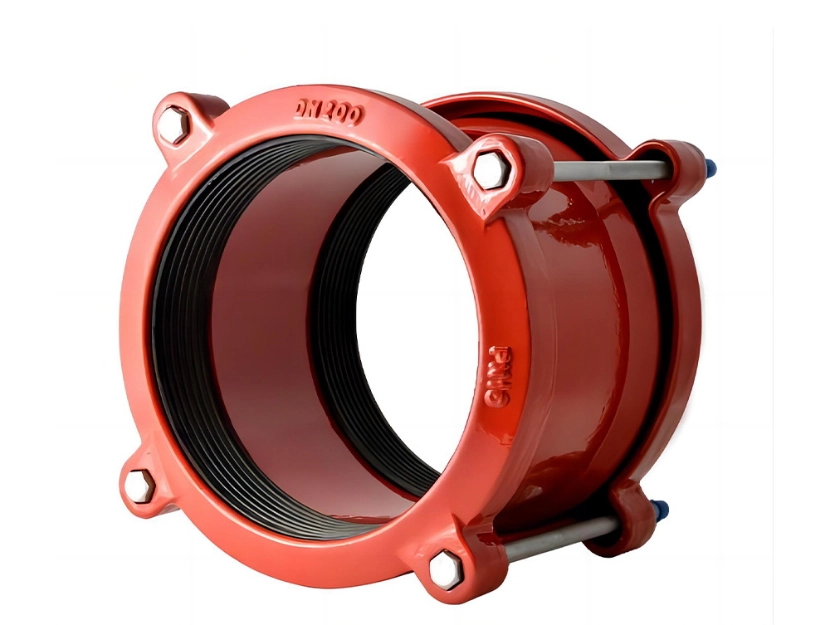
Couplings rank high for swiftly and safely linking two pipes. Designs vary—universal ones for blended materials, dismantling joints for simple takedowns, and repair types for urgent patches.
Universal coupling fits PVC pipeline, with sockets on both ends. It employs fresh mechanical coupling tech. This setup eases fitting while trimming downtime in upkeep tasks. Couplings let workers join pipes with minor size gaps, skipping welds or threads.
Flange Adaptors for Secure Pipe Joining
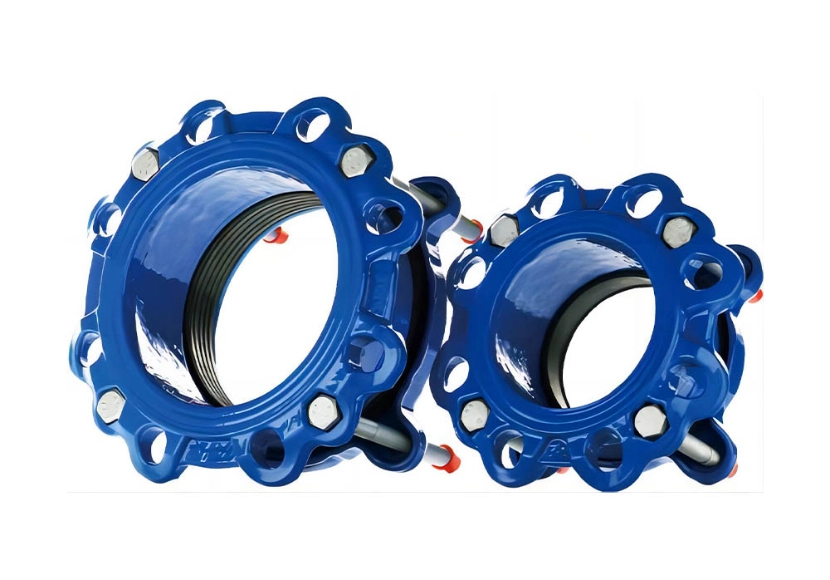
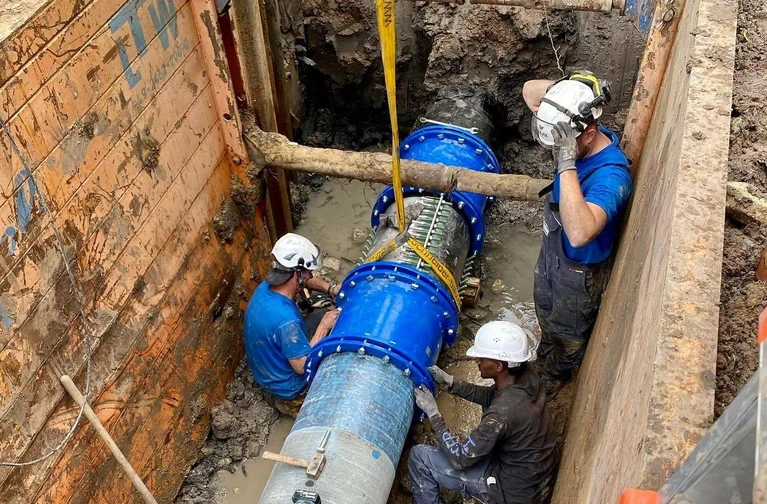
Flange adaptors link plain-end pipes to flanged valves or fittings. They guarantee snug seals and permit easy breakdown for tasks—a big plus in valve swaps or checks.
The Ductile Iron Falt Flange or Weld Flange uses ductile iron material. Its robustness and rust resistance suit new builds and retrofit jobs in municipal grids.
Key Considerations When Choosing Pipeline Connection Products
Picking the proper connection fix hinges on vital technical elements that shape long-term results.
Material Compatibility and Durability
Choose materials like ductile iron, stainless steel, or epoxy-coated steel based on water makeup and surroundings. Rust resistance boosts lifespan—crucial for underground pipes facing dampness or substances.
Items like Stainless Steel Repair Clamp Connector FCD link metal, cement, asbestos, and other pipes fast. They show how flexible materials improve fits across setups.
Installation Efficiency and Maintenance Requirements
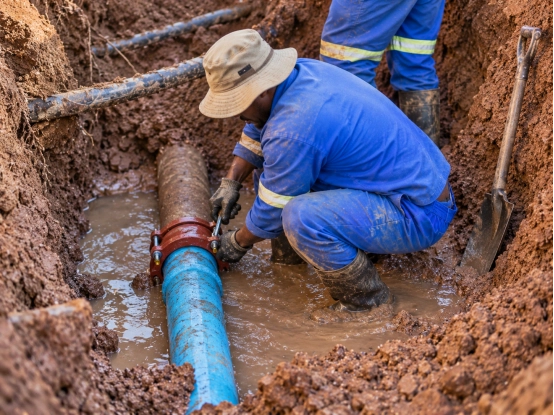
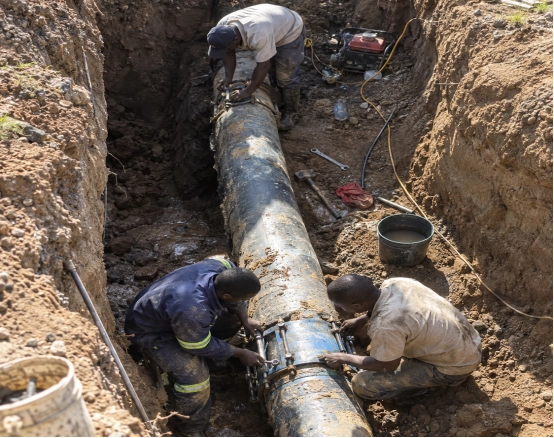
Simple setup slashes project bills a lot. Fast coupling setups cut water supply halts in planned fixes or sudden repairs. Take full circle mini repair clamp—it handles quick patches for pipe breaks and drips under pressure. Teams restore flow without swapping whole lines.
Pressure Rating and Safety Standards Compliance
All parts must follow global rules like ISO, EN, or AWWA specs. Pressure levels need to fit working conditions; mismatches can cause drips or breakdowns in heavy loads. Certified goods meet safety rules and safeguard public works spending.
Benefits of Using Advanced Connection Solutions from Conflex
Conflex is an expert manufacturer of various types of industrial pipeline connection and repair products for more than 15 years. Our know-how covers water supply, drainage, gas distribution, oil pipelines, and chemical processing systems around the world—from Europe to Africa.
Enhancing System Reliability with High-Quality Components
Conflex crafts with exact measures for drip-free work across pipe sizes. Our broad lineup covers flange adaptor, coupling, dismantling joint, repair clamp, and flexible connection. Each type meets certain engineering demands in municipal setups.
Supporting Sustainable Water Management Practices
Tight seals curb water waste—a key point in green city handling. Durable parts mean less swapping later, which trims waste and power use tied to fixes.
Conflex’s WRAS certification proves fit for drinking water: WRAS certified, can be used for drinking water.
Customizable Solutions for Different Project Needs
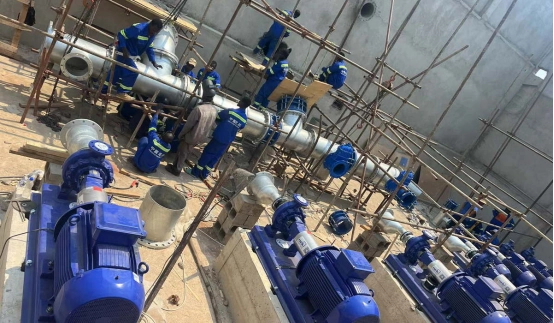
Cities face distinct setup issues—pipe widths differ across areas or old systems. Conflex provides tailored size choices that aid engineers in fitting new fixes to aged installs with little rework. Our skilled R&D team tweaks designs from on-site input in worldwide jobs, like Malawi’s Kalonga Water Supply Pipeline Upgrading Project.
Applications of Conflex Products in Municipal Water Systems
Connection tech fills many spots in the life of municipal networks—from building to refresh projects.
New Water Supply Network Installations
In fresh build stages, bendy joints ease lining up long stretches over bumpy land. Couplings help teams put together big distribution lines fast, keeping solid seals across mixed-material parts.
Pipeline Maintenance and Emergency Repair Operations
Sudden drips can halt service for whole blocks if crews delay. Tools like repair clamps offer speedy seals under pressure, avoiding full section shutdowns. Flange adaptors simplify re-links after valve work—saving time over weld options.
Expansion or Modernization Projects in Existing Systems
Upgrading flow or adding smart gear to old lines calls for adaptable connectors. These bridge old cast iron with new composites. They shorten halts and boost steadiness in shifts to better infrastructure.
Future Trends in Municipal Pipeline Connection Technology
Tech advances keep changing how cities handle buried assets.
Innovations in Flexible Connection Design
Fresh blended materials boost bendiness without losing pull strength or seal power. Certain new styles add sensors to spot joint strain early—a step toward upkeep that predicts and stops drips.
Growing Focus on Longevity and Sustainability
Builders now favor green coatings that fight rust and recycle at end stages. Longer use life cuts overall costs—a real win for cities overseeing vast pipeline miles on slim funds.
FAQs
Q1: What causes most leaks in municipal water pipelines?
Most leaks stem from joint wear due to soil shifts or rust near aged metal parts.
Q2: How do flexible connectors improve pipeline performance?
They soak up shakes and heat growth that would tax stiff joints as time passes.
Q3: Are couplings suitable for connecting different pipe materials?
Yes, universal couplings join PVC, DI, steel, or PE pipes well with mechanical seals over welds.
Q4: Why use flange adaptors instead of direct welding?
Flange adaptors enable simple breakdowns for upkeep with seals as tight as welds.
Q5: What standards should municipal pipeline components meet?
Components ought to follow known rules such as ISO 9001, EN 14525, or AWWA C219 based on local needs.
 English
  Arabic
  Chinese
  French
  German
  Indonesian
  Italian
  Kazakh
  Kyrgyz
  Portuguese
  Russian
  Spanish
  Swahili
  Uzbek
Uzbek