




Sometimes the schedule gives the buyer one line: check valve, DN150. That helps with the pipe connection, but the pump curve and shutdown sequence determine what the valve is being asked to do. Tanga UWASA has described upgrades that include pumping-station work; its public update does not specify another scheme’s valve duty. The project’s own RFQ must supply that missing design context.
The station drawing can answer a separate question that DN never will: can the valve be installed and later removed through the available opening? Draw the surrounding pipework, the dismantling piece if specified, and the route out of the chamber. A generic clearance note cannot substitute for that fit check.

Check valve for water pump: what happens at shutdown?
Consider the controls alongside the curve. The curve gives the design points; the sequence tells the reviewer whether the duty pump runs alone, shares the header, or changes over with a standby unit. Include the simultaneous-running case if the system allows it. A bid can match every connection dimension and still reflect a different operating case if the supplier only sees one pump’s data.
Shutdown is the point where the check valve’s role changes. The project may need to consider a routine handover, a trip or loss of power. The responsible engineer determines which event matters and what pressure points to review. If that work is not complete, leave it as an open design item in the enquiry.
The Conflex silencer check valve is one family for the buyer to discuss with a supplier. The model code should carry through the offer’s drawing and data sheet. If the bid contains only the family catalogue page, it has not yet identified the configuration being priced, so technical approval remains premature.
Picture a DN150 header with a duty pump and a standby unit. One bidder prices the normal single-pump case; another allows for a standby changeover. The flange entries could be identical, yet each offer describes a different basis for selection. Until the bidders confirm the same operating case, comparing totals alone is misleading.
What should check valve sizing include?
The connection check and the duty check answer different questions. DN, flange standard, drilling and face-to-face dimension show whether the valve can be installed in the line. Pressure and flow, read against the pump curve, tell the engineer whether the proposed model is suited to operation. A sound submittal lets the reviewer reach both conclusions without inferring missing data.
The word “water” is too broad for a material review. Project documents may describe treated supply, raw water or wastewater, with different conditions attached. Naming the service, temperature and specified quality lets the bidder state which materials are included. A catalogue page of options cannot establish what the quotation covers.
Maintenance access deserves its own drawing check. Trace the body’s path to the cover and look for the bend or adjacent valve that might block it. The body can fit between flanges yet still be impossible to remove through the opening. Finding that conflict during submittal review gives the team a chance to change the arrangement before construction.
Sort the bidder’s deviations by their effect. A flange-pattern change goes to the person checking the connection; a changed flow assumption goes to the engineer reviewing duty. Keep each reply beside the RFQ line it addresses. The approval record then shows both the decision and its basis, rather than simply carrying a marked-up offer forward.
When does a silent check valve belong on the shortlist?
The product name includes the word “silent,” but it is not a measured noise value for the proposed unit. Nor does the name describe how it will close in a particular pump line. Request model-specific evidence tied to the project flow, pressure and shutdown case before making the comparison.
The rubber disc check valve and DIN3202 F6 brass-seat swing check valve give the buyer other families to discuss. Conflex publishes DN40–DN300 for the silencer design and DN40–DN500 for the swing design. A range can tell the buyer whether to ask about a family. It cannot confirm a particular model’s suitability, which still depends on the project drawing and duty data.
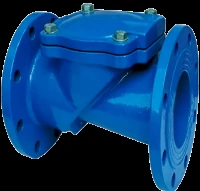
There is no useful ranking until the shutdown event is agreed. Record the event with the selected model in the approval file. A maintenance team can then trace the selection back to its design basis.
What should be visible on a check valve installation drawing?
On the installation drawing, follow the discharge from the pump to the isolation valve and check that the arrow follows the same direction. Include the flanges, supports and nearby bends in this view. The removal route needs to be legible too; an uncluttered plan can conceal an obstruction above the valve.
When the valve arrives, its tag and dimensions should match the accepted submittal. Protect the flange faces during handling, then bring supported pipe ends into alignment before closing the joint. If the bolts are doing the work of pulling those ends together, stop and correct the line; that force can hide a fit problem.
At handover, retain enough information to connect the installed model to its line: orientation, inspection and any tests required by the project. For an enquiry, send the schedule, layout, flow, pressure, medium and approval requirements to Conflex’s contact team. The Conflex valve range shows which families might be relevant.
| Review point | Check in the project file | Question for the bidder |
| Pump duty | Flow points and shutdown sequence | Which model covers these conditions? |
| Connection | DN, flange drilling and space | Does the drawing match the line? |
| Service | Medium, pressure and temperature | Which materials and limits apply? |
| Access | Orientation and removal route | Can it be installed and serviced here? |
FAQs
Q: Will a check valve prevent every pressure surge?
A: A check valve alone cannot establish that surges are controlled. The shutdown sequence, line profile and other equipment also shape the transient, so the project engineer needs to review pressure across the system.
Q: Can a pump check valve be selected from DN alone?
A: DN defines only part of the connection. The project’s flow points, pressure, medium, pump sequence and chamber access still need checking against the proposed drawing and model data before approval.
Q: What should a Tanzanian project send with a check valve RFQ?
A: Include the pump curve or schedule, discharge drawing, pipe and flange details, and the flow and pressure points. The enquiry also needs the medium, temperature, shutdown case, orientation, chamber space, approvals and delivery timing. With those details, the supplier can identify a specific configuration for review.


 English
 Arabic
 Chinese
 French
 German
 Indonesian
 Italian
 Kazakh
 Kyrgyz
 Portuguese
 Russian
 Spanish
 Swahili
 Uzbek