



Una junta torcida significa fugas más tarde. La junta debe sentarse plana alrededor de la tubería, sin giros o huecos. Comprueba dos veces antes de apretarlo. Es una cosa pequeña que ahorra grandes dolores de cabeza.
Selección de abrazaderas sin verificar la compatibilidad
Usando una
que no coincide con el material o la presión de la tubería es un movimiento novato. Es como poner un neumático de bicicleta en un camión, no durará. Compruebe siempre las especificaciones de la abrazadera en relación con el tamaño, el material y la presión de la tubería. Saltar este paso conduce a problemas.
Aplicaciones del mundo real de las abrazaderas de sillín
Distribución Municipal de Agua
Las ciudades a menudo necesitan nuevas líneas de agua para áreas en crecimiento.
déjalos entrar en las tuberías principales sin cortar el agua. La gente se mantiene feliz, y la utilidad evita las quejas.
Plantas de procesos industriales
En las fábricas, agregar un sensor o línea de muestreo puede ser una molestia. Las abrazaderas de sillín facilitan el uso de sistemas en vivo sin detener el trabajo. Es perfecta para plantas que funcionan sin parar.
Reparaciones de campo de emergencia
Cuando una tubería se filtra en un lugar remoto, el cierre no siempre es posible. Las abrazaderas de sillín pueden parcharlo o agregar un bypass temporal para mantener las cosas fluyendo. Las abrazaderas de Conflex están hechas para estas soluciones urgentes, ofreciendo soluciones rápidas y sólidas.
Calificaciones de presión y temperatura
Agregar una sucursal sin detener la tubería ahorra tiempo, dinero y estrés. Las abrazaderas de sillín lo hacen suceder, permitiéndole tocar las tuberías en vivo sin fugas o descansos. Conflex ofrece una variedad de pinzas de sillín para todo, desde el agua de la ciudad hasta los sistemas de fábrica, manteniendo los proyectos sin problemas. Elija la abrazadera adecuada, siga los pasos y su tubería permanecerá en línea.
| Factor | P: ¿Se pueden usar las abrazaderas de sillín en cualquier material de tubería? | R: La mayoría trabaja con HDPE, PVC, hierro dúctil y acero, pero compruebe las especificaciones de la abrazadera para el material y el tamaño de la tubería. |
| Tipo de fluido | P: ¿Es la toma en vivo segura para sistemas de alta presión? | R: Sí, si la abrazadera y el engranaje están clasificados para la presión. Una buena instalación es una necesidad para evitar fugas. |
| P: ¿Cuánto tiempo tarda en instalar una abrazadera de sillín? | R: Para los profesionales, es de unos 30 minutos a una hora, dependiendo del tamaño y las condiciones de la tubería. | P: ¿Las abrazaderas de sillín necesitan mantenimiento? |
| R: No mucho, si se instala correctamente. Compruebe la oxidación o el desgaste de la junta de vez en cuando, especialmente en lugares difíciles. | tuberías | ¡No hay cierres de tuberías! Las abrazaderas de sillín permiten conexiones de rama en vivo: duraderas, a prueba de fugas, se adaptan a múltiples tubos. Ahorra tiempo y reduce costos con soluciones eficientes y fiables. |
| Cómo agregar una sucursal sin cierre de tuberías - Conflex | Los viejos sistemas de agua son una gran preocupación en todo el mundo. Muchas tuberías, algunas de más de 100 años, se están desmoronando debido a la oxidación y la tensión constante. Cambiarlos por completo es difícil, demasiado caro, súper desordenado y a veces simplemente no factible. Aquí es donde | intervenir, dando una mano de ayuda a los servicios públicos tratando de mantener el agua fluyendo. Conflex, un nombre principal en soluciones de tuberías, ofrece herramientas prácticas que mantienen las cosas funcionando sin problemas con poco alboroto. |
El costo oculto del envejecimiento de los sistemas de agua
El desafío global de los antiguos oleoductos
Las redes de agua de las ciudades y las fábricas en muchos lugares todavía utilizan tuberías establecidas hace siglos. Cosas como hierro fundido, acero y hormigón temprano se desgastan con el tiempo. El óxido se come el metal, aparecen grietas y se filtran toneladas de agua cada año. En los Estados Unidos, la EPA dice que las tuberías antiguas pierden más de dos billones de galones de agua limpia anualmente, eso es agua que se empapa en la suciedad.
Por qué la sustitución completa de la tubería no siempre es factible
Excavar millas de tuberías enterradas cuesta una fortuna y provoca problemas. Estos proyectos pueden llegar a miles de millones y arruinar el servicio de agua durante mucho tiempo. Muchas empresas no pueden manejar cierres prolongados, especialmente en lugares ocupados o industriales.
tiene herramientas de reparación que omiten la necesidad de reemplazo total, manteniendo las tuberías funcionando mientras ocurren reparaciones. Qué hacen las abrazaderas de sillín y por qué importan
Una visión general rápida de las abrazaderas de sillín
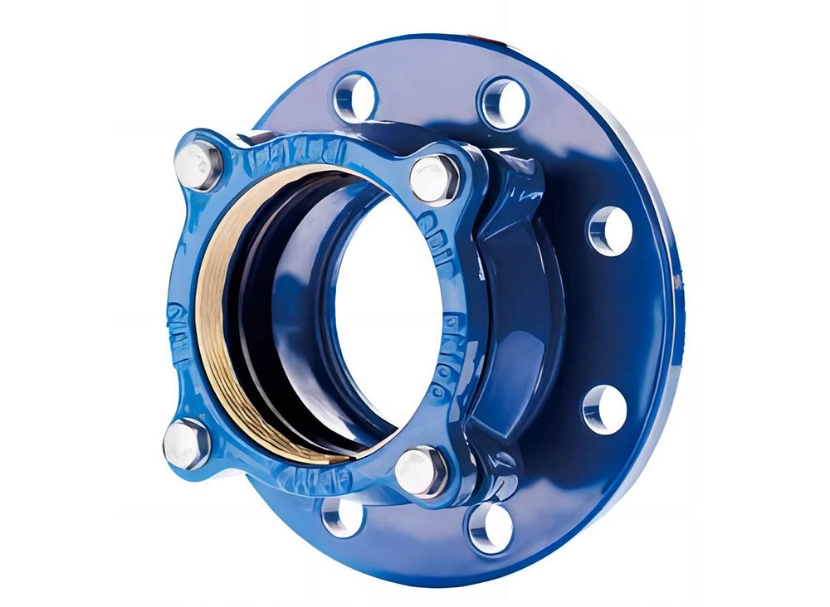
Las abrazaderas de sillín son dispositivos que abrazan una tubería para parchar fugas o agregar nuevas ramas. Siguen desde el exterior, por lo que no es necesario cortar o tirar la tubería. Ya sea sellando un corte o enganchando una nueva línea, lo hacen rápidamente sin detener el agua.
Por qué son ideales para el envejecimiento de la infraestructura
Las tuberías antiguas a menudo son desiguales, con oxido o acumulación. Las abrazaderas del sillín brillan aquí, agarrando fuerte en hierro fundido, acero,
HDPE o PVC
Desmantelamiento de articulaciones Son súper flexibles, dejando que las empresas de servicios públicos arreglen o crezcan las redes sin importar cuán viejas o bajadas sean las tuberías.
Aplicaciones clave en proyectos de rehabilitación
Conexiones de sucursales para extensiones de red
Cultivar un sistema de agua a menudo significa atar nuevas líneas a las viejas redes eléctricas. Las abrazaderas de sillín hacen que esto sea una brisa añadiendo ramas sin detener el flujo. Los servicios públicos pueden conectar nuevos barrios a viejas redes de hierro fundido mientras mantienen el agua corriente.
Control de fugas y reparación localizada
Las fugas pueden perder miles de galones al día y dejar entrar cosas desagradables. Las abrazaderas de sillín se arreglan rápidamente en pocas horas. Son una opción para emergencias, estabilizando las cosas hasta que puedan ocurrir reparaciones más grandes.
Adaptadores de brida Refuerzo temporal para secciones de tubería debilitadas
Las tuberías cercanas a romperse por la oxidación o el estrés reciben un impulso de las abrazaderas del sillín. Actúan como soportes externos, deteniendo las explosiones y extendiendo la vida útil hasta que sea posible un intercambio completo. La resistencia de Conflex
abrazaderas
hacer que estos parches sean fiables, a veces duraderos.
Ventajas sobre los métodos de sustitución tradicionales
Excavación mínima y no se requiere cierre
La sustitución regular significa cavar trincheras y cortar el agua, lo que afecta a los barrios y el tráfico. Las abrazaderas de sillín esquivan todo eso. Pasan por pequeños puntos de acceso, ahorrando carreteras y patios, y mantienen el flujo de agua, clave para lugares como hospitales o fábricas que lo necesitan sin parar.
Eficiencia de costes en la planificación del mantenimiento
Para los servicios públicos limitados a efectivo, las abrazaderas de sillón son una manera amigable para la cartera de arreglar las cosas poco a poco. Le permiten abordar fugas urgentes ahora y planificar grandes actualizaciones más tarde. Este enfoque inteligente hace que los presupuestos vayan más allá sin escatimar la calidad.
Técnicas de instalación adecuadas
Compatibilidad con sistemas legados
Las configuraciones más antiguas a menudo mezclan diferentes materiales y tamaños, lo que hace que las soluciones sean complicadas. Las abrazaderas de sillín manejan esto con diseños que agarran todo tipo de superficies.
Conflexar Consideraciones de ingeniería para un rendimiento fiable
Preguntas frecuentes
Material y resistencia a la corrosión
Elegir el material de abrazadera adecuado es clave para una potencia duradera. El acero inoxidable lucha mejor contra la oxidación en entornos húmedos o duros, mientras que el hierro dúctil funciona bien en los más suaves. La elección depende del suelo, el tipo de agua y el clima local.
Material de sellado y presión nominal
El sello es hacer o romper.
Juntas de EPDM
funciona muy bien para el agua potable, resistiendo el envejecimiento y los productos químicos. El NBR es mejor para líneas oleosas o industriales. El apriete de los pernos justo y la coincidencia de la presión nominal mantiene fugas y daños a la tubería a raya.
Calidad de la instalación e inspección
Incluso el engranaje de primera clase puede flopar si se pone mal. Los trabajadores entrenados deben alinear las abrazaderas y apretar los pernos uniformemente. Los controles regulares detectan problemas como piezas sueltas o sellos desgastados temprano, manteniendo las cosas sólidas.
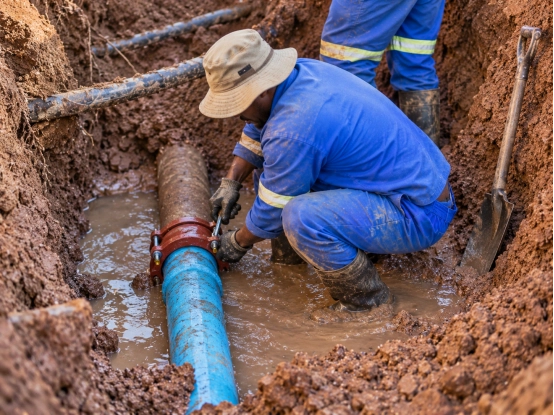
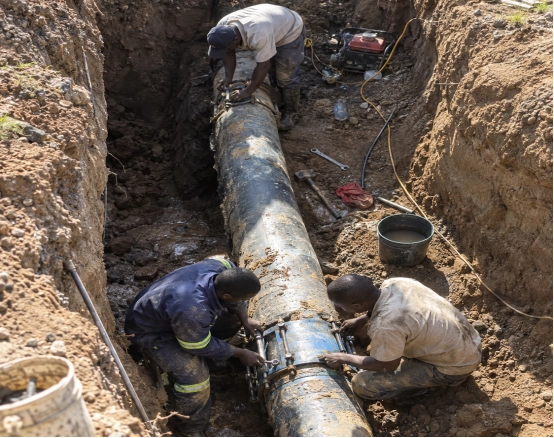
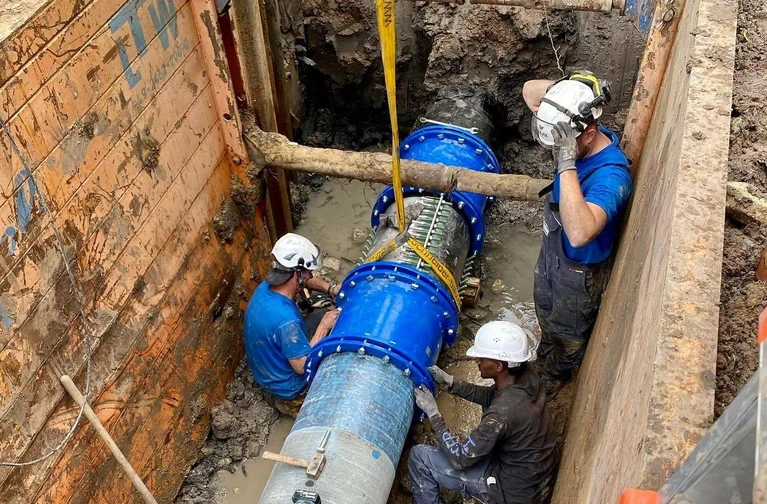
Case Insight: Extensión de la vida útil del sistema sin reemplazo completo
Ejemplo municipal
 Spanish
  English
  Arabic
  Chinese
  French
  German
  Indonesian
  Italian
  Kazakh
  Kyrgyz
  Portuguese
  Russian
  Swahili
  Uzbek
Uzbek