


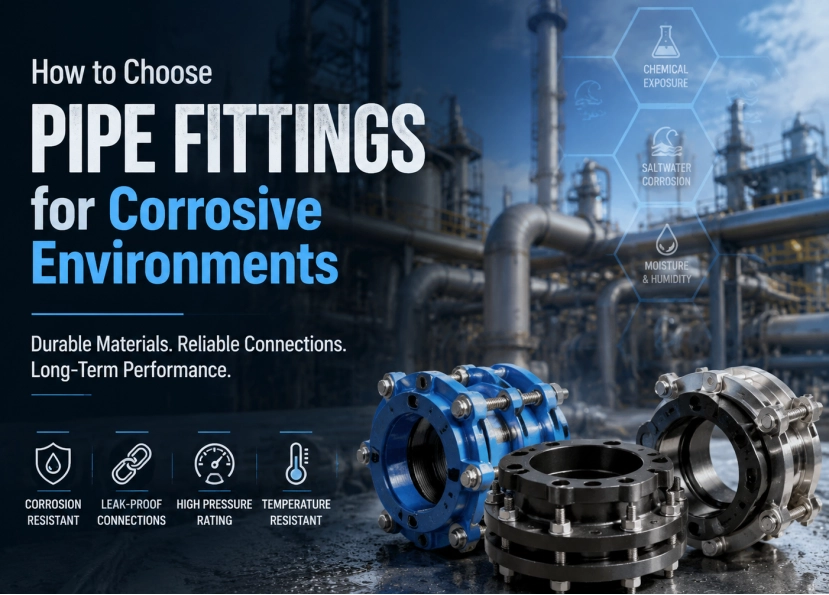
Selecting the right pipe fittings for corrosive environments isn’t just about durability—it’s about safety, efficiency, and long-term cost control. Harsh conditions can swiftly harm metal parts. This often leads to leaks or major system breakdowns. You need to grasp what creates a corrosive setting. Then, pick materials and designs that hold up against those tough spots.
What Makes an Environment Corrosive
Many things speed up corrosion in piping setups. Chemicals, salts, or dampness greatly boost metal breakdown. Places like wastewater plants, chemical factories, and ocean-based sites often face high risks. Heat and force matter a lot too. Greater levels usually ramp up corrosion by fueling reactions and pushing materials past their safe points.
In plain words, systems dealing with tough liquids or running in wet, salty air face ongoing corrosion threats.
How Corrosion Affects Pipe Fittings
Corrosion does more than look ugly. It cuts into the strength of pipe fittings. This can cause leaks or total breakdowns over time. When the outer layer on a metal fitting fails, the inner part wears away fast. Such damage shortens fitting life. It also hikes repair bills and sparks unexpected shutdowns. In fields like oil and gas or water processing, these issues threaten safety and smooth operations everywhere.
Key Factors to Consider When Choosing Pipe Fittings for Corrosive Conditions
Picking fittings for harsh settings goes beyond scanning material details. You must match materials, coverings, and real-world conditions well.
Material Compatibility with the Medium
Start by knowing the liquid or gas moving through the system. Stainless steel works well for many chemicals and hot spots. Ductile iron with added shields gives solid strength plus extra guard against rust. Composite options shine when you want lighter weight too. Steer clear of pairing unlike metals. They can spark galvanic corrosion where different metals touch in something like water or salty solution.
Protective Coatings and Linings
Strong base materials help, but added layers boost lifespan greatly. Epoxy layers resist chemicals well. Rubber covers handle bumps with ease. Fusion-bonded types form tough shields against wear and water entry. Inner linings prove handy for carrying harsh liquids. They block direct touch between the flow and metal. Check these layers often. Tiny splits or bubbles can turn into big problems fast if you overlook them.
Pressure and Temperature Ratings
Each fitting has to handle set force levels for safe use. A pipe coupling or dismantling joint rated under the system’s force turns into a weak link when stressed. Quick heat shifts can also expand or shrink parts. This strains joints and seals. Pick materials that keep their power through your expected heat ranges. That way, they perform steadily for years.
| Factor | Consideration | Example Material/Coating |
| Fluid Type | Chemical compatibility | Stainless steel 316 |
| Temperature Range | Resistance to thermal stress | PTFE-lined ductile iron |
| Pressure Rating | Must exceed system pressure | Class 150–300 flanged fittings |
| External Environment | Saltwater exposure protection | Epoxy-coated carbon steel |
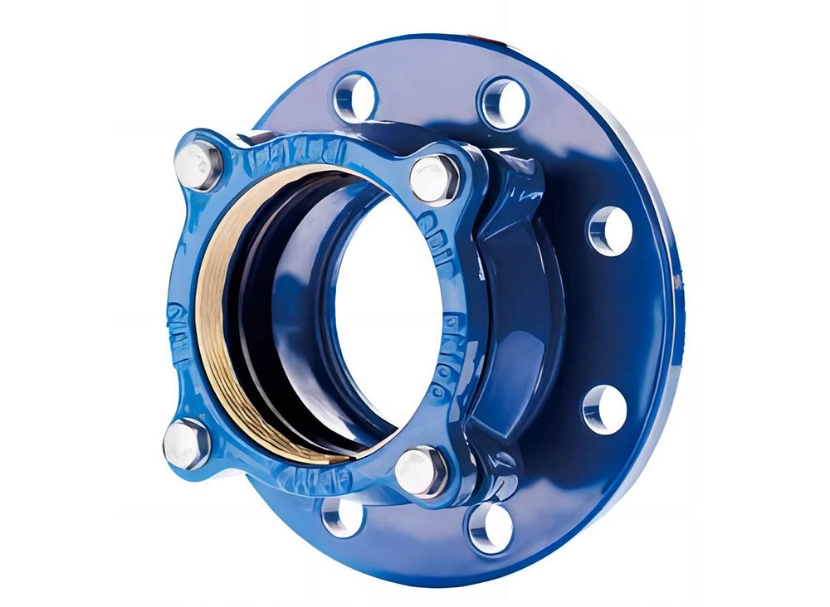
Installation Environment and Accessibility
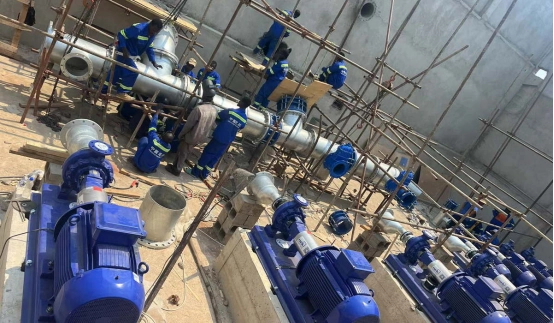
The spot where you place fittings counts as much as their makeup. Outdoor lines hit by damp air or salt mist require extra shields over indoor ones. In cramped areas, such as pump spaces or under-ship zones, easy reach aids upkeep. Fittings that let you take apart quickly without odd tools cut repair time. They also lower shutdown expenses down the road.
Common Types of Pipe Fittings Suitable for Corrosive Environments
Various fitting kinds handle specific jobs in tough systems. They link pipes firmly or ease repair work.
Pipe Couplings for Secure Connections
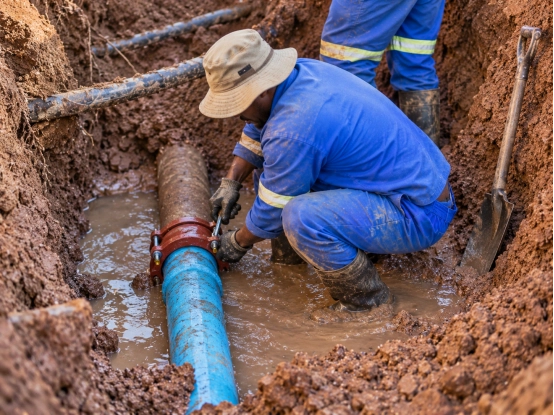
Pipe couplings join two pipe ends tightly. They keep things leak-free too.
Features of High-Quality Pipe Couplings
A solid pipe coupling fixes small pipe offsets. It also soaks up shakes from pumps or flow swirls. These happen often in setups with harsh flows. Such couplings seal firmly even when force shifts.
Applications in Industrial Piping Systems
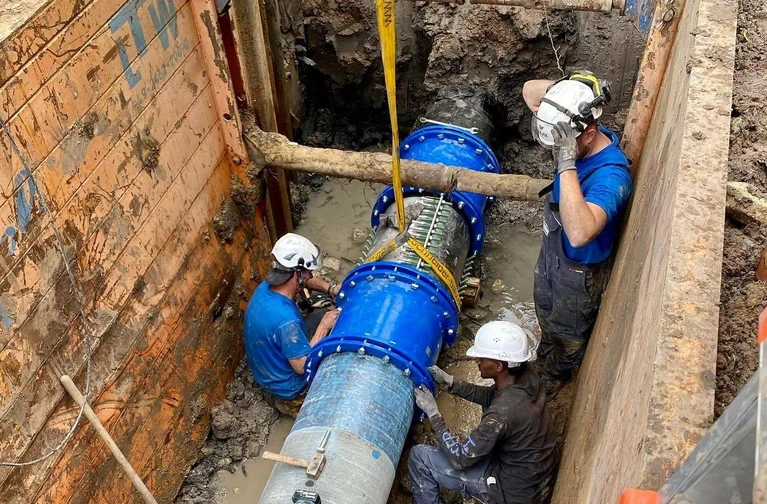
Workers use pipe couplings in many spots. Think wastewater plants, chemical lines, saltwater removal sites, and sea projects. There, salt exposure calls for dependable seals.
Dismantling Joints for Easy Maintenance
Dismantling joints make putting together or taking apart pipelines simpler in busy networks.
Function and Design Benefits
These joints let you add or pull out valves, pumps, gauges, or other vital parts fast. You avoid slicing the main line. They handle heat growth or shrinkage too. That’s a common headache in hot-running systems.
Why They Are Useful in Corrosive Environments
Harsh spots demand frequent checks. Dismantling joints cut idle time here. They let you swap out tired pieces swiftly. And you don’t mess with nearby links.
Flange Adaptors for Reliable Sealing Connections
Flange adaptors link flanged gear to pipes with flexibility and firmness.
Advantages of Using Flange Adaptors
They hold seals tight. Plus, they allow small setup tweaks. This helps when using coated or lined pipes. You prevent scratches at join spots.
Typical Use Cases in Industrial Systems
You see flange adaptors in oil plants, gas lines, saltwater facilities, and city water grids. There, joint rust control ties straight to steady service.
How to Ensure Long-Term Performance of Pipe Fittings in Corrosive Conditions
Top fittings need good handling to last well.
Regular Inspection and Maintenance Practices
Steady reviews spot early rust, pits, drips, or layer wear. Do this before big troubles hit. Swap old gaskets or seals to keep joins air-tight under force.
Proper Installation Techniques
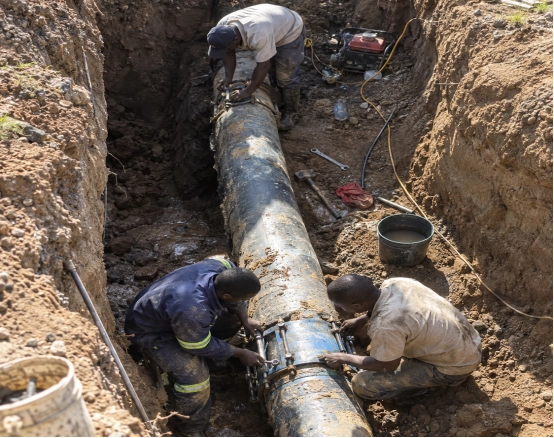
Stick to maker guidelines closely. Focus on bolt tightness and gasket spots. This avoids uneven pulls that lead to early damage or drips. Use sealants that fit both the fitting and the carried stuff. Wrong ones might clash chemically.
Partnering with Conflex
Conflex supplies strong pipe couplings, dismantling joints, flange adaptors, and repair clamps for rough spots. Teams build these for lasting strength, bendability, and simple setup in fields like water lines, oil moves, and gas networks. Teaming with a skilled supplier guarantees the best picks for your setup. It matches tech needs and steady results under harsh wear.
FAQs
Q1: What type of material is best for corrosive environments?
Stainless steel 316 is often preferred due to its superior resistance against most acids and chlorides.
Q2: How often should I inspect my pipeline fittings?
Inspection frequency depends on operating conditions but checking every six months is generally recommended for highly corrosive environments.
Q3: Can epoxy coating stop all forms of corrosion?
No coating offers complete immunity; however epoxy significantly delays corrosion onset when properly applied.
Q4: What causes galvanic corrosion between fittings?
It occurs when two dissimilar metals contact each other in an electrolyte like water causing one metal (the anode) to corrode faster.
Q5: Are dismantling joints reusable after removal?
Yes—if they remain undamaged during disassembly—but always inspect seals before reinstalling them into active service systems.
 English
  Arabic
  Chinese
  French
  German
  Indonesian
  Italian
  Kazakh
  Kyrgyz
  Portuguese
  Russian
  Spanish
  Swahili
  Uzbek
Uzbek