





Kerusakan pipa tidak selalu terlihat jelas, tetapi kebocoran kecil sekalipun dapat menyebabkan masalah besar—seperti pemborosan air, pembusukan bangunan, dan bahkan menghentikan seluruh sistem. Klem perbaikan Memberikan metode praktis untuk memperbaiki berbagai masalah pipa dengan cepat, tanpa harus memotong atau mengganti seluruh bagian. Baik itu retakan tipis pada pipa air tembaga atau retakan pada pipa saluran pembuangan besi cor, mengetahui jenis kerusakan apa yang dapat ditangani oleh klem ini sangat penting untuk mengembalikan keadaan normal dengan cara yang aman dan efektif.
Penyebab dan Indikator Umum Kerusakan Pipa
Faktor-Faktor Stres yang Sering Menyebabkan Kerusakan Pipa
Pipa menghadapi tekanan fisik dan lingkungan luar yang terus-menerus. Ekspansi termal terjadi ketika perubahan suhu menyebabkan pipa meregang dan menyusut. Hal ini seringkali menciptakan retakan kecil seiring waktu. Dengan cara yang sama, pergeseran tanah—terutama di tempat-tempat dengan banyak gempa bumi atau tanah yang gembur—dapat memutar atau mematahkan pipa di bawah tanah.
Efek water hammer (palu air) muncul akibat peningkatan tekanan yang cepat saat katup menutup dengan cepat. Hal ini menimbulkan tekanan yang kuat di dalam pipa. Jika instalasi sudah tua atau dipasang dengan buruk sejak awal, maka akan lebih rentan terhadap tekanan tersebut. Bahan kimia keras dan instalasi bertekanan tinggi mempercepat keausan material, terutama pada pipa logam seperti baja atau tembaga.
Petunjuk Visual dan Fungsional dari Pipa yang Rusak
Mendeteksi kerusakan pipa sejak dini dapat mencegah banyak masalah. Perubahan warna atau karat pada pipa yang terlihat jelas menandakan korosi. Bekas air di langit-langit atau dinding dapat menunjukkan kebocoran tersembunyi, dan penumpukan jamur biasanya merupakan tanda buruk yang membuktikannya. Tekanan air yang rendah mungkin berarti kebocoran besar atau penyumbatan di bagian bawah. Terkadang, Anda dapat mendengar suara mendesis atau tetesan di balik dinding—itu adalah petunjuk langsung adanya kebocoran yang sedang terjadi.
Gambaran Umum Klem Perbaikan Pipa
Komponen Utama dari Penjepit Perbaikan Pipa
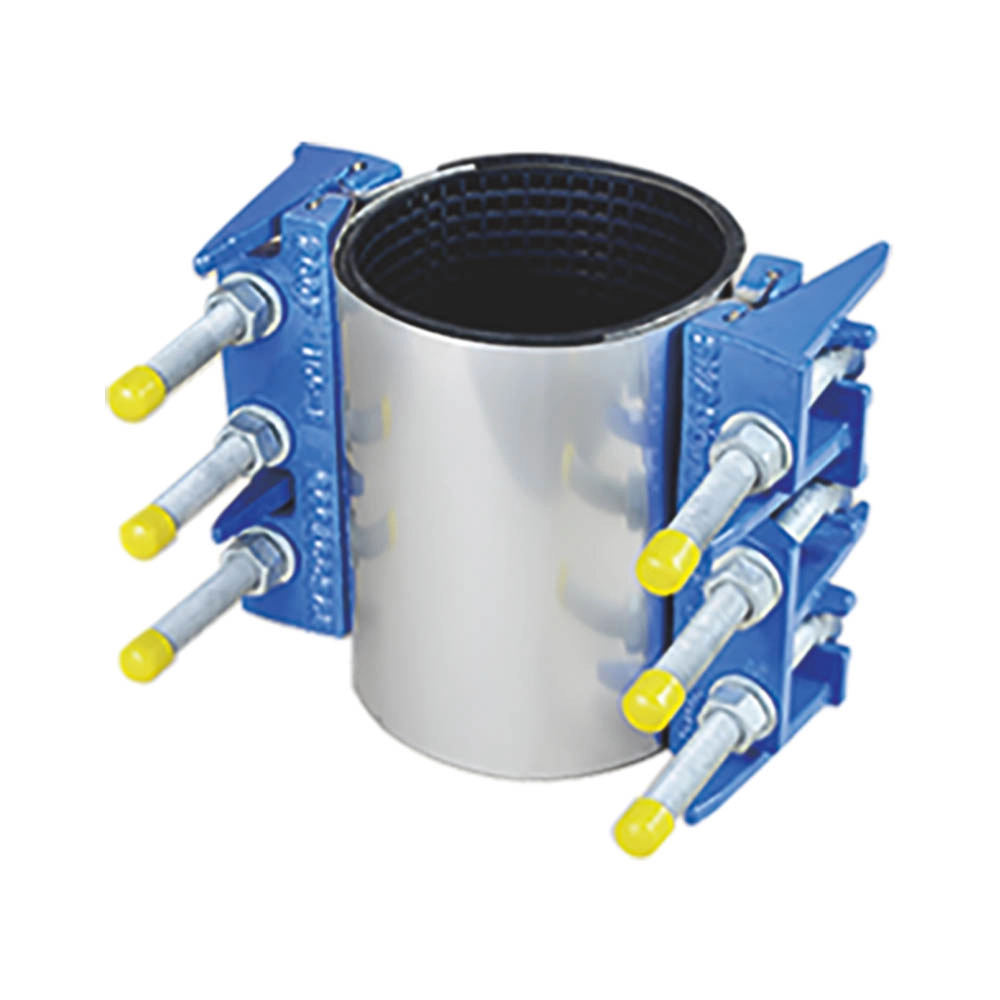
Standar penjepit perbaikan pipa terdiri dari tiga bagian utama:
- Pita baja tahan karat yang melilit pipa dan memberikan kekuatan mekanis.
- Sebuah gasket karet di bagian bawah yang menyegel area yang rusak untuk mencegah kebocoran.
- Mekanisme pengencangan seperti baut atau pengait yang memungkinkan Anda mengencangkan klem dengan aman pada pipa dengan berbagai diameter.
Bagian-bagian ini bekerja sama untuk membuat segel cepat pada bagian yang rusak tanpa memotong saluran.
Bagaimana Klem Perbaikan Mengatasi Kerusakan Pipa
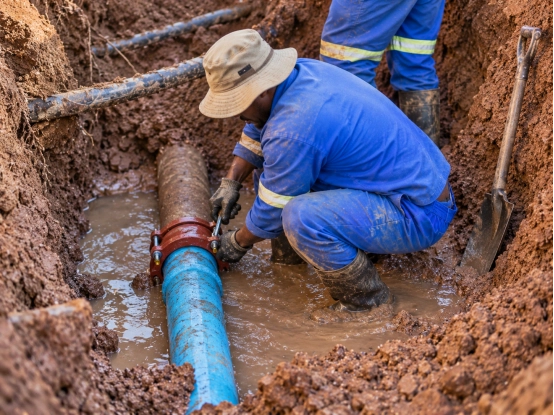
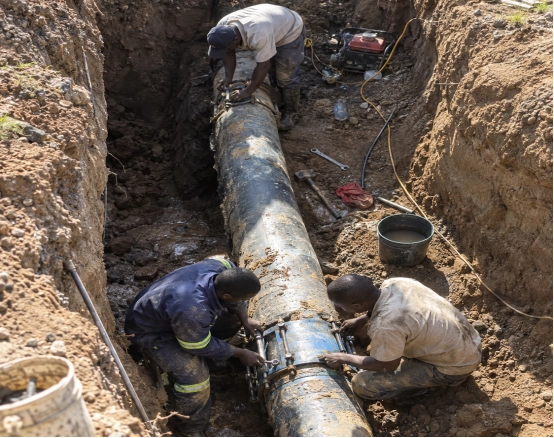
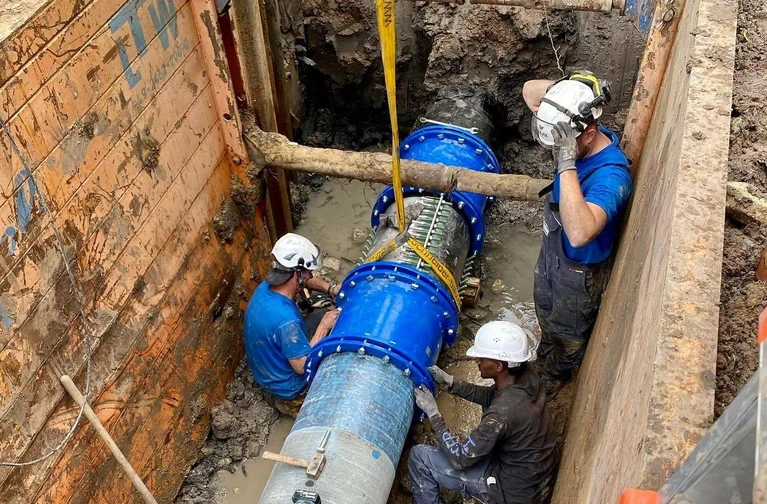
Klem perbaikan bekerja dengan memberikan tekanan dari luar untuk menghentikan kebocoran—tidak diperlukan pengelasan, pemotongan, atau penyolderan. Desainnya yang lentur membantu klem ini menyesuaikan dengan permukaan yang tidak rata. Sehingga klem tetap berguna meskipun dinding pipa tidak sepenuhnya rata. Klem ini sangat berguna di situasi darurat di mana Anda membutuhkan kontrol cepat sebelum melakukan perbaikan permanen.
Jenis Kerusakan Pipa yang Dapat Ditangani oleh Klem Perbaikan
Retakan Halus pada Sistem Bertekanan
Pada sistem yang terkena siklus panas atau getaran mesin, retakan kecil dapat terbentuk. Penjepit menstabilkan retakan ini. Dan mencegahnya membesar akibat perubahan tekanan.
Lubang Kecil dan Kebocoran Ringan pada Pipa Logam
Lubang-lubang kecil akibat korosi pitting sering muncul pada pipa tembaga dan baja. Klem dengan ukuran yang tepat dapat menutup lubang-lubang ini. Hal ini menjaga kekuatan pipa tetap utuh—tidak perlu penggantian total.
Korosi Kerusakan Permukaan yang Diinduksi
bercak karat lokal pada baja atau pipa besi cor Menipiskan dinding seiring waktu. Penjepit memotong area yang rusak akibat kelembapan. Ini memperlambat proses pengkaratan dan keausan lebih lanjut.
Kegagalan pada Sambungan dan Kopling Pipa
Terkadang kebocoran dimulai di tempat dua bagian bergabung—pada sambungan atau kopling. Klem memberikan dukungan dari luar. Klem menyegel sambungan yang bengkok atau aus tanpa harus membongkar seluruh rangkaian.
Penanganan Darurat untuk Bagian yang Meledak
Ketika pipa pecah tanpa peringatan - terutama di pengaturan kerja di mana berhenti biaya banyak - klem perbaikan yang kuat dapat menawarkan tahan jangka pendek sampai Anda merencanakan perbaikan penuh.
Material Pipa yang Kompatibel untuk Perbaikan dengan Penjepit
Sistem Pipa Baja dalam Aplikasi Industri
Baja, baik galvanis dan karbon varian, banyak digunakan dalam pengaturan industri. Klem perbaikan kompatibel dengan sistem ini dalam kondisi tekanan moderat dan sering menjadi bagian dari protokol pemeliharaan standar.
Pipa PVC dalam Jaringan Pipa Rumah Tangga
Fleksibilitas PVC membutuhkan klem dilengkapi dengan gasket yang dapat mengakomodasi beberapa derajat deformasi plastik. Pilihan yang tepat adalah kunci di sini.
Pipa Tembaga pada Saluran Pasokan Air Domestik
Tembaga rentan terhadap kebocoran lubang kecil akibat reaksi elektrokimia. Penjepit sangat efektif di sini karena menghilangkan kebutuhan untuk menyolder ulang sambungan atau mengganti seluruh segmen.
Pipa besi cor dalam sistem drainase dan air limbah
Perbaikan pipa besi cor Seringkali melibatkan klem berdiameter besar yang sesuai dengan sifat kaku material ini. Ini sangat penting dalam saluran pembuangan kota di mana penggalian akan mahal dan memakan waktu.
Panduan Keselamatan Langkah demi Langkah untuk Instalasi Clamp
Matikan pasokan air sebelum memulai perbaikan
Pertama-tama, matikan aliran air. Ini mencegah air mengganggu pekerjaan Anda. Dan ini memastikan paking terpasang dengan benar.
Periksa area yang rusak secara menyeluruh sebelum melanjutkan.
Periksa apakah kerusakan berada dalam kemampuan clamp untuk menangani. Jika terlalu besar atau terlalu dekat dengan sendi, Anda mungkin membutuhkan solusi lain.
Bersihkan area permukaan di sekitar lokasi kebocoran.
Gunakan sikat kawat atau kain untuk menghilangkan karat, kotoran, atau skala. Hal ini meningkatkan seberapa baik gasket stick. Dan itu membantu dengan segel yang berlangsung.
Pilih Clamp yang cocok dengan ukuran pipa dan bahan
Lihat diameter, ketebalan dinding, dan spesifikasi tekanan sebelum memilih klem Anda. Ketidakcocokan di sini akan menyebabkan kegagalan lebih cepat daripada nanti.
Sejajarkan dan posisikan klem di atas bagian yang rusak.
Letakkan gasket tepat di atas kebocoran dengan jarak yang sama di semua sisinya. Ketidaksejajaran dapat menyebabkan kebocoran di bawah tekanan.
Ketekatan Semua Bolt secara merata untuk memastikan tekanan seragam
Jangan langsung mengencangkan satu baut sepenuhnya—kencangkan setiap baut sedikit demi sedikit secara bergantian untuk memberikan gaya yang seimbang pada seal.
Pulihkan aliran air secara bertahap sambil mengamati adanya kebocoran.
Setelah semuanya dikencangkan, perlahan buka kembali katup sambil terus mengawasi bagian yang diperbaiki untuk melihat apakah ada tetesan atau rembesan.
Pantau area yang diperbaiki dari waktu ke waktu untuk melihat tanda-tanda kegagalan.
Tambahkan titik ini ke daftar periksa inspeksi rutin Anda. Bahkan klem yang bagus pun dapat mengendur seiring waktu karena getaran atau perubahan suhu.
Pertimbangan Keselamatan Selama Pemasangan Penjepit
Gunakan Peralatan Pelindung Saat Menangani Alat dan Material
Sarung tangan, kacamata pengaman, dan pakaian lengan panjang adalah perlengkapan dasar yang wajib dimiliki saat berurusan dengan pita logam tajam atau saluran bertekanan tinggi.
Waspadai Bahaya Listrik di Dekat Area Kerja Basah
Jika ada kabel listrik di dekatnya, matikan aliran listrik sebelum memulai pekerjaan—lingkungan basah dan listrik tidak cocok.
Gunakan Teknik Penggunaan Alat yang Benar untuk Mencegah Cedera
Gunakan alat yang sesuai dengan akurasi torsi. Hindari mengencangkan klem secara berlebihan pada pipa plastik—hal itu dapat menghancurkan pipa daripada menyegelnya.
Manfaat Praktis Menggunakan Penjepit Perbaikan
Klem perbaikan menawarkan keunggulan di dunia nyata:
- Hal itu sangat mengurangi waktu pengerjaan dibandingkan dengan mengganti seluruh pipa.
- Instalasi cepat, jadi ada’ Kurang waktu berhenti untuk sistem kunci.
- Mereka membiarkan sistem terus berjalan sementara Anda menunggu perbaikan abadi.
Conflxsebagai produsen khusus dari klem perbaikan kelas industri dan kopling pipa, menyediakan solusi yang dirancang khusus untuk intervensi efisiensi tinggi ini di seluruh sistem air, minyak, dan gas.
Pembatasan yang Terkait dengan Penggunaan Clamp Perbaikan
Tidak semua masalah dapat diselesaikan dengan clamp:
- Jika integritas struktural sangat dikompromikan - pikirkan pecahan besar atau dinding pipa yang runtuh - penggantian penuh tidak dapat dihindari.
- Dalam infrastruktur kritis seperti rumah sakit atau pembangkit listrik, klem hanya dapat berfungsi sebagai perbaikan sementara menunggu evaluasi profesional.
Pertanyaan yang Sering Ditanyakan Tentang Pembaikan Clamps
Berapa Lama Perbaikan Clamps Biasanya Berakhir?
Umur bervariasi berdasarkan kualitas bahan, kondisi instalasi, dan lingkungan operasi. Pemeriksaan teratur membantu memperpanjang waktu layanan yang efektif.
Bisakah Clamps Perbaikan Digunakan Kembali Setelah Penghapusan?
Sebagian besar klem dirancang untuk aplikasi penggunaan tunggal karena batas kompresi gasket. Selalu periksa panduan produsen sebelum digunakan kembali.
Apakah Clamps Perbaikan Disetujui untuk Sistem Air Minum?
Hanya klem yang dibuat dengan bahan kelas makanan bersertifikat yang harus digunakan pada jalur air minum. Conflex menawarkan pilihan bersertifikat yang cocok untuk instalasi minuman.
Jika digunakan dengan benar, klem perbaikan pipa adalah alat fleksibel yang memberikan kontrol cepat dan aman untuk berbagai jenis kerusakan pipa di berbagai material dan konfigurasi. Bagi para profesional industri yang mencari produk andal yang menggabungkan ketangguhan dengan kemudahan penggunaan, Conflex terus membantu kru perbaikan dengan klem dan sambungan perbaikan berkualitas tinggi yang dirancang untuk pekerjaan berat.
 Indonesian
  English
  Arabic
  Chinese
  French
  German
  Italian
  Kazakh
  Kyrgyz
  Portuguese
  Russian
  Spanish
  Swahili
  Uzbek
Uzbek