

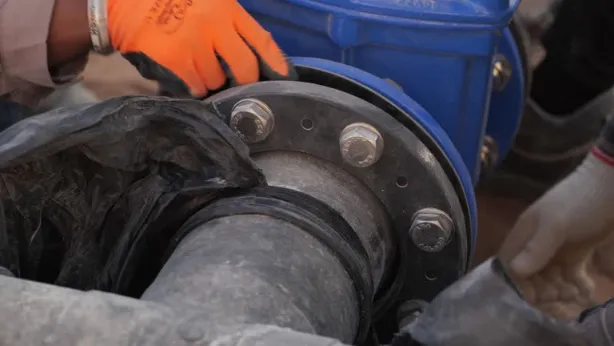
PE borularının klapanlara qoşulması tez-tez uyğunluq problemləri ilə qarşılaşır. PE boruları, HDPE kimi, don’ t metal klapanlar və ya avadanlıqlarla asanlıqla uyğunlaşır.
Bu’ bir flanj adapterinin girdiyi yerlər. Plastik borular və flanjlı cihazlar arasında möhürlənmiş bir körpü kimi fəaliyyət göstərir. Bu məqalədə əlaqə üçün doğru addımlar, materiallar seçimi və izlənməli olan əsas standartlar nəzərdə tutulur.
Flanç Adaptorunun rolu
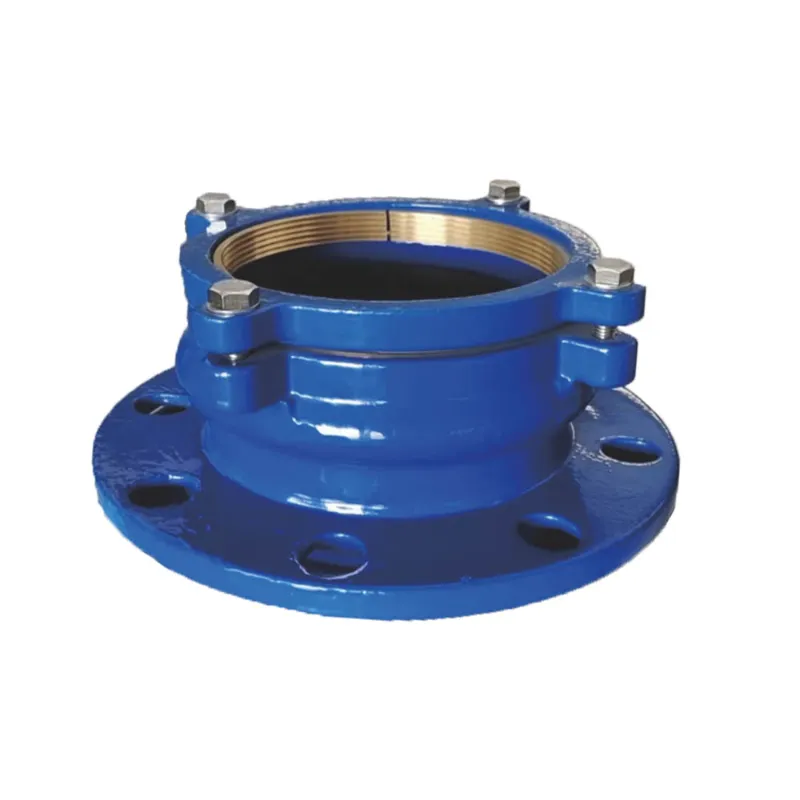
А фланец адаптері PE borularını boru kəməri sistemində metal hissələrə bağlayır. O, klapanlar, nasoslar, axın ölçücüləri və təzyiq ölçücüləri ilə bağlantıları idarə edir. Onsuz sızıntılar və ya uğursuzluqlar tez ortaya çıxarılır.
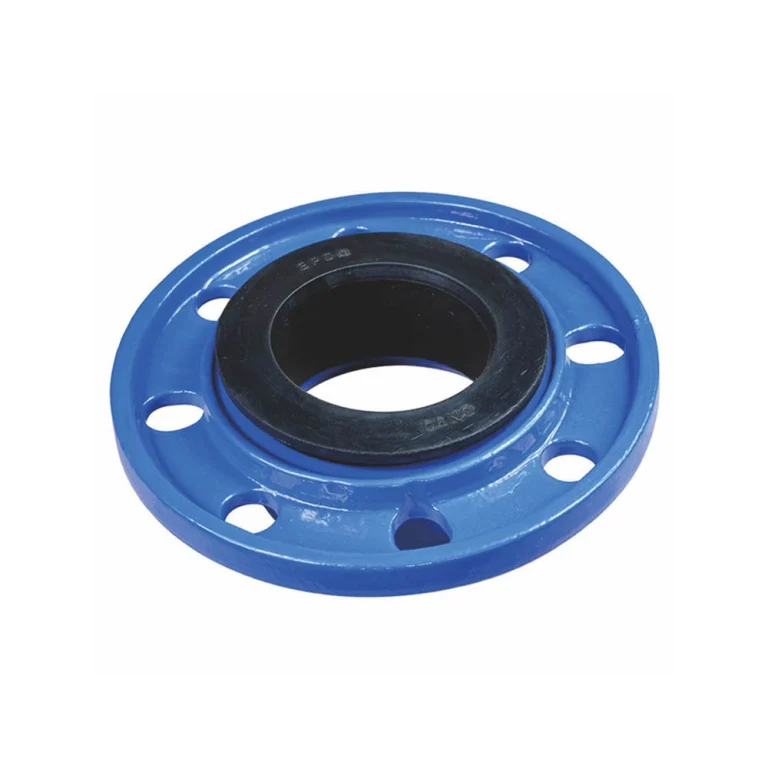
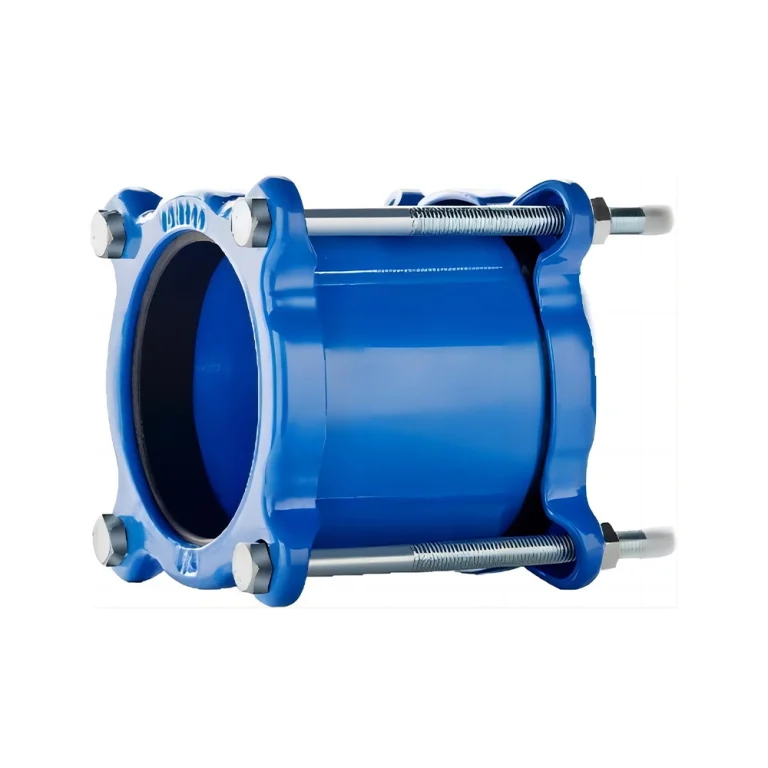
Quruluşu düşünün. Adaptorun bir flanç borusu, bir bezli flanç, bir kauçuk sızdırma və vidalar var. Bu parçalar sıx bir möhür üçün birlikdə işləyir. Qapaq boruya qarşı sıxır, boltlar isə hər şeyi sabit saxlayır.
Conflex kimi istehsalçılar yaxşılaşdırılmış möhürləmə performansı üçün güvercin qurğusu qablaşdırma çubuqları ilə tənzimlənə bilən flanç adapterlərini dizayn edirlər. Bu kiçik dəyişiklik boru ucları kimi çətin yerlərdə böyük fərq yaratır.
Bilməlisiniz Materiallar və Standartlar
Flans adapterləri bərk materiallara etibar edir. GGG50 qurulan dəmir, güc və korroziyaya davamlılıq üçün bədəni təşkil edir. Mühürlər mayeydən asılı olaraq EPDM və ya NBR kauçukda gəlir. Boltlar paslanma ilə mübarizə aparmaq üçün galvanizlənmiş və ya paslanmayan poladdan hazırlanır.
Standartlar işləri etibarlı saxlayır. EN1563 qurulma dəmir keyfiyyətini əhatə edir. ISO4633 rezin möhürləri üçün qaydalar müəyyən edir. EN1092-1 düzgün uyğunluq üçün flanç ölçülərini təyin edir.
Bütün Конфлекция adapterlər uyğunluğu və ardıcıl möhürləmə keyfiyyətini təmin edən EN 1092 və ISO 4633 standartlarına uyğundur. Bunları atlayın, və siz xətt aşağı uyğun olmayan hissələr riskə düşürsünüz.
Bəzən insanlar bolt materialını görməzlikdən gəlirlər. Duzlu mühitlərdə paslanmayan hər dəfə galvanizlənir. Bu’ Daha sonra baş ağrısını xilas edən bir detal.
Adım-addım: PE borusunu klapanla necə bağlamaq olar
Təhlükəsiz bir bağlantı üçün bu addımları izləyin. Yaxşı hazırlaşın və iş hamar gedir.
Addım 1 PE Boru Sonu hazırlayın
Təmiz bir kəsilmələ başlayın. Kvadrat kənarı üçün boru kəsici istifadə edin. Sonra asanlıqla daxil edilmək üçün sonu çamlayın. Kir və ya zərəbələri silmək.
Xarici diametri yoxlayın. Bu adapter uyğun olmalıdır’ S spesifikasiyaları. Burada uyğunsuzluq problemlərə səbəb olur.
Addım 2 Boru daxil edin və Gasket yerləşdirin
Boruyu adapterə sürüşün. EPDM və ya NBR sıxıştırmasının onun çuxurunda oturduğundan əmin olun.
Lazım olduqda yağlayın, lakin don’ t həddindən artıq. Təlimatlarda tez-tez E dəyəri olaraq qeyd olunan yerləşdirmə dərinliyinə baxın. Bunu səhv edin və möhürlər uğursuz olur.
Addım 3 Flans uyğunlaşdırın və Boltları bərabər şəkildə sıxın
Valf’ ilə adapter flange xətti; s. Boltlar və fındıqlar daxil edin. Ulduz nümunəsində, diagonal olaraq sıxın. Qeyri-bərabər təzyiqdən qaçınmaq üçün bunu mərhələlərdə edin. Tork PN10 və ya PN16 kimi reytinqdən asılıdır.
PN10 üçün daha aşağı tork hədəfləyin. PN16 daha yüksək təzyiqi idarə etmək üçün daha çox ehtiyac duyur. Burada tork açarı kimi alətlər kömək edir.
Addım 4 Təzyiq Test və yoxlama
Birləşdikdən sonra sızıntılar üçün test edin. Mühürləmə təzyiqi yoxlamaları üçün EN12266-1-ə riayət edin. Təziyyətdə damlalar və ya damlalar axtarın. Tam istifadədən əvvəl hər hansı bir problemi həll edin.
Təziyyət testləri zamanı, Konfleks adapterləri müstəqil laboratoriya yoxlamasında 2,5 MPa möhürləmə standartlarına davamlı olaraq cavab verir. Bu etibarlılıq real dünya quruluşlarında göstərilir.
Ümumi Bağlantı Problemləri və Onlardan necə Qaçınmaq olar
Baş ağrılarının siyahısının üstündə sızıntılar var. Onlar zəif sıxılma yerləşdirilməsindən və ya qeyri-bərabər bolt sıxılmasından gəlir. Həmişə tənzimlənməni ikiqat yoxlayın. Boruların ’ t düz kəsilmək. İşləri səviyyədə saxlamaq üçün təlimatlardan və ya jiglərdən istifadə edin.
Boltlar zaman keçdikcə titrəmədən boşalır. Kilid yuyucuları və ya iplik dolapları bunun qarşısını alır. İstilik genişlənməsi və sıxılması ekstremal havada möhürləri qırıb çıxara bilər. Dövlətləri udurmaq üçün çevik sıxışdırıcıları olan adapterləri seçin.
Bir hiylə: Orta müddətdə quraşdırın. Plastiklər sərtləşdikdə soyuq çarpışlarda tələsmədən çəkinin.
Preventiv addımlar müntəzəm yoxlamaları əhatə edir. Kiçik problemləri erkən çəkin. Qatar heyəti də tork nümunələrində çalışır. Bütün bunlar daha az geri zəng əlavə edir.
Layihəniz üçün doğru flanç adapterini seçmək
Adaptoru ehtiyaclarınıza uyğunlaşdırın. Boru ölçüsü DN50-dən DN600-ə qədər gedir. Təziyyət qiymətləri PN10 və ya PN16-a çatıb. Mediaya baxın. Təmiz su? EPDM-ə gedin. Kanalizasiya və ya neytral maye? NBR daha uyğun ola bilər.
Flançalar EN və ya ANSI sistemlərini izləyin. Yenidən işləmədən qaçınmaq üçün uyğunluğu təmin edin. Conflex, həm EN 1092-2, həm də ANSI flanjları ilə asanlıqla uyğunlaşmasına imkan verən tam ölçülü tənzimlənə bilən flanç adapterləri təklif edir. Bu rahatlıq əksər layihələri əhatə edir.
Don’ Saytın şərtlərini unutmayın. Dəfn edilmiş xəttlər əlavə korroziya qorunması lazımdır. Yerin yuxarısında? UV müqaviməti daha az əhəmiyyətlidir. Xərcləri keyfiyyətə qarşı çəkin. Ucuz variantlar yüksək bahis sistemlərində sürətlə uğursuz olur.
Tətbiq və istifadə halları
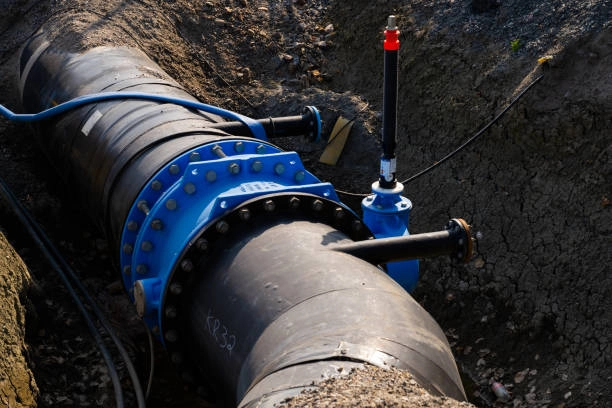
Flans adapterləri şəhərin su təchizatında parlayır. PE şəbəkəsini qarışıqlıq olmadan idarəetmə klapanlarına qoşurlar. Sənaye suyunun təmizlənməsində boruları nasoslara və soyutma qüllələrinə bağlayırlar. Etibarlılıq əməliyyatları sürətləndirir.
Kənd təsərrüfatı onları suvarma və drenaj üçün istifadə edir. Sürətli quraşdırma sahələrdə vaxt qənaət edir. Kanalizasiya şəbəkələri də faydalanır. Adaptorlar nasos stansiyalarında müxtəlif təzyiqləri idarə edirlər. Hətta yanğın sistemləri də onlara etibar edir. Sürətli bağlantılar daha sürətli cavab vaxtları deməkdir.
Bir vəziyyət: Bir bələdiyyə yeniləməsi köhnə metalı PE ilə əvəz etdi. Adaptorlar boşluğu kəsdi, işsizlik müddətini azaldı.
Son fikirlər: Müasir boru kəmərləri üçün etibarlı bağlantılar
Flans adapterləri sürətli, möhürlənmiş bağlantılar təmin edir. Onlar qarışıq sistemlərdə uyğunluğu artırırlar. üstünlükləri: asan quraşdırma, güclü möhürlər və standart uyğunluqlar. Müasir boru kəmərləri bundan inkişaf edir.
Qiymətdən keyfiyyətə diqqət yetirin. Standartlara uyğun olun və quruluşunuz davam edir. Heç bu kimi kiçik hissələrin böyük sistemləri bir araya qoyduğunu gördünümüz? Bu’ borularda sayılan detallar.
Doğru adapter ölçüsünü və ya təzyiq qiymətini seçməkdə köməyə ehtiyacınız var?
Xüsusi mühəndislik təlimatı üçün Conflex mütəxəssislərinə məsləhətləşin.
Tez-tez verilən suallar
S: PE borusunu PE borusuna necə bağlamaq olar?
PE-PE üçün flanşları atlayın. Elektro birləşmə və ya butt birləşmə istifadə edin. Təmiz uçlar, birləşmə maşınında uyğunlaşdırılır, 200-240 ° C-ə qədər qızdırılır, sonra birlikdə basın. Tam soyuq. Eyni material üçün sürətli və sızıntı davamlı.
S: Bir flanç adapteri nə edir?
PE borusunu klapanlar və ya nasoslar kimi flanjlı metal dişlərə bağlayır. Adaptor PE ucunu sıxılma sıxılması ilə tutur, flanç isə möhürlənmiş bir keçid üçün metal tərəfə boltalanır.
S: Bir boru bir flanşa necə uyğunlaşdırılacaq?
Boru kvadratını kəsin, kənarını çamfer edin. Adapterə sürüşün’ s bədən, seal oturmaq. Flanç deliklərini cütləşmə hissəsi ilə uyğunlaşdırın. Boltları daxil edin, spesifikasiya torku üçün çapraz bir nümunədə sıxın. Test təzyiqi sonra.
S: Bir birləşmə və bir flanç adapteri arasındakı fərq nədir?
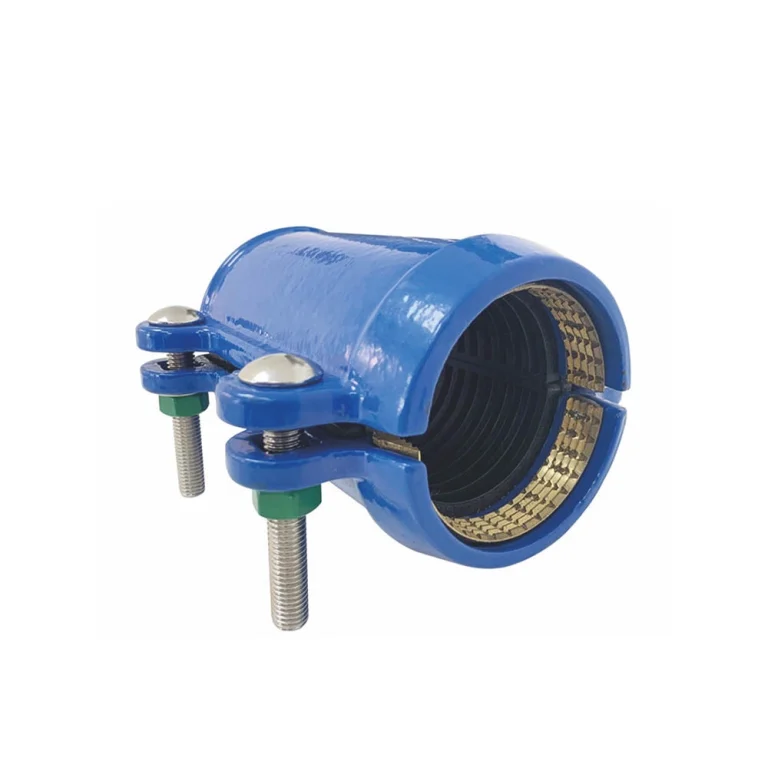
- Муфт: İki PE borusunu uçundan uçuna birləşdirir, heç bir flanç yoxdur, tam plastik.
- Flanç adapteri: Bir PE borusunu flanjlı metal komponentə bağlayır, flanjlı üzə bir bolt əlavə edir.
 Kazakh
  English
  Arabic
  Chinese
  French
  German
  Indonesian
  Italian
  Kyrgyz
  Portuguese
  Russian
  Spanish
  Swahili
  Uzbek
Uzbek