


Standart
ushbu sayt
Bir tarmoqli ta'mirlash qisqichlari
A Flaning adapter Tez-tez so'raladigan savollar
#what-is-non-revenue-water-nrw
#practical-ways-to-reduce-nrw
#how-pipe-repair-clamps-help-reduce-nrw
#benefits-of-using-repair-clamps-in-water-distribution-systems
#common-types-of-pipe-repair-clamps
#single-band-repair-clamps Qo'shin #double-band-and-full-circle-repair-clamps
#stainless-steel-repair-clamps-for-corrosive-environments
#implementing-pipe-repair-solutions-in-african-water-networks
#conflex-pipe-repair-clamp-solutions
#engineering-excellence-and-product-reliability
#adaptability-across-diverse-pipeline-systems
#supporting-sustainable-water-management-goals
#future-outlook-strengthening-africas-water-infrastructure-through-innovative-repair-technologies
#faqs
Mamlakat/mintaqa
zhuxinadmin Author Homepage - Conflex - 26 sahifasi
zhuxinadmin Muallifning bosh sahifasi - Conflex - 26-bet
zhuxinadmin Muallif Bosh sahifa - Conflex - 26-bet
zhuxinadmin Muallif bosh sahifasi - Conflex - 26-bet
zhuxinadmin Muallif bosh sahifasi - Conflex - Laman 26
zhuxinadmin Muallif bosh sahifasi - Conflex - 26-bet zhuxinadmin Muallif bosh sahifasi - Conflex - 26-bet zhuxinadmin Muallif Bosh sahifa - Conflex - Ukurasa 26
zhuxinadmin Muallifning bosh sahifasi - Conflex - 26-bet
Quvur oqishini ta'mirlashda texnik xizmat ko'rsatish xarajatlarini oshiradigan keng tarqalgan xatolar
Sanoat statistikasi shuni ko'rsatadiki, shahar quvurlarini qayta ta'mirlash xarajatlarining 62% dan ortig'i noto'g'ri vaqtinchalik ishlardan kelib chiqadi...
2026-06-11 – Konfleks
Sanoat statistikasi shuni ko'rsatadiki, shahar quvurlarini qayta ta'mirlash xarajatlarining 62% dan ortig'i noto'g'ri vaqtinchalik qisqichlardan kelib chiqadi; noto'g'ri ta'mirlash qisqichi quvurlarning takroriy yopilishiga va suv ta'minoti loyihalari uchun qo'shimcha ishchi kuchi xarajatlariga olib keladi.
Biz ko'pincha turli ish joylarida bir xil muammoning takrorlanishini ko'ramiz. Texnik xizmat ko'rsatish guruhi oqishni tezda to'xtatishi kerak, shuning uchun birinchi savol: "Qaysi qisqichni eng tez o'rnatish mumkin?" Favqulodda vaziyatlarda bu tushunarli. Lekin tanlashdan oldin
, yaxshiroq savol berilishi kerak: "Oqishga nima sabab bo'ldi va bu haqiqiy ish sharoitida qanday ta'mirlash xavfsiz bo'lishi mumkin?"
Flanges Nima uchun quvur oqishini ta'mirlash xarajatlari shunchalik tez oshadi
Quvur oqishi kamdan-kam hollarda shunchaki mahsulot narxi bilan bog'liq muammo hisoblanadi. Ta'mirlash qisqichi, qistirmasi yoki murvat to'plamining narxini hisoblash oson bo'lishi mumkin, ammo to'liq ta'mirlash narxi ancha kengroq.
Quvur oqib ketganda, loyiha suv yo'qotish, yo'l qazish, transport harakatini boshqarish, favqulodda ishchilarni jalb qilish, ish vaqtini o'chirish, kechiktirilgan jadvallar va foydalanuvchilar yoki yaqin atrofdagi ob'ektlarning shikoyatlarini o'z ichiga olishi mumkin. Agar birinchi ta'mirlash muvaffaqiyatsiz bo'lsa, bu xarajatlarning barchasi yana sodir bo'lishi mumkin.
Tegishli ta'mirlash rejasi takroriy oqish ehtimolini kamaytirishi kerak. Shuningdek, u quvur materialiga, tashqi diametriga, bosim darajasiga, oqish shakliga va o'rnatish muhitiga mos kelishi kerak.
1-xato: Haqiqiy sababni topishdan oldin oqish joyini ta'mirlash
Juda tez-tez uchraydigan xato shunchaki aniq oqish joyiga qarash bilan bog'liq. Suv kichik teshikdan tomchilab ketishi mumkin. Biroq, bu muammo ko'pincha chuqurroq muammolardan kelib chiqadi. Bu sabablarga zang, suv bosimining o'zgarishi yoki quvurlarning siljishi kiradi. Noto'g'ri o'tmishdagi o'rnatishlar va tashqi ta'sirlar ham bu teshiklarni hosil qiladi.
Ekipajlar yechimni tanlashdan oldin aniq muammoni tekshirishlari kerak. Ular aniq zararni aniqlashlari kerak. Bu igna teshigidagi oqma, bo'ylama yoriq yoki aylana bo'ylab yoriq bo'lishi mumkin. Boshqa muammolarga bo'g'imning oqishi, korroziyaga uchragan joy yoki shikastlangan urish nuqtasi kiradi.
2-xato: Quvurning tashqi diametrini tasdiqlamasdan qisqichni tanlash
Quvurning tashqi diametri quvur oqishini ta'mirlashda eng muhim detallardan biridir. Biroq, bu e'tibordan chetda qoldirish oson bo'lgan detallardan biridir. Ko'pgina xaridorlar faqat DN o'lchamini yoki nominal quvur o'lchamini taqdim etadilar.
Muammo shundaki, turli quvur materiallari nominal o'lchamlari o'xshash bo'lsa ham, tashqi diametrlari har xil bo'lishi mumkin. Po'lat quvur, egiluvchan temir quvur, PVX quvur va HDPE quvurlari turli standartlarga javob berishi mumkin. Agar qisqich haqiqiy tashqi diametrga mos kelmasa, qistirma bir tekis siqilmasligi va muhr ishlamay qolishi mumkin.
3-xato: Quvur materiali va sirt holatini e'tiborsiz qoldirish
FAQ
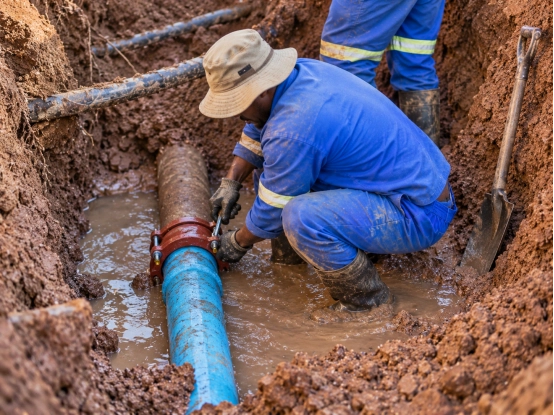
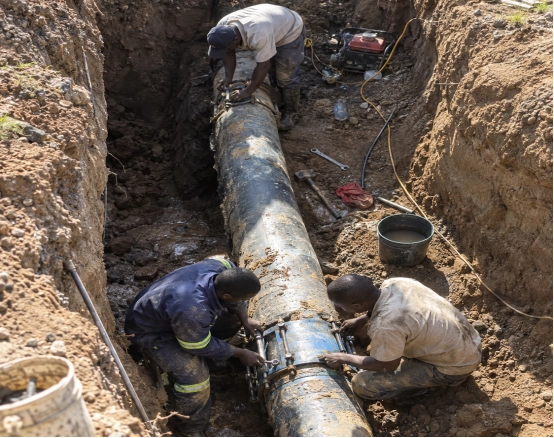
Quvurni ta'mirlash qisqichi qistirmani quvur yuzasiga bosish orqali muhrlaydi. Bu shuni anglatadiki, quvur yuzasi muhrlash tizimining bir qismidir. Agar quvur yuzasi notekis, kuchli korroziyaga uchragan, zang shkalasi bilan qoplangan yoki oqish nuqtasi atrofida shikastlangan bo'lsa, qisqich o'lchami to'g'ri bo'lsa ham, qisqich yaxshi muhrlanmasligi mumkin.
Turli quvur materiallari ta'mirlash paytida ham har xil ishlaydi. Egiluvchan temir quvur odatda barqaror, ammo eski qoplama va sirt korroziyasini tekshirish kerak. PVX quvuri nazorat ostida tortish kuchini talab qiladi, chunki ortiqcha bosim quvurga zarar etkazishi mumkin. HDPE quvuri moslashuvchanroq, shuning uchun sirt deformatsiyasi va quvur harakatiga e'tibor berish kerak.
taqdim etadi
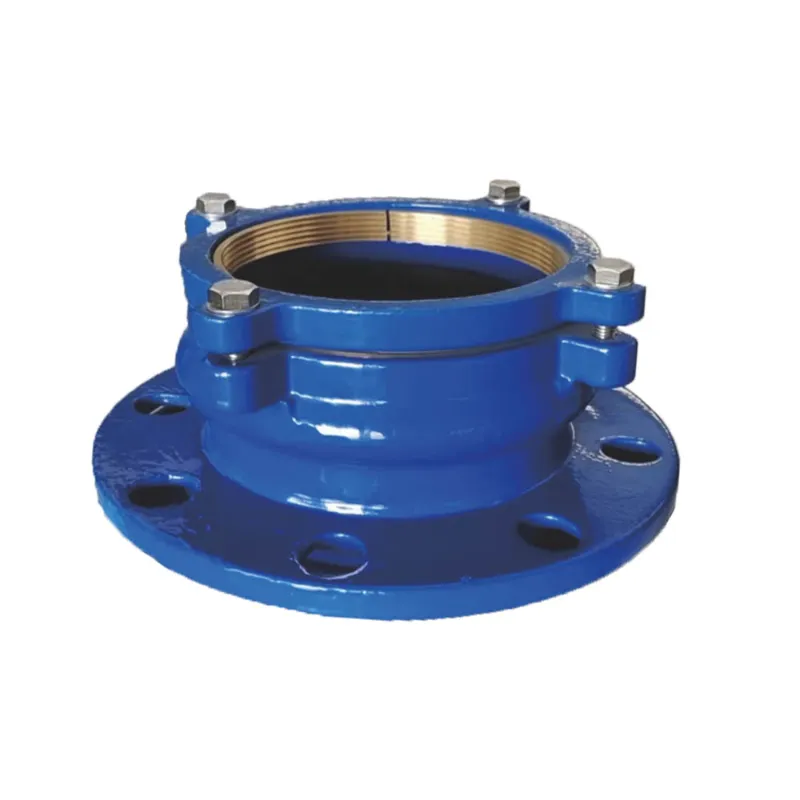
ulanish yechimlari
turli xil materiallardan tayyorlangan quvurlarni samarali ulash imkonini beruvchi turli xil quvur materiallari uchun mos keladi.
4-xato: Noto'g'ri qistirma materialini tanlash
Qistirgich kichik bir detal emas. Bu bevosita muhrlash samaradorligi va uzoq muddatli ishonchlilikka ta'sir qiladi. Ichimlik suvi, oqava suv, gaz, moy yoki kimyoviy quvurlar uchun ishlatiladigan ta'mirlash qisqichi turli xil qistirgichlarni hisobga olishni talab qilishi mumkin. Ichimlik suvi loyihalari uchun materiallarning mosligi va xavfsizlik talablari ayniqsa muhimdir. Oqova suv yoki sanoat quvurlari uchun kimyoviy qarshilik muhimroq bo'lishi mumkin.
- O'rashFaqat narxiga qarab qistirmani tanlash o'rnatishdan keyin shishib ketishi, qattiqlashishi, qarishi yoki muhrlanishning buzilishiga olib kelishi mumkin. Conflex ichimlik suvi, kanalizatsiya va sanoat kimyoviy quvurlari uchun WRAS tomonidan sertifikatlangan EPDM/SBR/NBR qistirmalarini alohida yetkazib beradi, bu esa rezina shishishi va qarish oqishini oldini oladi, BS6920 ichimlik suvi standartiga to'liq mos keladi.
- 5-xato: Faqat normal ish bosimiga qarashAslida, quvur liniyasi nasosni ishga tushirish-to'xtatish sikllari, klapanlarni yopish, bosimni sinovdan o'tkazish, mavsumiy talab o'zgarishi yoki suv bolg'asi sharoitida bosim o'zgarishiga duch kelishi mumkin.
 Uzbek
Uzbek  English
  Arabic
  Chinese
  French
  German
  Indonesian
  Italian
  Kazakh
  Kyrgyz
  Portuguese
  Russian
  Spanish
  Swahili