




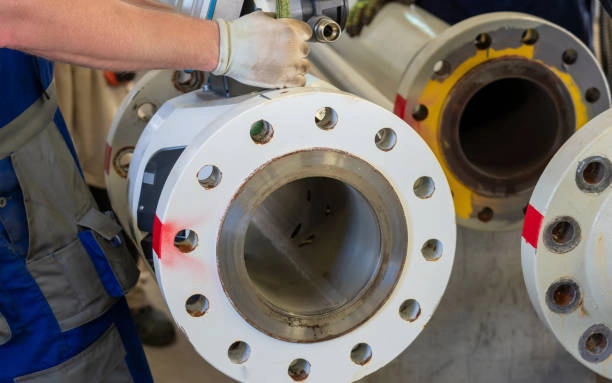
Before picking between flanged and threaded fittings for your piping setup, it’s wise to check your working needs. These two types of fittings do different jobs. They depend a lot on system pressure, kind of fluid, and upkeep demands. Flanged links often work best in high-pressure factory situations. Threaded fittings suit smaller, more bendy arrangements.
Key Differences Between Flanged and Threaded Connections
Connection Mechanism and Structural Design
Flanged links use bolts and gaskets to hold joint ends. This bolted setup gives a firm and steady seal. It works well with pressurized stuff. Threaded fittings join with screw threads. They fit small diameter pipes where fast putting together is wanted. The build of flanged setups usually fights vibration and outside stress better. This matters in busy or risky spots.
| Feature | Flanged Connections | Threaded Connections |
| Joining Mechanism | Bolts and gasket | Screw threads |
| Pipe Diameter Range | Medium to large | Small |
| Vibration Resistance | High | Low to moderate |
| Seal Integrity | Very strong | Depends on thread seal quality |
Material Compatibility and Application Scope
Flanged fittings handle many materials. This includes carbon steel flange types. But threaded fittings show up more in brass or stainless steel. The pick often hinges on the fluid moved, like water, oil, or gas. It also depends on heat levels. For example, oil pipes with big heat loads pick carbon steel flanges. They offer good strength and fit.
Strength and Durability in Piping Systems
Performance Under Pressure and Temperature Variations
Flanged joints handle higher pressures. They also deal with growth from heat changes. So, they fit steam lines, high-pressure water setups, and factory chemical work. Threaded links can loosen from shakes or repeated heat ups and downs. That might cause drips as time goes on.
- Flanged systems suit high-cycle jobs.
- Threaded fittings do best in steady heat spots with little pressure change.
Resistance to Corrosion and Mechanical Stress
A joint’s lasting power isn’t just about pressure. It also ties to what it’s out in. Carbon steel flange types can get coatings or mixes to boost rust fight. They last well even near the sea or in harsh chemical spots. Threaded links have weak spots at thread bottoms. Those can start rust or tiredness breaks. Coatings help protect. But they can’t fix the built-in weak points.
Installation Requirements and Maintenance Considerations
Ease of Assembly and Disassembly
Threaded fittings install pretty easy. You just need a pipe wrench and thread sealant. No fancy tools. They help in tight spots or short-term jobs. Flanged setups need good lining up and torque watch when bolting. Yet, they come apart easier for big pipe fixes.
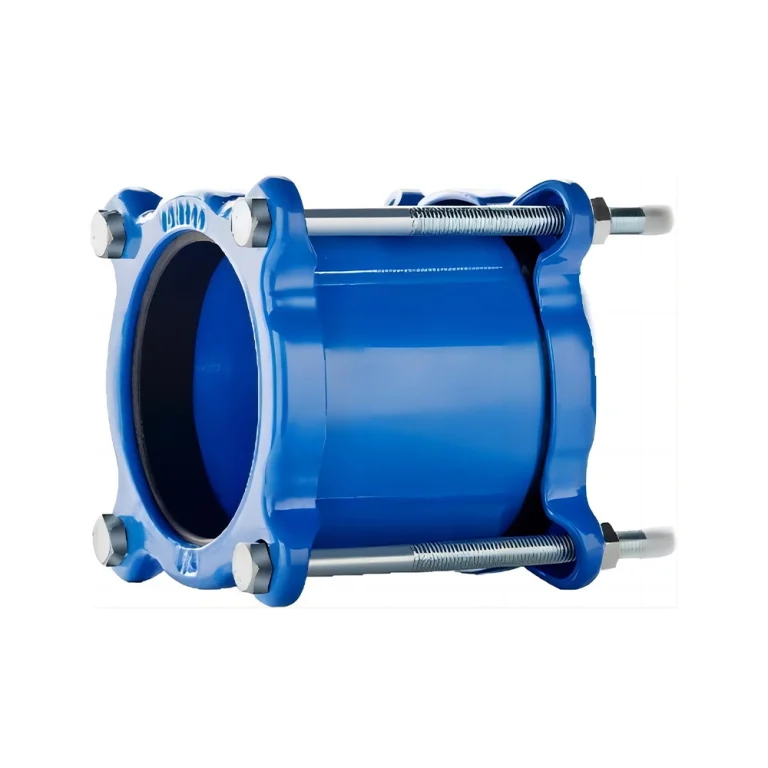
Conflex gives bendy link choices. They make upkeep easier without losing trust.
Inspection Frequency and Long-Term Maintenance Needs
For setups that need often checks or part swaps, flanged links give better reach. You can unbolt sections without slicing the pipe. Threaded joints might want retightening now and then to stop leaks. This is key if heat grows or shakes hit. Upkeep plans should think about how easy to get to the system is. Also, how much stop time you can handle.
Cost Factors in Choosing Fitting Types
Initial Investment vs Operational Longevity
Threaded fittings cost less at the start. So, they draw folks for home or light business uses. But in spots where long-run steadiness counts, like chemical plants or oil refineries, flanged groups may give better full-life worth. Even with bigger starting price.
- Threaded: lower cost, higher chance of maintenance.
- Flanged: higher cost, lower risk over time.
Labor Costs Associated with Installation Time
Threading cuts work hours at setup. It’s simple. Flanged installs take more time. That’s from bolt tighten steps and gasket spots. But they give longer run times with fewer drip problems.
For big factory uses, Conflex fixes help match setup speed with build strength.
Application-Based Recommendations for Fitting Selection
Low Pressure vs High Pressure Systems
- Use threaded fittings where pressures stay low and fluid isn’t risky, like home water lines.
- Pick flanged connections for high-pressure setups such as oil pipelines or steam spread nets.
Fixed vs Removable System Components
If your setup needs regular cleaning or part changes, like filters or valves, flanges help a lot. On the other hand, if it’s something that stays put for years, such as buried lines or fire sprinkler systems, threaded fittings might work fine.
Practical Guidelines for Installation Planning
Evaluating Pipe Size, Accessibility, and Environment
Pipe size matters a bunch. For sizes over 2 inches, flanges make more sense. That’s because threading big pipe ends gets tough. In cramped areas, like under floors or behind walls, threaded fittings handle easier.
Coordinating with System Design Standards
Always match ANSI/ASME flange standards when planning flanged setups. This keeps pressure levels and bolt setups the same across parts.
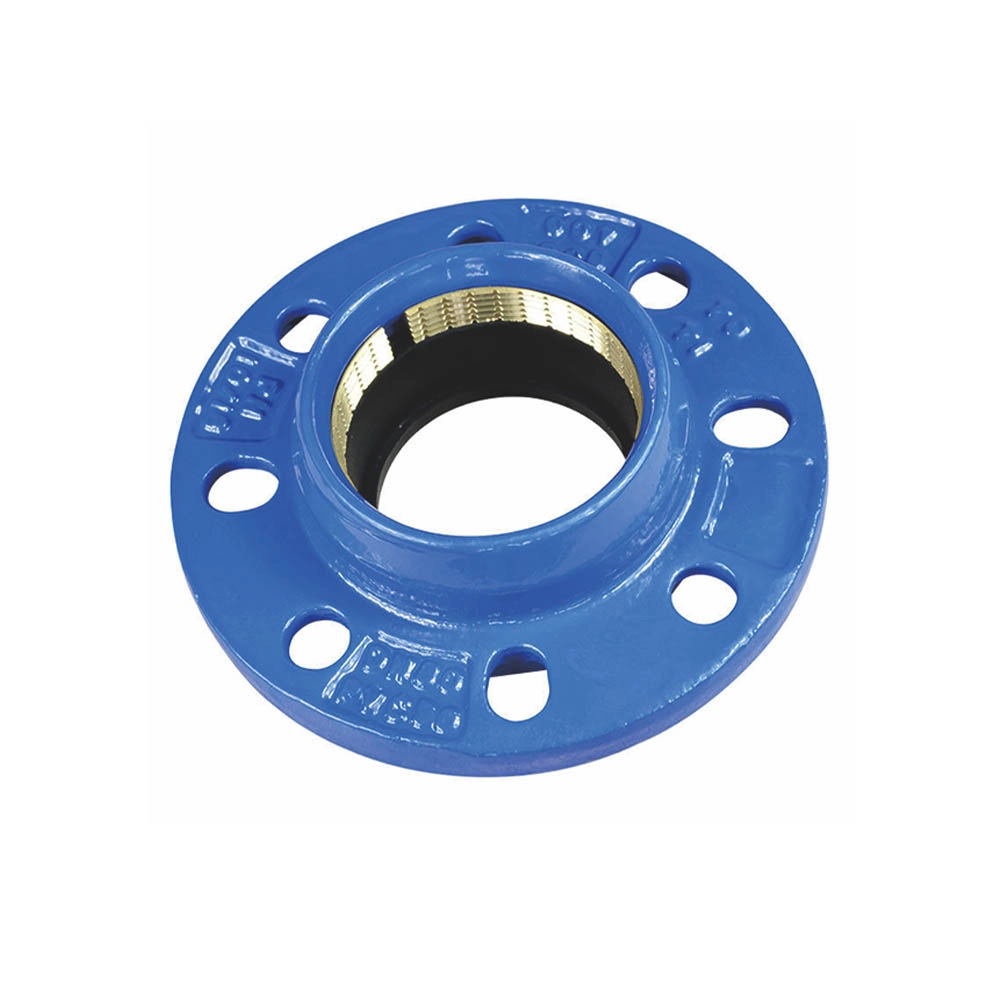
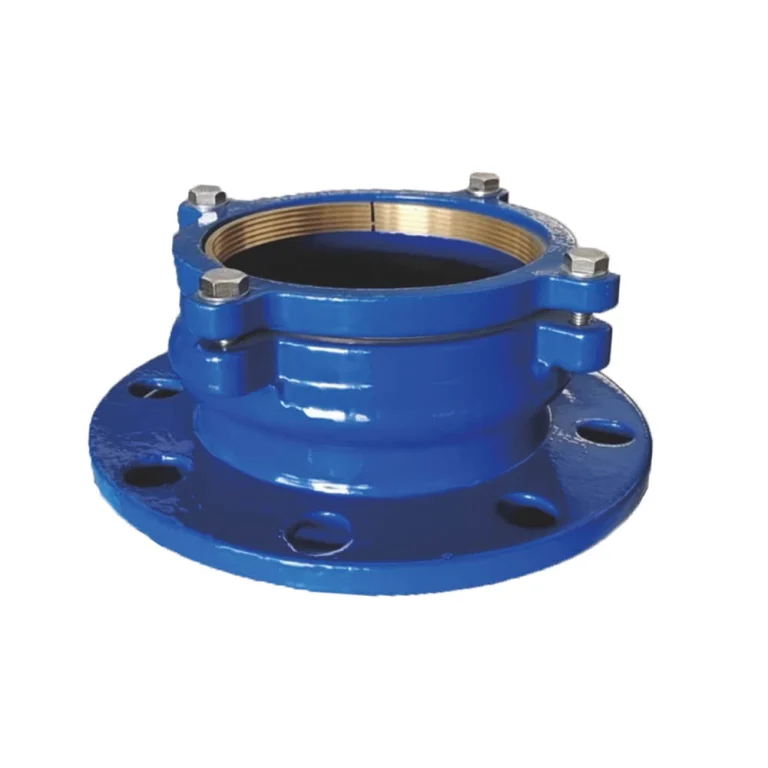
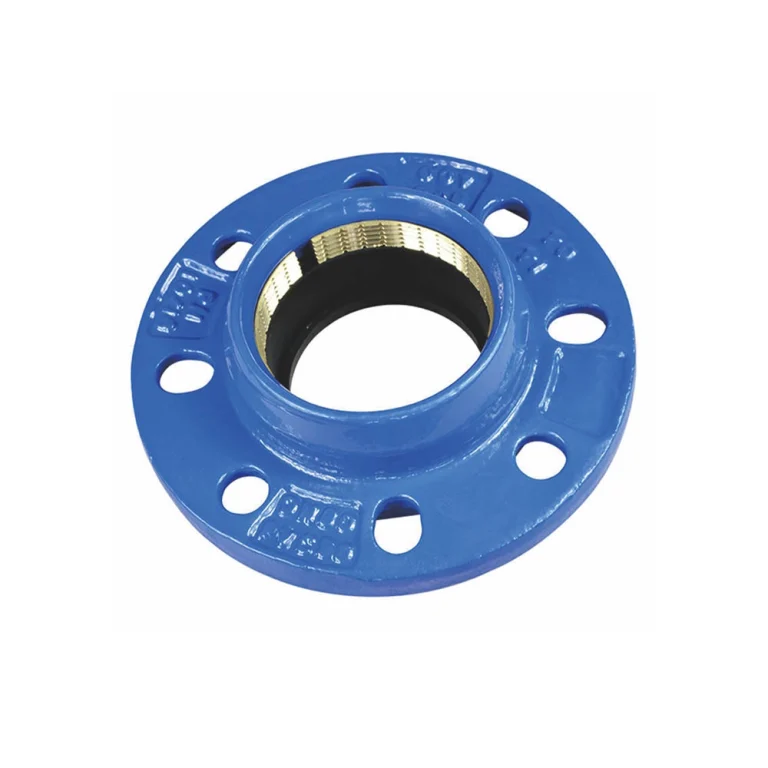
Conflex offers flange adaptor solutions that ease matching across different pipe setups.
Optimizing System Reliability Through Smart Connection Choices
Balancing Safety Standards with Operational Efficiency
Right link pick affects more than just setup. It touches safety, run time, and growth later. Wrong match with safety rules can cause breaks. Those cost way more than any early saves.
- Match fitting type to your setup’s long-run needs.
- Don’t trade steadiness for quickness in key jobs.
Leveraging Manufacturer Support for Custom Applications
Not every job fits ready-made fixes. In those cases, talk to makers who know custom fittings.
Team up with special makers like Conflex to get bendy link answers made for your job’s details.
FAQ
Q1: Can I use flanged connections in residential plumbing?
Yes, but it’s not common because of space and money limits; threaded fittings usually get picked.
Q2: Are carbon steel flanges suitable for corrosive fluids?
When coated right or mixed, carbon steel flanges handle lots of rusting spots well.
Q3: How often should threaded joints be inspected?
Based on setup conditions, checks every 6–12 months happen in shake-heavy places.
Q4: What’s a flange adaptor used for?
A flange adaptor links different pipe ends or lets quick switch between joint types.
Q5: Do threaded fittings require thread sealant?
Yes—stuff like PTFE tape or pipe dope is key to make leak-proof links.
 English
  Arabic
  Chinese
  French
  German
  Indonesian
  Italian
  Kazakh
  Kyrgyz
  Portuguese
  Russian
  Spanish
  Swahili
  Uzbek
Uzbek