




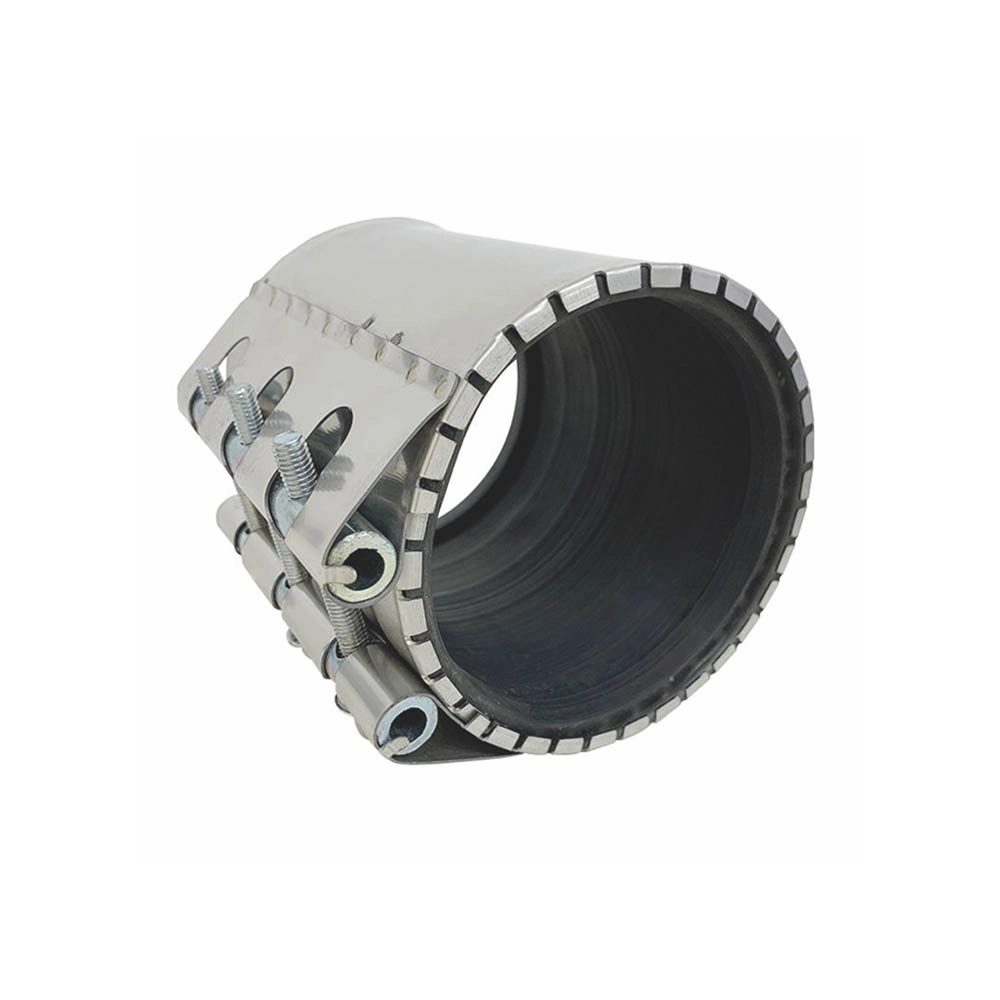
Mitambo ya bomba kuunda msingi wa leo’ ya vifaa. Hata hivyo, makosa madogo ya kuanzisha yanaweza kuleta gharama kubwa ya kusimamisha na kurekebisha. Uhifadhi wa kutengeneza umevunja kila sehemu. Kila mtu anahitaji huduma sahihi na kufikiri mbele. Njia kuu ya kuzuia matatizo haya ni kujua sababu zao za msingi. Kisha weka katika kukarabati kiungo kupimwa kama bomba couplings, mpira upanuzi viungo, na kukarabati clamps. Hizi huweka kuweka imara chini ya shinikizo.
Misalignment na vigumu Fit-Up
Sababu za upotovu
Misalignment huanza njia kabla ya kulehemu kicks mbali. vibaya ukubwa kuangalia au mipango mbaya spark safu ya masuala. Hii inahusu mfumo kamili. Mafuta ya uchafu au misingi ya wobbly ya bomba la nudge huchukua mbali na mstari. Wakati huo huo, kukata au welds kuongeza angle slips. Hizi hufanya kujiunga kuwa ngumu. Katika kazi kubwa, mm chache tu makosa huvuta ngumu katika kila eneo la kujiunga.
Ufumbuzi wa Kupata Upatikanaji
Ili kurekebisha ukosefu wa usawa, wahandisi hutegemea sehemu zenye kubeba zilizojengwa ili kuzuia mabadiliko:
- Adapta za Flangekusaidia kuunganisha bomba na tofauti ndogo angular au axial.
- Viungo vya kuvunjikarahisi marekebisho wakati wa ufungaji au matengenezo.
- Sliding sleeves au upanuzi vifaakukabiliana tofauti ndogo nafasi bila kuharibu utendaji muhuri.
Mtengenezaji kama Conflex, anayejulikana kwa uhusiano wake wa bomba la viwanda na bidhaa za matengenezo, hutoa vifaa vingi hivi vinavyoruhusu wawekaji kufikia usambazaji sahihi hata katika hali ngumu za tovuti.
Kuvuza kudumu katika Flanges na Connections
Sababu za kawaida za kuvuja
Flange kuvuja juu ya orodha ya kawaida bomba inashindwa. Wao hutoka kwa kuchagua gasket mbaya au kuanzisha sloppy. Uneven bolt kugeuka kufanya spot shinikizo kujenga. Hii inaruhusu juice kuvuja nje. Kwa muda, kusaga na chem hits kuvaa mihuri chini. Hivyo wanaondoa ujuzi wa kuingia.
Ufumbuzi wa kuzuia kuvuja
Kuzuia kuvuja inahitaji ujuzi wa mambo na hatua za kudumu:
- Chagua vifaa vya gasket sahihi kwa joto, shinikizo, na utangamano wa vyombo vya habari.
- Fuata mfululizo wa torque ilipendekezwa na wazalishaji kuhakikisha hata compression.
- Kufanya ukaguzi wa mara kwa mara na kuchukua nafasi ya gaskets kuzeeka kabla ya kushindwa.
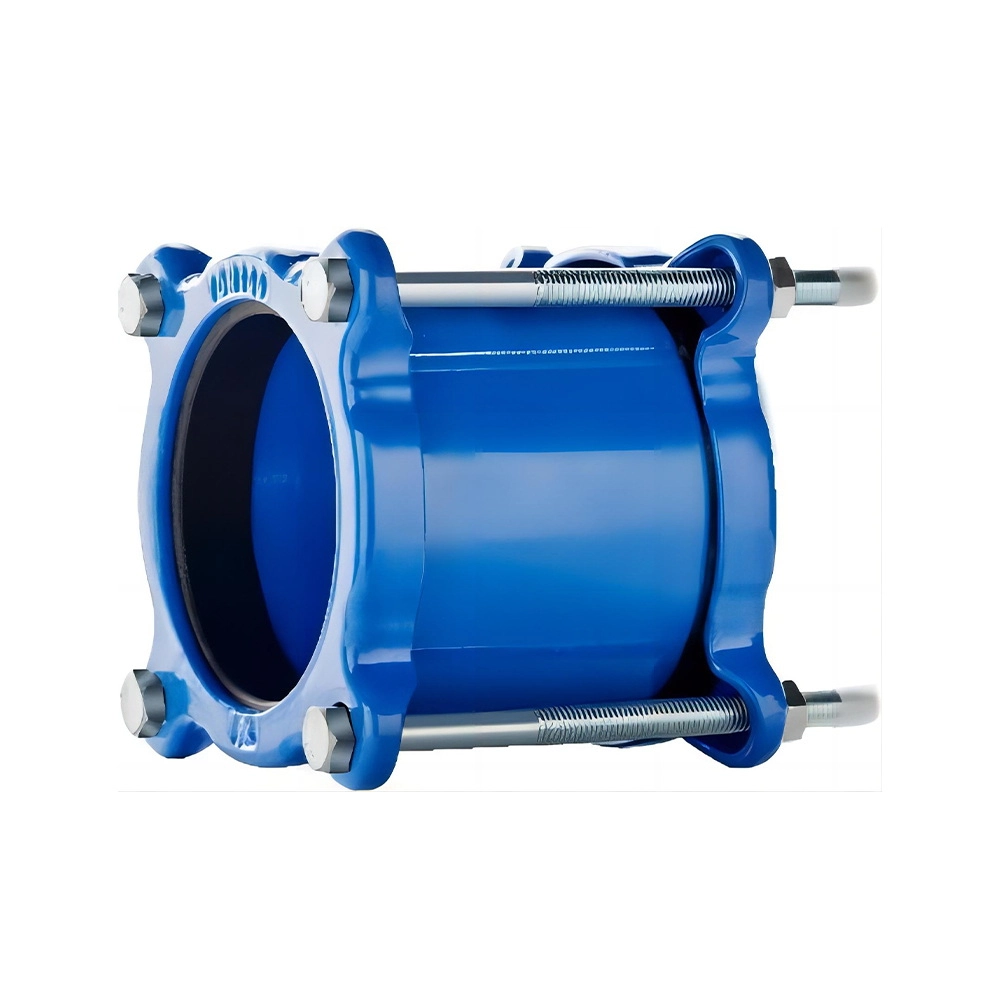
Mara nyingi, bomba coupling na kujengwa katika muhuri bits hutoa kuchagua bora juu ya ngumu flange uhusiano. Inaenea uzito laini karibu na kanda ya bomba.
Upanuzi wa joto na contraction kusababisha stress
Kuelewa Athari za Upanuzi wa joto
Kubadilika kwa joto hufanya bomba likua katika joto na kupungua katika baridi. Kiwango kidogo kwa kidogo, hii nyuma na mbele kuvuta juu ya joins na anchors. Kama mipango ya kupuuza, vifungu au kuvuja pop up. Hii huchuma mbaya zaidi katika mistari ndefu iliyopigwa na jua au kufichwa chini ya uchafu na joto la juu na chini.
Ufumbuzi wa Kusimamia Upanuzi wa joto
Ili kukabiliana na jambo hili la kila siku:
- Kufunga mpira upanuzi viungoambayo kunyonya harakati axial wakati kutenga vibration.
- Matumizi sliding msaada hivyo bomba inaweza kuhamia huru bila kuhamisha nguvu kwa vifaa viunganisho.
- Kubuni upanuzi loops katika mpangilio ambapo nafasi inaruhusu kwa ajili ya kubadilika kudhibitiwa.
Hatua hizi zinaongeza miaka ya kuanzisha kwa kuwezesha kuvuta welds na mihuri.
kutu na vifaa incompatibility
Mambo yanayosababisha kutu
Rust kuficha hadi baadaye. Maji yanaingia, chem inapiga, au chuma mchanganyiko husababisha athari za nguvu. Hizi zina ngozi za chuma. Ikiwa vitu vibaya vinaungana, sema chuma cha kaboni kwa pua, kasi ya kutu hupotea katika maeneo ya kukutana.
Ufumbuzi wa kuzuia kutu
Mipango nzuri ya kuacha inafunika:
- Kuchagua vifaa sugu na hali ya mazingira kama vile maji ya chumvi au mvuke asidi.
- Kutumia mipako ya ulinzi kama epoxy au zinki-msingi primers.
- Kutumia vifaa vya kutengwa kati ya chuma tofauti kuvunja uendelezaji wa umeme.
Makampuni kama vile Conflex ugavi vifaa coated na vifaa kutengwa hasa uhandisi kwa ajili ya mazingira magumu viwanda ambapo udhibiti kutu ni muhimu.
Mahitaji ya kukarabati dharura (kuvuja au kuvuja kubwa)
Kutambua hali ya dharura
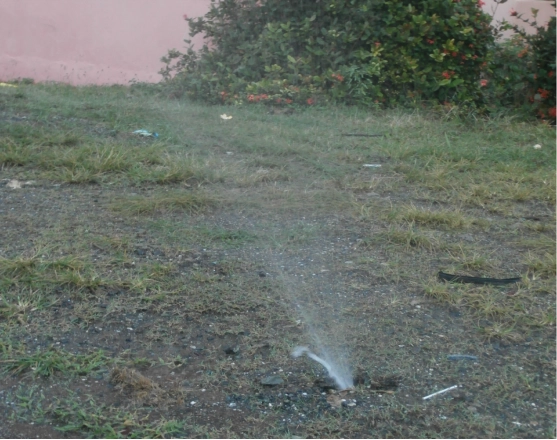
Kama bomba lipuka au kupata kuvuja kubwa, jibu la haraka ni muhimu zaidi. Maelezo yanaonyesha kama matokeo ya haraka katika ukaguzi wa shinikizo au maji yanayoonekana yanakusanyika karibu na mistari iliyofichwa. Kupunguza hasara ya bidhaa na uharibifu wa ardhi.
Suluhisho za Matengenezo ya Dharura
Dharura fixes benki juu ya sehemu haraka-kuweka:
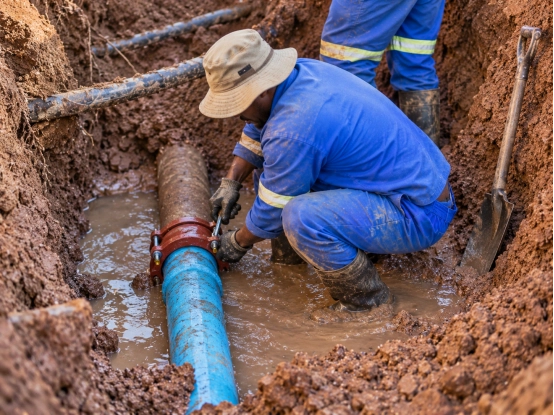
- Bomba za kukarabati bombakutoa muhuri wa haraka bila kufunga mstari mzima.
- Viunganishi vilivyogawanyika hutumika kama viunganishi vya muda hadi vibadala vya kudumu vitakapofika.
- Mfumo wa muda wa kukwepa hudumisha mtiririko huku sehemu zilizoharibika zikitengwa.
Hizi patches haraka kuweka kazi muhimu kuendelea. Wanatoa nafasi kwa ajili ya kazi kamili ya kurekebisha.
Orodha ya Ufungaji wa Mazoezi Bora
Mawazo muhimu kabla ya ufungaji
Maandalizi huweka ushindi:
- Kuhakikisha vipimo vyote mechi muundo vipimo.
- Kuthibitisha vifaa daraja kukidhi mahitaji ya mradi.
- Angalia zana hasa wrenches torque kwa usahihi calibration.
Hatua Wakati wa Ufungaji
Wakati wa kujenga:
- Fuata maelekezo ya mtengenezaji hasa kwa kila aina ya sehemu.
- Mara mbili kuangalia alignments kabla ya tightening bolts kudumu.
- Rekodi maadili ya torque kama sehemu ya nyaraka za ubora; ni chafu lakini thamani baadaye wakati wa kutatua matatizo kuvuja au upotovu.
Kutatua matatizo ya haraka Reference
| ya | Inawezekana sababu | Kurekebisha haraka |
| Ubaya | Uneven msaada uso | Kurekebisha kutumia adapters rahisi |
| Kuvuza | Gasket kuvaa au torque isiyo sawa | Kuweka upya gasket; bolts retorque sawa |
| Msingi wa joto | Hakuna ruzuku kwa upanuzi | Ongeza mpira upanuzi pamoja |
| Kutu | Kutolingana kwa nyenzo | Sakinisha kifaa cha kuwekea vifaa vya kujitenga |
| Sehemu ya mlipuko | uharibifu wa mitambo | Tumia bomba kukarabati clamp |
Vikundi vya ujuzi bado hupiga vikwazo vya kushangaza wakati wa kuanza sasa na wakati huo. Mwongozo wa seti kama hii hupunguza muda wa kuacha mengi.
Kwa ajili ya mahitaji yako yote ya ufungaji wa bomba na matengenezo, kuamini Conflex kwa ajili ya vifaa vya ubora wa juu, couplings, na viungo upanuzi. Wasiliana nasi leo kuhakikisha mfumo wako wa bomba ni kujengwa kwa mwisho!
Maswali
Swali: Kusudi kuu la kuunganisha bomba ni nini?
Inaunganisha sehemu mbili za bomba salama wakati kuruhusu kubadilika dhidi ya vibration au misalignment kidogo.
Swali: Jinsi ya kupanua mpira pamoja kupunguza dhiki?
Inanonya harakati zinazosababishwa na upanuzi wa joto, kuteteteza, au mabadiliko ya shinikizo ndani ya mfumo wa bomba.
Swali: Ni wakati gani ninapaswa kutumia clamp ya kukarabati bomba?
Tumia mara moja baada ya kugundua kuvuja au kuvunja kama hatua ya kuzuia ya muda mpaka ukarabati wa kudumu ukakamilika.
Swali: Je, kutu inaweza kuzuia kabisa?
Si kabisa, lakini kuchagua vifaa sahihi na mipako kwa kiasi kikubwa hupunguza maendeleo yake na huongeza maisha ya huduma.
Swali: Kwa nini torque ya bolt ni muhimu katika uhusiano wa flange?
Torque isiyo sawa husababisha usawa wa shinikizo katika uso wa gasket, ambayo mara nyingi husababisha kuvuja mapema chini ya hali ya uendeshaji.
 Swahili
  English
  Arabic
  Chinese
  French
  German
  Indonesian
  Italian
  Kazakh
  Kyrgyz
  Portuguese
  Russian
  Spanish
  Uzbek
Uzbek