




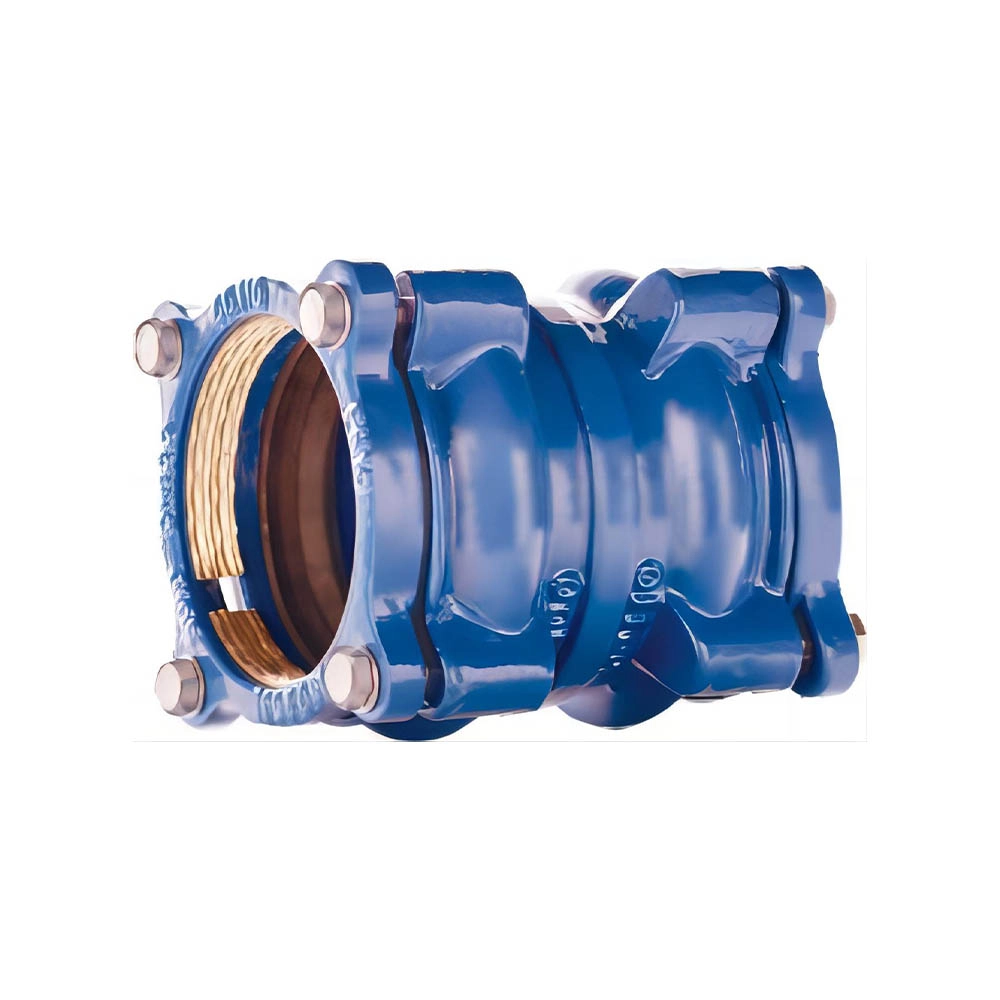
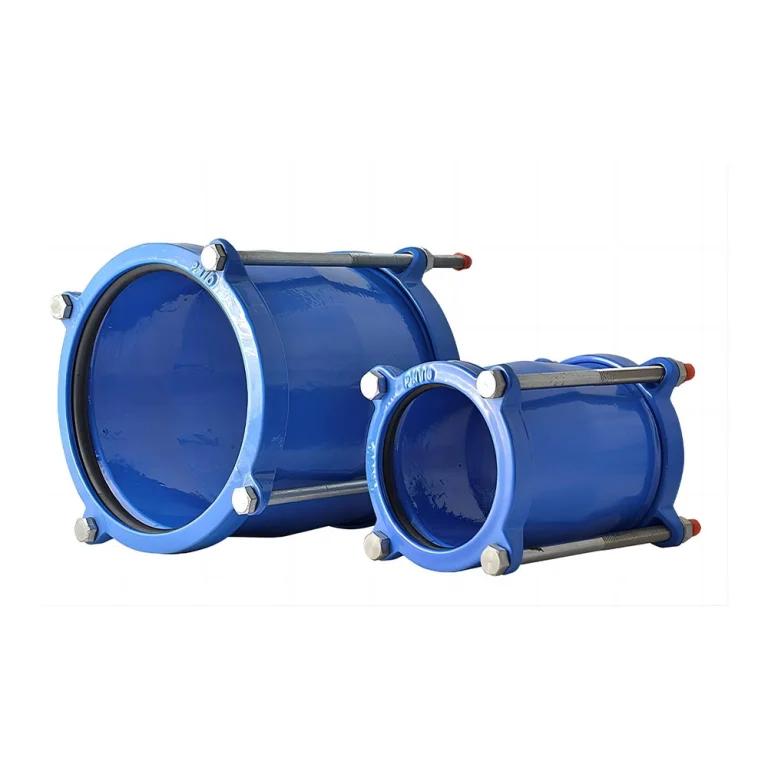
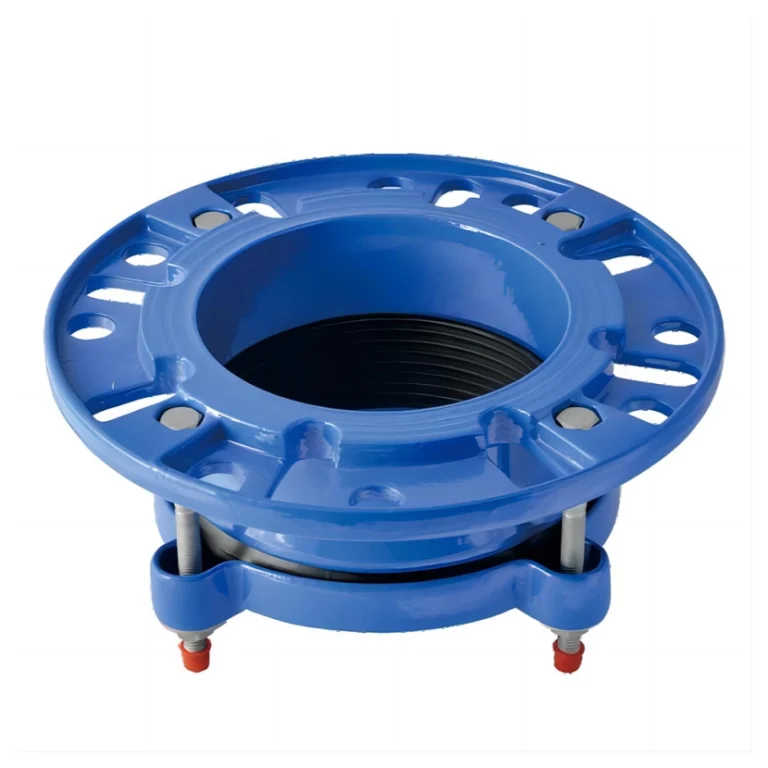
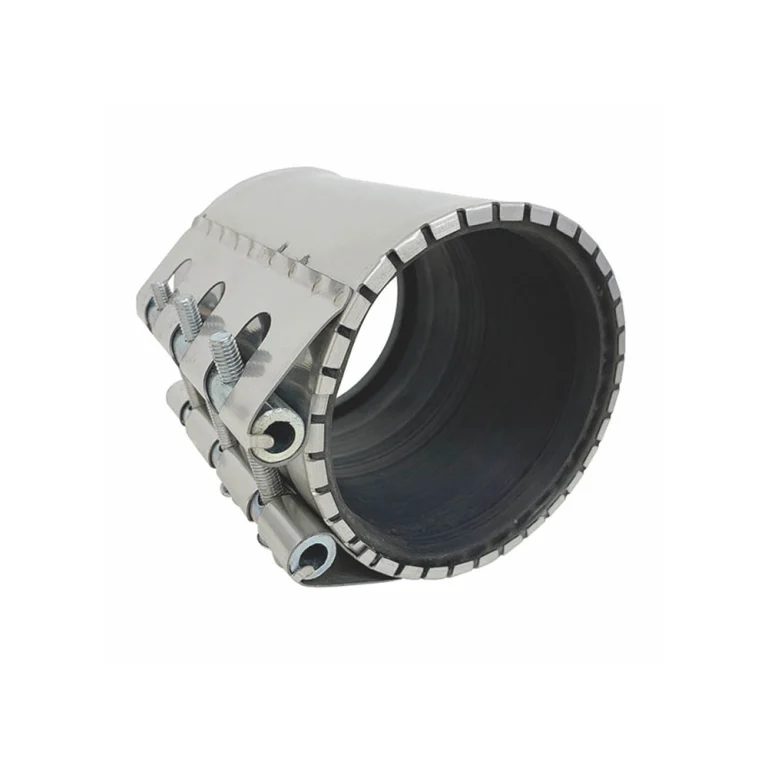
Restrained flexible couplings have turned into a key part in today’s piping and mechanical setups. They offer a useful way to link pipes. At the same time, they make up for misalignment, vibration, and shifts. The main benefit comes from their power to keep system strength during active situations. This ensures good work and safety. For experts working with pipe to pipe connector systems or factory setups, knowing these benefits can aid in better costs and steadiness.
Superior Misalignment Compensation
Flexible couplings get built to deal with different kinds of misalignments. These happen during setup or use. Such flexibility stops stress buildup. That could lead to early breakdowns otherwise.
Types of Misalignment Supported
- Angular misalignment accommodation lets the coupling adjust. It works when two shafts or pipes sit at an angle that’s not straight. Small changes can come from heat growth or fitting limits.
- Parallel misalignment handling makes sure that even with side shifts in connected parts, the coupling sends power well. It does this without putting extra strain on bearings or seals.
- Axial movement flexibility stands as another vital trait. It lets the coupling take in small length changes. These come from heat shifts or pressure changes in the system. In big piping networks, this bend helps avoid breaks or joint splits.
Companies like Conflex, a maker focused on factory pipe coupling fixes, build restrained flexible couplings. These boost alignment skills while keeping strong build.
Vibration Damping and Noise Reduction
Before we look at load sharing, note that vibration control matters a lot for work flow. A good flexible coupling does more than link. It softens impacts.
Benefits of Vibration Damping
Kuunganisha kubadilika soften vibrations passed through turning shafts or pipes. As a result, they cut down noise during work. This makes a calmer space. It also lowers chances of wear-out in nearby parts.
Vibration damping further causes less wear and tear on linked parts. Think of bearings, seals, and joints. In the long run, this means fewer fix-ups. Plus, it brings better trust in the whole setup.
Enhanced Load Distribution
With vibration handled, load control turns into the next main area for restrained flexible couplings.
Load Distribution Mechanism
The coupling’s inside setup makes sure of even stress spread over the coupling. It stops overload in one spot. That could bring cracks or bends. This fair load split boosts machine steadiness while sending torque.
On top of that, stopping of local stress spots lengthens life not just for the coupling. It helps linked machines too. In turning gear like pumps or compressors, even load pass cuts shaft curves and bearing weights. These prove key for lasting strength.
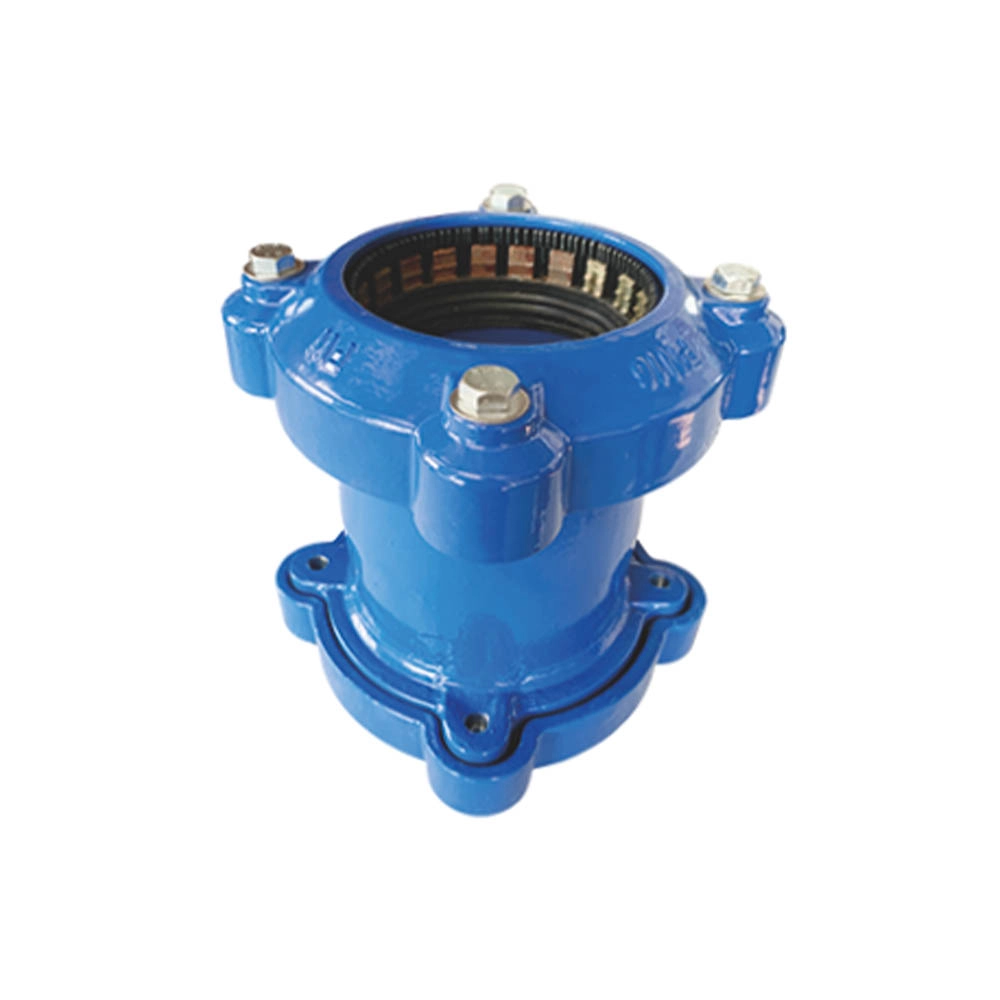
Maintenance and Longevity
Fix-up needs often decide if a system stays smooth over years. Or if it turns into a nonstop repair job.
Key Maintenance Benefits
Kuzuia couplings need less call for regular fix checks. This comes from their auto-adjust design and top materials. Those fight rust and tiredness.
This right away helps a longer life for the coupling and linked parts. So, there’s less stop time and lower full costs. That’s a big plus for places with nonstop runs, like power stations or making lines.
Conflex adds rust-proof covers and strong bolts to its pipe coupling line. This boosts service time in tough spots. Think water clean plants or oil lines.
Versatile Applications Across Industries
The wide use of restrained flexible couplings makes them a must in many fields. There, exact fit isn’t always possible. But trust is a must.
Industries Benefiting from Flexible Couplings
They get used a lot in making and factory machines. There, vibration cut improves tool exactness and length of use.
Plus, their job reaches car and air-space areas. Lightweight but tough links matter for fluid pass systems. These face wild heat or pressure. From hydraulic setups to exhaust lines, their fit ensures steady work in hard spots.
Improved Safety
Safety counts as one of the top results from using restrained flexible couplings in key jobs.
Safety Features of Flexible Couplings
These couplings help stop sudden machine breakdowns. They take in shock loads. Without them, big splits or harm to gear could happen. They also give guard against harm from misalignment. This cuts risks from uneven power pass or too much shake. Such things often tie to safety events in turning gear setups.
Cost-Effective Performance
Work flow isn’t only about tech skill. It’s about money steadiness too.
Economic Advantages
By cutting fix times and stretching part life, restrained flexible vifaa bring lower run costs from less fix needs. Users gain from money savings from longer gear life. Smoother work cuts surprise stops. That’s vital for making-heavy fields that want high run times.
| Vipimo | Traditional Rigid Coupling | Restrained Flexible Coupling |
| Average Maintenance Interval | 6 months | 18–24 months |
| Noise Level (dB) | 85 | 65 |
| Expected Service Life | 5 years | 10+ years |
Ufungaji rahisi
Install ease often sets how fast new systems start after updates or fixes. Restrained flexible couplings shine here as well.
Installation Process Benefits
Their build allows for easy install steps that cut setup time. This proves extra useful in rush fixes. There, stop time must stay low. What’s more, there’s usually little need for special tools or skills in setup. This makes them great for on-site jobs. Access might limit there, but exact work stays key.
As Conflex keeps making next-round pipe coupling answers, it eyes easy-to-use puts-together. This lets techs make safe links fast. They do it without losing work marks. It’s a small yet real plus in daily runs.
Maswali
Q: What is a restrained flexible coupling used for?
It connects two pipes firmly. At the same time, it allows some bend to manage misalignment and shifts without leaks.
Q: How does it differ from a standard pipe coupling?
A held type has built-in hold traits. These stop length splits under pressure. Yet it keeps bend.
Q: Can flexible couplings reduce vibration?
Yes, they soak up vibration power between linked bits. This drops noise. It also guards nearby parts from wear harm.
Q: Are they suitable for high-pressure systems?
Many builds rate for high-pressure spots. Always look at maker details before picking.
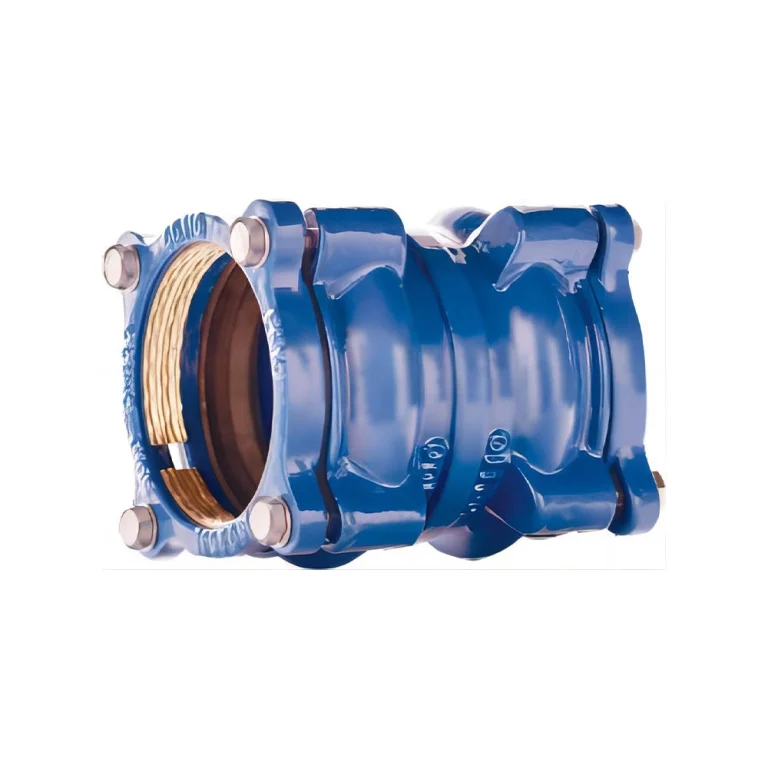
 Swahili
  English
  Arabic
  Chinese
  French
  German
  Indonesian
  Italian
  Kazakh
  Kyrgyz
  Portuguese
  Russian
  Spanish
  Uzbek
Uzbek