




A pipe leak causes more than just trouble. It leads to water waste, work stoppages, and possible dangers. In factories or city systems, a tiny leak can turn into a big expense if you don’t fix it soon. That’s why a stainless steel band repair clamp helps. This tool gives a quick, solid, and cheap way to close leaks. You don’t need to swap out the whole pipe section.
Old repair ways often call for welding or full swaps. But a pipe leak repair clamp lets workers get things running again in just minutes. The big pluses are no pipe cutting, easy setup, and it works with many pipe types and sizes. It’s a handy item that many fields trust for urgent fixes and lasting ones too.
What Is a Stainless Steel Band Repair Clamp
Basic Definition
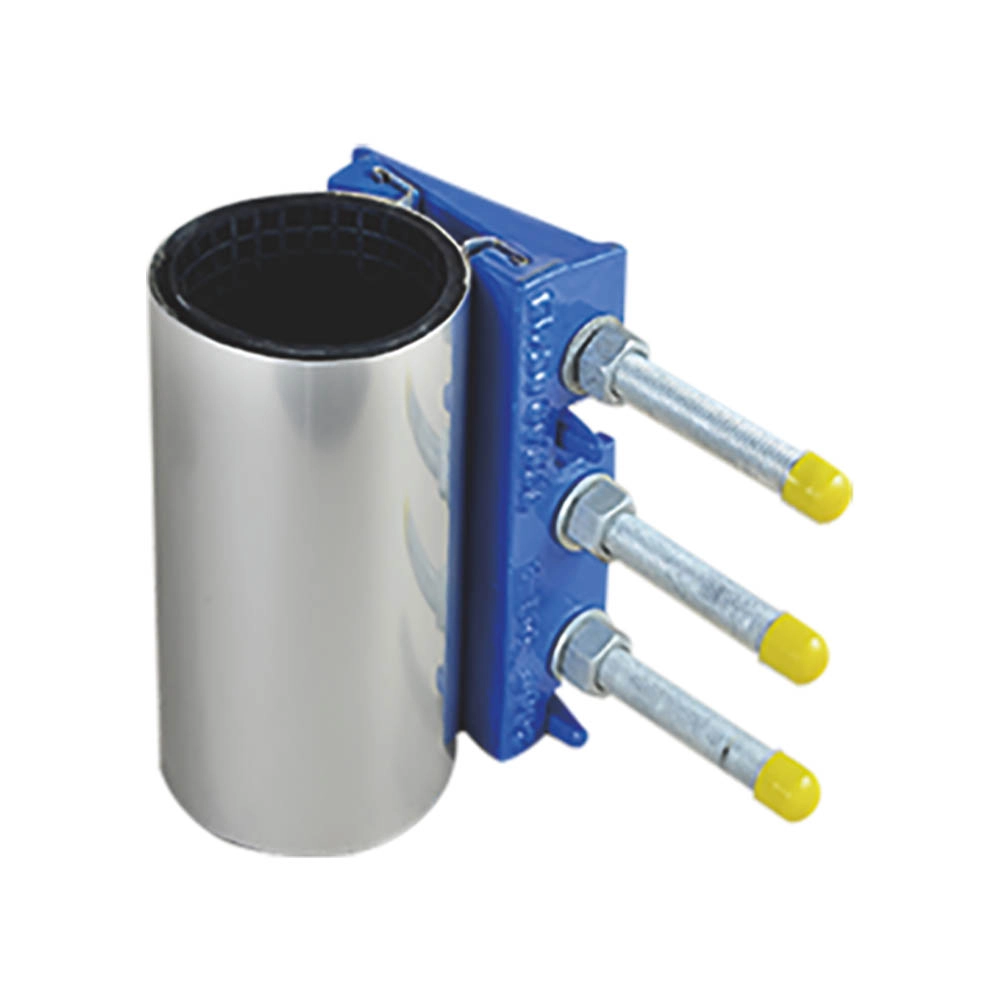
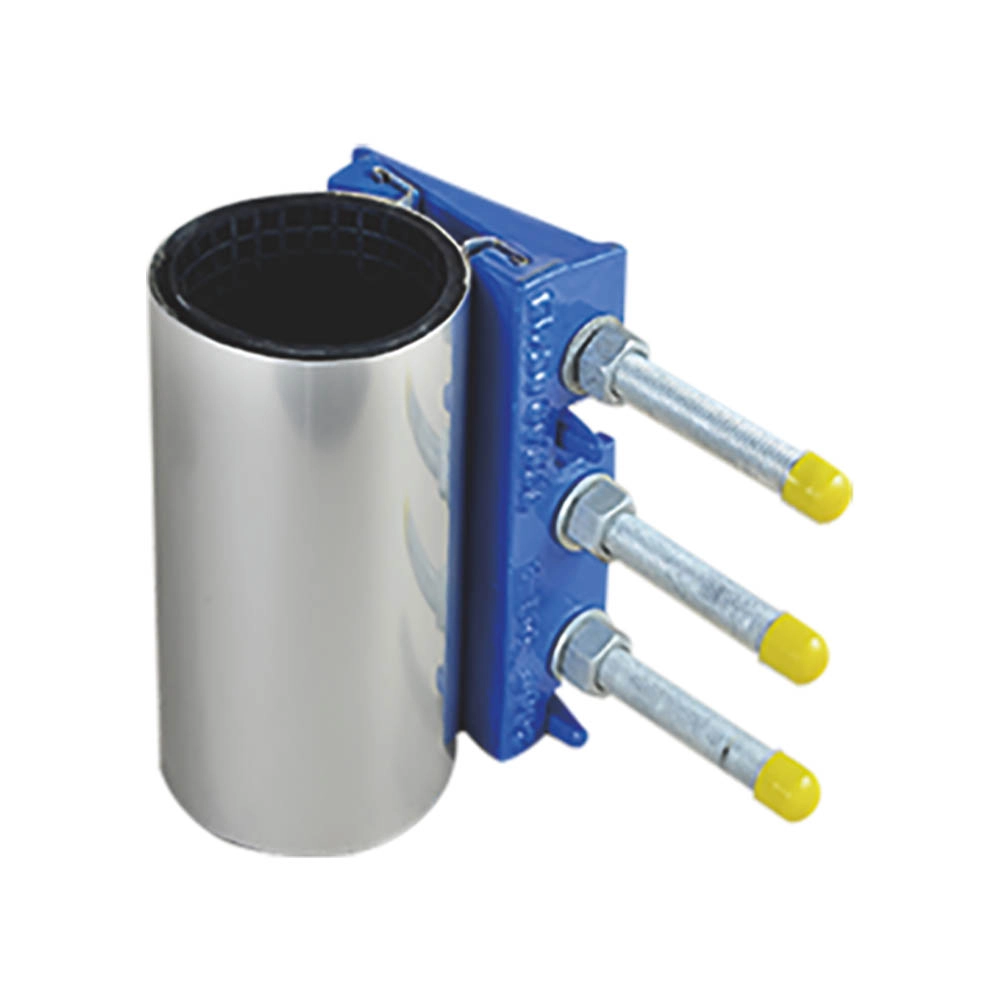
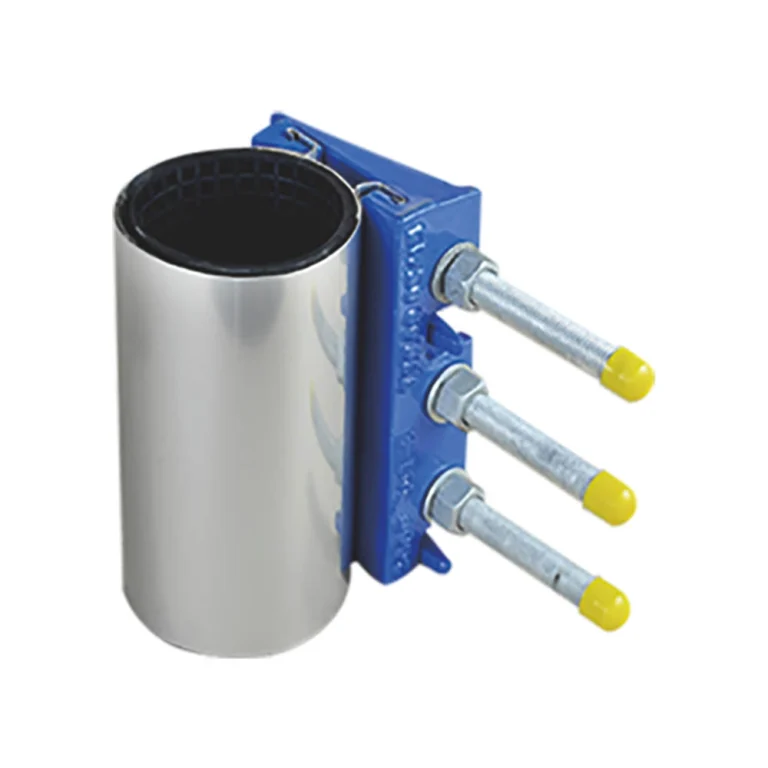
A chuma cha pua bendi kukarabati clamp is a tool built to close leaks on pipes with pressure or without. It usually has a stainless steel band that goes around the hurt part of the pipe. This band presses a rubber gasket onto the surface to stop water from escaping. The design is basic but works well. So, it fits for short-term or long fixes.
Key Components
Every clamp includes three main parts that team up:
- Stainless steel band: Gives strong support and fights rust, so it lasts in tough spots.
- Rubber sealing gasket: Often from EPDM or NBR stuff to stay bendy and match chemicals.
- Bolts and fastening system: Let you tighten with care to spread pressure evenly over the gasket.
These parts join to make a strong seal. It holds up to inside pressure. And it stops more harm.
Common Types
Stainless steel band repair clamps have a few styles based on what you need:
- Single band repair clamp: Good for small leaks or pipes with low pressure.
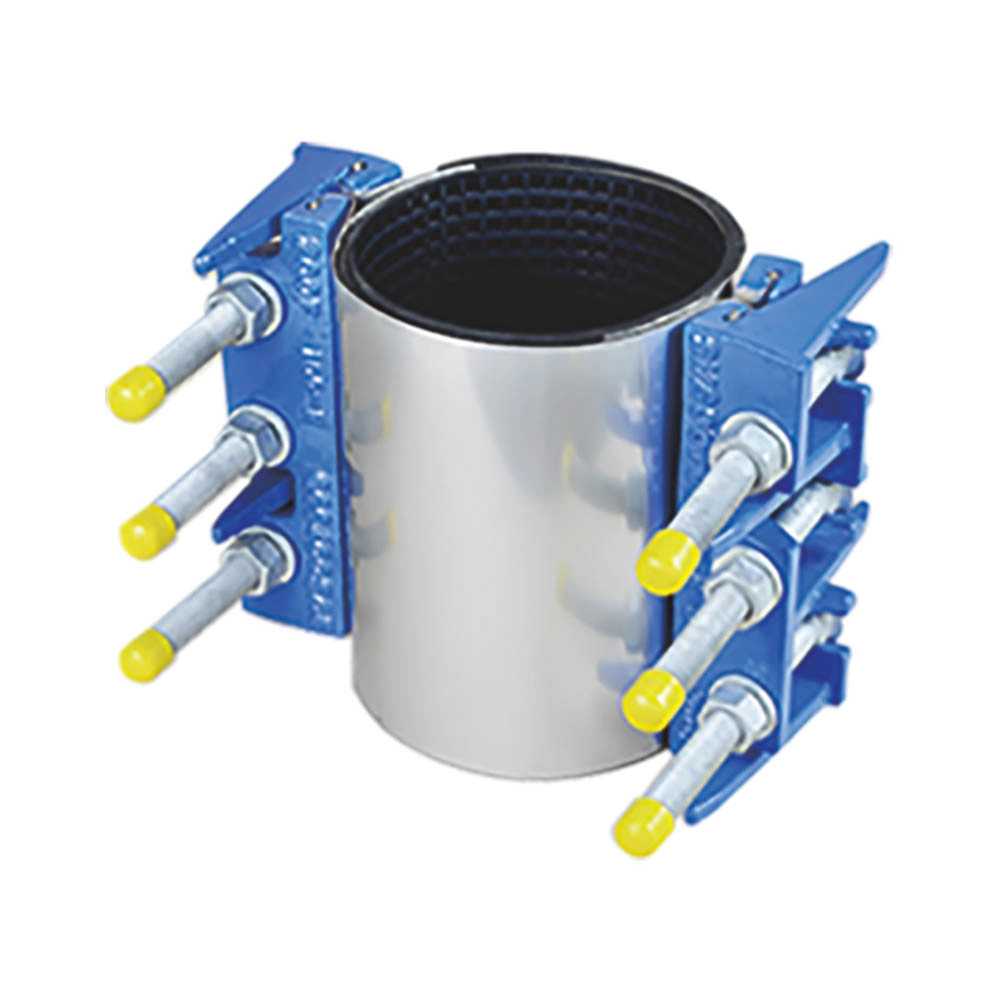
- Double band repair clamp: Gives more seal width and steadiness for big or high-pressure pipes.
- Wide range / multi-size clamps: Made to fit many pipe sizes, which cuts down on stock for repair crews.
How Does a Stainless Steel Band Repair Clamp Work
Before we talk about its good points, let’s see how this tool really does its job on the spot.
Sealing Mechanism
The way it works comes from pressing to seal. You tighten the bolts. Then the stainless steel band puts even force on the rubber gasket. That gasket shapes itself to the pipe’s outside, even if it’s a bit bumpy. So, it makes a tight seal against pressure. Leaks stop right away.
Installation Process (Step-by-Step)
- Clean the pipe surface thoroughly to remove rust, dirt, or oil.
- Position the clamp so that its center aligns with the leak.
- Tighten bolts evenly across all sides using appropriate torque tools.
- Pressurize the line slowly and check for any residual leakage.
The whole job often takes under 15 minutes for a skilled worker.
Why It Works Under Pressure
The secret is in spreading force evenly and using flexible stuff. The stainless steel part stays firm under weight. Meanwhile, the rubber gasket fits to rough spots on the pipe, like small dents or rust holes. It keeps the seal steady even when pressure changes.
Key Benefits of Stainless Steel Band Repair Clamps
Putting a stainless steel band repair clamp to use brings lots of practical gains:
- Allows fast fixes in emergencies without halting whole setups.
- Skips the need to cut or swap hurt pipes.
- Works with various stuff like carbon steel, PVC, ductile iron, and PE.
- Stands up well to rust, perfect for sea or chemical places.
- Much cheaper than swapping whole pipes or doing weld jobs.
In spots where stoppages mean lost money, these tools are key for upkeep.
Applications of Band Repair Clamps
These clamps’ flexibility lets them help in many areas.
Water Supply Systems
City water teams use them a lot on clean water pipes and buried lines. They seal without adding bad stuff to the water.
Industrial Pipelines
Fields like oil and gas, chemical plants, power spots, and waste water cleaning count on them. They use for regular checks and sudden fixes where quick get-back is key.
HVAC and Fire Protection Systems
In building work, they go on cold water loops, heat lines, and fire pipes. There, holding up under pressure matters a ton.
How to Choose the Right Band Repair Clamp
Picking the best one means knowing your pipe details.
Pipe Diameter (OD Range)
Always check the outside size with care. A too-small clamp won’t fit right. An too-big one won’t seal well. Makers list the size ranges on the items.
Pipe Material Compatibility
Make sure the gasket stuff and band style match what runs in your pipe:
- EPDM gaskets suit potable water
- NBR gaskets perform better with oils or hydrocarbons
Usual matches cover steel, PVC, ductile iron, and PE pipes.
Pressure and Temperature Requirements
Each type has a max pressure rating. Check that against your setup. For hot pipes, pick ones with parts that take heat.
Type Selection (Single vs Double Band)
One-band types work for little leaks. Two-band ones spread out the pull better on big spots. They’re great for wide cracks or rusted areas.
Band Repair Clamp vs Other Repair Methods
Looking at this against old ways shows how much better it is.
Clamp vs Pipe Replacement
Clamps cut time a lot. They lower costs too. And they keep service going with less hassle.
Clamp vs Welding Repair
Welding needs hot work okay, risks from sparks or smoke, and more prep time. Clamping skips heat dangers. So it’s safer, especially near fuel lines that can catch fire.
Clamp vs Couplings
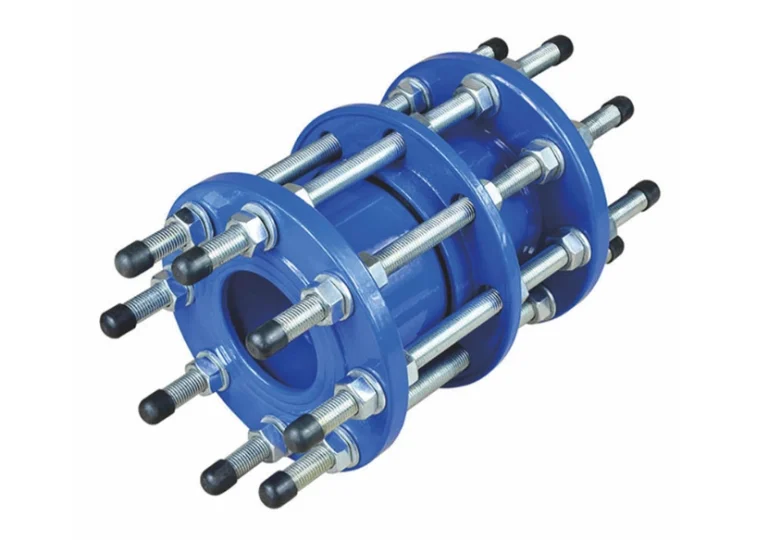
Couplings join two cut pipe ends for new setups. But repair clamps handle leaks on live pipes where you can’t cut. They do different jobs but pair well in fix plans.
Common Mistakes to Avoid
Setup looks simple. Yet some usual slip-ups can hurt how well it works:
- Selecting incorrect size relative to actual OD
- Neglecting proper cleaning before placement
- Uneven bolt tightening leading to partial sealing
- Using incompatible gasket material with conveyed fluid
Skip these slip-ups for solid work over time.
Upgrade Your Pipeline Maintenance with a Smarter Solution
Conflex manufactures industrial-grade pipeline connection and repair products including flexible couplings and stainless steel band repair clamps tailored for water supply lines, oil transport systems, gas distribution networks, and general utility maintenance. Each product reflects precision engineering focused on durability and ease of use—helping operators minimize downtime while maintaining safety standards across operations. Explore Conflex’s range of stainless steel band repair clamps and flexible couplings today—and make every repair quicker, stronger, and more economical.
Maswali yanayoulizwa mara kwa mara
Q: Can a band repair clamp be used permanently?
Yes. Many models are designed for permanent service life when correctly installed on sound pipe sections; however periodic inspection is recommended in critical systems.
Q: What pressure can it withstand?
Depending on design width and bolt configuration, typical working pressures range from 10 bar up to 40 bar for heavy-duty variants.
Q: Can it be used on high-temperature pipes?
Yes — provided you choose clamps equipped with high-temperature gaskets such as Viton or silicone-based compounds rated accordingly.
Q: Is it suitable for buried pipelines?
Absolutely. With anti-corrosion coatings or full stainless-steel construction plus proper wrapping protection, they perform well underground without degradation over time.
 Swahili
  English
  Arabic
  Chinese
  French
  German
  Indonesian
  Italian
  Kazakh
  Kyrgyz
  Portuguese
  Russian
  Spanish
  Uzbek
Uzbek