



项目1
项目2
项目3
项目4
项目5

High Pressure Repair Clamps – Everything You Need to Know

目录

High Pressure Repair Clamps – Everything You Need to Know


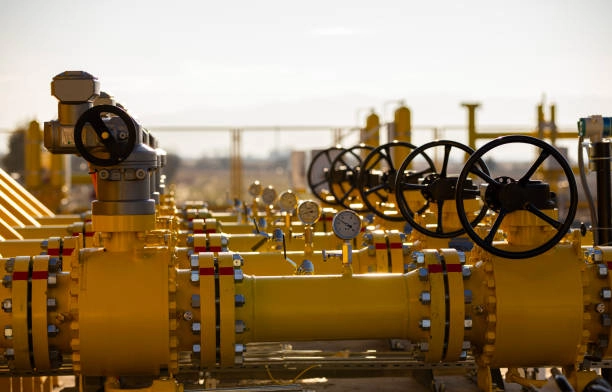
gas pipeline

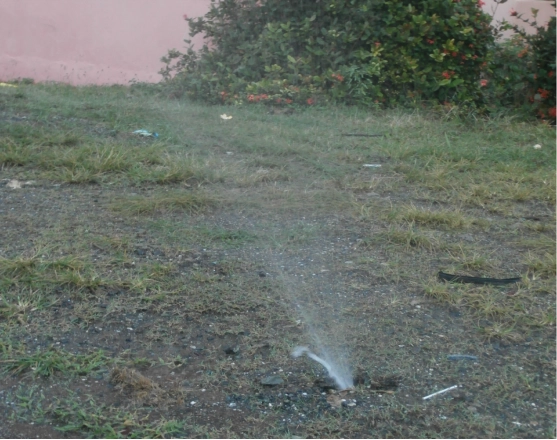
When a gas leak or high-pressure pipe failure happens, time matters a lot. Quick steps are key to stop safety risks, harm to the environment, and expensive stops in work. One of the best tools for these cases is the high pressure 管道维修夹. These clamps are made to give a speedy, solid, and dependable fix — even under full working pressure.

Overview of High Pressure Repair Clamps

Key Features and Components of High Pressure Repair Clamps

High pressure repair clamps are built to handle tough spots. They usually come from stainless steel or other strong, rust-proof stuff. If your setup faces very harsh things like seawater, chemicals, and so on, the wise pick is a clamp from rust-proof materials, such as stainless steel, copper, or PVC.

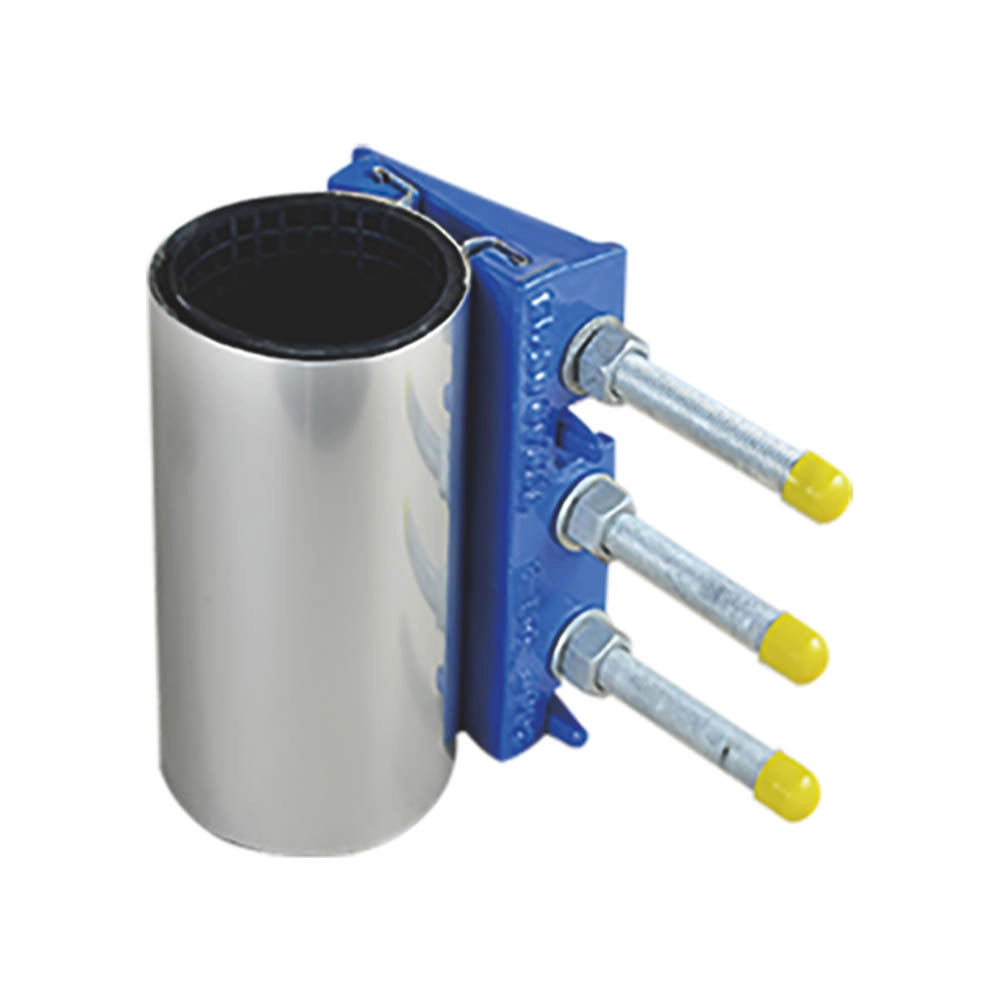
In build, these clamps have a sturdy main part with tough bolts and rubber-like seals that fit the pipe’s shape. The setup makes sure pressure spreads evenly around the pipe’s circle. This is vital for keeping a no-leak hold at high pressures.

Pressure levels often go from 10 bar up to 150 bar or higher, based on the type and maker. They work with many pipe kinds — steel, copper, cast iron, and even PVC — and sizes from tiny home lines to big factory mains. Clamps come in all sorts of sizes. Picking the wrong one can cause bad fixes. In some ways, it might even lead to more harm.

Common Applications Across Industries

These clamps get used a lot in oil & gas pipelines. There, any gas leak repair has to be fast and good. Power plants and chemical plants count on them for planned upkeep and sudden fixes.

Because of their strong build, they fit well in land-based refineries or sea-based platforms where things can change fast. From dock areas to town services, these clamps have shown to be very important.

Functional Mechanism of High Pressure Repair Clamps

How Clamps Seal Leaks Under High Pressure

The main way they seal is by squeezing. Once you bolt them on, the clamp pushes even force onto the rubber-like seal. That seal shapes closely around the hurt spot.

The seal’s stretch lets it adjust to bumps like dents or scratches. It does this without losing strength. The hard clamp body keeps this seal pressed tight against sudden pressure jumps.

A clamp needs to match or just a bit beat the pressure and heat needs of your exact use. This gives a firm seal. It’s key to skip future problems.

Installation Process for Effective Leak Control

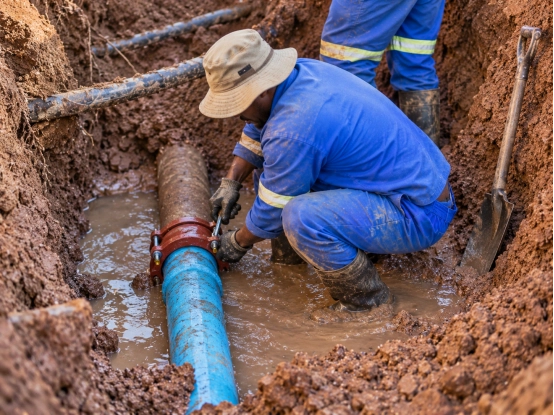
Good setup begins with a check. You must clean the surface of rust, dirt, or junk that might hurt the seal.

Next is lining it up and tightening. Each bolt gets turned with exact force values. This makes sure pressure is even — too much on one side can make a weak seal on the other.

When you work on live setups like during a gas leak repair, follow safety rules closely. This means wearing safety gear. Also, try to cut off pressure if you can.


不锈钢带修理夹ZR-1

Advantages of Using High Pressure Repair Clamps

Operational Benefits in Pressurized Systems

One big plus? You don’t have to stop the whole system. The clamp lets you quickly cut off and hold in leaks under live pressure.

This cuts down stop time a lot — it keeps work going while you fix things. It also lowers harm to the environment by stopping wild spills.

Piping is often seen as a “set it and forget it” part of setup. But when sudden cracks and leaks show up, the “forget it” bit goes away fast. It usually turns into worry mode.

Cost Efficiency Compared to Traditional Repairs

Old pipe fix ways often mean cutting out parts or welding — both take a long time and cost a bunch.

A clamp fix skips these. It often does away with pipe swaps or welding. Plus, it cuts worker time by a lot.

Even better, clamps like those from conflex can be used again in many cases. They’re built for long use in factory spots. This gives great value over time.

Ideal Scenarios for Clamp Utilization

Situations Where Clamp-Based Repairs Are Preferred

Clamps work best in urgent spots — like a sudden pipe break or gas leak repair on night shifts or in far-off places.

They’re also good for lasting fixes where welding isn’t okay because of safety rules or hard-to-reach spots.

Some places put clamps on ahead of time as a plan B — mainly in risky areas like chemical plants or sea pipelines.

Conflex, a focused manufacturer of factory repair clamps and bendy pipe links, gives custom fixes for these uses in water, oil, and gas systems.

Limitations That May Affect Applicability

Still, clamps aren’t fixes for everything. Pipes with bad rust or bent shapes might not give enough strength for the clamp to hold tight.

Also, super high pressures or odd pipe stuff might go beyond what the clamp can take.

The kind and badness of the hurt will matter a lot in picking clamps. So will if it’s for a short patch or a forever fix.

Maintenance and Inspection Practices for Long-Term Reliability

Routine Checks to Ensure Continued Performance

Check clamps often for rust near bolts or wear in seals — this is extra true in rough spots.

How often you check depends on working pressures and what runs through (like water vs. oil stuff). But every three months is usual.

Watching for wear, rust, or seal wear helps make them last longer. It also stops future breakdowns.

Guidelines for Reuse or Replacement Decisions

After you take them apart, look them over well. If seals are okay and metal parts show no tiredness or rust, you can use them again.

But deep rust, hard seals, or bent parts mean you need a full swap — put safety first here.

Importance of Technical Expertise in Clamp Selection and Use

Role of Engineers in System Assessment and Clamp Sizing

Right clamp pick isn’t a guess. Engineers have to look at pipe stuff, working pressure, heat range, and how bad the hurt is. Then they suggest a fix.

To choose the best, think about a few things: Pipe material & width; Leak/Hurt type; Pressure/Heat rating — each one counts.

A wrong match can lead to failed fixes or risky bursts under pressure.

Training Requirements for Installation Personnel

Last, the folks putting these on need real training. Trained workers know force specs, safety steps under live work, and how to do tricky setups like multi-part clamps.

Be it a short hold or lasting fix, right setup is as key as the item’s quality — Conflex helps with real tips along with its gear.

常见问题解答

Q: Can high pressure repair clamps be installed without shutting down the system?

Yes, they’re designed specifically for live-line repairs under full operating pressure.

Q: Are these clamps reusable?

Many are reusable if disassembled correctly and no component damage is present.

Q: What’s the lifespan of a high-pressure clamp?

With proper maintenance, they can last several years in industrial conditions.

Q: Can they be used on plastic pipes?

Some models are compatible with PVC or HDPE pipes; always check manufacturer specs.

Q: Does Conflex offer customized clamp solutions?

Yes — Conflex provides tailored clamp configurations based on client needs across oil, water, and gas networks.

分享
Facebook
Twitter
LinkedIn

分类

最近的新闻

How Much Axial Travel Do You Need? Expansion & Contraction Basics
  Axial movement in pipelines is often overlooked until problems arise—leaks, broken flanges, or...
High Pressure Repair Clamps – Everything You Need to Know
  When a gas leak or high-pressure pipe failure happens, time matters a lot. Quick steps are key...
Ultimate Guide to Flange Maintenance: Beat Rust & Corrosion
Common Types of Flange Corrosion in Industrial Systems Flanges serve as key parts to join pipes in systems....
Flanged vs. Threaded Fittings: Pros, Cons, and When to Use Each
Before picking between flanged and threaded fittings for your piping setup, it’s wise to check...
相关新闻
How Much Axial Travel Do You Need Expansion & Contraction Basics
How Much Axial Travel Do You Need? Expansion & Contraction Basics
High Pressure Repair Clamps – Everything You Need to Know
Ultimate Guide to Flange Maintenance Beat Rust & Corrosion
Ultimate Guide to Flange Maintenance: Beat Rust & Corrosion
Flanged vs. Threaded Fittings Pros, Cons, and When to Use Each
Flanged vs. Threaded Fittings: Pros, Cons, and When to Use Each
zh_CNChinese