




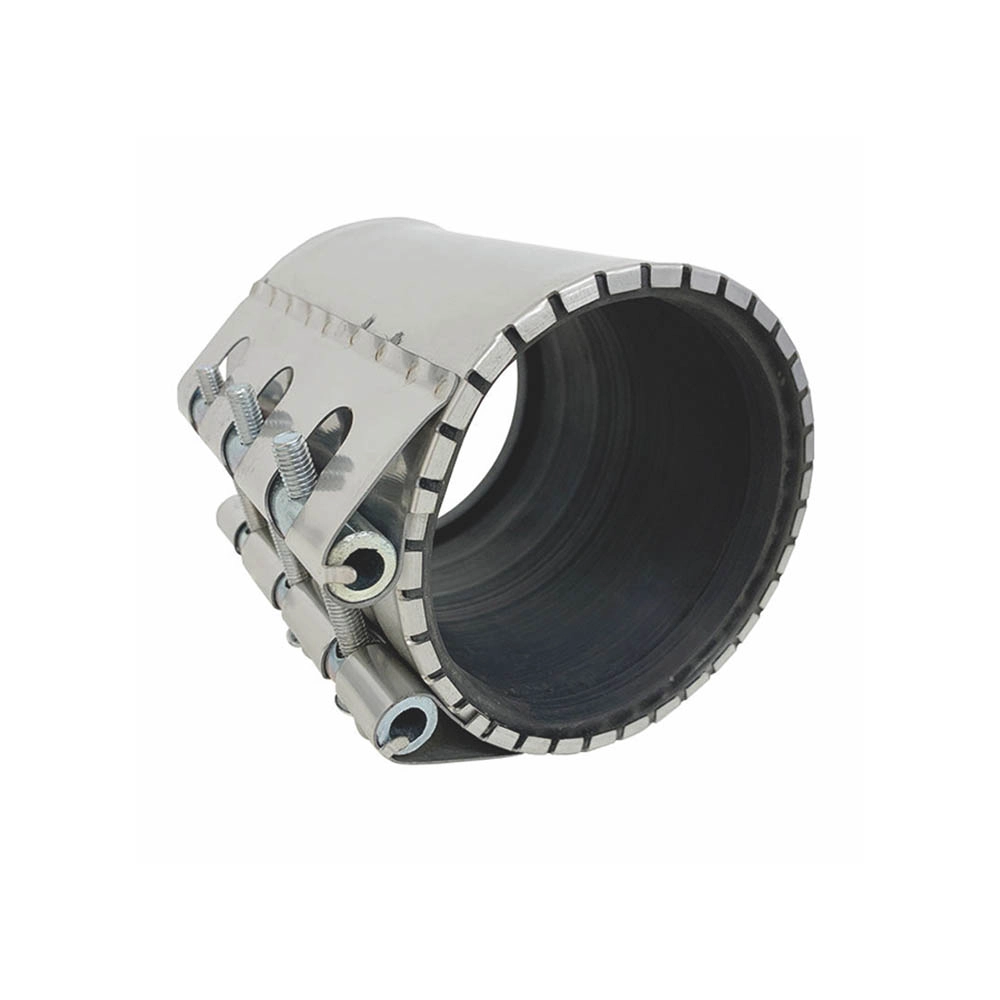
Pipe repair clamps are essential in today’s pipeline upkeep. They provide a quick and dependable method to close leaks or strengthen harmed parts. You don’t need to take apart the whole setup. The two main types—FCD and FCTR—vary mostly in their inside build and how they handle force. In brief, FCD clamps work well for routine fixes. FCTR clamps shine in tough or high-force settings.
Overview of Pipe Repair Clamps
Pipe repair clamps help keep water, gas, and factory pipelines strong. They let workers mend leaks or breaks without swapping out long pipe pieces. This cuts down time and money in upkeep tasks.
What Are Pipe Repair Clamps
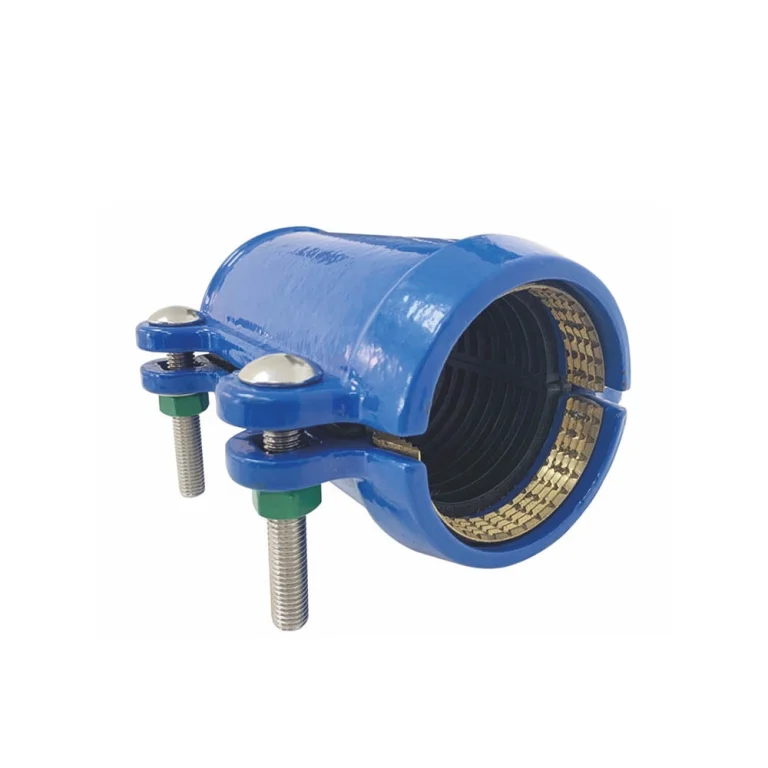
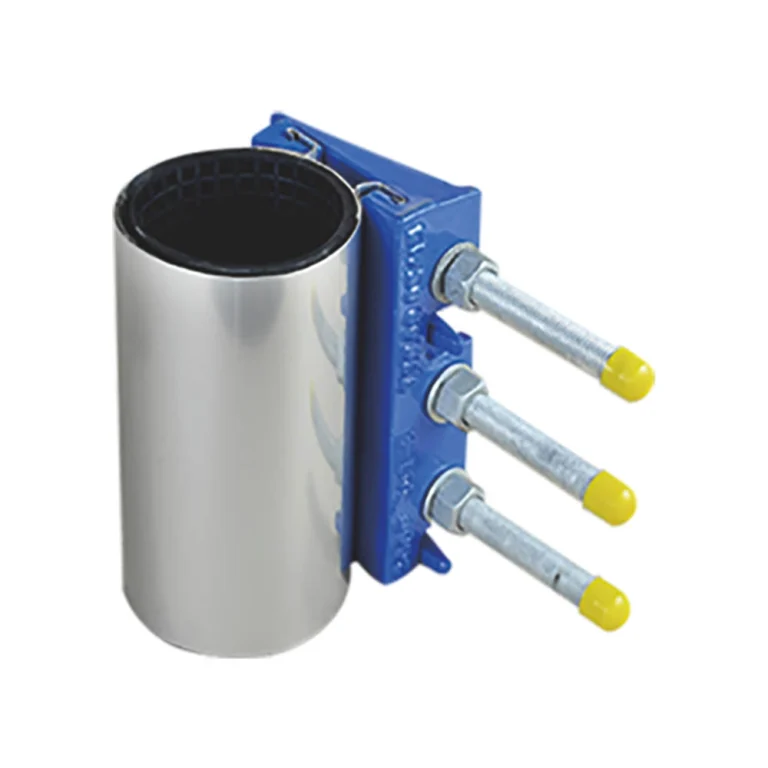
Pipe repair clamps are mechanical parts made to close leaks or shore up weak spots on pipes. They go around the pipe’s outer circle. A rubber gasket and bolted stainless-steel shell create a firm seal. These clamps usually come from rust-proof stainless steel. This gives them lasting strength in rough spots like underground or sea setups. You often see them in city water lines, oil pipes, and chemical plants.
Common Types of Stainless Steel Repair Clamps
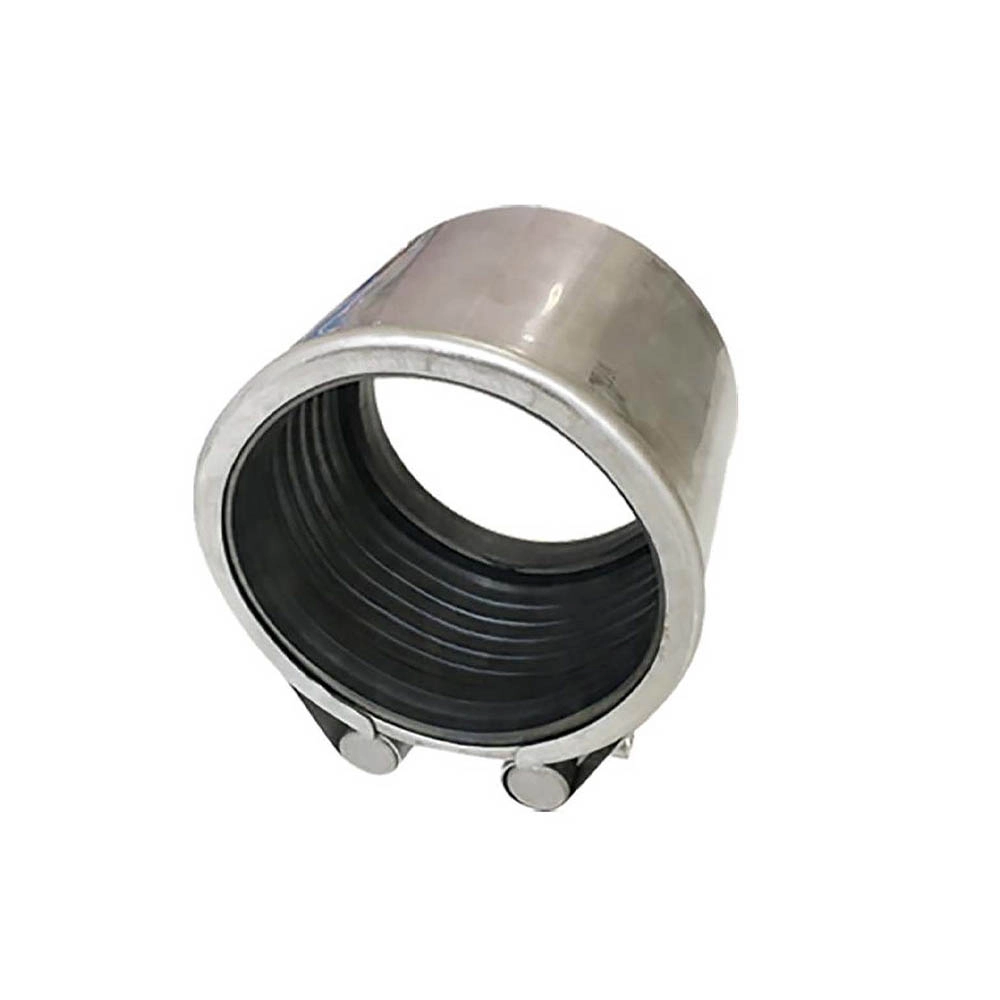
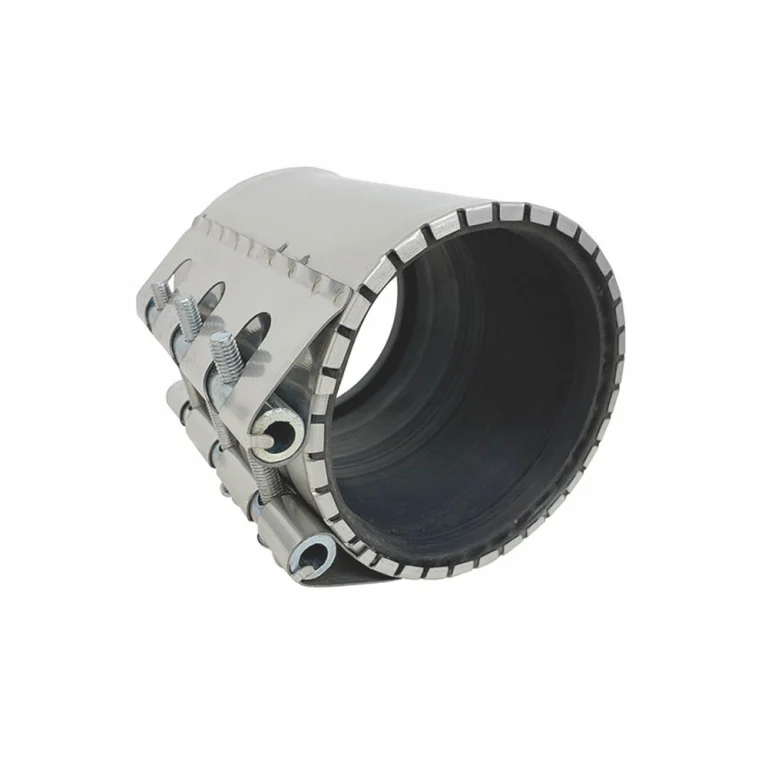
Among stainless steel pipe repair clamps, two kinds lead the way: the basic type (FCD) and the ring-tooth type (FCTR). Each fits certain force levels and pipe stuffs. The FCD Stainless Steel Repair Clamp can be used for quick connection of metal, cement, asbestos and other materials. Meanwhile, FCTR Stainless Steel Repair Clamps is ring gear type pipe connector, which has strong sealing performance and tensile strength.
Understanding the FCD Repair Clamp
Before we look at both models side by side, it helps to grasp their own build traits.
Structural Design and Features
The FCD clamp has a flat inner side. It spreads force evenly around the pipe’s circle. This flat seal face fits everyday fixes. Even squeeze gives leak-proof results without hurting the pipe wall. Its build allows fast setup with few tools—often just a wrench. And it helps upkeep teams get things running again soon.
Technical Parameters of FCD Clamps
The FCD Stainless Steel Repair Clamp can be used for quick connection of metal, cement, asbestos and other materials. It is manufactured from SS304 stainless steel with an EPDM rubber sleeve conforming to ISO4633 standards. The working pressure typically ranges from PN10 to PN16 with an operational temperature between -10°C and +70°C. The table below summarizes some key parameters:
| Pipe OD (mm) | Pressure (bar) | Length L1 (mm) | Bolt Torque (Nm) |
| 21.7–25 | 16 | 57–80 | 15–30 |
| 88.9–125 | 16 | 107 | 50 |
| 200–377 | 10–16 | 155 | 100 |
This model’s range covers many sizes—from tiny home lines to big factory pipes. And its rust-proof shell promises long life even in damp places.
Understanding the FCTR Repair Clamp
Shifting from everyday fixes to more special uses leads us to the FCTR clamp. It is a sturdy build made for hard pipeline spots.
Structural Design and Features
FCTR Stainless Steel Repair Clamps is ring gear type pipe connector, which has strong sealing performance and tensile strength. Its inner side has a clear ring-tooth pattern. This boosts hold on the pipe’s outside. The setup stops sliding under shakes or force changes. It also betters seals on bumpy or rusted spots. Plus, its ring gear build aids in quake-proofing, hit-proofing, and cutting noise in pipe joins.
Technical Parameters of FCTR Clamps
Built from SS304 stainless steel with EPDM gaskets like the FCD model, this one takes bigger mechanical loads. The working pressure PN10/PN16 stays the same for sizes from OD25 mm up to OD300 mm. It uses WRAS-approved stuffs fit for drinking water jobs. Below is an overview:
| Pipe OD (mm) | Pressure (bar) | Temperature Range (°C) | Material |
| 25–300 | 16 | -10°C to +70°C | SS304 / EPDM |
Its better hold works great for PE or non-metal pipes. Smooth outsides often test old clamp builds.
Key Differences Between FCD and FCTR Repair Clamps
Seeing how these two models split helps pick the best one for your job needs.
Design Comparison: Smooth vs Ring-Tooth Type
The big split is in their inside shapes:
- FCD: Smooth inner surface ensures gentle contact with minimal abrasion.
- FCTR: Ring-tooth configuration increases frictional hold against dynamic forces.
In real use, this shows that FCD fits steady setups with okay flow speeds. But FCTR does better when shakes or shifts are likely.
Performance Comparison: Pressure and Durability
Both handle close force levels but vary in toughness:
- FCD: Best suited for low- to medium-pressure lines where ease of use matters.
- FCTR: Designed for higher mechanical stress due to its reinforced structure.
The ring gear build aids well in anti-seismic, anti impact situations. So it lasts longer under repeated force rounds.
Installation and Maintenance Differences
Both clamps set up easily with usual tools. Yet, lining up an FCTR needs careful placement. Its teeth must catch the pipe side right. Once in place, it needs less upkeep. This is because slide risk drops over time.
Choosing Between FCD and FCTR Repair Clamps in Real Applications
Picking between these two hinges mostly on your pipeline’s stuff makeup and work surroundings.
When to Choose an FCD Clamp
Pick an FCD when on the job with:
- Domestic water supply lines
- Agricultural irrigation systems
- General industrial pipelinesIts simple installation process saves time during emergency repairs where downtime must be minimized.
When to Choose an FCTR Clamp
Go for an FCTR clamp in cases like:
- Oil transport lines
- Chemical plant pipelines
- High-pressure water distributionIts superior grip strength ensures stability even under vibration or thermal expansion cycles common in heavy-duty operations.
Practical Tips from Real User Experiences
Site workers often give useful tips. These help sharpen pick rules before buying.
Factors Users Consider Before Purchase
Main things to think about include:
- Compatibility with existing pipe material (steel vs PVC)
- Expected working pressure range
- Environmental exposure such as humidity or chemicals
- Ease of obtaining spare parts locally
User Recommendations Based on Field Use
Lots of techs like the FCD clamp’s ease in fast-fix upkeep work. It takes little lining effort. Yet, factory runners pick the FCTR model’s toughness. There, trust beats quickness—above all with old or rusted pipe bits that need firm hold.
In the end, picking between them means weighing setup ease against long-run work hopes.
Summary of Key Takeaways on FCD vs FCTR Repair Clamps
Both stainless steel repair clamps give solid seal fixes. But they meet a bit different wants in pipeline plans:
- FCD offers efficient sealing for general applications at moderate pressures.
- FCTR provides enhanced grip through its ring-tooth interior for high-stress systems.Understanding your system’s conditions—pressure level, vibration frequency, material type—ensures you pick the most cost-effective yet reliable option over time.
Conflex manufactures both models using certified SS304 materials under international standards like BS and EN ISO9001:2008. As a trusted supplier specializing in flexible connections and repair products for water, oil, and gas industries worldwide, Conflex continues supporting engineers seeking long-lasting pipeline solutions that minimize downtime while maximizing safety.
FAQs
Q1: What is a stainless steel pipe repair clamp used for?
It seals leaks or reinforces damaged sections of metal or non-metallic pipes without replacing them entirely.
Q2: How do I choose between an FCD vs FCTR repair clamp?
Select based on pressure requirements—use FCD for moderate systems and FCTR where vibration or stress is higher.
Q3: Are these clamps suitable for potable water?
Yes, both types use WRAS-approved materials safe for drinking water applications.
Q4: Can I install these clamps without shutting down my line?
Yes, both designs allow installation under pressure conditions without full shutdowns if handled correctly.
Q5: What maintenance do stainless steel repair clamps require?
Regular inspection of bolt torque and gasket integrity ensures continued leak-free operation over years of service life.
 English
  Arabic
  Chinese
  French
  German
  Indonesian
  Italian
  Kazakh
  Kyrgyz
  Portuguese
  Russian
  Spanish
  Swahili
  Uzbek
Uzbek